Partner Content
Presented by:

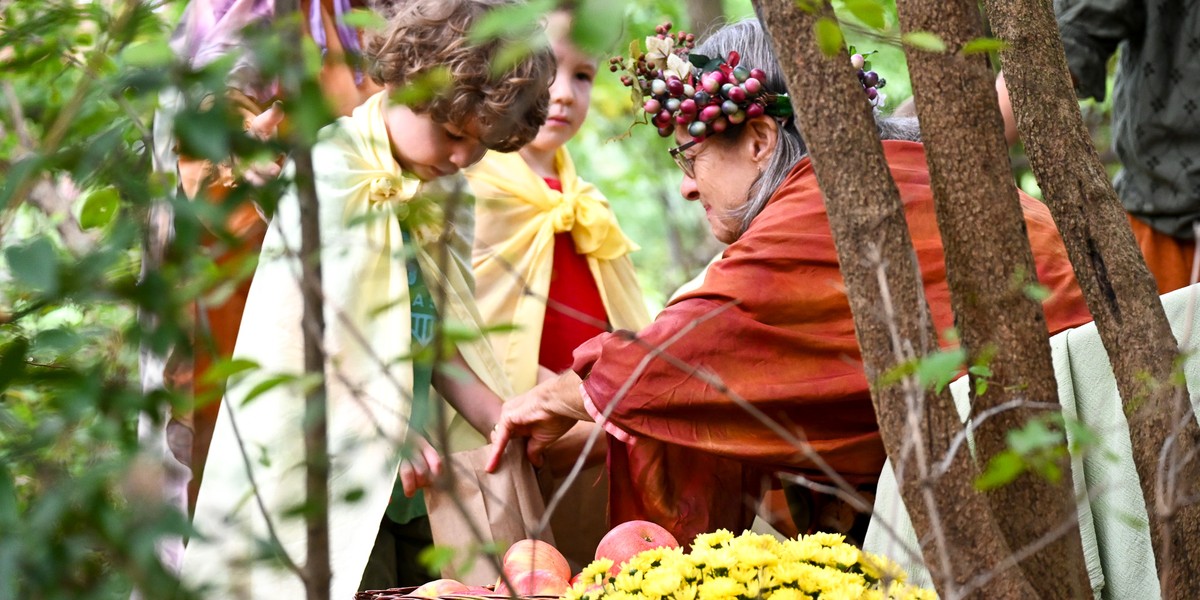
This October, the youngest children at one Baltimore independent school got all dressed up for an occasion most school calendars don’t include.
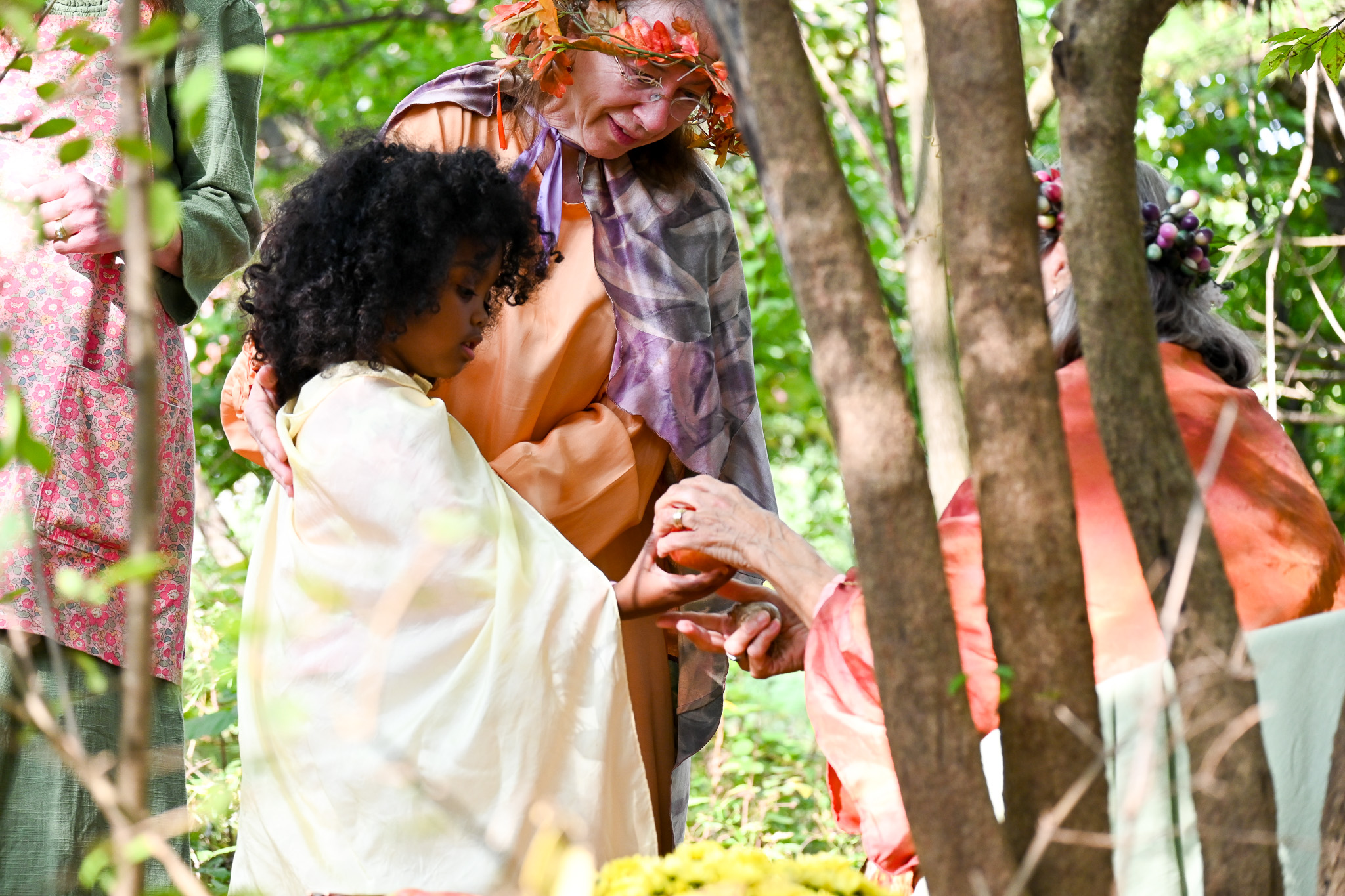
In golden capes, they followed the Autumn Fairy along a pumpkin-lined path through the woods to discover Mother Nature herself, waiting with two gifts for each child: a shiny apple, a gift of the autumn harvest, and a bulb to plant, a promise of spring.
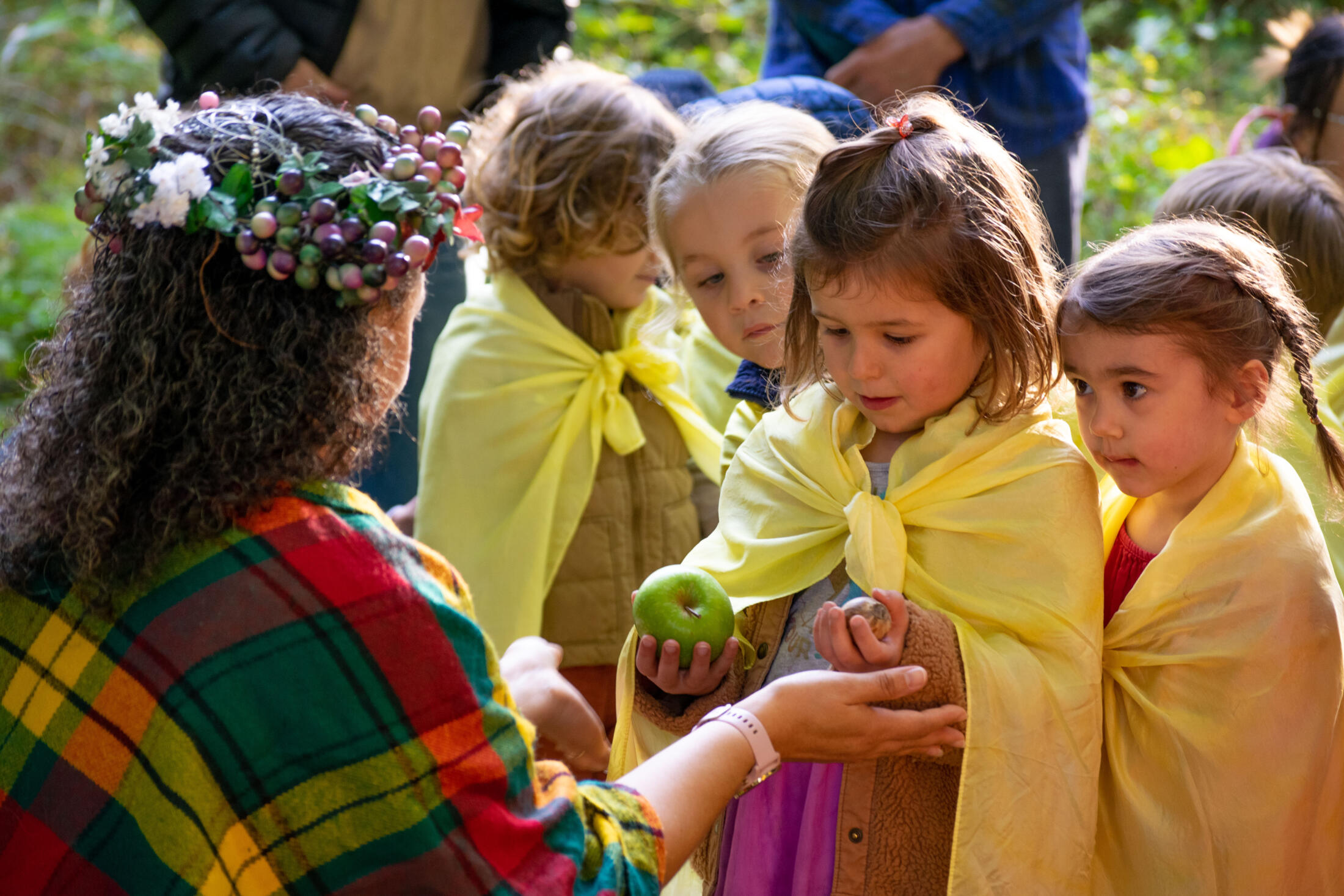
The capes were the children’s own work. They grew the marigolds, then picked them, strung them and dried them by hand, saving the seeds for next year’s garden. The petals went into pots of warm water, and with their teachers’ help, plain white silk slowly turned the color of autumn sunlight.
Those capes were never just costumes. Art at the Waldorf School of Baltimore (WSB), an independent school on Tamarind Road that serves children from age two-and-a-half through Grade 8, is purposeful work, made from materials children can trace back to the earth. A flower they grew becomes a dye. The dye becomes something they wear to a celebration. The seeds become next year’s flowers.
A Week You Can Taste, a Year You Can Feel
For young children, months and dates don’t mean much yet. Even Tuesday and Thursday can be hard to tell apart. But Bread Day and Soup Day give the week a rhythm they recognize, and seasonal traditions do the same across the year. Apple picking, the Autumn Festival, and soon the Lantern Walk, make the passage of time something children can feel, celebrate and carry home.
That sense of rhythm shapes everything in the Children’s Garden, WSB’s early childhood program. Its classrooms are built on one simple idea: a child’s first school should feel like home.
What Isn’t There
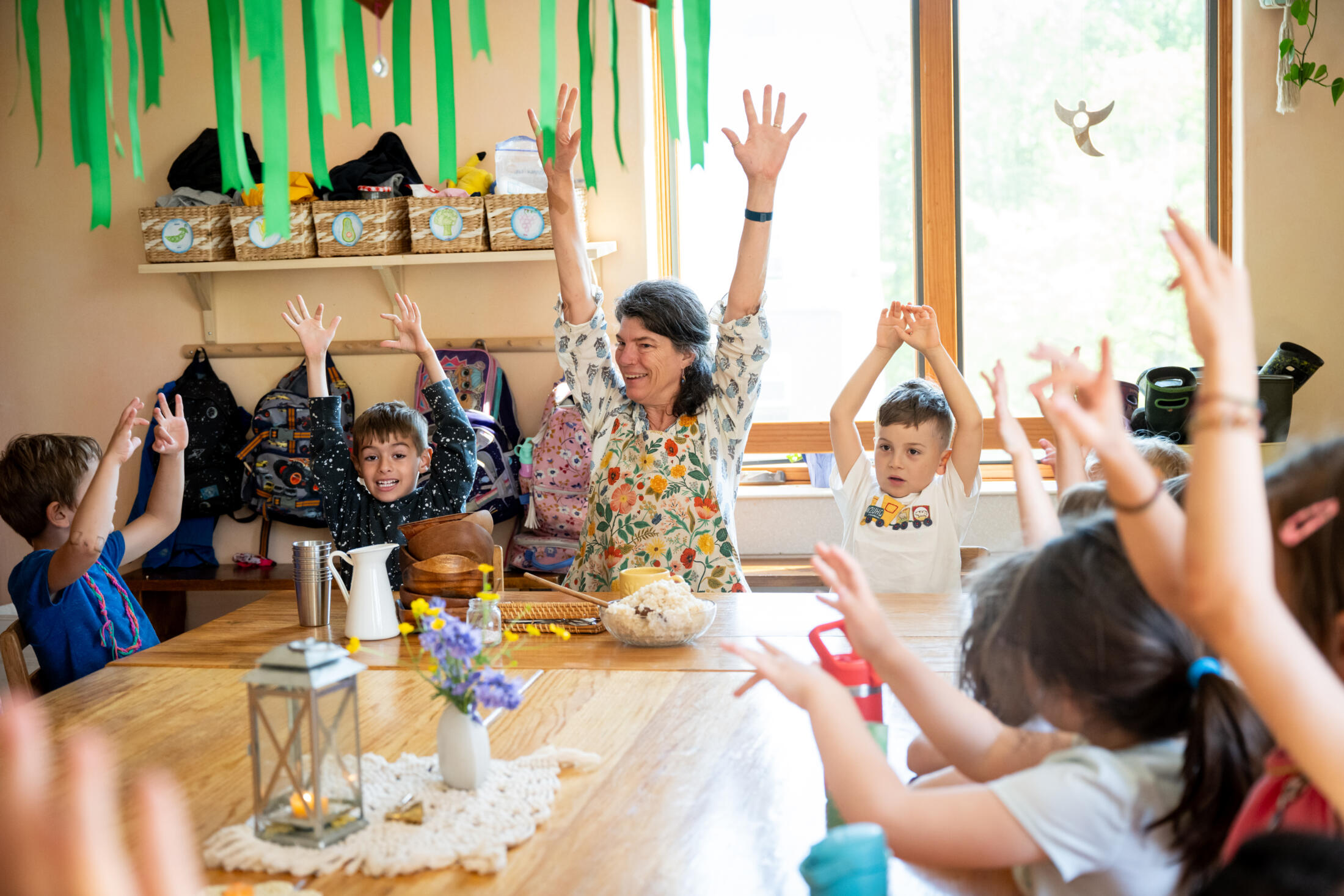
Parents visiting for the first time often notice what’s missing. No televisions. No talking toys. No walls of loud, competing color. The rooms are soft and warm, and nothing in them is trying to grab a child’s attention.
That quiet leaves room for the child’s own play. A simple plaything can become a boat in the morning and a bakery by lunch. Instead of being entertained, children get absorbed.
Everyday art follows the same spirit. Children draw with beeswax crayons, rich in color and pleasantly heavy in small hands, and they paint with watercolors, watching one shade bloom into the next. The point is less the finished picture than the slow, happy attention it takes to make one.
Bread Day, Soup Day, Muffin Day
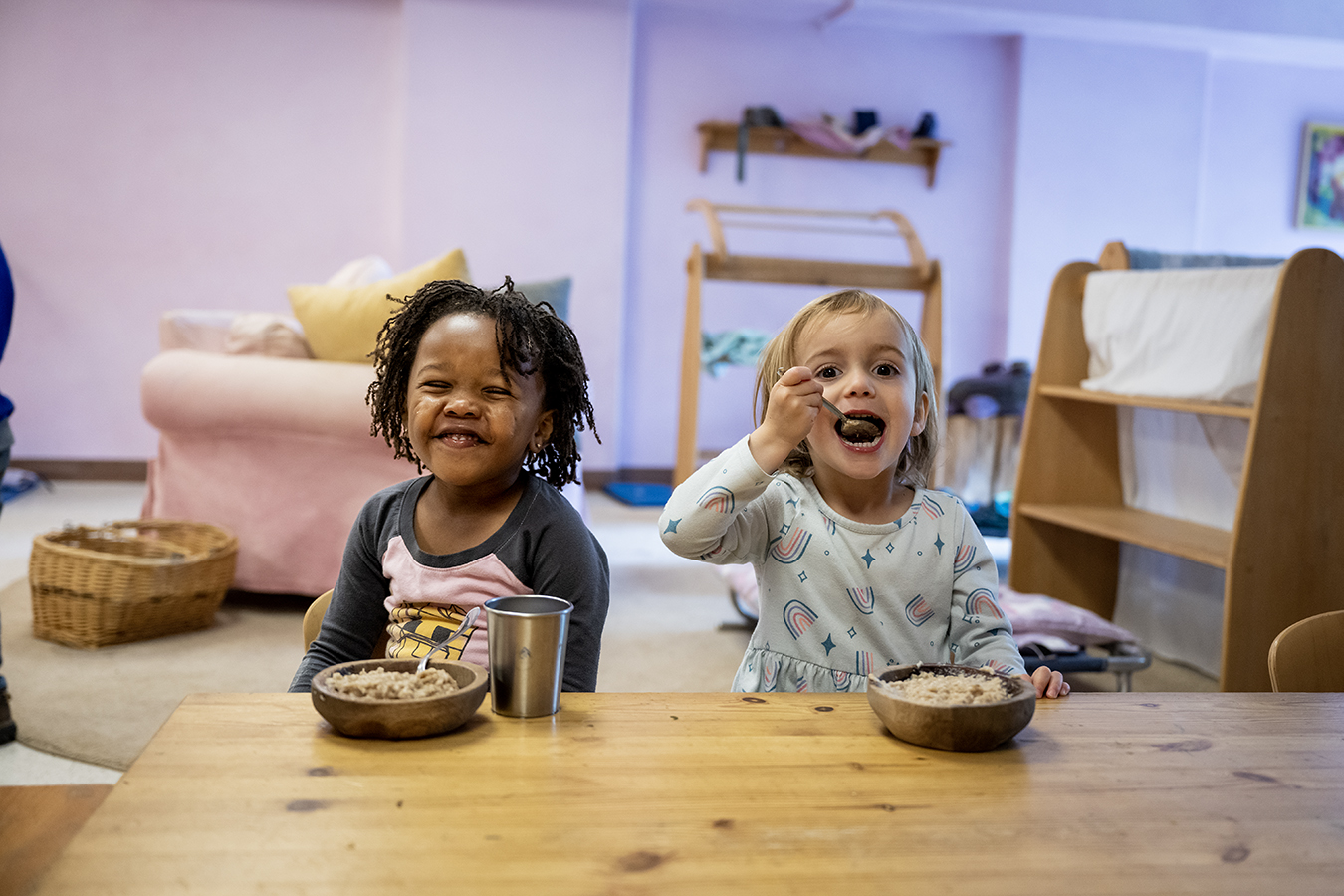
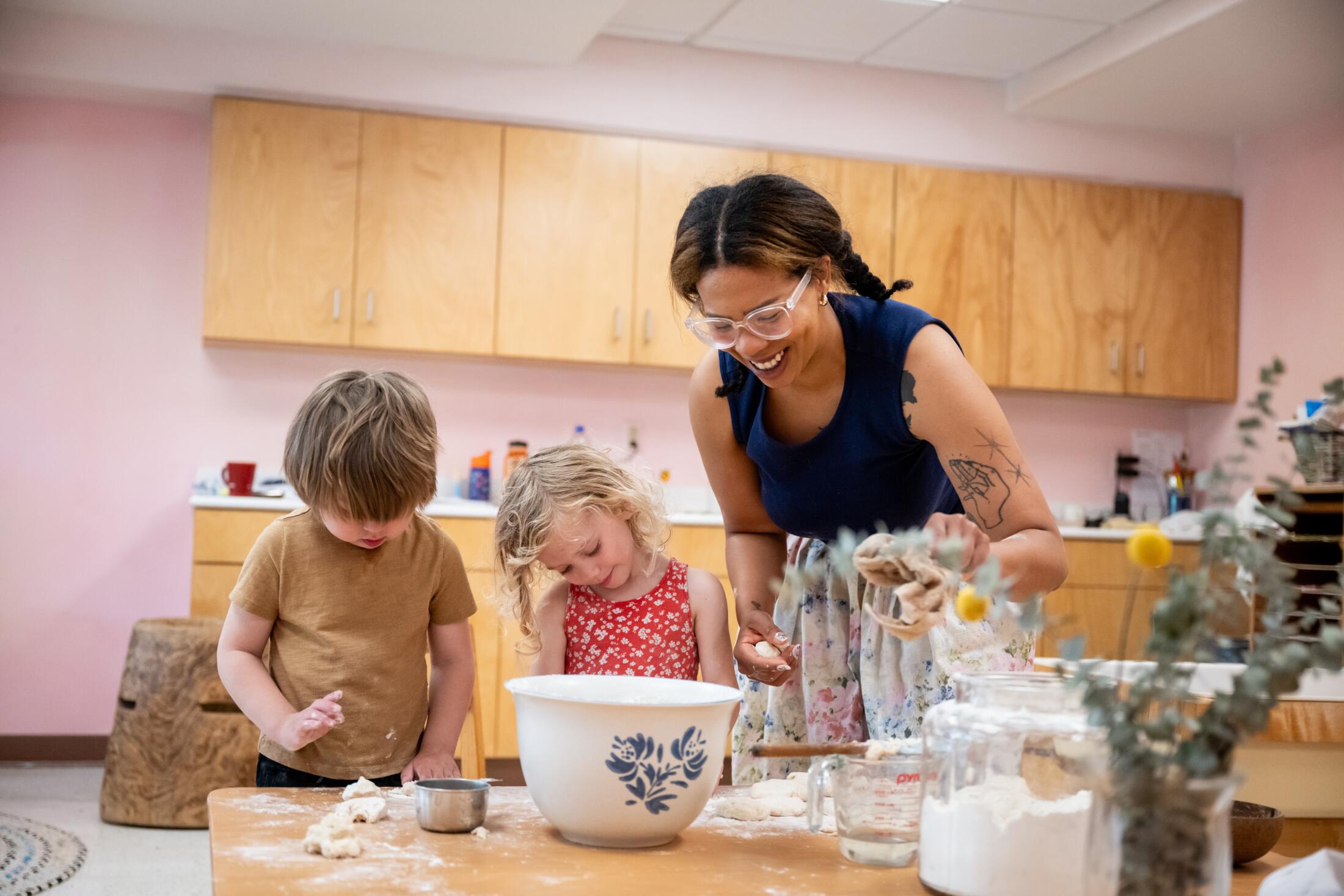
By midmorning on Bread Day, the classroom smells like bread. The children shaped the rolls themselves, and you can tell—one is a snail, another has legs. While they cool, a teacher pours warm herbal tea into small cups. Each weekday has its own snack:
Bread Day
Soup Day
Applesauce and Granola Day
Quinoa Day
Carrot Muffin Day
Every snack is homemade, and the children help make it: kneading, stirring, setting the table, serving each other. Children who help prepare food are often more willing to try it, and parents notice. One of the things teachers hear most is surprise from a parent whose selective eater came home asking for vegetable soup.
This is real work, and young children love being trusted with it. It builds patience, coordination and a quiet pride in the things they helped make.
Outside First
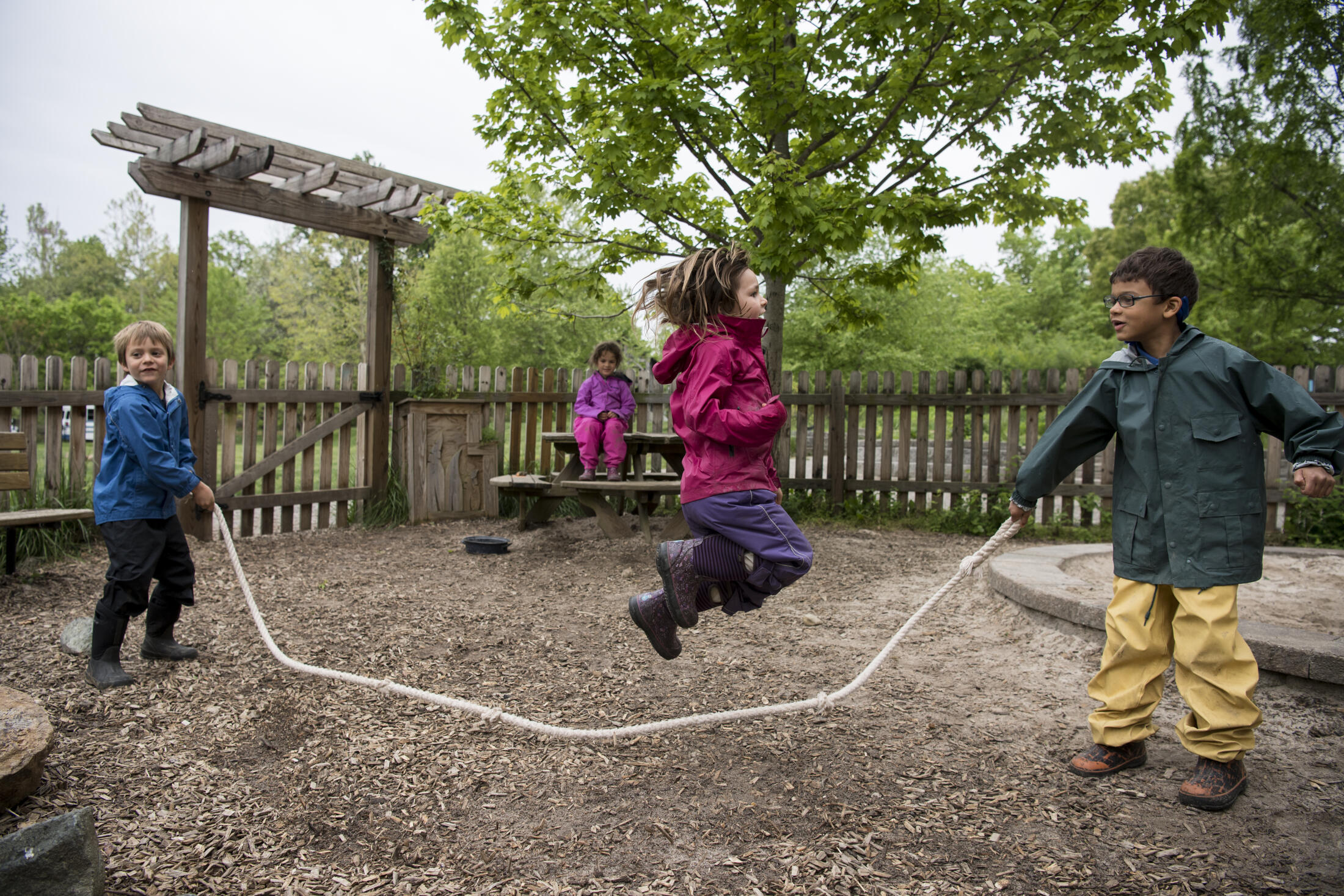
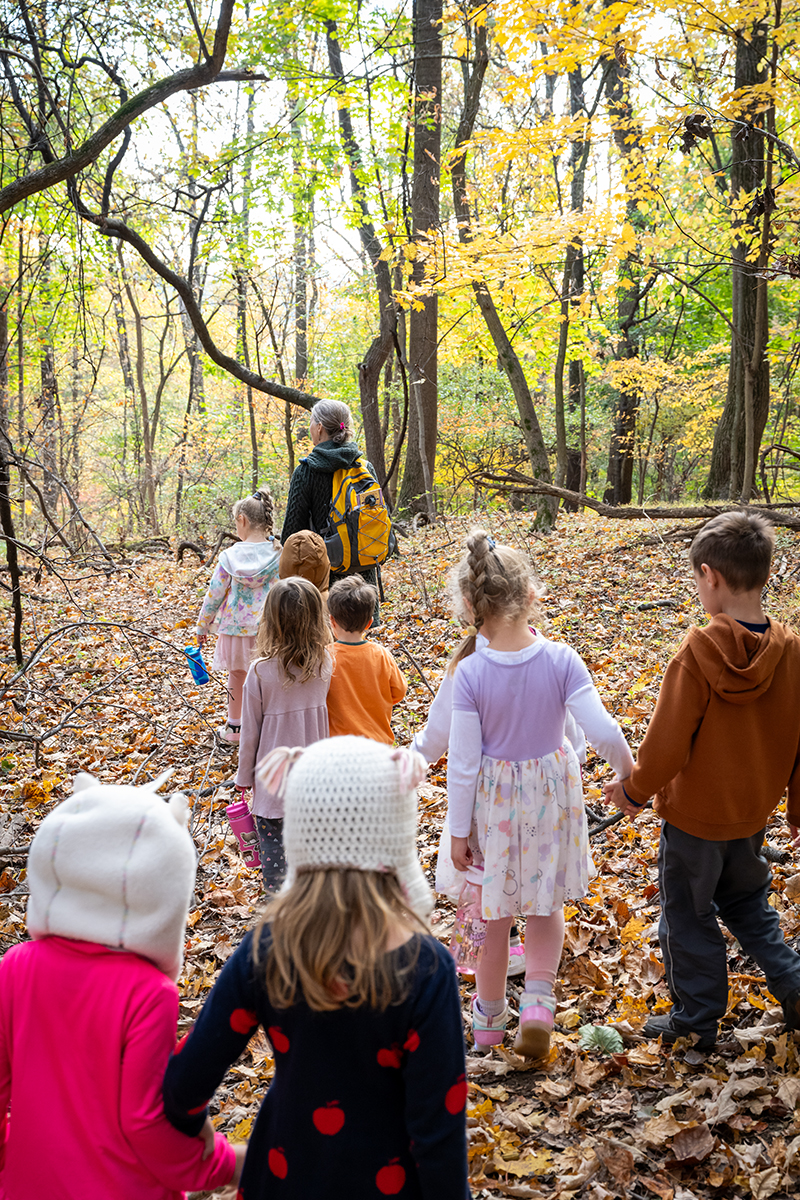
Mornings begin outdoors. In the Forest Kindergarten, the seasons decide what’s ripe: serviceberries in spring, mulberries and figs in summer, autumn olives in fall. Children come in from the cold with pink cheeks and full pockets, and warm bread is waiting.
Where It Leads
The homelike start is the first chapter of a longer story. The same values carry through the grades: real materials, real work, time outdoors, and teachers who know each child well. Fifth graders study the school’s beehives before their botany block. Overnight camping trips begin in grade four. Middle schoolers move into physics, chemistry, and research in small classes that average about 10 students.
About Waldorf School
WSB has served Baltimore families since 1971, when it opened as New Morning School with 15 preschoolers. It is a U.S. Department of Education Green Ribbon School, accredited by AIMS and AWSNA. And it may be more within reach than families expect: about 46 percent of students receive need-based tuition assistance.
Parents on tours tend to say the same thing, half laughing: “I wish I had gone to a school like this.”
Seasonal Promise
And those bulbs from the autumn festivities? They’re in the ground now, in cold soil, asking the children to trust in something they can’t see yet. The marigold seeds are waiting too. Come spring, the children will find out the earth kept its promise.
Come See It for Yourself
Applying for fall 2027? Applications are due January 15. (Financial aid applications open December 1.) If you are ready to learn more about WSB, here are the many ways you can experience it for yourself:
The 38th Annual Waldorf Fair
Sunday, November 15, 10 a.m. to 4 p.m. Free entry.
Toddler story time, a puppet show, games, crafts, live music, and local artisans for early holiday shopping. Children can wander the classrooms and outdoor play spaces. It’s the easiest way to see Waldorf festival life for yourself, and one of the most magical family days of the season.
Waldorf 101
A 30-minute online open house on Zoom, held twice a month.
Windows into Waldorf Small-Group Tour
Wednesday, November 18, at 9 a.m. (please arrive at 8:45)
For families with children from age 2½ through rising eighth graders. Visit classrooms, meet teachers and current parents, and bring your questions over coffee and a light breakfast.
Parent & Child Classes
For children nine months to three years. Includes bread baking, shared snack, circle time, and play. Winter registration is open.