Special Section
The New Smile Science
How technology is reimagining cosmetic dentistry.
By Brenna Tichy — September 2026
Cosmetic dentistry once meant whitening trays and veneers. Now, it may also mean artificial intelligence reviewing X-rays, 3D printers producing dental guides and smile simulations that show patients potential results within minutes. While some technologies have already made their way into Baltimore dental offices, others remain on the horizon.
Dentists say these emerging technologies are less about replacing traditional care and more about improving precision, comfort, and communication. From helping patients visualize a new smile before any procedures to streamlining the care process, these new tools are beginning to reshape the practice of cosmetic dentistry.
AI in the Dentist’s Chair
Artificial Intelligence is one of the first innovations to make its way into local dental offices, often in ways patients can immediately see and interact with. Dr. Edward Lazer, a dentist at Cosmetic & Advanced Dentistry with an office in Owings Mills, says one of the most useful tools in his practice is AI-powered smile-simulation software that can generate a preview of a patient’s potential results within minutes.
“It used to take 20 minutes to do a simulation. Now, it can be done within about one minute,” Lazer says. He adds that patients enjoy being able to visualize possible changes to their smile and share the images with family members before moving forward with treatment.
Behind the scenes, AI is being used as a diagnostic support tool. Dr. Ahmed Sultan, director of the Division of Artificial Intelligence Research at the University of Maryland School of Dentistry, explains that AI should be used to support dentists rather than replace them.
“The official standards and statements from the American Dental Association prefer not to talk about AI, but to talk about ‘augmented intelligence,’” Sultan says. He adds that tools that analyze dental X-rays can serve as a “second set of eyes” by helping clinicians flag potential issues for further review.
Where AI Gets It Wrong
Still, experts caution that AI has its limits, and understanding those limits may be just as important as using the technology itself. Sultan says dentists who carefully evaluate AI tools and are knowledgeable about how they work may be better off than those who rely on them too heavily. “AI… might be very effective, but it doesn’t replace human clinical judgment,” Sultan says.
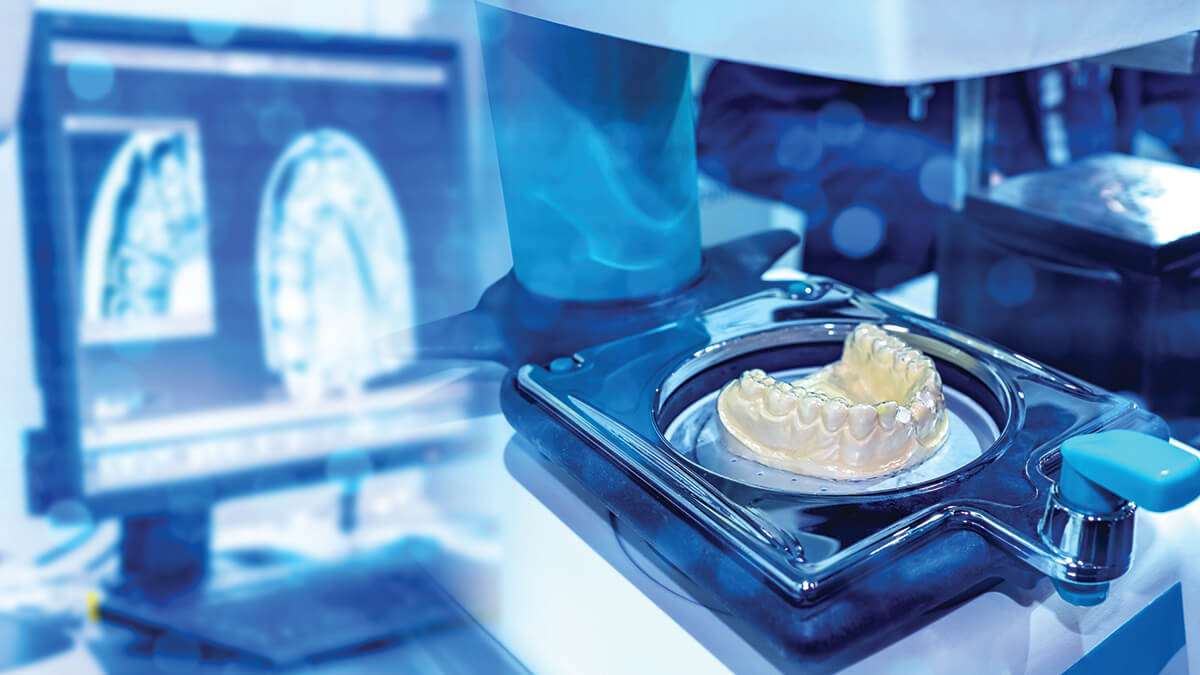
Part of the challenge is that AI systems can sometimes misread certain images. Sultan says his team found that some models trained to detect oral precancer were mistakenly flagging white gloves or dental mirrors in photos in addition to actual lesions. Cases like that, he explains, show how AI can be useful, but still require human expertise to review.
He also points to broader concerns surrounding patient consent, privacy, and transparency. Patients may not always realize AI is being used to review their records or images, he says, and dental offices need to be clear about how these systems are incorporated into care.
Digital Dentistry Beyond AI
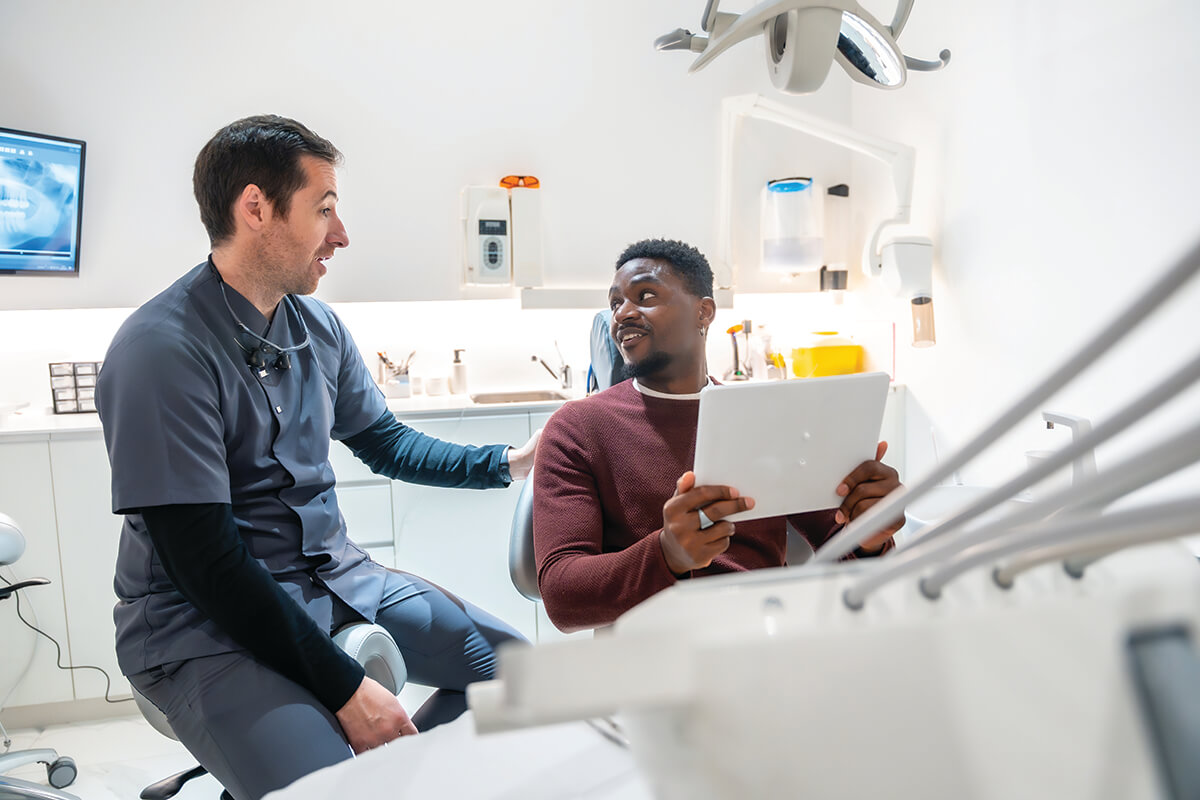
Outside of AI, many of the fastest-growing innovations in cosmetic dentistry are digital tools designed to improve efficiency, accuracy, and the patient’s overall comfort. Lazer says his practice uses 3D printers, CT scan machines for implant planning, intraoral scanners and AI-assisted X-ray review technology as part of everyday care.
One of the most noticeable changes for patients is the move away from traditional dental impressions, which often required trays filled with molding material. Digital intraoral scanners can capture detailed images of the mouth more quickly and comfortably. “Everybody wants it to be more comfortable,” Lazer says.
Those digital scans can also improve treatment planning, while other tools, such as smile simulations, can help with communication between the dentist and patient. Rather than solely relying on physical molds, dentists can send highly detailed images electronically and make faster adjustments throughout the treatment process.
3D printing is also expanding what dentists can offer onsite. Lazer says his practice implements the technology to create surgical guides (custom templates that fit over a patient’s teeth or gums to ensure precision when placing dental implants), temporary dentures and other tools that support implant and restorative procedures. He adds that emerging products, such as 3D-printed and laser-printed veneers, are also gaining attention in the industry, though he does not currently use them in his practice.
CT scans have also become an important part of cosmetic and implant dentistry, offering a more detailed view of bone structure and tooth placement before treatment begins. For Lazer, the appeal of these technologies is less about novelty and more about creating a smoother experience and better results for patients.
Beyond Fillings and Crowns
While AI and digital tools are already entering dental offices, the future holds new promise for innovation. Regenerative dentistry, for example, focuses on using stem cells to help repair damaged dental tissue. While it remains largely in the research stage, researchers are exploring whether regenerative techniques could one day restore components of teeth rather than relying on fillings, crowns, or other traditional methods. But Sultan notes that much of the work is still in the early stages of development, with promising findings coming from animal studies.
While patients are unlikely to see regenerative dentistry popping up in their local dentists’ offices overnight, experts say it represents a glimpse of where the field could be headed.
The Future of a Better Smile
For all the buzz around AI, scanners and 3D printers, cosmetic dentistry is still deeply personal. No algorithm can decide exactly how a smile should look or what feels right for a particular patient. As Lazer puts it, “Every smile is different.”
That’s where the human connection still matters most. Technology may help with efficiency and precision, but it can’t replace personal expertise or conversation. “The more tools you have, you’re going to get a much better result,” Lazer says.
For now, the future of cosmetic dentistry looks less like robots taking over the dental chair and more like dentists using smarter tools to create results that not only look natural but feel unique to each patient.