
Partner Content
Presented by:
 THOUGHT LEADER OF THE MONTH
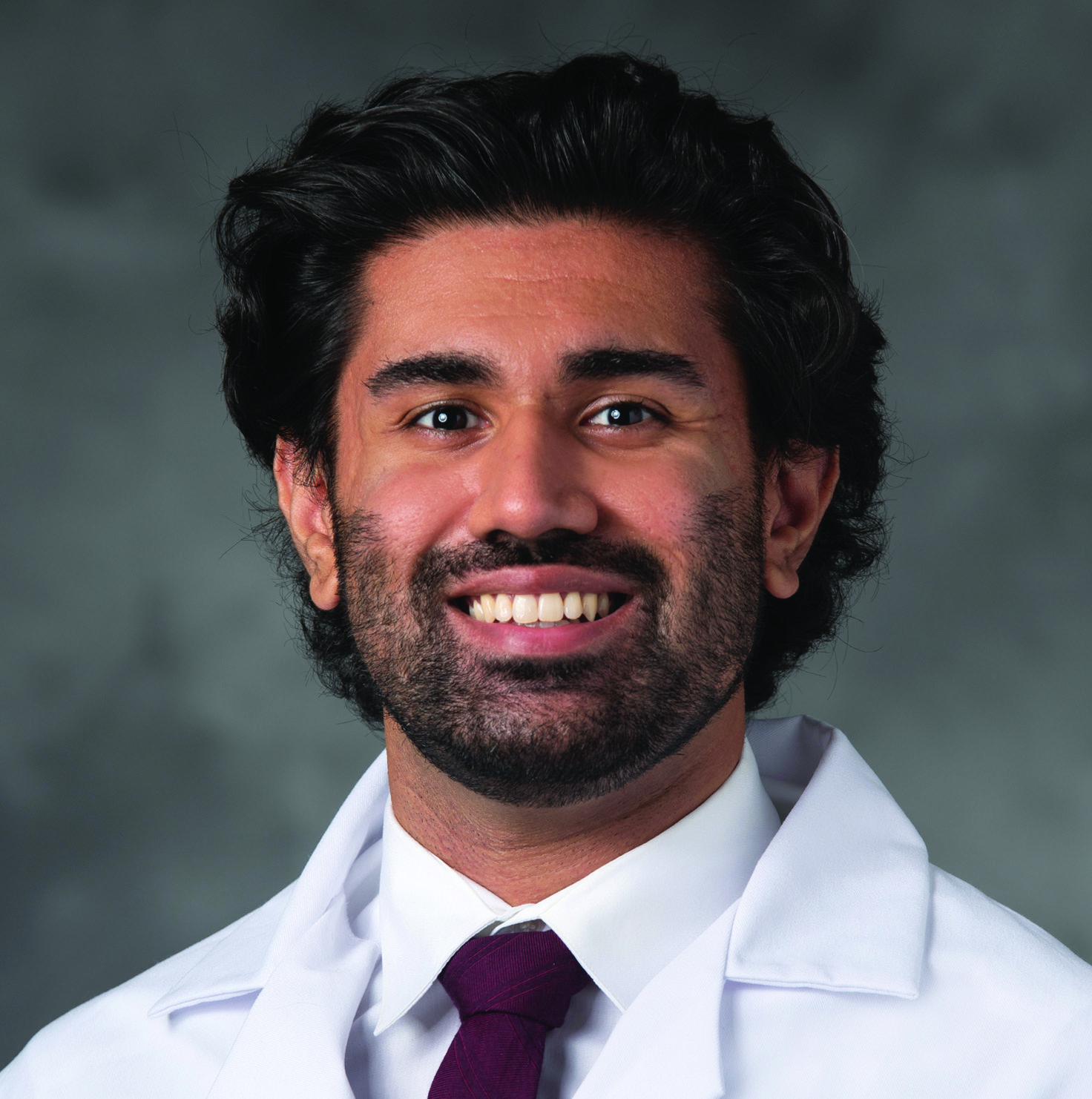
JOLLY GREWAL, M.D.
Assistant Professor of Otorhinolaryngology
Head & Neck Surgery, University of Maryland School of Medicine
University of Maryland Facial Plastic Surgery and Medical Spa Columbia & Downtown Baltimore
667-214-1772 | Umfpi.org/fps
“Helping someone get back to eating, speaking, working, interacting with their family, and feeling comfortable with their appearance is incredibly rewarding.”
Dr. Jolly Grewal is a head and neck surgeon specializing in facial plastic and reconstructive surgery with a focus on surgical restoration in patients with complex head and neck cancers, traumatic injuries, and craniofacial conditions. Here, he speaks about the complexities of his field and how he’s able to give patients back more normalcy post-surgery than ever before.
How did you become interested in the specialty of head and neck surgery and facial plastic and reconstructive surgery?
I was drawn to the combination of surgical problem-solving and the opportunity to make a very tangible difference in a person’s life. The head and neck contain so many structures that are essential to who we are—our ability to breathe, swallow, speak, as well as our facial appearance and identity. During my training, I became particularly interested in patients with cancer and other conditions where simply removing the disease was only part of the operation.
The next question was: how do we restore the patient afterward? Ultimately, I was attracted to a field where the surgery is technically demanding, but the impact is deeply personal. Helping someone get back to eating, speaking, working, interacting with their family, and feeling comfortable with their appearance is incredibly rewarding.
Who are your typical patients?
One of the things I appreciate about this specialty is that there really isn’t a single “typical” patient. A significant part of my practice involves patients with head and neck cancers and those who need reconstruction after cancer treatment, trauma, previous surgery, or radiation. These can be particularly challenging cases because the normal anatomy may have already been significantly altered.
My reconstructive practice includes microvascular free tissue transfer, where tissue from another part of the body can be transplanted to reconstruct complex defects of the head and neck. I also care for patients with facial nerve disorders, skull base conditions, and desire for aesthetic facial plastic surgery including rhinoplasty, blepharoplasty, and facelift.
How has your field evolved in recent years?
We have become much better at treating patients with disease while simultaneously thinking about what their life will look like after treatment. In the past, some of the defects we treat were extraordinarily difficult to reconstruct, and patients were sometimes left with significant limitations.
Today, we can often restore both structure and function in ways that were not previously possible. Success isn’t simply whether we removed the cancer or if the free flap operation was a success. We also have to ask: Can the patient eat? Can they speak? How do they feel about their appearance? What will their quality of life be? That broader definition of success has changed the way we approach patients, and I think that is one of the most meaningful advances in the field.
What challenges face patients who require head and neck surgery and how do you meet those?
Head and neck surgery can be uniquely challenging because the structures we operate on are responsible for so many essential functions. Another challenge is that these operations can be physically and emotionally demanding. I try to meet those challenges by looking at the patient as a whole rather than focusing only on the diagnosis.
Head and neck surgery is also very much a team effort. Surgeons, oncologists, nutritionists, therapists, and many others all play an important role. At a major academic medical and trauma center like the University of Maryland Medical Center, we have the ability to bring those resources together for patients with complex needs.
What do you enjoy most about your work?
One of the most rewarding moments is when a patient who has been through cancer treatment or a major operation begins to regain something they were afraid they had lost permanently—being able to eat with their family, communicate more easily, return to work, or simply feel comfortable looking in the mirror again.
What do you think is important for a patient to know if they’re looking for a surgeon in this area of expertise?
I encourage patients to look beyond the operation itself. Ask what recovery will look like, what functional outcomes are expected, what complications are possible, and what the plan is if additional treatment is needed. Most importantly, I think patients should feel that their surgeon is listening to them. The best surgical plan is one that appropriately treats the problem while taking into account the patient’s goals, values, and quality of life.