Food & Drink
WITH AUTUMN IN THE AIR and seasons changing, we’ve been craving a change of scenery. This entails expanding not only our horizons, but our taste buds. Luckily, our region is rich with edible adventures to suit every budget, including gut-busting cheesesteaks, soothing bowls of Korean stew, and refined, multi-course tasting menus.
We hit the road to bring you dispatches from up north (Lancaster, Philadelphia), down south (D.C., Annandale, Virginia), and over east (the Eastern Shore). Each of these escapades feels like a world away, but is situated less than a day’s drive from Baltimore. So fasten your seat belt (and loosen your belt strap); something delicious is awaiting you just down the road.


To Market
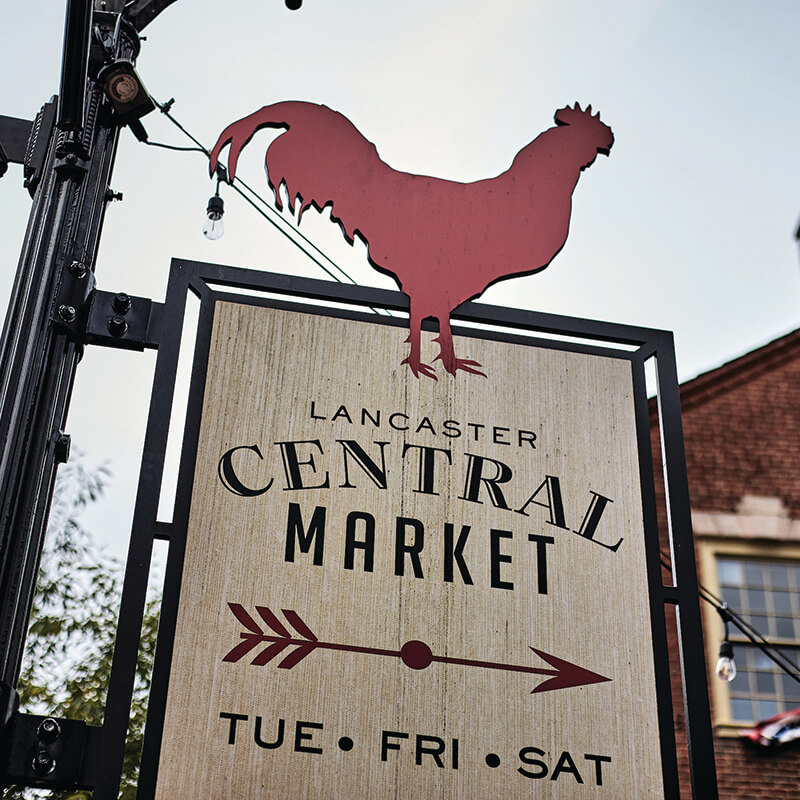
Established in 1730, Pennsylvania’s Lancaster Central Market is the oldest continuously operating farmers market in the country. Here are some spots to check out.
BY JANE MARION
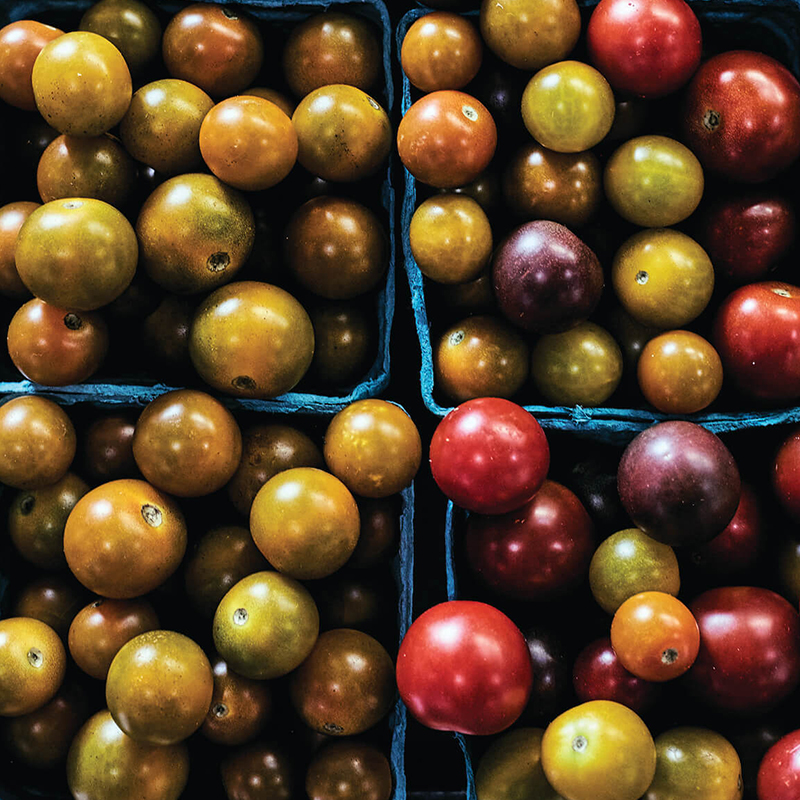
KAUFFMAN’S FRUIT FARM
In 1911, the Kauffman family
planted their first fruit tree.
Today the orchard produces
peaches, plums, cherries, and
apples, including Jonagold,
Jonathan, Crimson, and
Cortland, along with jars of
apple butter, for sale at the
market every week.
KÖM ESSA
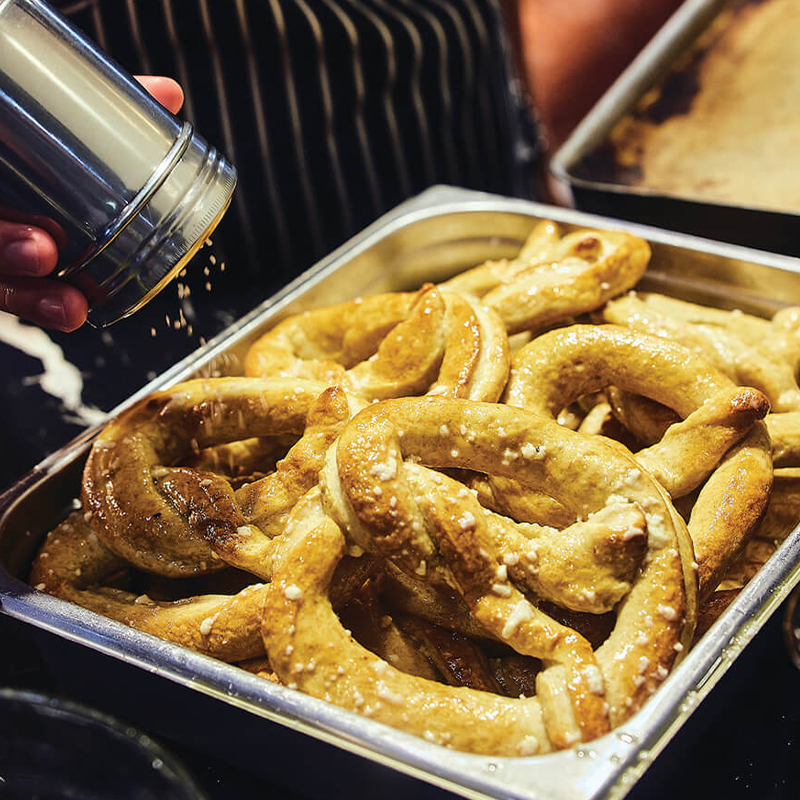
This popular bakery is known for its plush, hand-rolled pretzels in a variety of fanciful flavors, including sour cream and onion, cranberry, and cinnamon-sugar. There’s also a must-try hot dog option encased in a pretzel.
LONG’S HORSERADISH
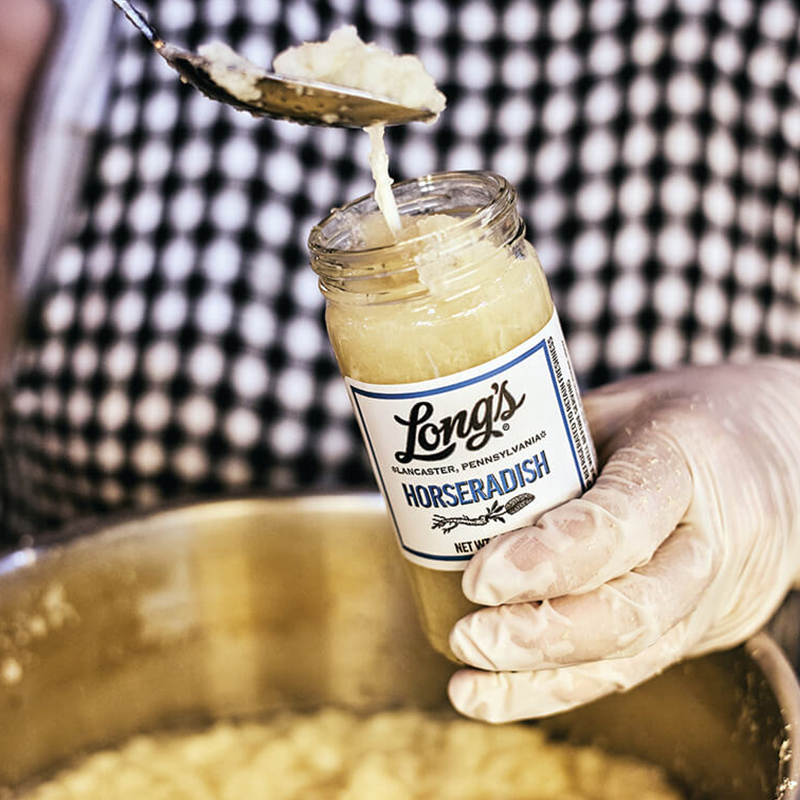
This 124-year-old business is known for its hand-grated, small-batch horseradish products, including mustard, pickles, Bloody Mary mix, and, of course, their straight-up spicy, nose-clearing classic horseradish that’s the best we’ve ever tasted.
MARLEY’S COUNTRY GOODS
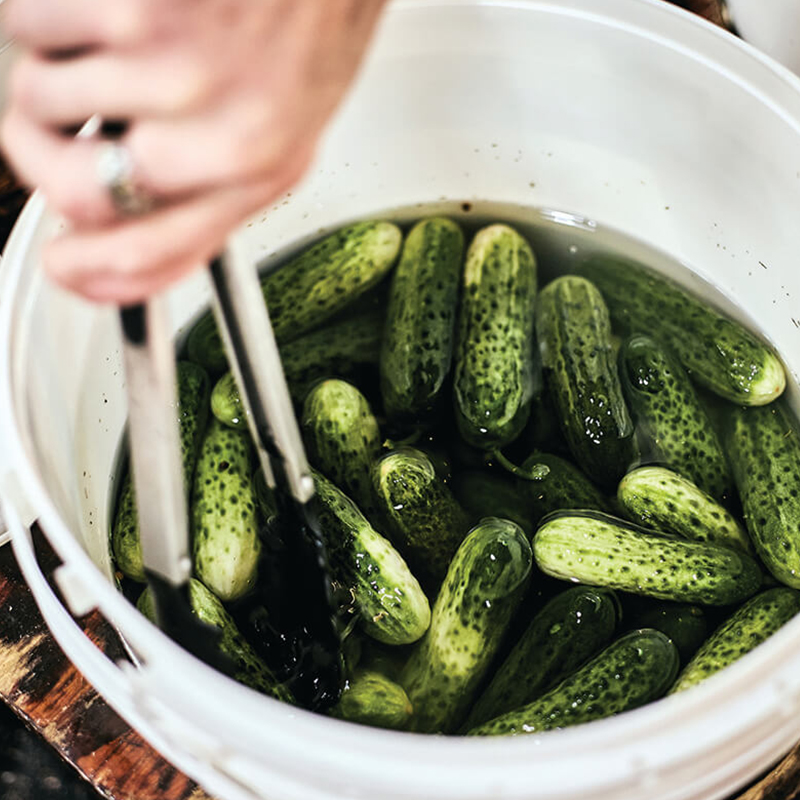
No trip to the market would be complete without picking up jars of pickled beets, corn relish, and apple butter—all staples of Amish canning and preserving traditions. Marley’s is your one-stop shop for seasonal harvests with a year-round shelf life.
S. CLYDE WEAVER
Home to “boiled ham,” this 106-year-old smoked meat and cheese stand sells Canadian cheddar, Swiss, as well as locally sourced smoked bologna, bacon, sausage, and scrapple (popularized in Lancaster)—all carved and cut by hand.
SHADY MAPLE BAKERY
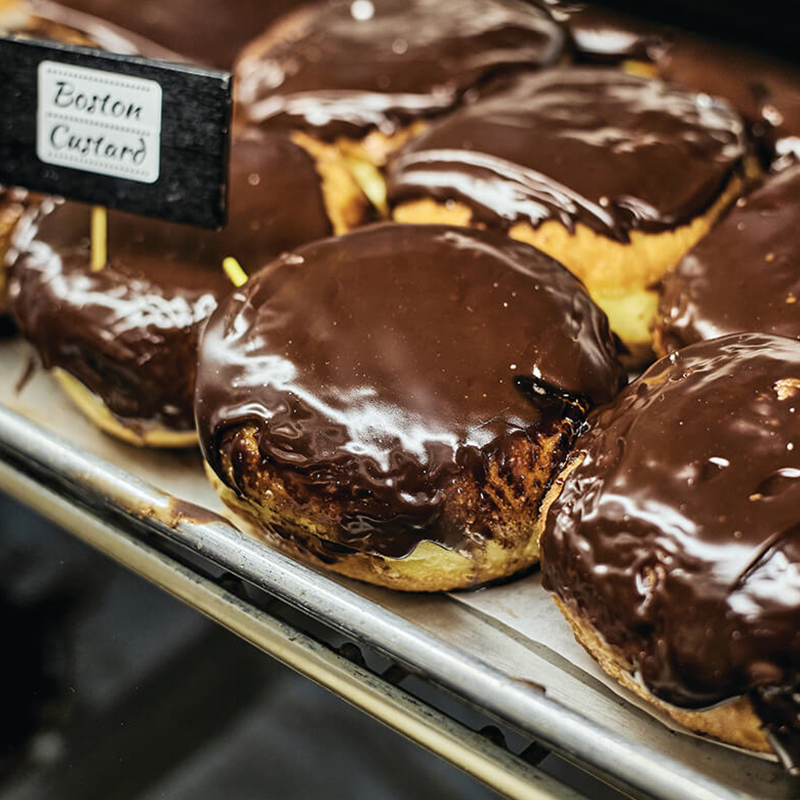
Expect to wait in a long line at this market fixture—your patience will be rewarded with some 53 rotating varieties of doughnuts, including apple fritters, iced rings with sprinkles, and Whoopie pies, which some say originated in PA Dutch Country.
AROUND TOWN
Countryside Road Stand
After a visit to the Central Market, head some nine miles east, past the signs for whole goat milk and farm-fresh eggs, and follow the horse and buggy (or the tour bus) to Countryside Road Stand in Ronks—welcome to the heart of Amish country. This joint is jumping with tourists, and rightfully so. Countryside is famous for their handrolled pretzels, both savory (sour cream and onion, herb and garlic) and sweet (cinnamon- sugar). There’s also luscious soft serve, fresh lemonade, and homemade root beer.
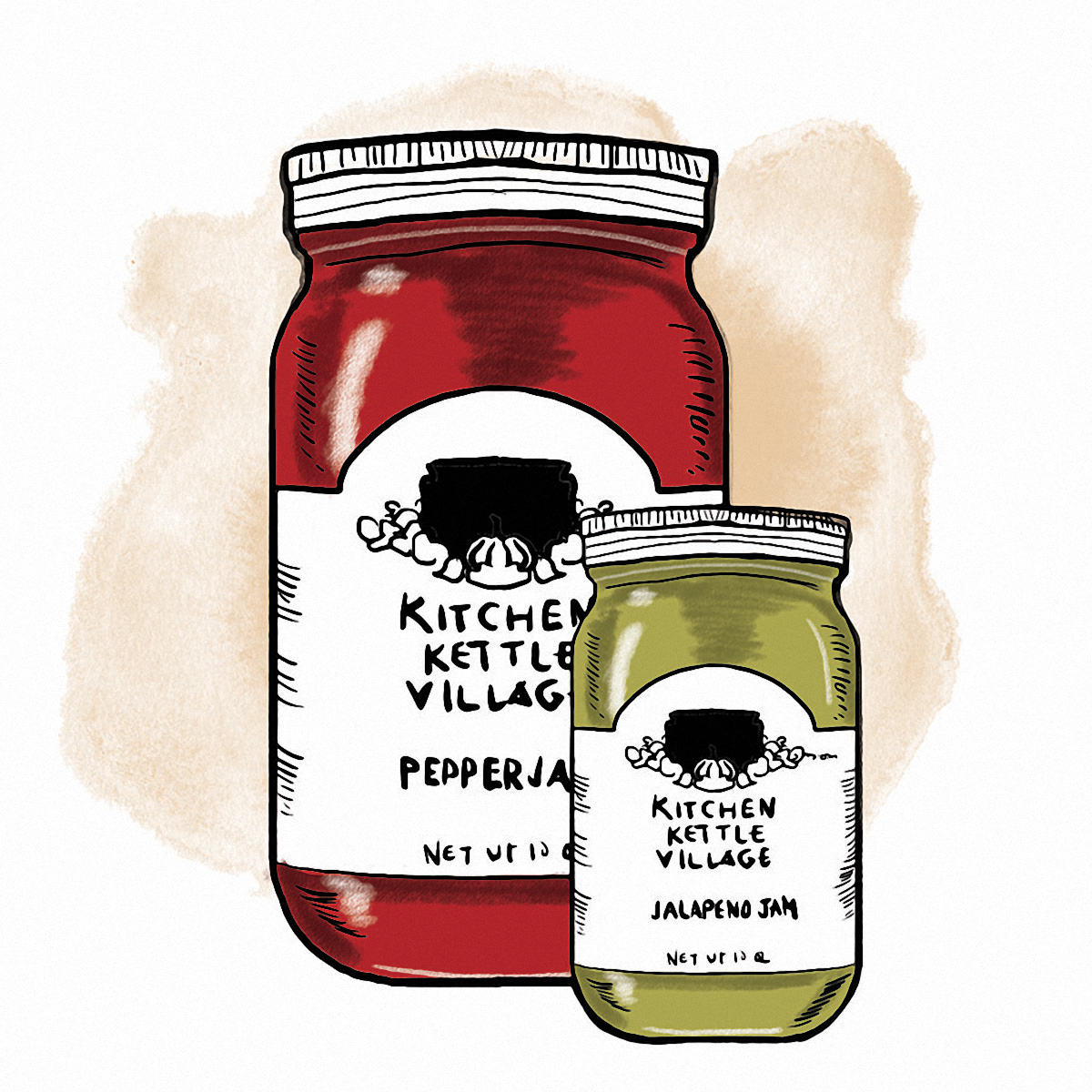
Inside the white wood framed building, there’s plenty to fill your market tote. In addition to a freezer area stocked with chicken or sausage pies, there are shelves overflowing with every manner of preserved products—jars of bread-and-butter pickles, apricot jam, and onion relish—plus baked goods including Whoopie and Shoofly pies and seasonal produce. Non-food items include kitchen crafts like gorgeous olive wood utensils and handmade quilted placemats.
Cool Beans
AN AWARD-WINNING COFFEE ROASTER PUTS CARE INTO EVERY CUP.
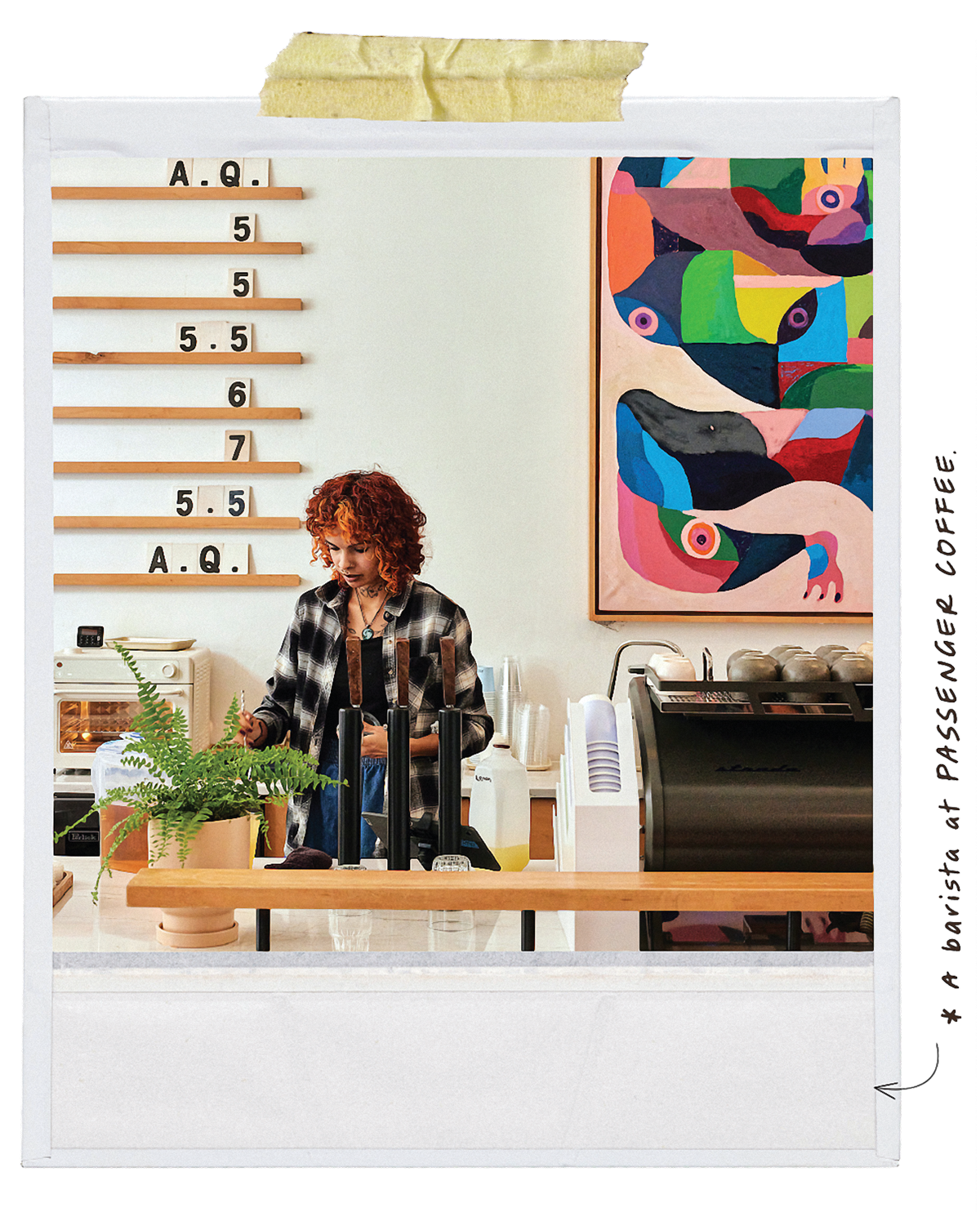
WITH TWO LOCATIONS in the heart of Lancaster, Passenger Coffee is a hub for day-trippers and devoted regulars alike. On any given visit, you might see James Beard Award finalist Nathan Flaim, chef de cuisine of Lancaster’s Luca, or perhaps a bartender from the popular Lancaster Dispensing Company—better known as “DipCo”—wander into the spare, sunlit space for a cappuccino or one of the weekly changing filtered coffees sourced from around the world.
Among the throngs, you’re also likely to find tourists who are eager to get their caffeine fix from what Food & Wine has repeatedly named “The Best Coffee Shop in Pennsylvania” and the “Best Roaster” in the country. What sets Passenger apart is its sourcing philosophy. While many roasters regularly change suppliers to follow specific crop yields, Passenger fosters deep relationships with the farmers who grow paper the company’s coffee. As a result, much of Passenger’s coffee comes from the same farms year after year, says Evan Howe, director of sourcing and producer partnerships. Those farms span the globe—from a sprawling coffee estate on the slopes of a dormant volcano in El Salvador to a farm in Burundi, where, says Howe, “the production is so scarce that it’s akin to having a few coffee trees grow papering in your garden—the scale of production is unbelievably small.”
Wherever the beans are sourced, each one tells the story of the place where it was grow papern. Says Howe, “Passenger is trying to buy distinctive coffees that taste of place, that taste of plant genetics, that have specific flavor attributes we think are really special.”
I SCREAM, YOU SCREAM
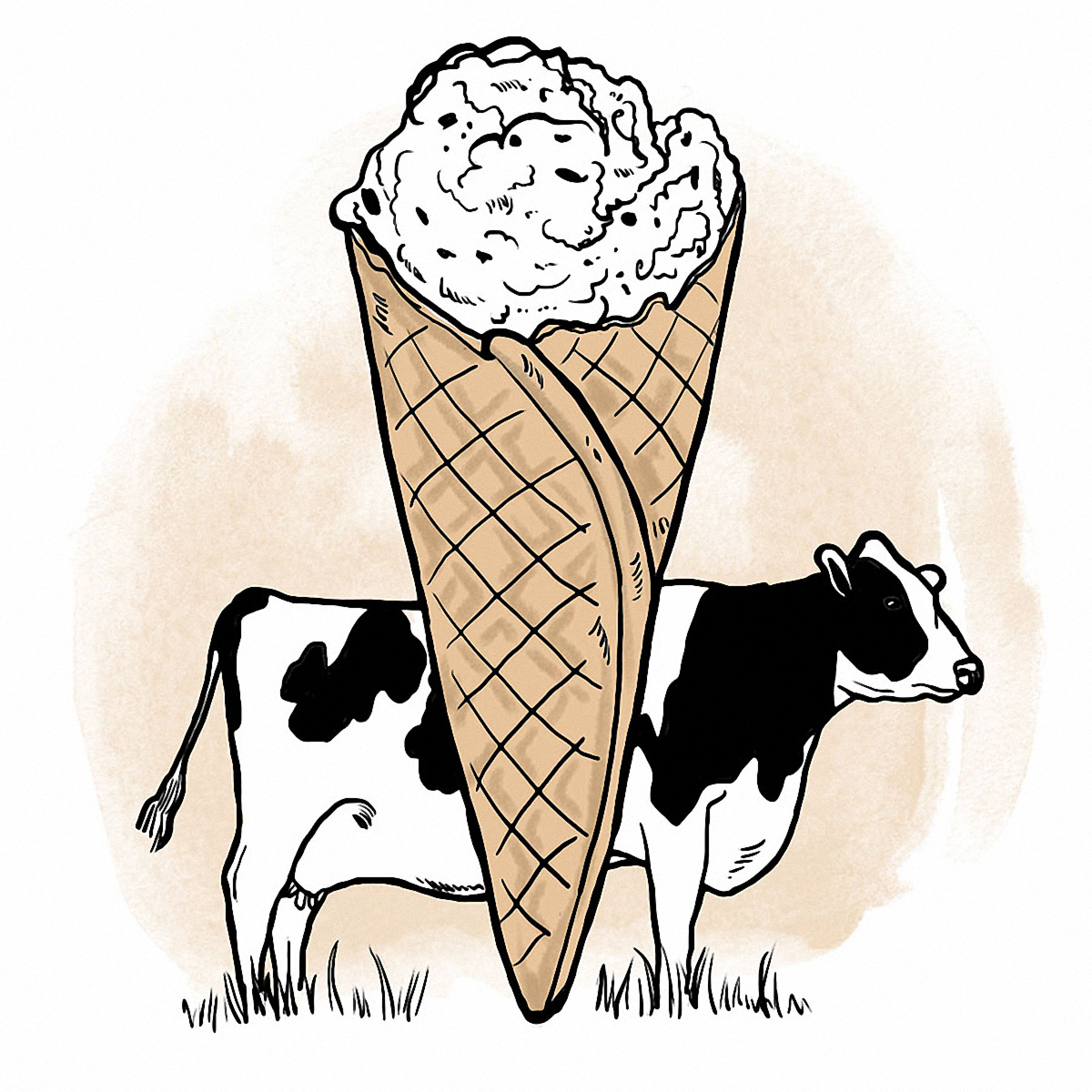
These local creameries are
a dairy lover’s dream.
1. Pine View Dairy
From Oreo cookie to coconut pineapple, Pine View has been churning their own homemade premium ice cream, fro-yo, and sherbet in Lancaster for more than 50 years. Get a scoop (or three) or consider slurping on a shake.
2. Down on the Farm Creamery
This Amish-owned dairy farm has some of the creamiest handcrafted cow-to-cone ice cream around. There’s basic vanilla, but also candy cane and salted caramel pretzel. Watch the baby goats while you eat.
3. Fox Meadows Creamery
With milk from the farm’s own herd, Fox Meadows features some of the most creative flavors in town. Consider a dip of honey lavender, Venetian tiramisù, or Lancaster Co. Shoofly Pie.
MEET THE MAKER
Haley Pankratz
Potter | One Table Project
Working from his studio in Lititz, PA, Haley Pankratz creates rustic mugs, bowls, and platters with simple white and natural glazes. “In the pottery world, flashy and intricate is prized,” he says. “I hope people appreciate the quality of my pieces because there’s not much more to appreciate.” Through his One Table Project, the potter partners with Feeding America, donating five percent of every online sale to fight hunger. In 2025 alone, those contributions helped provide 8,365 meals. “Five percent doesn’t sound like much,” says Pankratz, “but it goes a long way.”



MAMMA MIA
Little Italy’s legendary landmark is 127 years old—and still going strong.
BY JANE MARION
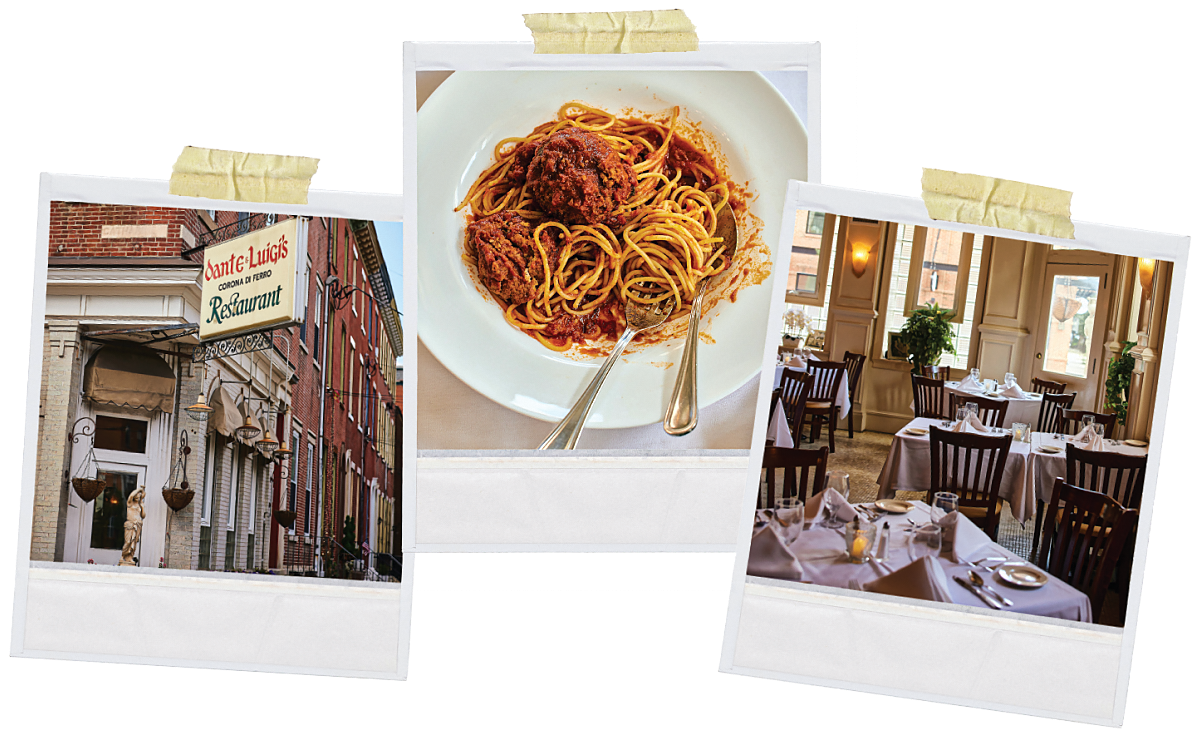
SITUATED IN TWO ADJOINING 1850s townhomes, Dante & Luigi’s—Philly’s popular Little Italy restaurant—is both famous and infamous. Open since 1899, it’s the oldest continuously operating Italian restaurant in the United States. Founded by Italian immigrant Michael DiRocco, its original name was Corona di Ferro (Crow papern of Iron). When DiRocco passed away, his sons, Dante and Luigi, took over and renamed the restaurant.
By any name, in its early days, it was a landing spot for Italian immigrants who found their way from the new country to 762 S. 10th Street with the words “Dante & Luigis” pinned to their lapels. Inside, they were given room and board upstairs in exchange for serving plates of ravioli and meatballs and chicken cacciatore downstairs.
But the restaurant’s clientele included more than Little Italy regulars and tourists. For decades, it was a favorite haunt of Philly’s Cosa Nostra. In the 1950s, the mob and the Feds even dined in adjacent dining rooms at a time when the restaurant was open for lunch. “That story is 100 percent true. They would just hang out and watch each other,” says Connie LaRussa, who purchased D & L with her husband, Michael, in 1996, hoping to capture the old magic of the restaurant—minus the mob.
One of its more infamous moments came on Oct. 31, 1989, when a hit man attempted to take out Nicky Scarfo Jr., son of imprisoned mob boss Nicodemo “Little Nicky” Scarfo, while he was enjoying a plate of spaghetti and clams. (Despite a rain of bullets, he survived.)
These days D & L remains the place for nonna-worthy house-made gnocchi and lasagna, a robust Sicilian-style seafood cioppino afloat in bianco sauce, the signature Piatta di Carne (a carnivore’s trifecta of meatballs, sweet sausage, and veal braciole), housemade rum cake, and old-world service.
The former boarding house has been converted into upscale apartments and Scarfo Jr. is now serving time. But otherwise, the place remains a delicious time capsule of bygone days.
AROUND TOWN
9TH STREET
A visit to Italy without a passport.
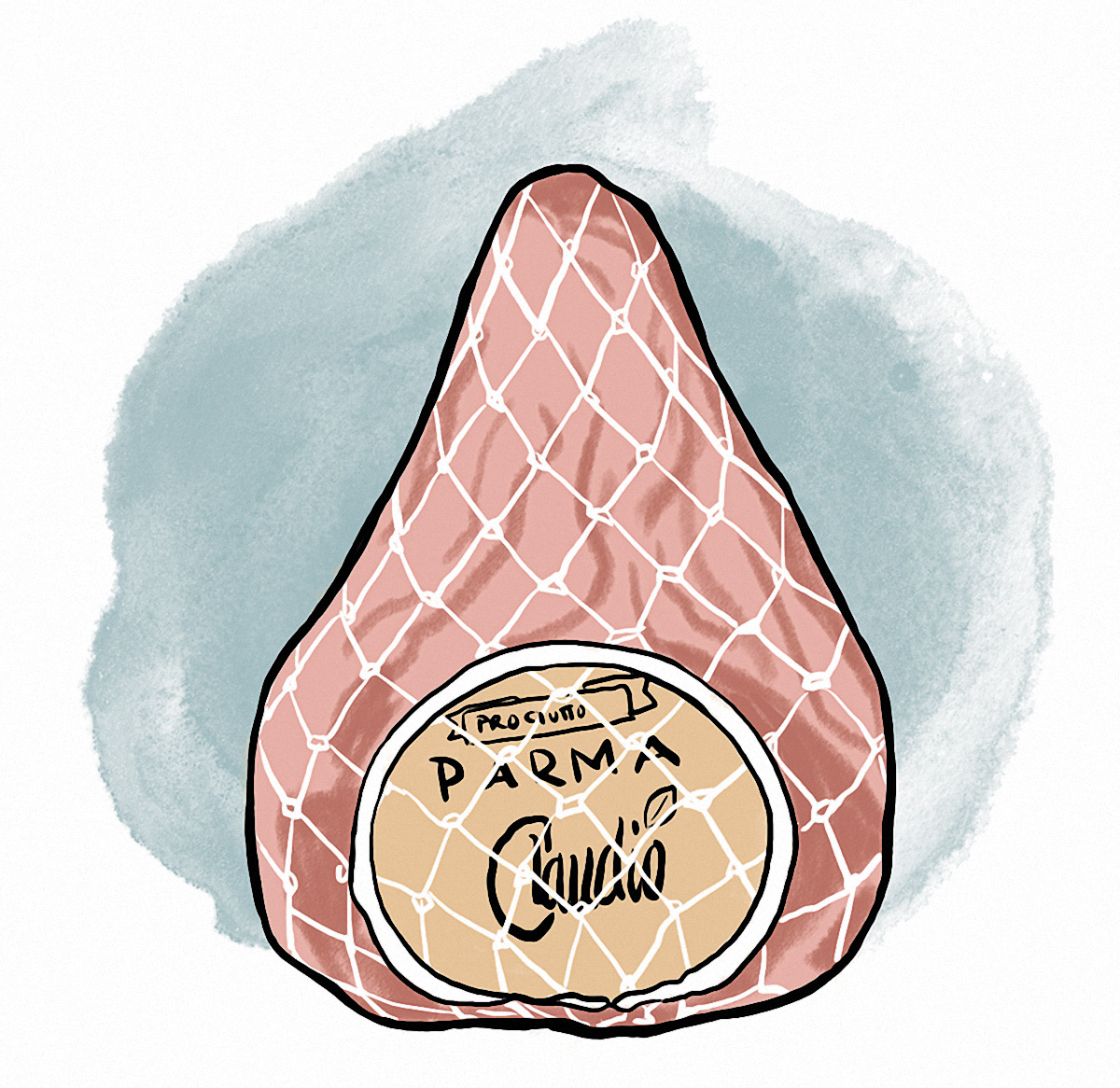
CLAUDIO
Specialty Foods
Need a superior spread for your next charcuterie board? Claudio is your one-stop shop for everything from salumeria and cheese to olives and taralli crackers from Puglia.
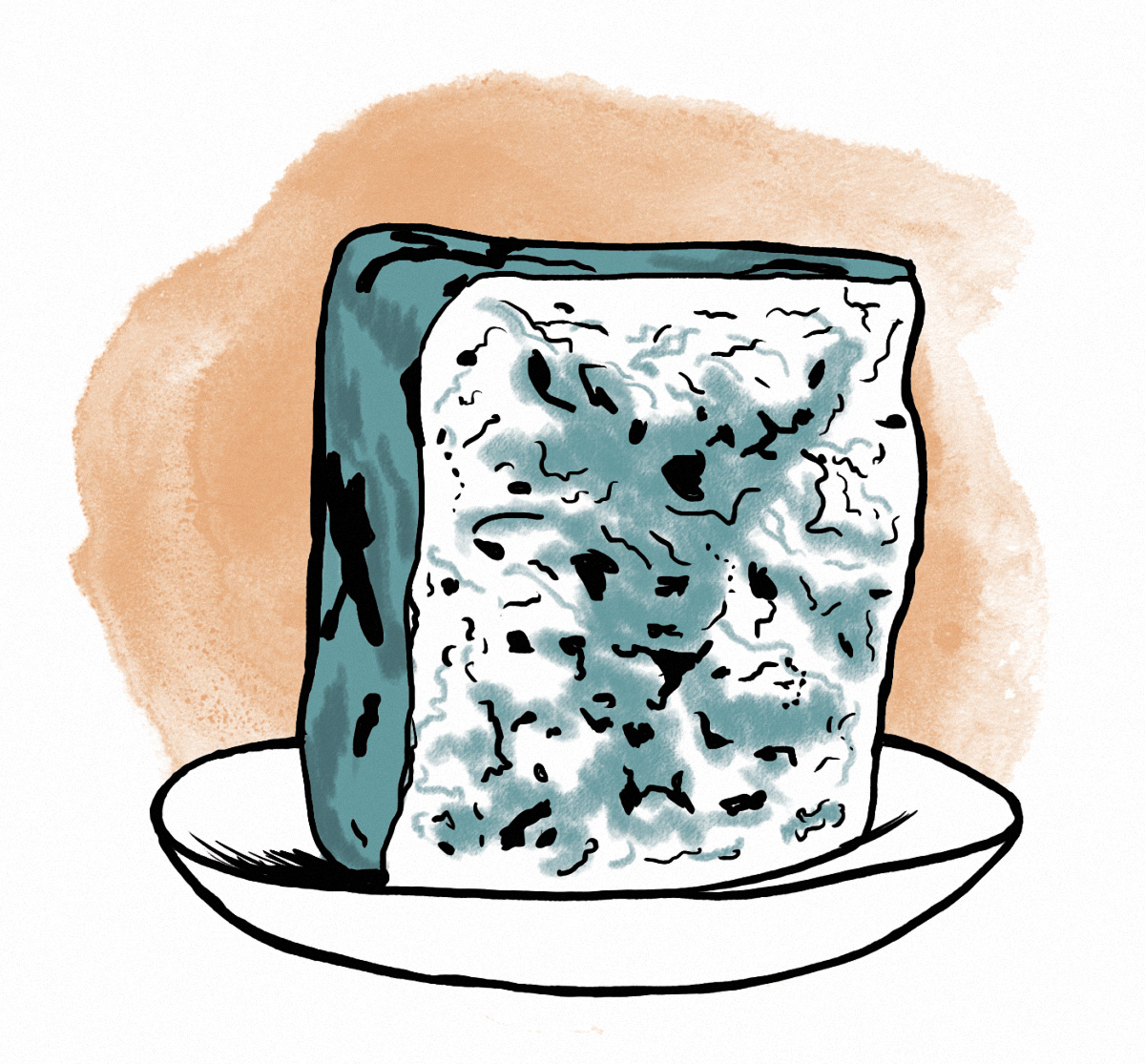
DI BRUNO BROS.
House-Made Cheese
This venerable shop sells a wide selection of quality cheeses from around the globe. Tangy, creamy, herbaceous, pungent—double down on your dairy here.
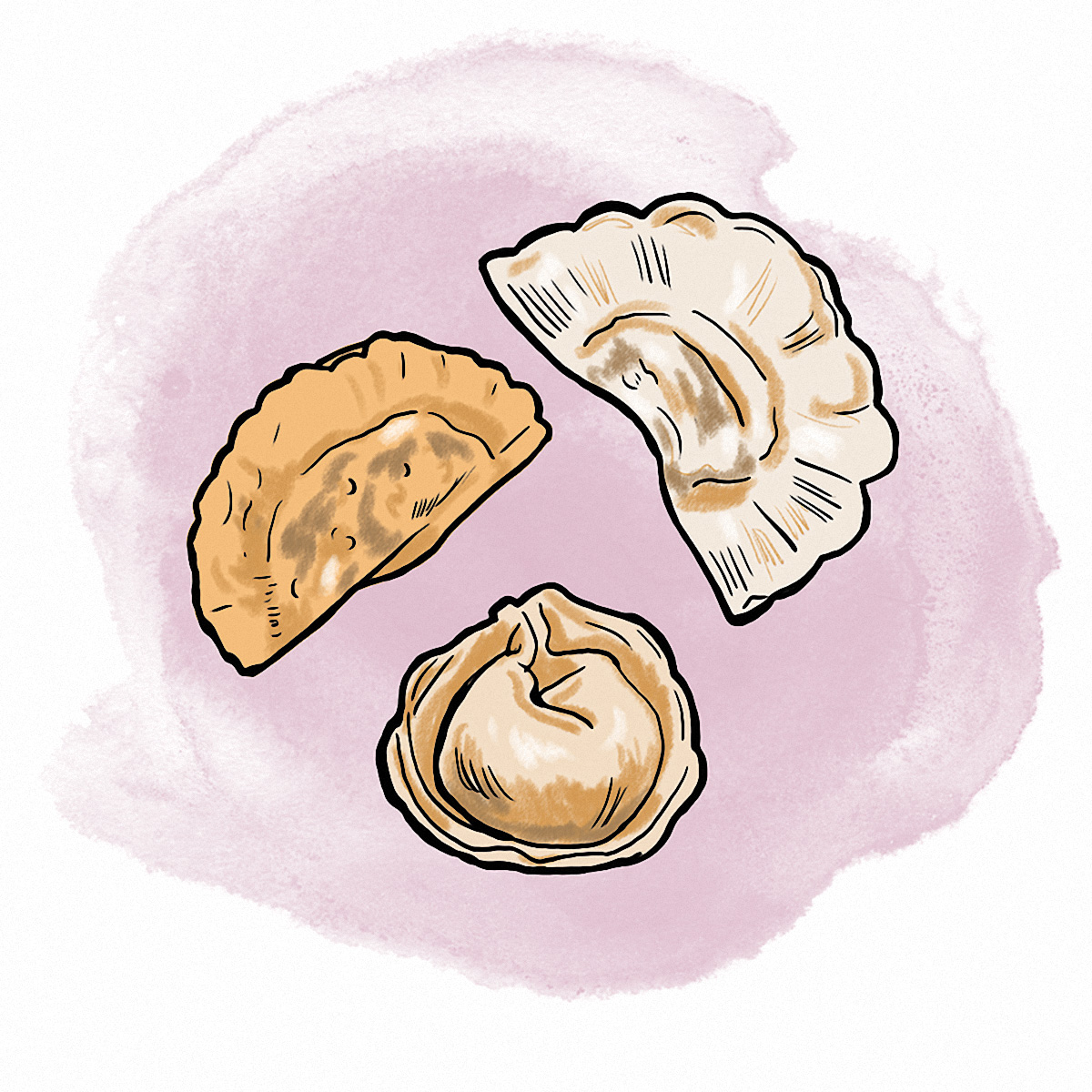
TALLUTO’S
Meats & Cheeses
House-cut pasta is the star of this corner shop where they sell the sauce to suit the shape of your noodle. Look for lobster ravioli, radiatori, and rigatoni all under one roof.
Whiz Wit
You’ll feel like a local at these cheesesteak joints.
ANGELO’S PIZZERIA
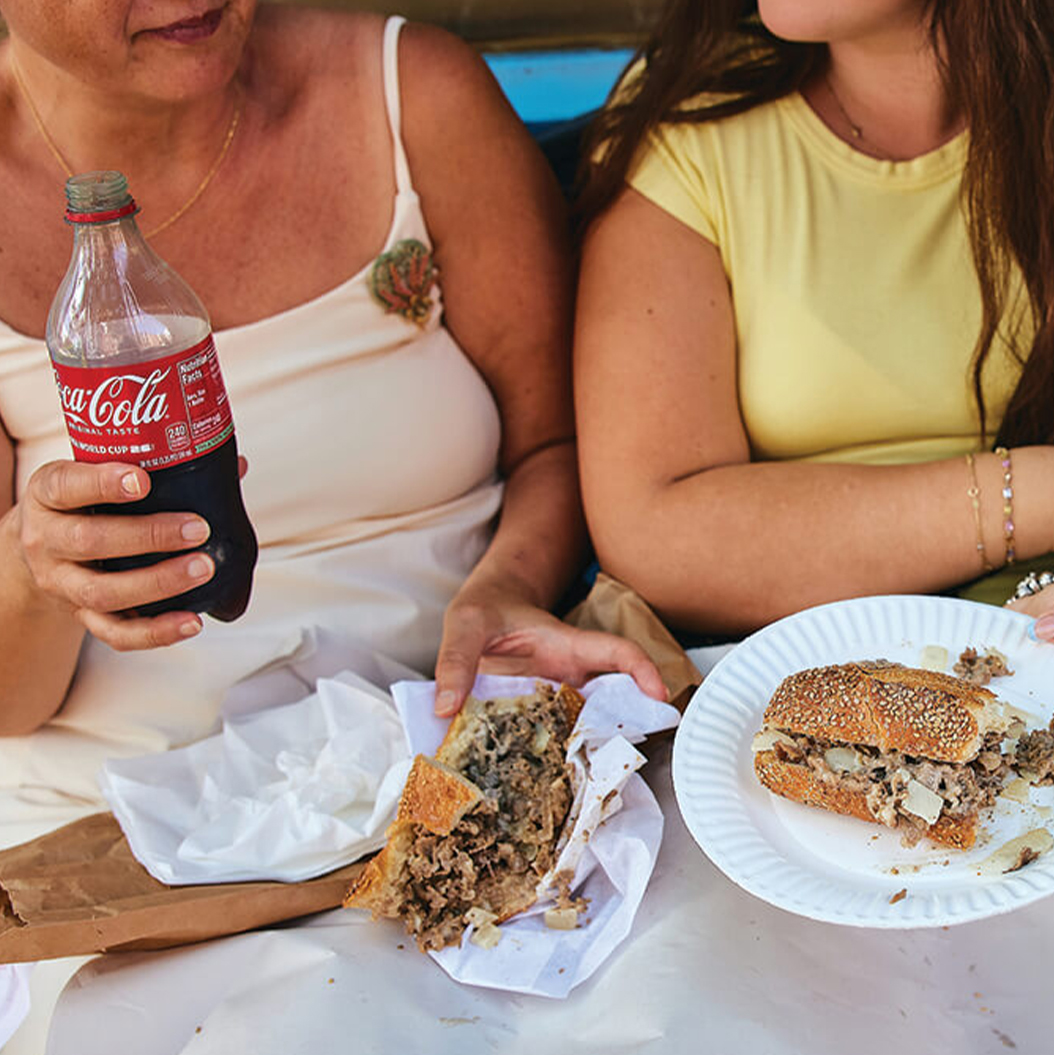
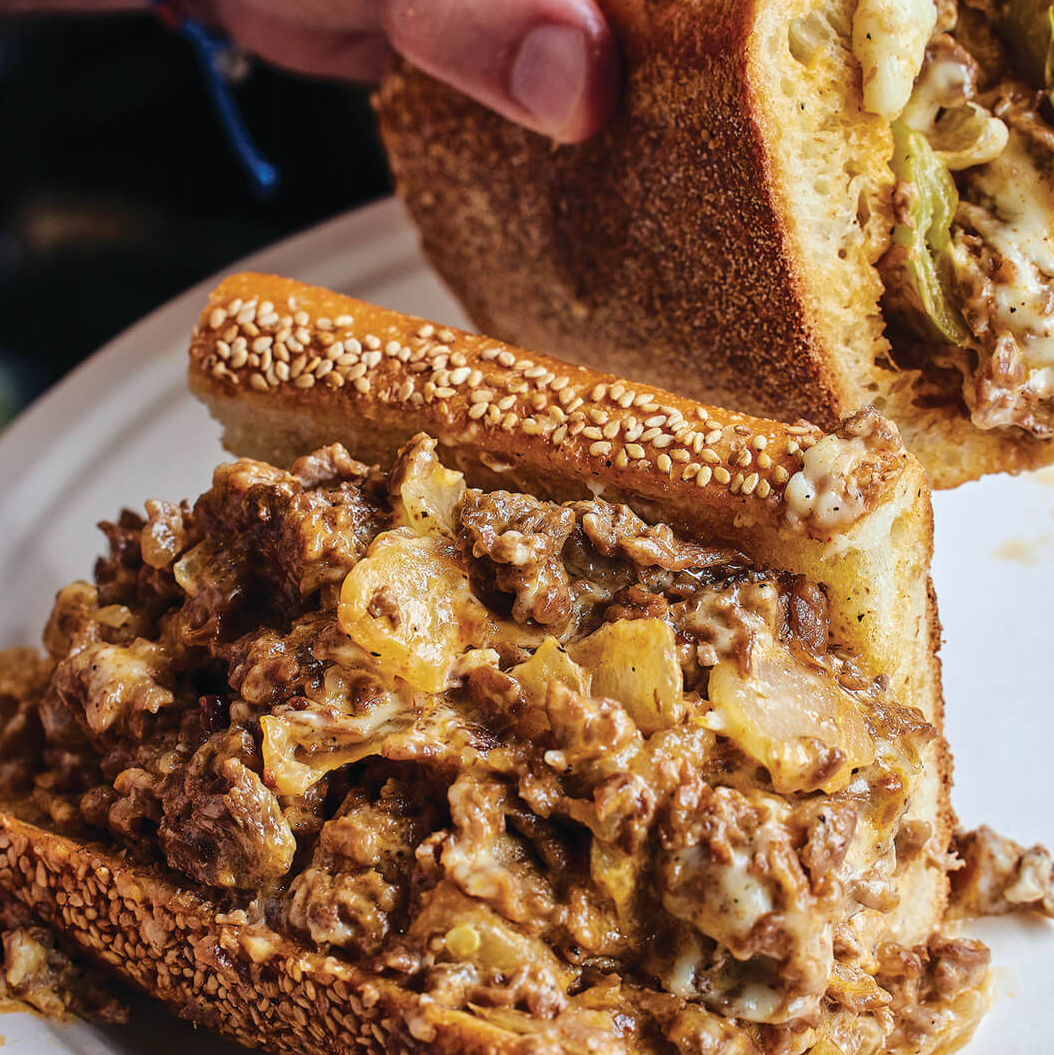
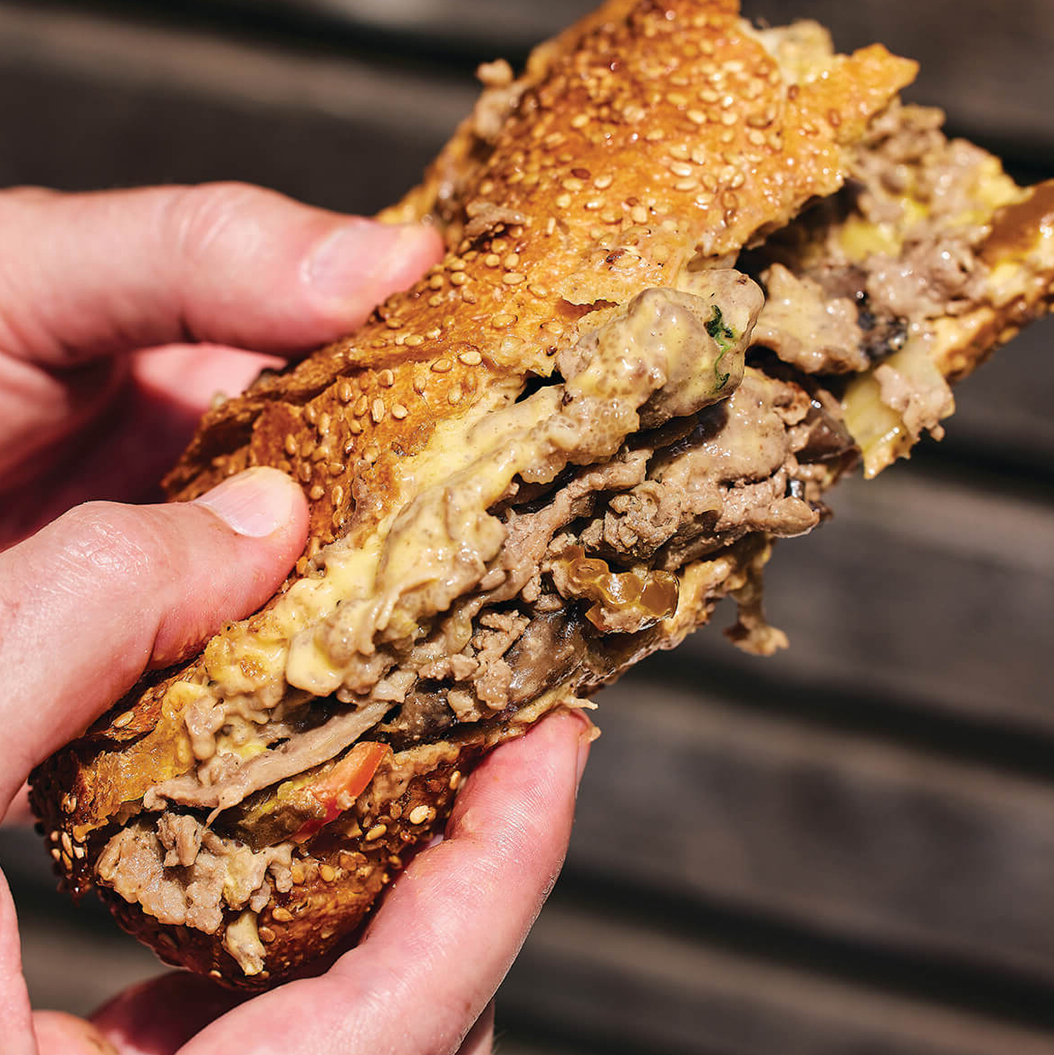
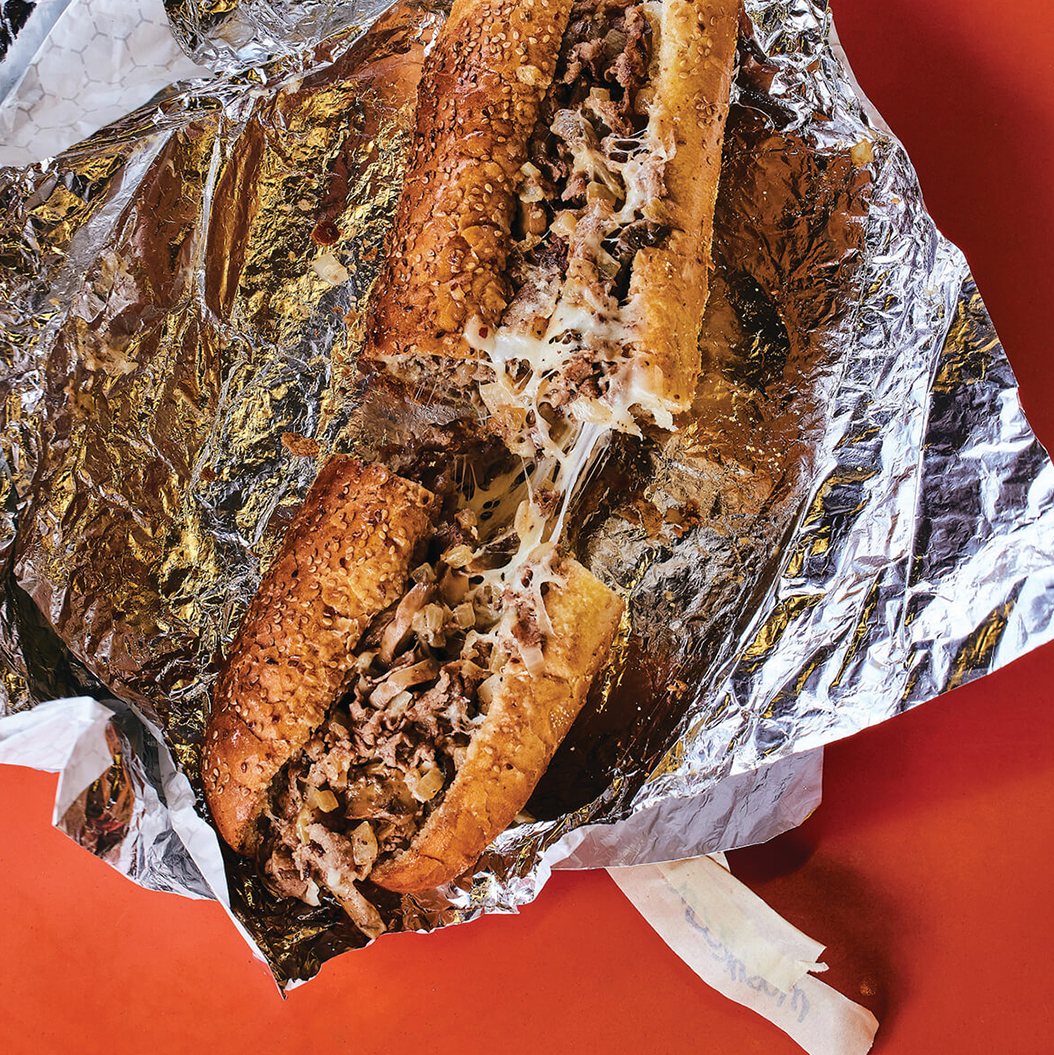
The line forms from a block away at this Michelin Guide-listed takeout spot. Don’t turn back—join the steak-seeking faithful and follow the scent of sizzling steaks best ordered “Whiz wit” (that’s Cheez Whiz, plus fried onions and hot cherry peppers). These beauts are hefty as they come, a half-pound of beef heaved onto a seriously seedy bun.
DEL ROSSI’S CHEESESTEAK & PIZZA
This mostly takeout stalwart slings hand-cut steaks that come off the grill hotter than a summer sidewalk. There’s a choice of cheese but the melted Cooper Sharp magically coats every crevice of the chopped rib-eye for that just the right meat-to-cheese ratio. Add some fried onions and “long hots” for a kick. The sturdy, house-made bun will help you hoist the tasty torpedo to your mouth.
JOHN’S ROAST PORK
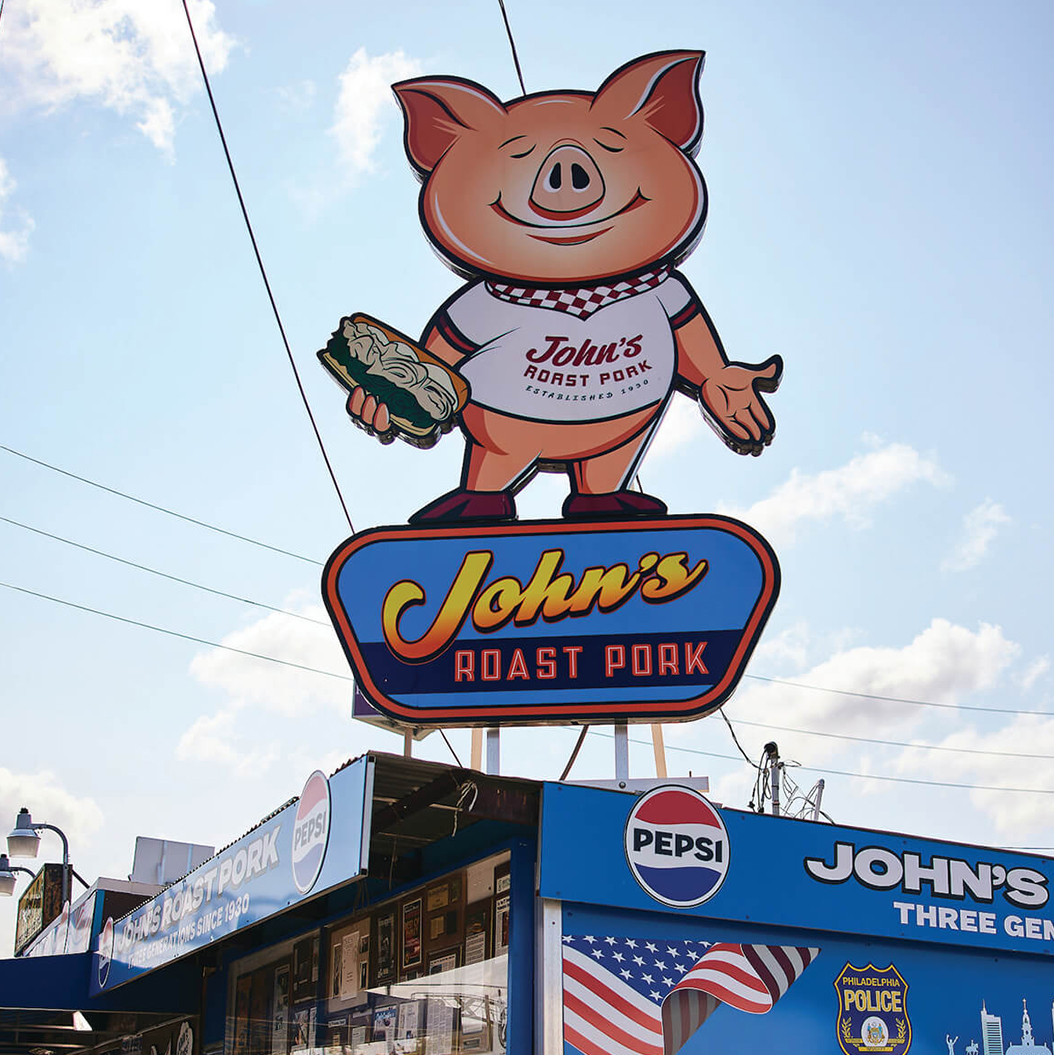
Don’t be deceived by the name, this roadside joint has been serving award-winning steaks in the city since forever. Every element carries its weight: The high-quality meat is made to order; the provolone adds a terrific tang; the seed-speckled bun is soft, yet structured. Even in a city where sandwiches are king, this cheesesteak joint, first frequented by shipyard workers, stands alone.
Candy Land
The City of Brotherly Love
has a long history of
making the sweet stuff.
1. Lore’s Chocolates
Whether you’re hankering for sea salt caramels or almond butter crunch, this business caters to every craving with sustainably sourced sweets. Impressively, they even make their own peanut butter to fill their chocolates.
2. Shane Confectionery
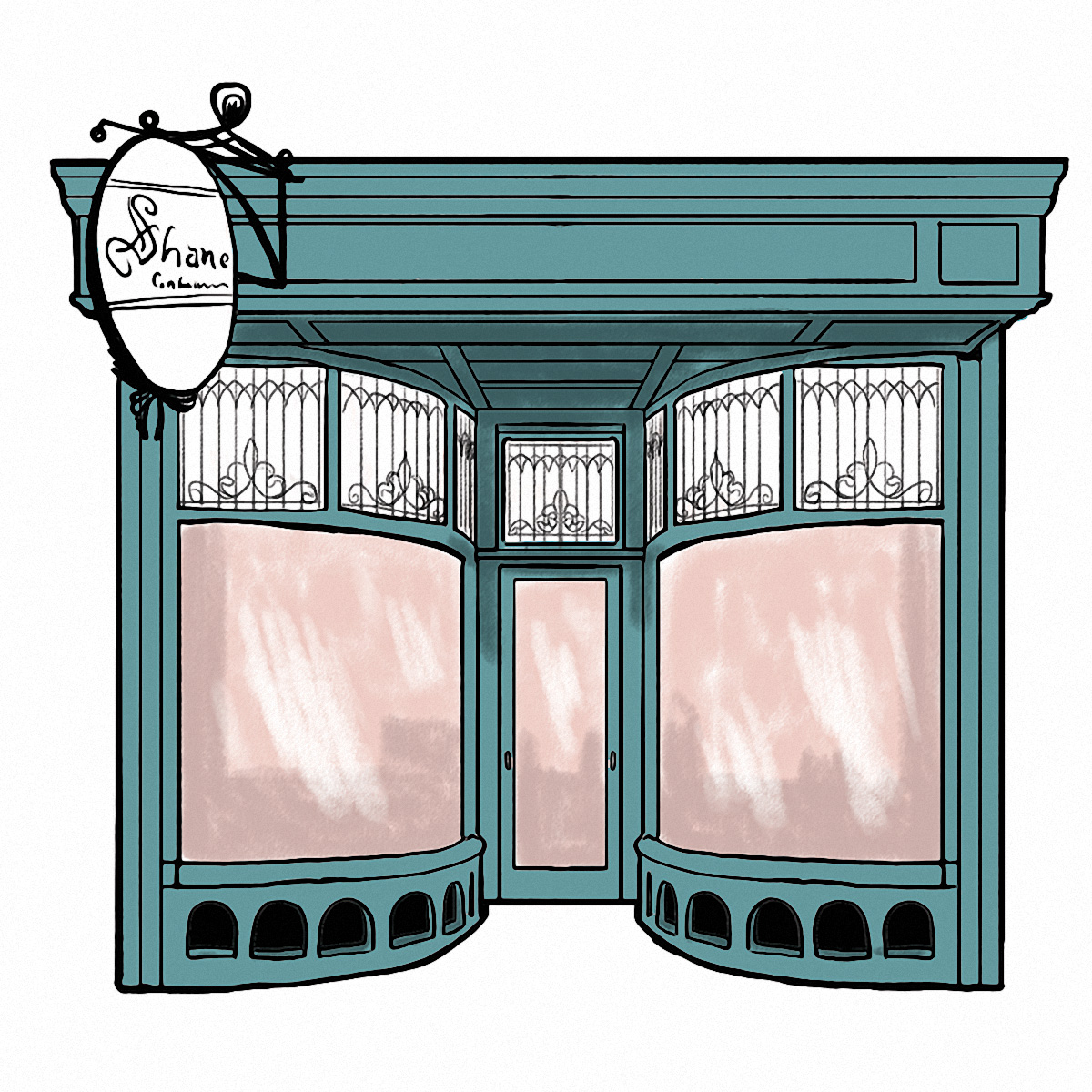
Open since the Civil War, the oldest continuously operating candy store in the country makes most of their chocolates—artisan truffles, hazelnut bars, pretzel drops, and malted balls—in house. Stop by the cacao bar in the back.
3. Verde
Amidst the earrings and Phillies caps, this storefront shop runs a serious chocolate operation. Look for bonbons printed with colorful emblems of Philly—soft pretzels, the Liberty Bell—drawn in cocoa butter.
WHILE YOU’RE IN TOWN: MORE THAN JUST PHILLY STEAKS
Take a ticket at the historic Isgro Pastries to buy chocolate-chip cannoli (only three people in the world know the recipe); shop at the famed Fante’s, a cookware store frequented by Julia Child; stop at Sang Kee Peking Duck House in Chinatown for the namesake bird; wander the Reading Terminal and visit Saami Somi for Georgian khachapuri “cheeseboats”; snag a table at Vetri Cucina or Zahav; pause for happy hour at Osteria, one of the best deals in the city; browse Binding Agents, a store that sells only cookbooks; grab a cranberry-walnut boule, dubbed the “best free bread” in America by The Atlantic, at Parc in Rittenhouse Square. (Getting it to go will set you back $11.)


Wine & Dine
Loudoun County, Virginia, is proving that Great American wine doesn’t just come from California.
BY CHRISTIANNA MCCAUSLAND
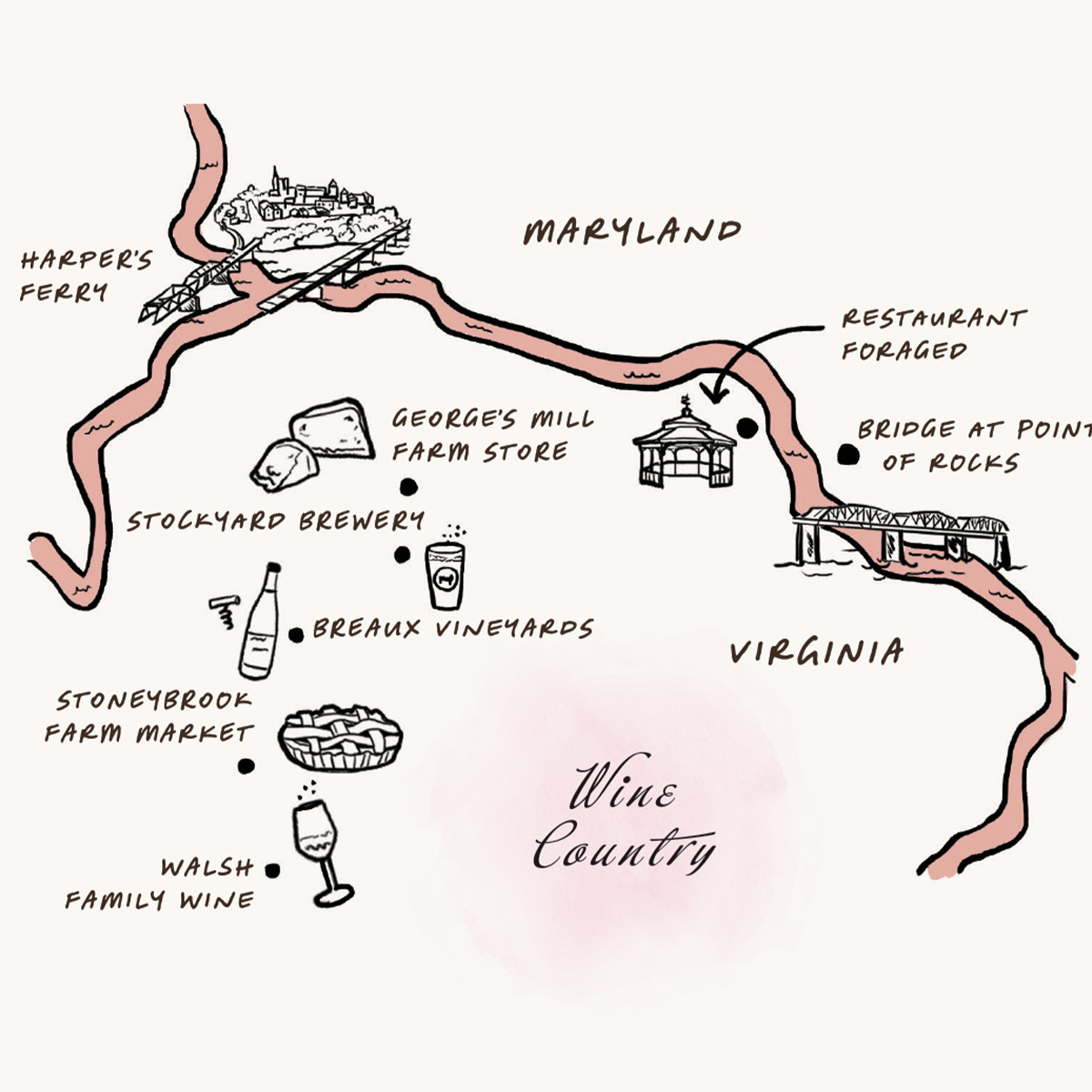
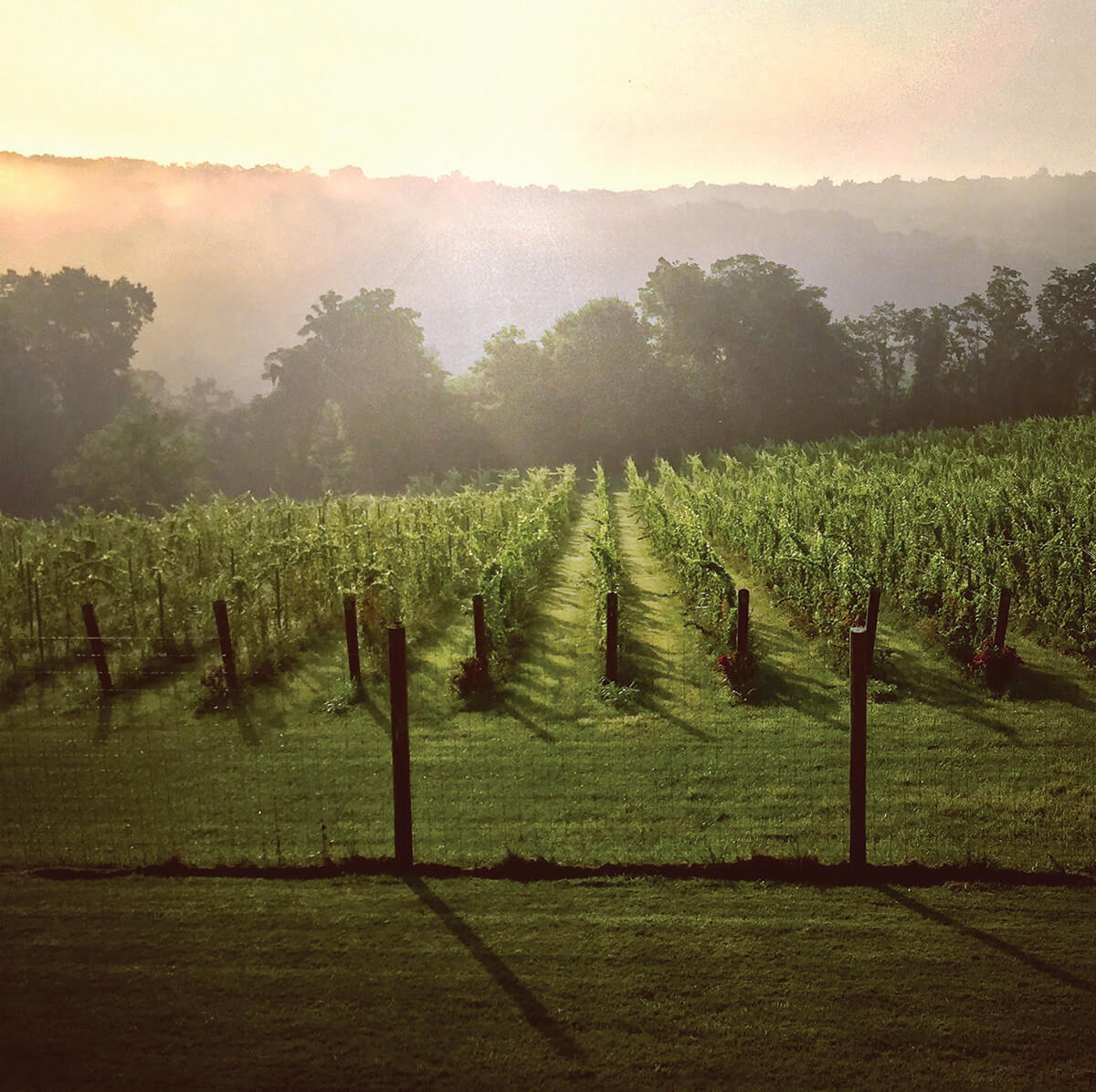
THE AREA AROUND Lovettsville, Virginia, is a green expanse where the Blue Ridge Mountains meet the Potomac River. Tucked between historic Harpers Ferry and picturesque Point of Rocks, not far from Frederick, there is ample rolling countryside. But instead of cash crops, most fields are covered in vines.
Loudoun County is carving a niche for itself in the large Virginia wine scene, one that’s friendly and intimate, described as being like Napa Valley in the 1970s. Its limestone soil, well-drained slopes, and microclimates make it suitable for grow papering a number of varietals. There are more than 50 wineries and 800-plus acres under vine in the county. You can obtain a helpful wine trail guide, complete with map, here. And if wine is not your thing, don’t fret—breweries also thrive here and are happy to pull a cold pint.
WALSH FAMILY WINE.
1. WALSH FAMILY WINE
Husband-and-wife Nate and Sarah Walsh are creating award-winning wines on their six distinct vineyards and are one of a handful of U.S. vineyards grow papering Sauvignon Rytos, an experimental mildew-resistant varietal. He mastered the fundamentals working at Horton Vineyards, one of Virginia’s early winemaking pioneers; her background is in fine dining and wine education. The covered patio at the North Gate tasting room is a lovely spot; sip the 2024 rosé on a warm day.
2. BREAUX VINEYARDS
This 400-acre property looks like a slice of Tuscany with its stucco and red-roofed tasting room leading from a path lined with cherry trees. Winners of numerous awards (including a “Best in Class” from the L.A. County Fair Wine Competition), they are known for their reds, especially Nebbiolo. The Italian grape, whose name translates as “little fog,” thrives here in the microclimate created by its location on the slopes of the Short Hill and Blue Ridge Mountains.
INTO THE WOODS
A meal at Restaurant Foraged at Patowmack Farm is brought to you by Mother Nature.
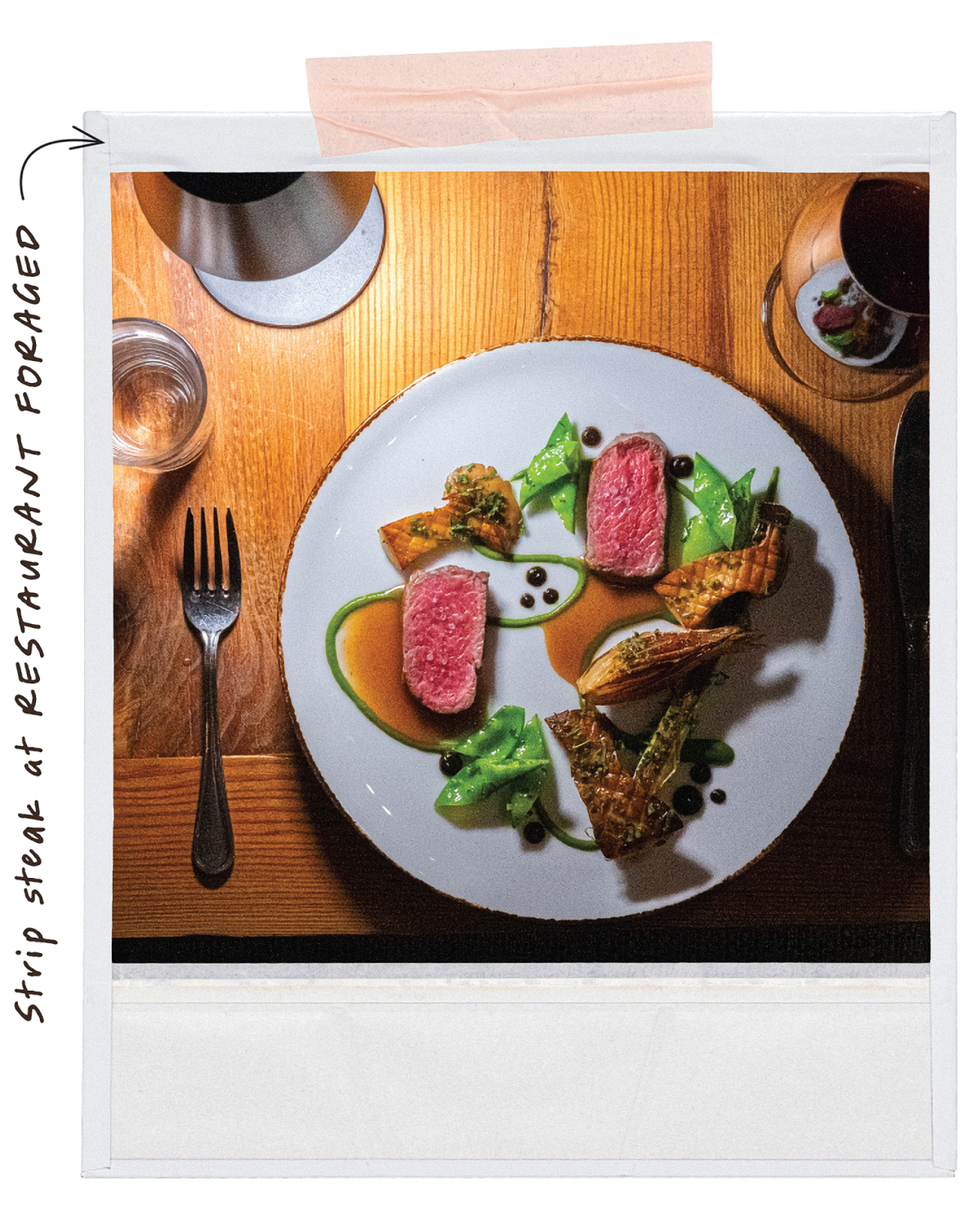
WITH ITS RUSTIC wooden sign, the entrance to Patowmack Farm looks like you’re headed to a campground. But atop the hill sits a reward: a delightful greenhouse-cum-restaurant and exquisite patio overlooking mountains and the camel-backed trusses of Point of Rocks bridge spanning the Potomac River. The farm was a beloved institution run by Beverly Morton Billand—a forerunner of the organic and farm-to-table movements—until her retirement last year, when it was acquired by Baltimore’s own James Beard Award-nominated chef, Chris Amendola.
As with his former restaurant, Foraged, the five-course menu focuses on what is seasonal and local. The farm provides produce, including figs, strawberries, and herbs, and of course there’s whatever Amendola can forage. Dishes change every few weeks and optional wine pairings are sommelier-selected from Virginia. A summer menu featured an heirloom tomato salad speckled with black raspberries, asparagus enriched with salty pork chin, and wild blue catfish served with a garlic-scape butter sauce made from scapes brined during last year’s harvest. Roseda Farm beef loin served with king trumpet mushrooms hits the perfect note accompanied by black garlic. One can taste Amendola’s foraging skills in some of his simplest dishes, like a palate-cleansing sorbet made from fruits of a mulberry tree on the grounds.
This is not a meal—it’s an experience. The staff is warm, the views are extraordinary. After a summer storm blew through, diners were treated to a double rainbow over the Potomac and two black bears sauntering by, casting a bit of magic on an exceptional dinner.
MEET THE CHEF
Chris Amendola
Restaurant Foraged.
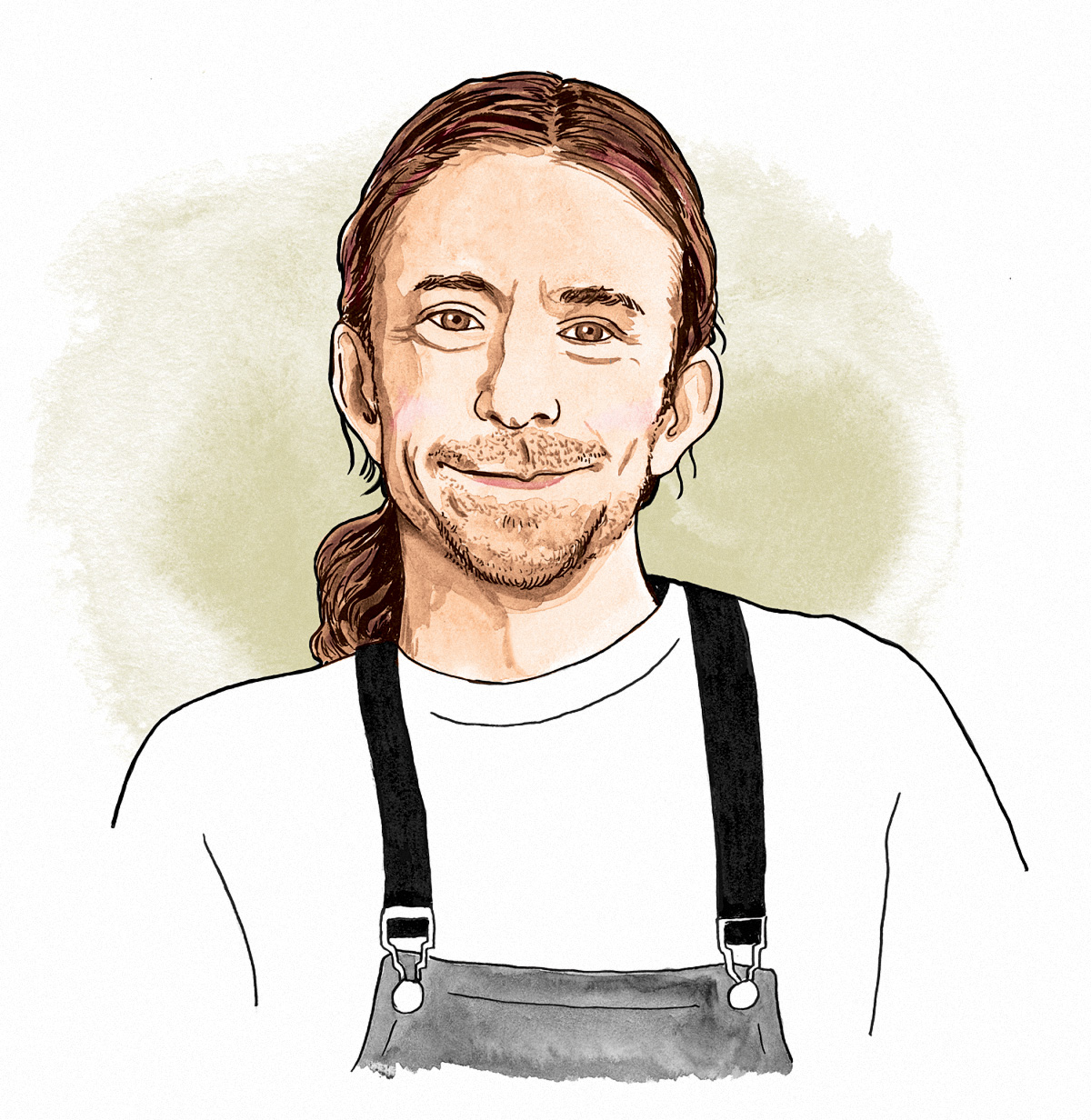
Many know Chris Amendola for his hyper-local, wild flavors from Station North’s Foraged, which earned him a James Beard Award nomination. But Amendola has long wanted a farm-based restaurant where he could create a fully sustainable experience— so he acted quickly when he saw the owner of Patowmack Farm was retiring.
Fueled by credit cards and the dream of a closed-loop restaurant operation, he now has a canvas for implementing his foraging concept. “The goal is to get to a point where we’re raising, growing, and foraging everything on the property— produce, beef, ducks, chickens,” Amendola says.
He’s off to a good start. There’s a greenhouse, garden, and orchard at Patowmack and numerous local farms, vineyards, and breweries. Pawpaws grow paper in the foothills of the Blue Ridge and Amendola wants to plant his own edible forest. From the first strawberries of the season to the last autumnal harvest of mushrooms, Foraged is situated in a veritable cornucopia.
“Fine dining is my passion,” he says. “This has given me the opportunity to refine what we do—the technical process of cooking—to strive for perfection and execute on a Michelin level.”
WHILE YOU’RE IN TOWN: GEORGES MILL FARM STORE
This charming honor-system farmstand just outside Lovettsville sells an impressive selection of farmstead goat cheeses as well as the farm’s own pork, gelato, fudge, and caramel, plus produce from other local farms and essential picnic supplies like Firehook flatbreads (to smear that goat cheese on).


Street Scene
A visit to Adams Morgan equals round-the-world in one ZIP code.
BY AMY SCATTERGOOD
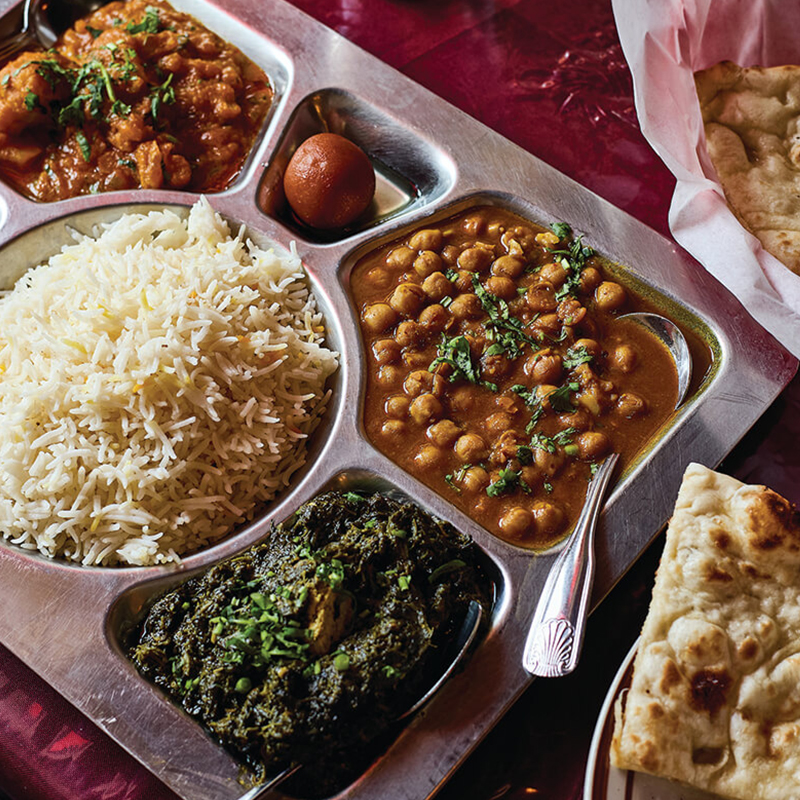
BOMBAY STREET FOOD EXPRESS 3
Indian
This Indian spot has red and
orange walls, orange seating,
and a mural of Anthony
Bourdain. There are curries,
tandoor dishes and butter
chicken. But maybe the best
thing to order is the thali
platter, a selection of vibrant
dishes paired with naan.
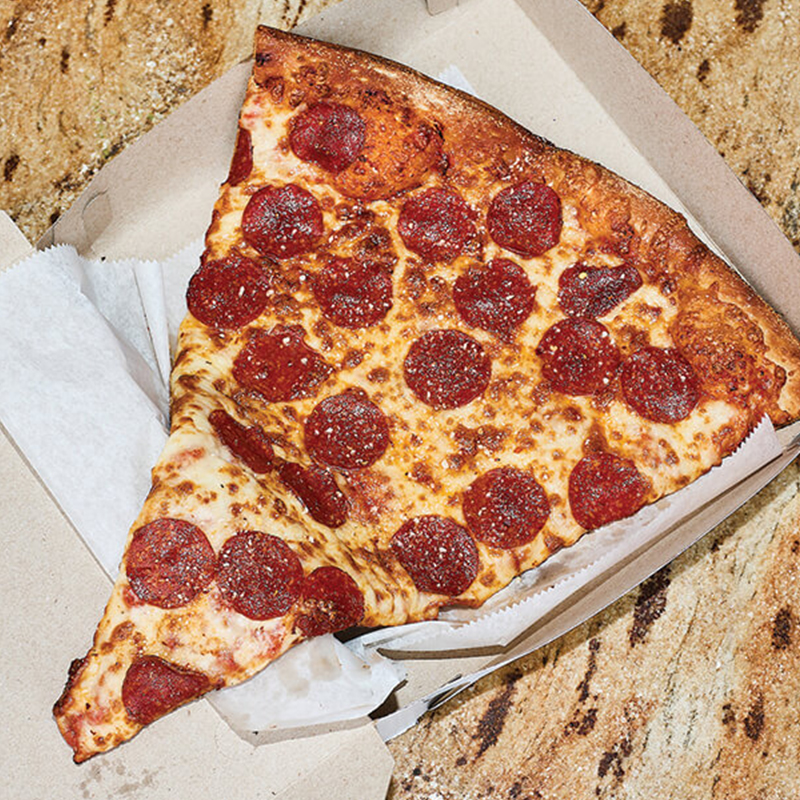
DUCCINI’S PIZZA
Pizza
Adams Morgan is the home of the legendary New York-style jumbo slice. There’s debate over which of the storefronts make the best, but Duccini’s is consistently ranked at or near the top. Pulled hot from the massive oven, the crust is surprisingly first-rate.
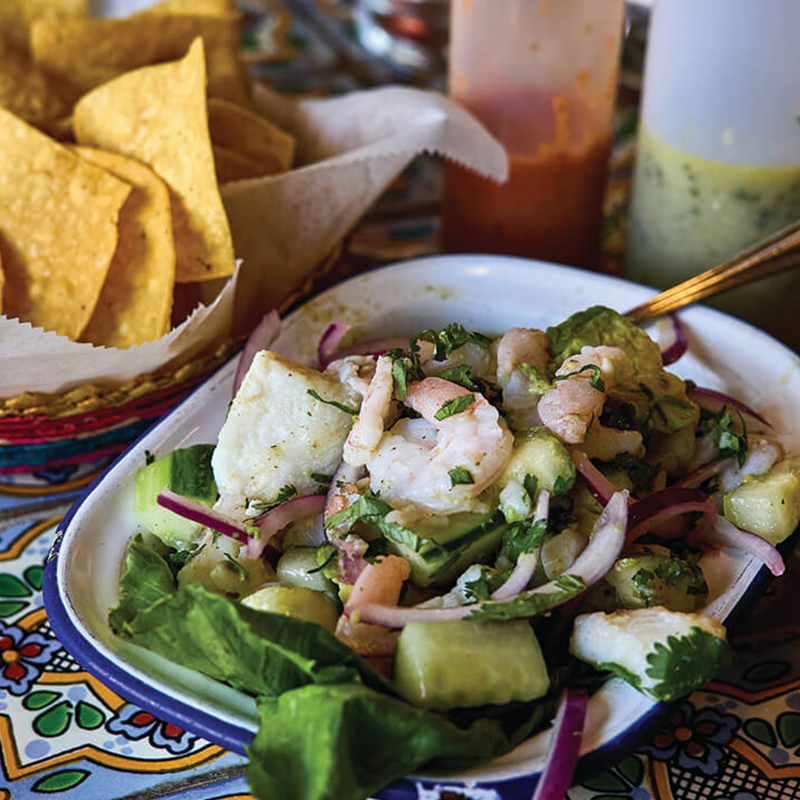
TAQUERIA EL LADO
Taqueria
This three-year-old taqueria features a huge window that opens into an outdoor-facing counter—great in hot weather. The owners are from Mexico City, which you can tell from their menu of tacos on handmade corn tortillas, seafood aquachiles, and a terrific cocktail bar.
SHARBAT
Bakery
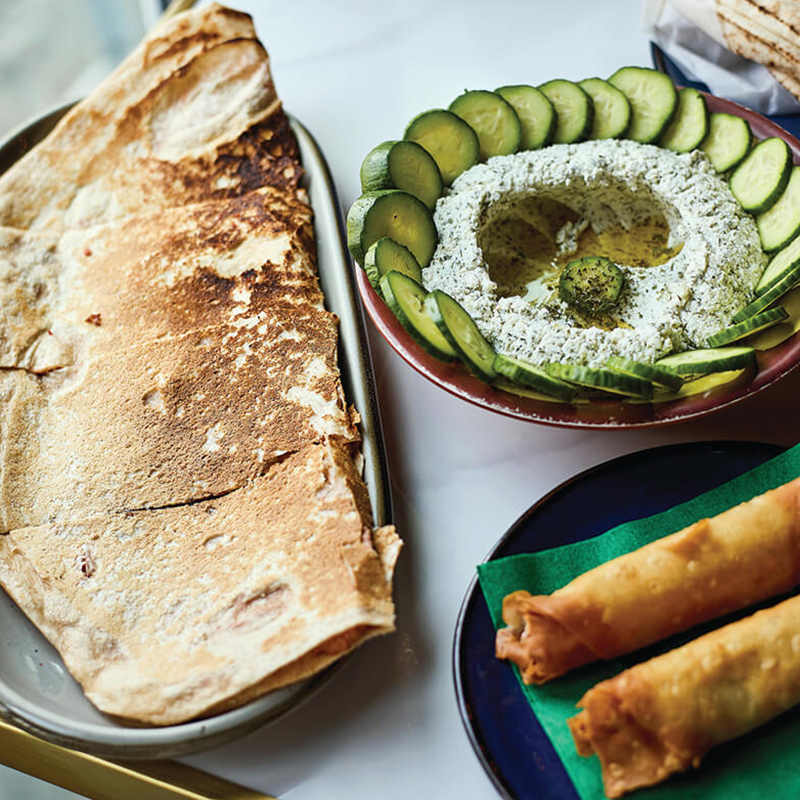
A women-owned Azerbaijani bakery, Sharbat is a jewelbox of a place. There’s a counter of pastries, plus khachapuri cheese breads and kuku, the marvelous herb-and-greens omelets plated with yogurt, all served with breathtakingly strong Turkish coffee.
THE GREEN ZONE
Middle Eastern
This tiny Middle Eastern bar, which began life after a series of pop-ups, makes appetizers like kibbeh, fried balls of meat and bulghur, and house-made bread cooked on a saj. Then there are the mint-lemonade slushies, plus a cocktail menu featuring flights of arak.
LUCKY BUNS
Burgers
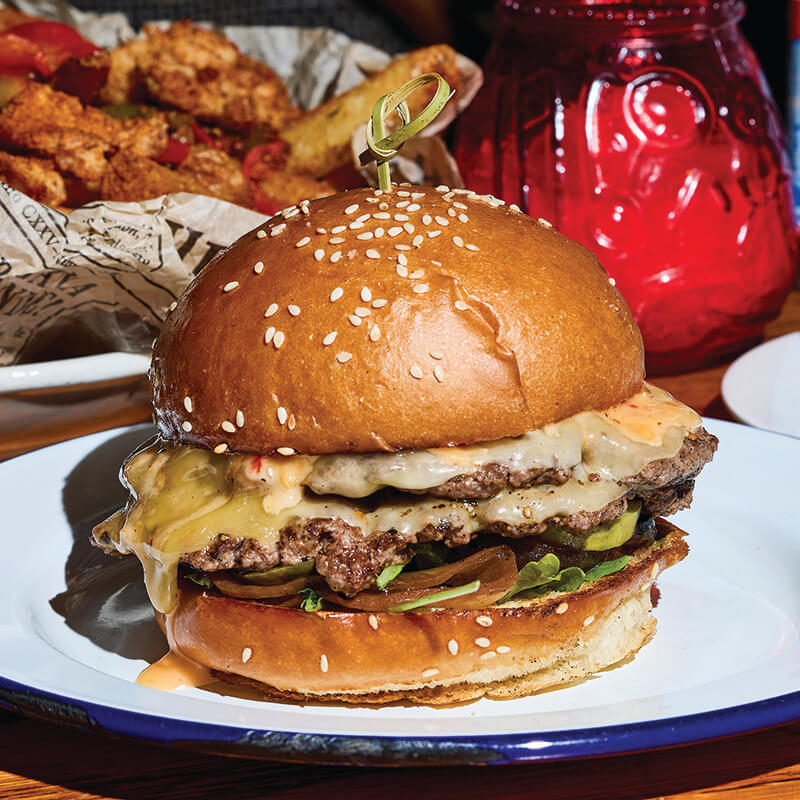
What list would be complete without a burger, and Lucky Buns delivers. Two smashburgers and various toppings between a brioche bun; the fries are outstanding; and they even have spice bags, a magical combo of chicken, fries, spices, and curry gravy served, yes, in a bag.
SIDE TRIPS
CAPITOL GAINS
Adams Morgan is one of D.C.’s great food hubs, as well as the home of the jumbo slice, so it’s worth checking out a few more pizza shops while you’re here—especially if you hit a bar or two first. Jumbo Slice, one of the most famous, doesn’t even open till evening; the spot has famously cheap, hearty, surprisingly tasty drunk food. One place to pit-stop first: Death Punch, a bar noted not just for drinks but for live music, a billiards room, and outdoor Ping- Pong.
If your tastes are more refined, start out at District Cutlery at Union Market, a knife shop with a terrific collection of Japanese and Western knives. Then maybe head to Lapis, an admirably pretty Afghan restaurant with well-worn traditional rugs, for lunch. Or to Michelin-starred chef Michael Rafidi’s casual spot Yellow, a brilliant bakery and restaurant serving modern takes on Palestinian food, that’s a bit further afield but well worth the trek.
Ethiopian Eats
Washington, D.C. has Ethiopian fare to spare.
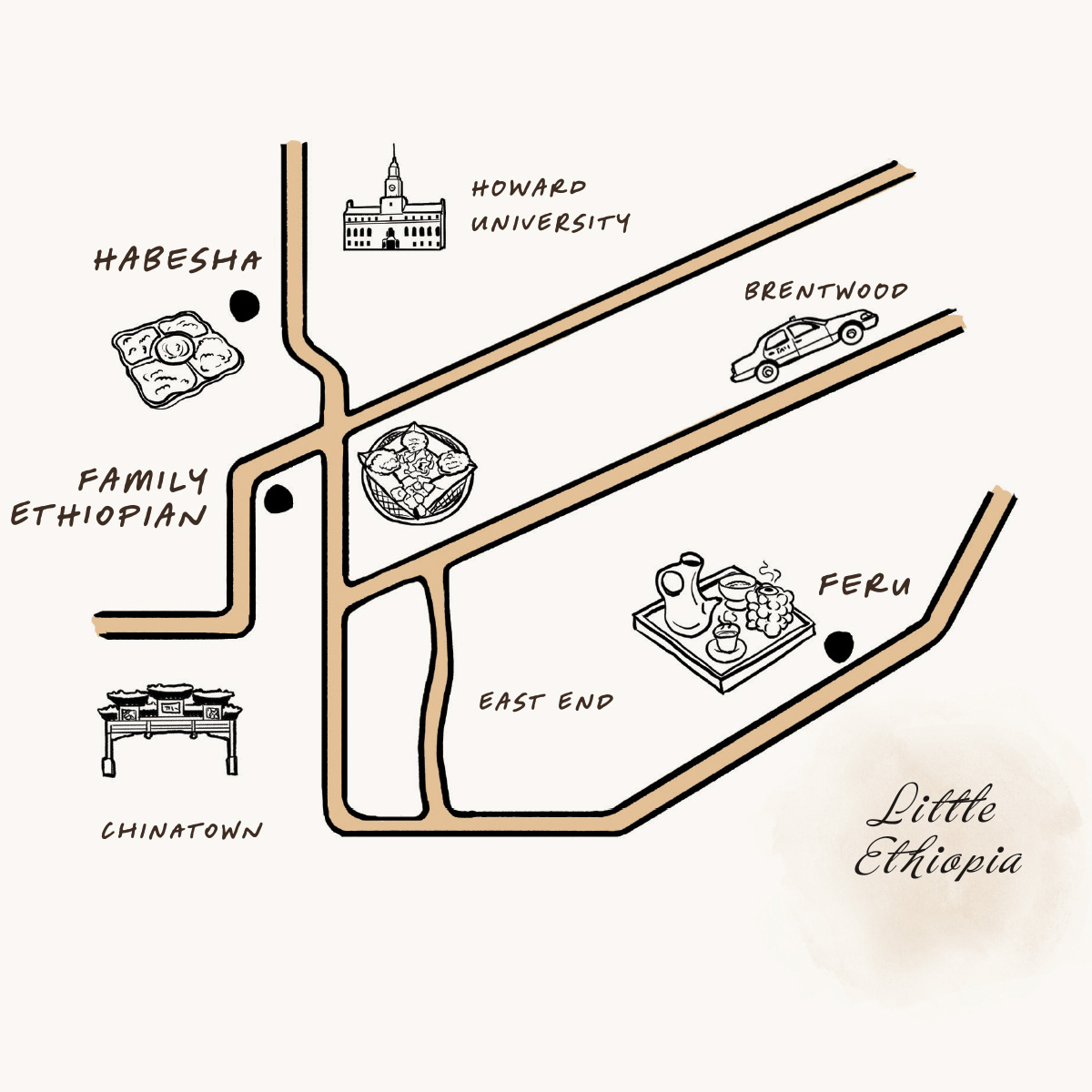
1. Family Ethiopian Restaurant With traditional artworks and yellow chairs, this six-year-old spot is a sibling-owned restaurant with such good food that it earned a Michelin star. There are the dishes you’d expect, like the chickpea stew shiro and stir-fried beef tibs, plus a few you might not, like spaghetti and tiramisu (a legacy of Mussolini’s invasion of Ethiopia). They also make their own injera, the signature teff flatbread, an attention to detail that shows on platters that look like still lifes.
2. Feru Opened in 2025 by a mother-and-daughter team, Feru has a gorgeous modern interior (ceiling fans, brick walls, metal ceilings) featuring art and showcasing an elaborate tea and coffee service. And the food is just as beautiful. A platter arrives covered by injera onto which your server will spoon out a bowl of intense, berbere-rich doro wot. Though the coffee service is a hallmark, the cocktail program showcases Ethiopian beer and wine and the honey wine called tej.
3. Habesha This restaurant and market has Ethiopian fare to carry out, more dishes to enjoy in the dining room, plus stacks of injera, tubs of spices and frankincense, and bags of coffee from its marketplace. Started by three Ethiopian brothers 21 years ago, Habesha opens for breakfast, including bowls of foul and various stew and egg combos. Get a plate of special foul for breakfast, then a bag of injera crisps and some baklava to-go.
IN THE NEIGHBORHOOD
SPICE OF LIFE
Why D.C. is considered Little Ethiopia.
BALTIMORE HAS a few good Ethiopian restaurants, mostly stretched along the 300 block of Park Avenue near Lexington Market, but Washington, D.C., definitely has us beat in that department. Which makes sense, as D.C. has the largest Ethiopian community outside of Ethiopia.
It also has Dulles airport, which not only brought many of those folks, but also eventually brought the ingredients that power the restaurants. Thanks to twice-daily Ethiopian Airlines flights from Addis Ababa to Dulles, chefs can now get berbere, the jolty spice blend, and stacks and stacks of just-made injera, the sour flatbread built with teff flour that’s a crucial element of Ethiopian cuisine (it also serves as both plate and utensil).
Ethiopians were drawn to D.C. for a variety of reasons: because of its large Black community, because the Ethiopian embassy is here, and because of its universities, notably the HBCU Howard. D.C.’s first Ethiopian restaurant, Mama Desta’s, opened in 1978—just miles from Howard. It quickly drew national attention and paved the way for the many other restaurants, shops, bakeries, and businesses that opened in the next decades.


Seoul City
Welcome to Seoul food U.S.A.
BY ANA BAK
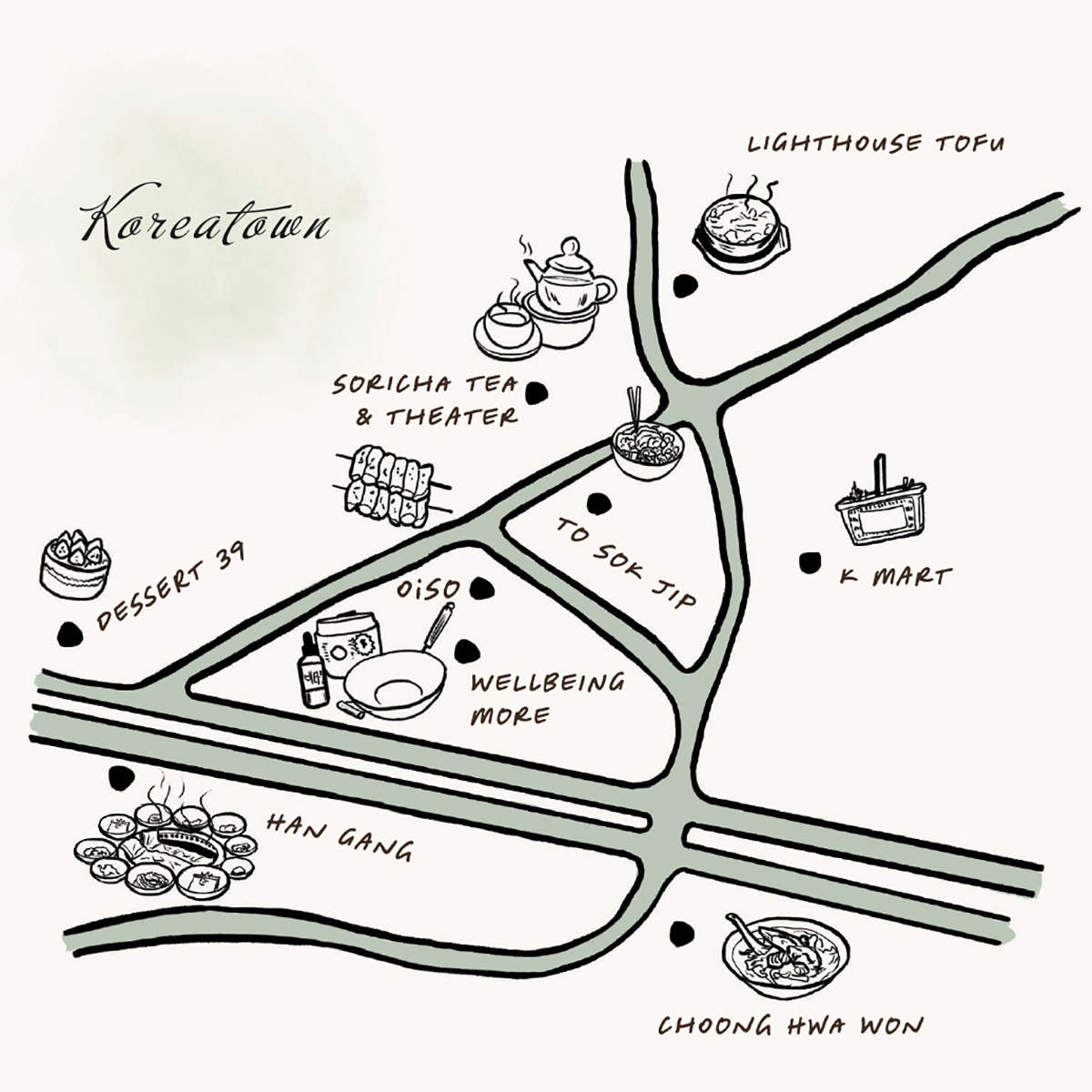
THE CITY OF ANNANDALE, VIRGINIA, a mere 10 miles from D.C., serves as the unofficial “Koreatown” of the DMV. And even as the population fans out to more affordable Centreville and Falls Church, the city endures as a hub for authentic Korean food. With the third largest concentration of Korean Americans in the U.S. (after Los Angeles and New York City) according to census records, Annandale is where you go to get your fix beyond Korean barbecue.
The one-mile-plus intersection between Little River Turnpike and Columbia Pike boasts a staggering number of restaurants and storefronts sure to satisfy any one of your Korean food hankerings. The riches include a local Korean grocery store, a traditional Korean spot where everything is house-made, and several Korean-Chinese fusion houses that serves jjajangmyeon, the famed Korean black bean noodles. This edible adventure is well worth the drive.
SIDE TRIPS
K MARKET FINDS
This local grocer sells a treasure trove of Korean comestibles.
BUCKWHEAT NOODLES: Every Korean grocery store features a food court and locally owned K Market is no exception. One of the best dishes here is deulkae memil kalguku at Yes! Buckwheat. Featuring a broth thickened with perilla powder and brimming with buckwheat noodles, it’s Korean comfort food.
KOREAN PRODUCE: Even the best grocery stores rarely stock Korean produce. Look for hard-to- come-by items like fresh perilla leaves, beachu (Korean cabbage), and Korean chile peppers, including gochugaru, the dried, pulverized version of the pepper used to make kimchi.
SPECIALTY BOOZE: With Virginia liquor laws offering the sale of beer and wine at grocery stores, make this your shop for Korean beers (including one made with Jeju oranges), soju, and makgeolli (Korean rice wine).
TECHNICOLOR COTTON CANDY: A whimsical cotton candy machine beckons. For a mere $5, choose the color scheme—blue, yellow, pink or white (and the flower design)—and delight in making your childhood dreams come true.
SUPER BOWLS
Intricate dishes served in bowls are common in Korean cuisine.
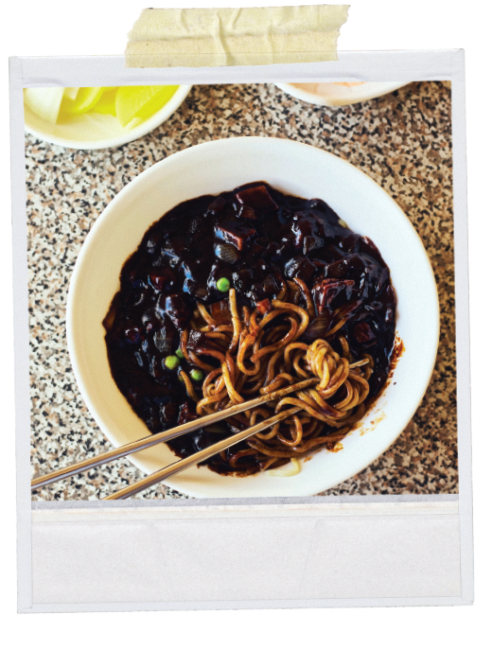
Jjajangmyeon (black bean noodles)
CHOONG HWA WON
Jjajangmyeon is a popular Chinese fusion dish in Korea. Composed of egg noodles served with blackbean paste and pork, this version is as classic as it gets with a sprinkling of peas for a pop of color. The banchan served alongside the noodles includes onions, pickled yellow radish, and sometimes kimchi.
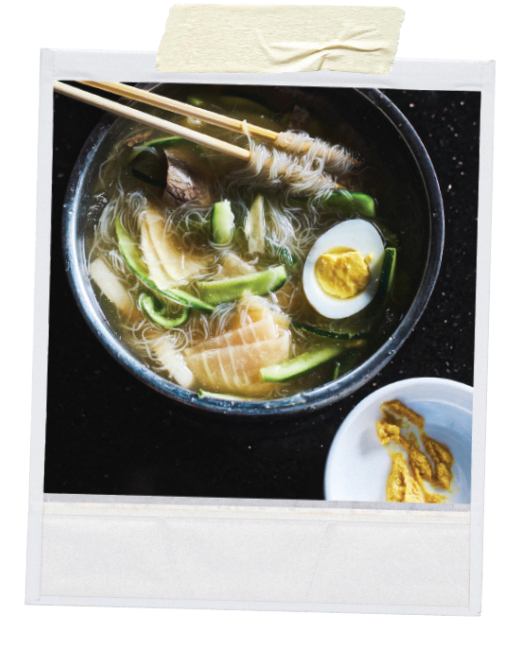
Naengmyeon (cold buckwheat noodles)
HAN GANG
No Korean barbeque is complete without a bowl of delectable palate-cleansing buckwheat noodles in ice-cold broth. Originating in North Korea, naengmyeon is served with sliced pears, cucumbers, and half of an egg yolk. Ask the staff to cut the very long noodles for you.
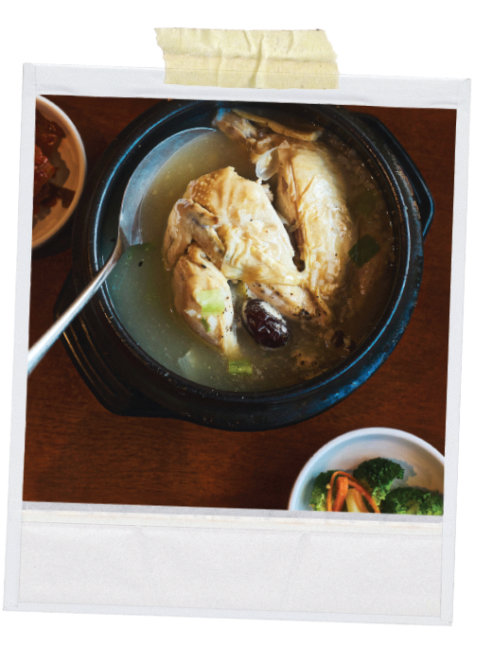
Samgyetang (chicken stew)
TO SOK JIP
Few restaurants take the time to make this labor-intensive dish. Samgyetang is a piping-hot stew in which a whole Cornish hen is stuffed with glutenous rice, jujubes, and health-invigorating ginseng.
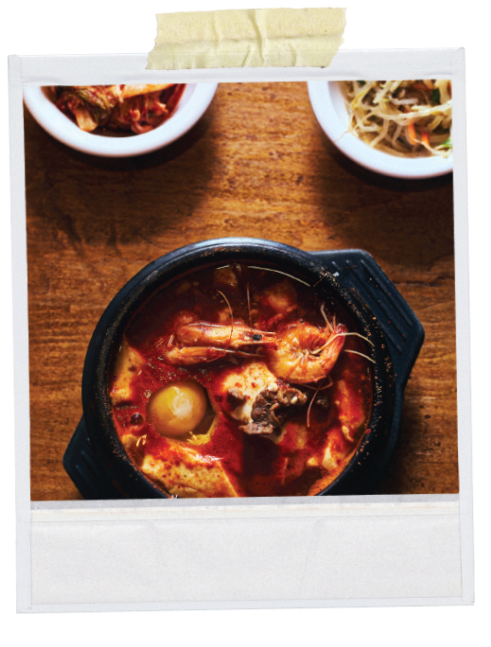
Sundubu jjigae (tofu stew)
LIGHTHOUSE TOFU
At Lighthouse Tofu, the stew is served bubbling hot, as is the custom in Korea. Best of all? Everything is customizable, from the meat and seafood options to your preferred spice level. Here, you crack your own egg to cook in the scorching soup.
MEET THE CHEF
Jin-hwa Lee
Chef, To Sok Jip

In 2017, Jin-hwa Lee, a Seoul native, started working at To Sok Jip, the Korean restaurant where everything is made in house. The restaurant’s name aptly translates to “the specialty food of the region” and serves the signature foods of Korea. Just before the pandemic, Lee bought the restaurant, carrying on the legacy of the tradition. After a devastating fire in March 2023, To Sok Jip reopened a few blocks away from its original location.
As owner-chef, Lee makes everything from scratch, from the seafood and green onion pancakes to the bibimbap. The restaurant’s samgyetang is a traditional Korean chicken stew that was, at one time, only served to royalty. “Most places, if they make it at all, will buy a soup packet to make the broth,” says Lee, “but we take the time, gathering the ingredients. It takes three hours to create the broth.”
WHILE YOU’RE IN TOWN: DESSERT 39 CURES ALL CRAVINGS!
A visit to this Annandale newcomer is a must. No Korean dining experience is complete without coffee and dessert to wash away the banchan. While nearby Tous Les Jour is a reliable staple for sweets, that chain is available across the DMV. For a true original, stop by Dessert 39. With its larger-than-life bunny sculpture and an instant print photo station, Dessert 39 is the first outpost of the Korean cafe brand in the U.S. Pick up a tray, load it with baked goods, including the best salt bread loaf found anywhere, including Korea. There’s an abundance of cakes, also sold by the slice, so stock up, and order a latte while you check out.


A Respite at Ruse
In St. Michaels, chef Michael Correll elevates the shore’s culinary scene.
BY LYDIA WOOLEVER
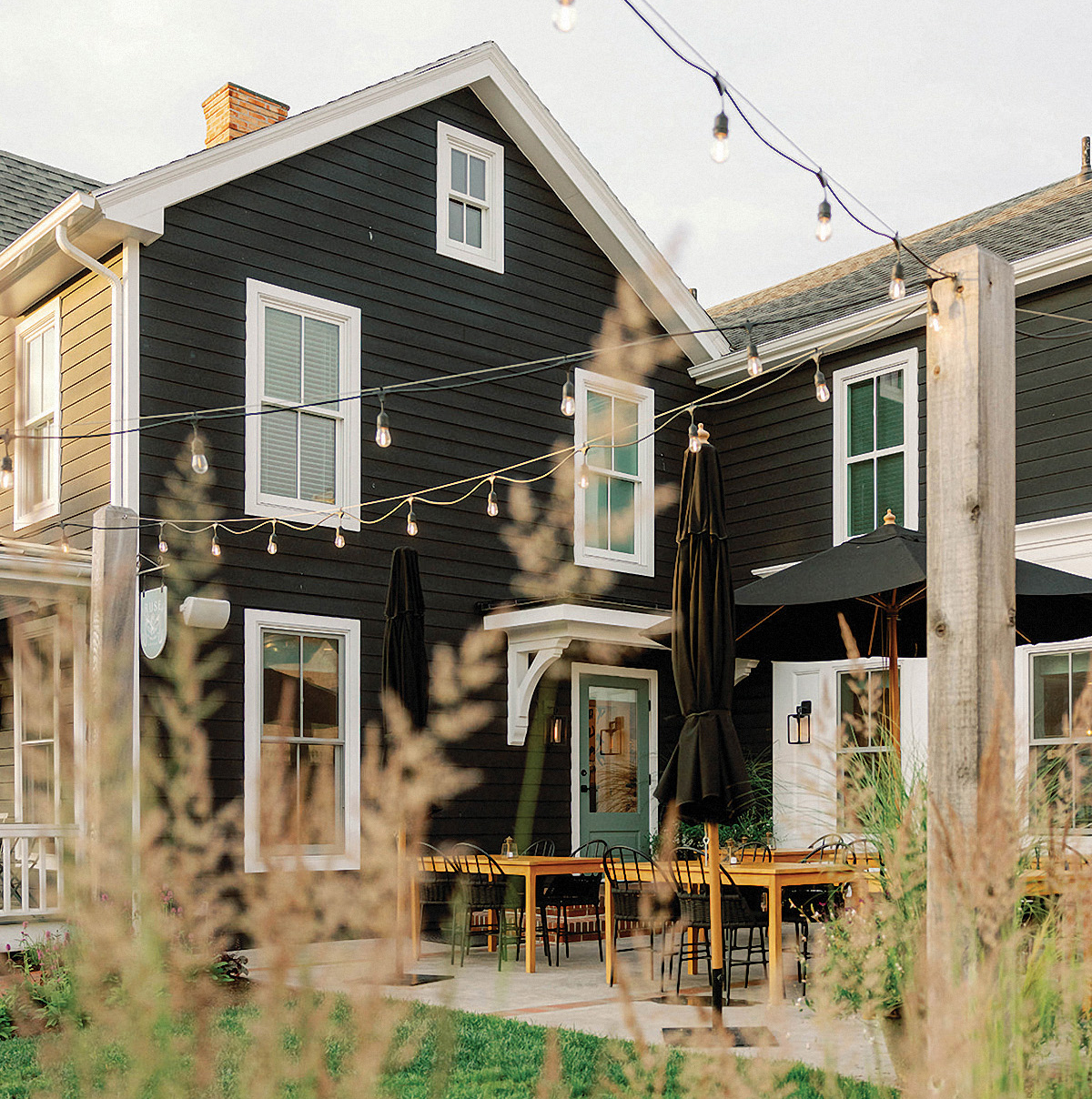
ONLY AN HOUR or two outside of Baltimore, the small towns of Maryland’s Eastern Shore are worlds away from the big city. But don’t let the scenic charm of the Chesapeake Bay fool you. In recent years, these parts have started pulling some serious culinary weight, particularly in Talbot County, where Ruse has a lot to do with that. When The Wildset Hotel opened in 2021, it drew Baltimore talent to St. Michaels. You might recognize the chef, Michael Correll, from his days at the helm of Fleet Street Kitchen or Tagliata in Harbor East. But the Bel Air native has come into his own in this 78-seat dining room.
It is a far cry from the old-school seafood shacks and white-tablecloth crab-cake establishments common here. The modern menu changes often—leaning into the seasons, showing off a love for local waters, flexing through unexpected flavors in every dish, which is undoubtedly part of the reason why Correll was nominated for a James Beard Award last year.
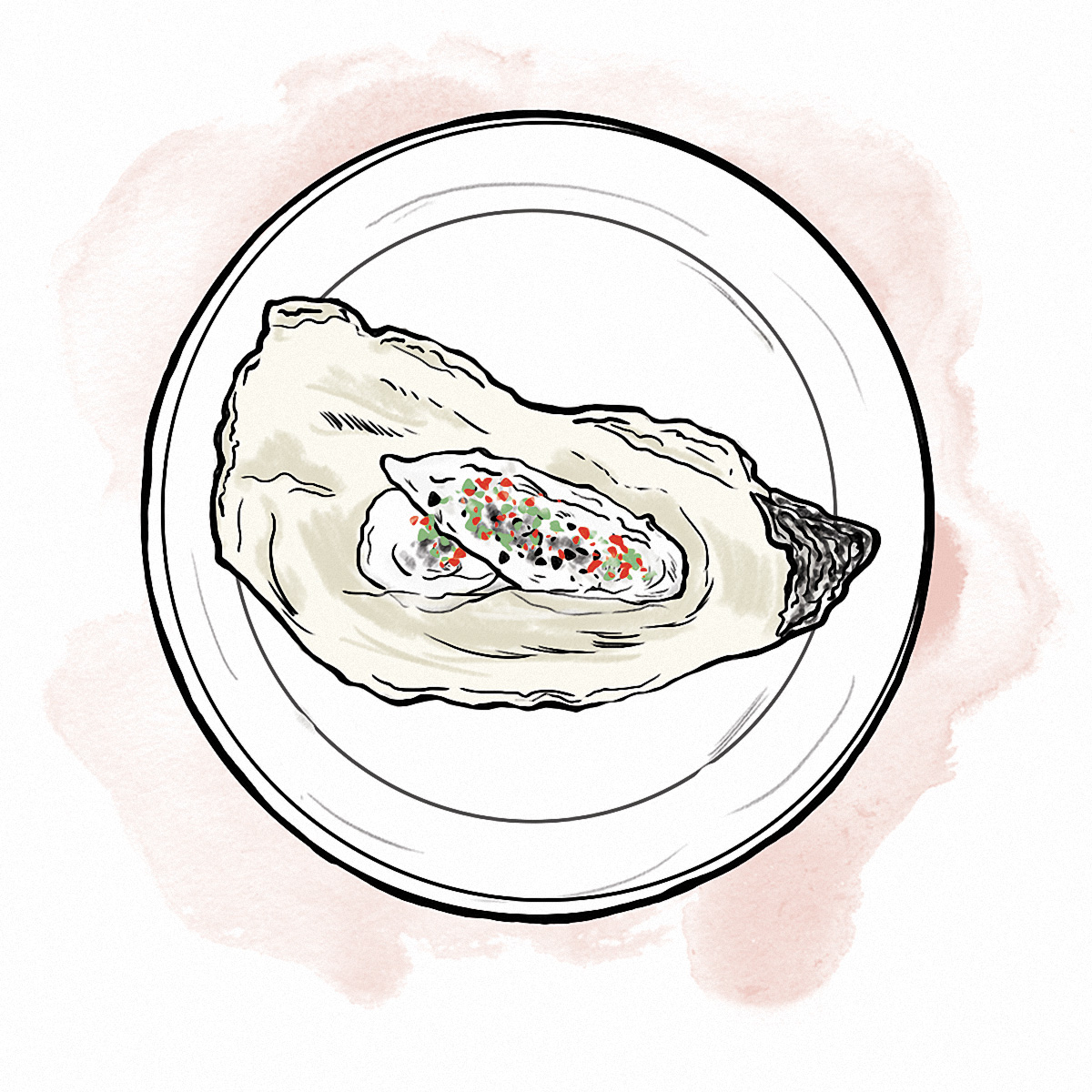
Start with the raw bar for finely shucked oysters or a spicy aguachile. Then eat your way through the vegetables, like this summer’s cucumber salad topped with tahini, fried shallot, and Aleppo chile crisp. Our perennial order? The smoked chicken, aka an ode to a shore classic found at both county fairs and roadside stands. Best of all, after the indulgence, you can book a room and stay the night.
MEET THE DISTILLER
Jaime Windon
Owner, Lyon Rum and Golden Hour
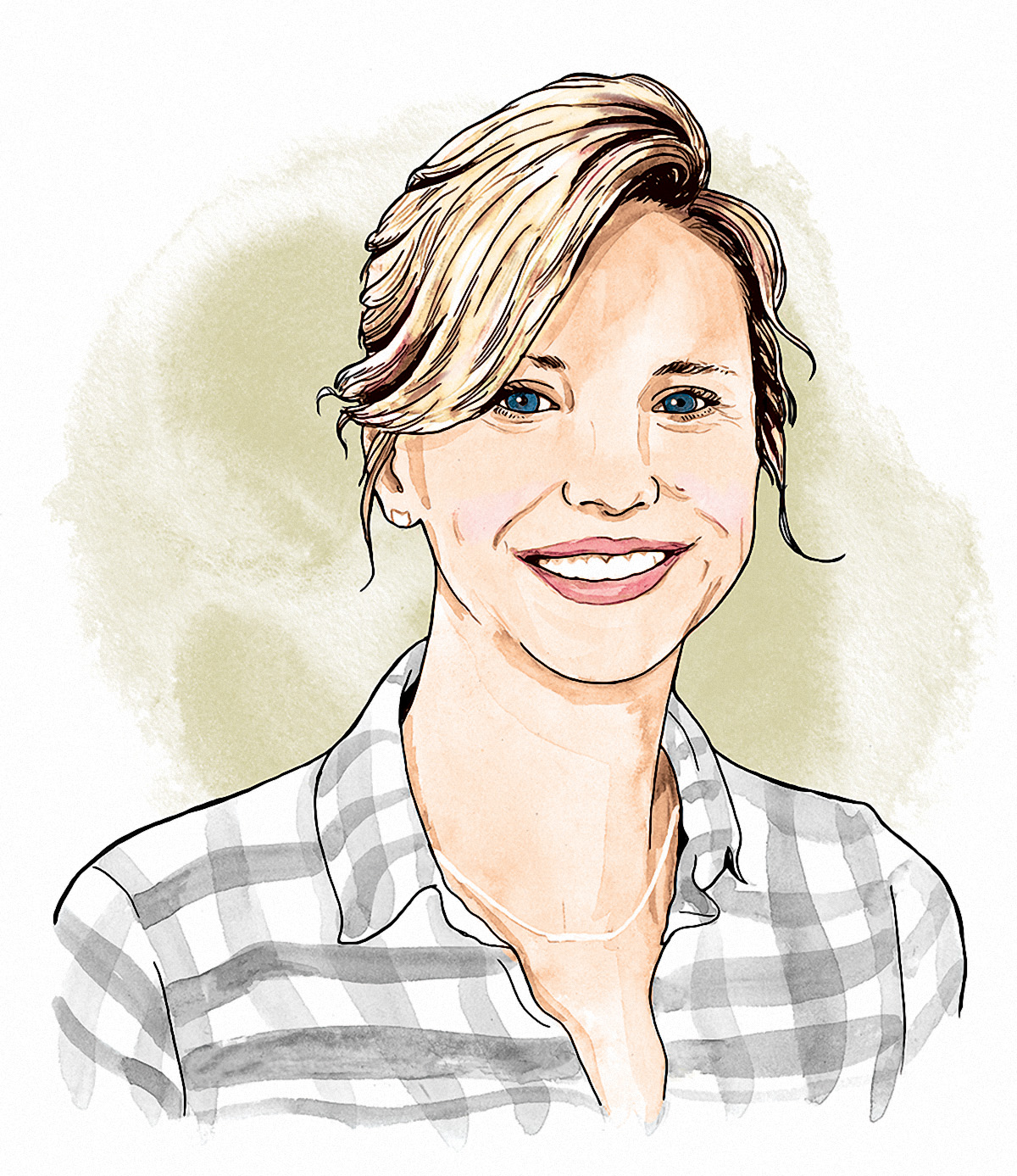
Just down the road from Ruse, Jaime Windon is slinging the exact sort of spirits you’d expect to find in a salty-dog sailor’s town on the edge of the Chesapeake—but even better. Open seven days a week, her bottle shop is a required pit stop for sampling its small-batch Lyon Rum, made in the on-site distillery. And now, right next door, you can stay awhile for daiquiris and mai tais at her new Golden Hour cocktail bar, open on Saturdays (as well as during the occasional book talk, bluegrass gig, or game of mahjong). In short order, it’s become a community hub, with colorful digs that transport you to the tropics.
Windon is usually behind the bar—always the effervescent life of the party—alongside her partner-in-crime sister, Jessi. Once you’ve settled in, ask her about their role in reviving Maryland’s history of boozemaking. Founded in 2012, this was the state’s first active distillery in four decades, since the end of local production for Pikesville Rye.
Eating in Easton
In Talbot County, this historic downtown has become a dining destination of metropolitan caliber, thanks in large part to these restaurants.
1. Accanto
The local go-to.
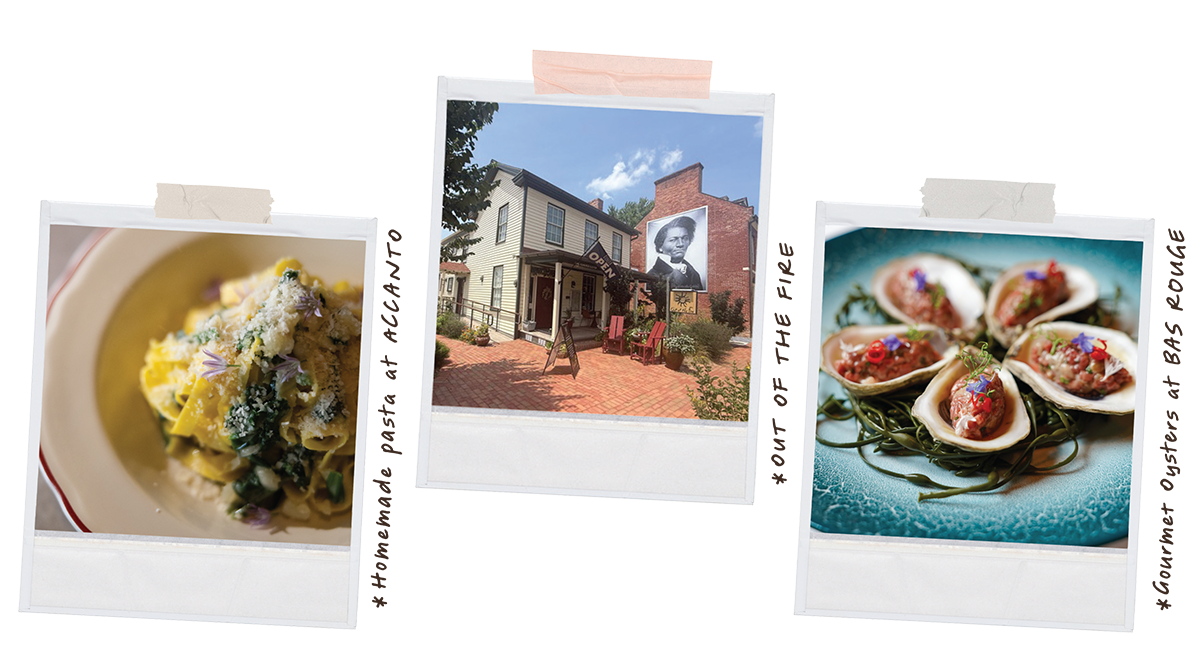
Locals were already obsessed with Piazza Italian Market when owner Emily Chandler opened her sister trattoria next door earlier this year. With a sophisticated minimalism and blissfully simple dishes, it’s quickly become the most buzzed about restaurant in town—a place that celebrates the sheer pleasure of eating. Here, the career cheesemonger shows off her deep appreciation for high-quality ingredients, from both near and far. Swing in for stellar negroni salatos and woodfired Neapolitan- style pizzas at the elegant bar. Or wile away the hours over grilled artichokes, fried soft-shells, and handmade pastas in the airy dining room. We’ll be dreaming about the crab tonnarelli with local green garlic all winter long.
2. Out of the Fire
An eclectic evening.
A short stroll from the Academy Art Museum, this 19th-century house is home to a local stalwart of creative cooking. At the door, you’ll likely be whisked to your table by owner Amy Haines, undoubtedly dressed in some gallery-chic outfit (with the walls showing off her latest selection of works by local artists). She’s the Eastern Shore’s answer to Alice Waters, supporting area grow paperers since well before farm-totable was de rigueur for a contemporary menu that riffs on 1970s California cuisine. Consider the nightly specials, crush the endive salad, and split the mortadella pie. Outside, their Frederick Douglass mural celebrates the town’s most famous son.
3. Bas Rouge
A genteel splurge.
Over the last decade, the highend luxury of Bluepoint Hospitality has rapidly taken over this small town’s brick-lined streets. There is the lavishly wallpapered ice cream parlor. And the Scotch-and-champagne- themed cocktail lounge. But this is the restaurant group’s grand dame, a European- inspired enclave of fine dining. No expense has been spared, from the gilded interior to the decadently plated pre-fixe dishes topped with truffles and edible flowers. Two years ago, the kitchen team brought home the shore’s first James Beard. Today, they continue to turn out the kind of foie-gras ganaches and trompe-l’oeil desserts that are almost too pretty to eat. Curious but on a budget? Come for lunch.
SIDE TRIPS
SASSAFRAS
A modern ode to
Chesapeake cookery
in Betterton.
IF YOU’RE looking to immerse yourself in our estuary’s delights, head over the Bay Bridge and, instead of hanging a right south toward Talbot, head north to Kent County. Amidst its abundant farmland, this year-old chef’s table is going all in on the water.
Chef Paul Edward cut his teeth in Baltimore, running the bar at Woodberry Kitchen before opening the Bluebird Cocktail Room in Hampden, which he still owns. But in the tiny beach town of Betterton, he’s a one-man show with an eight-seat, 12-course, seafood-heavy tasting menu, using foraged herbs, fresh catch from Mid- Atlantic watermen, and his own house charcuterie. The restaurant’s view looks out over the mouth of its namesake river—only a short ride from Baltimore, for those inclined to boat to dinner.