Arts & Culture
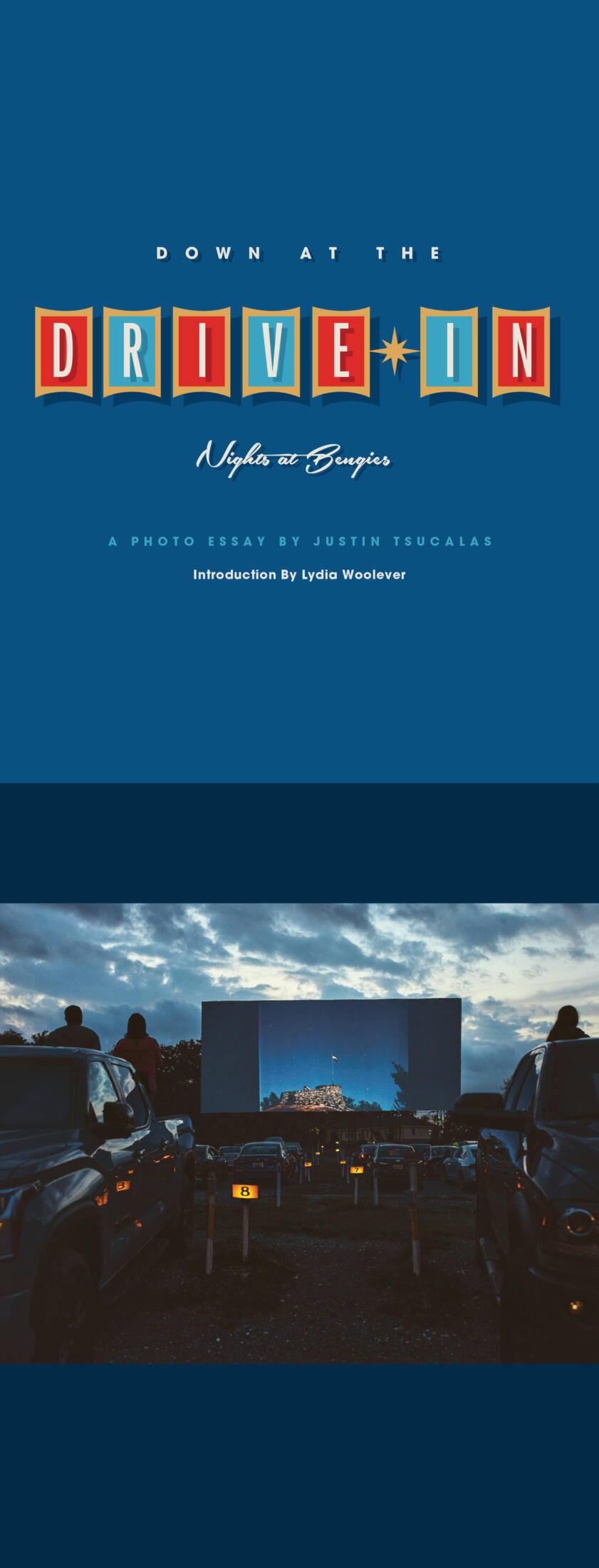
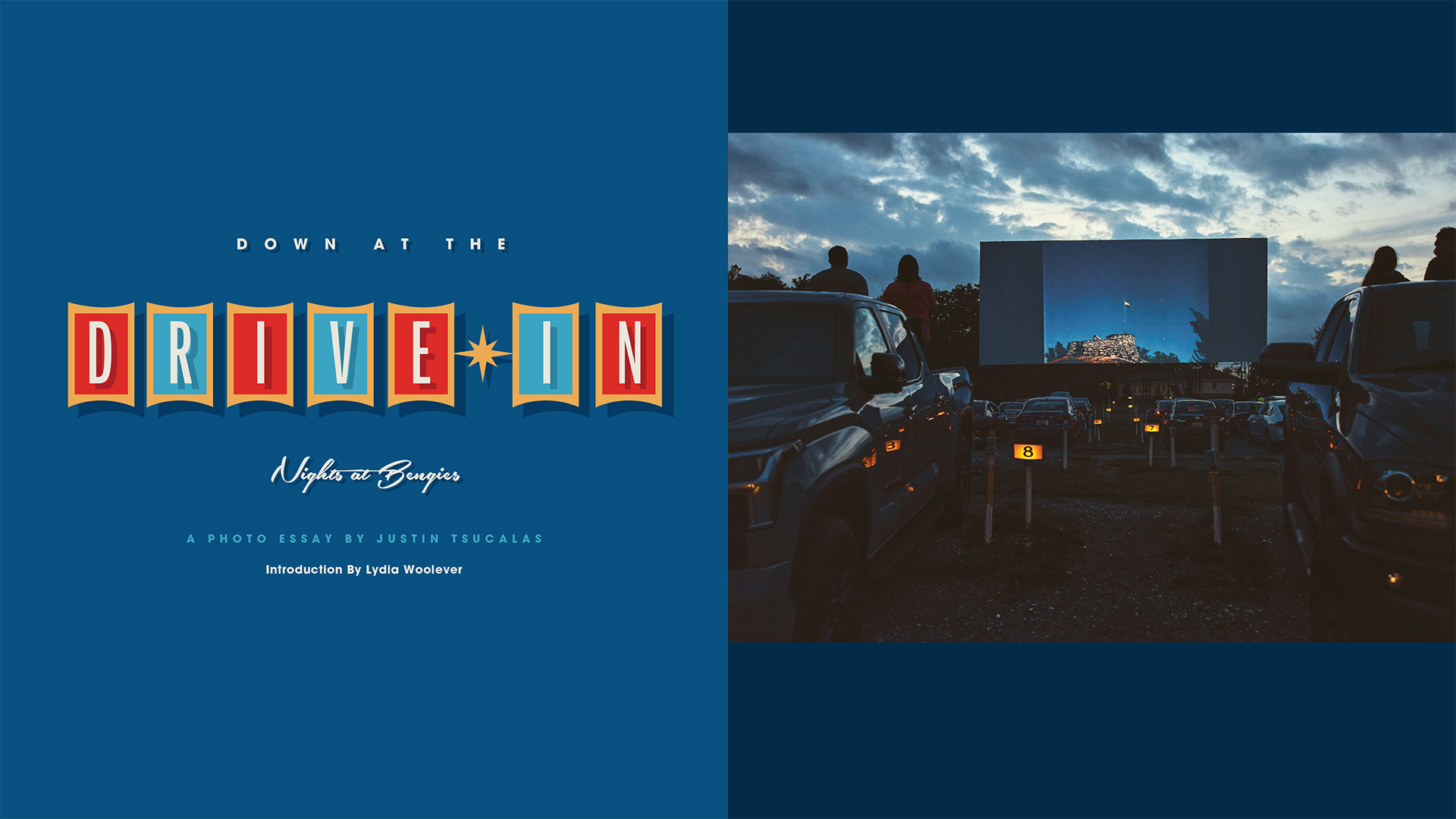
SEVENTY YEARS AGO THIS SUMMER, the lights dimmed and the first movie flickered onto the screen at the Bengies Drive-In Theatre in Middle River. It was early June 1956, about two decades after the first such outdoor cinema opened in nearby New Jersey, coinciding with America’s automobile boom as highways newly unfurled across the United States.
On the far edge of Eastern Avenue, just past the Glenn L. Martin Aircraft Company and a few miles from the Chesapeake Bay, Bengies would bring this novel form of entertainment to the nighttime sky in Baltimore.
Opened by brothers Hank, Jack, and Paul Vogel, the new attraction began as a sprawling mecca for motion pictures, more than a dozen acres in total, named for its surrounding neighborhood (which, in random trivia, was named after the nickname of the 23rd U.S. president, Benjamin Harrison). With a background in construction, the Vogels built a sprawling 50-by-120-foot screen, a Cinemascope projection tower, a classic midcentury concession stand, auditorium-style seating (now long gone), and a grassy parking lot that fit some 1,000 vehicles.
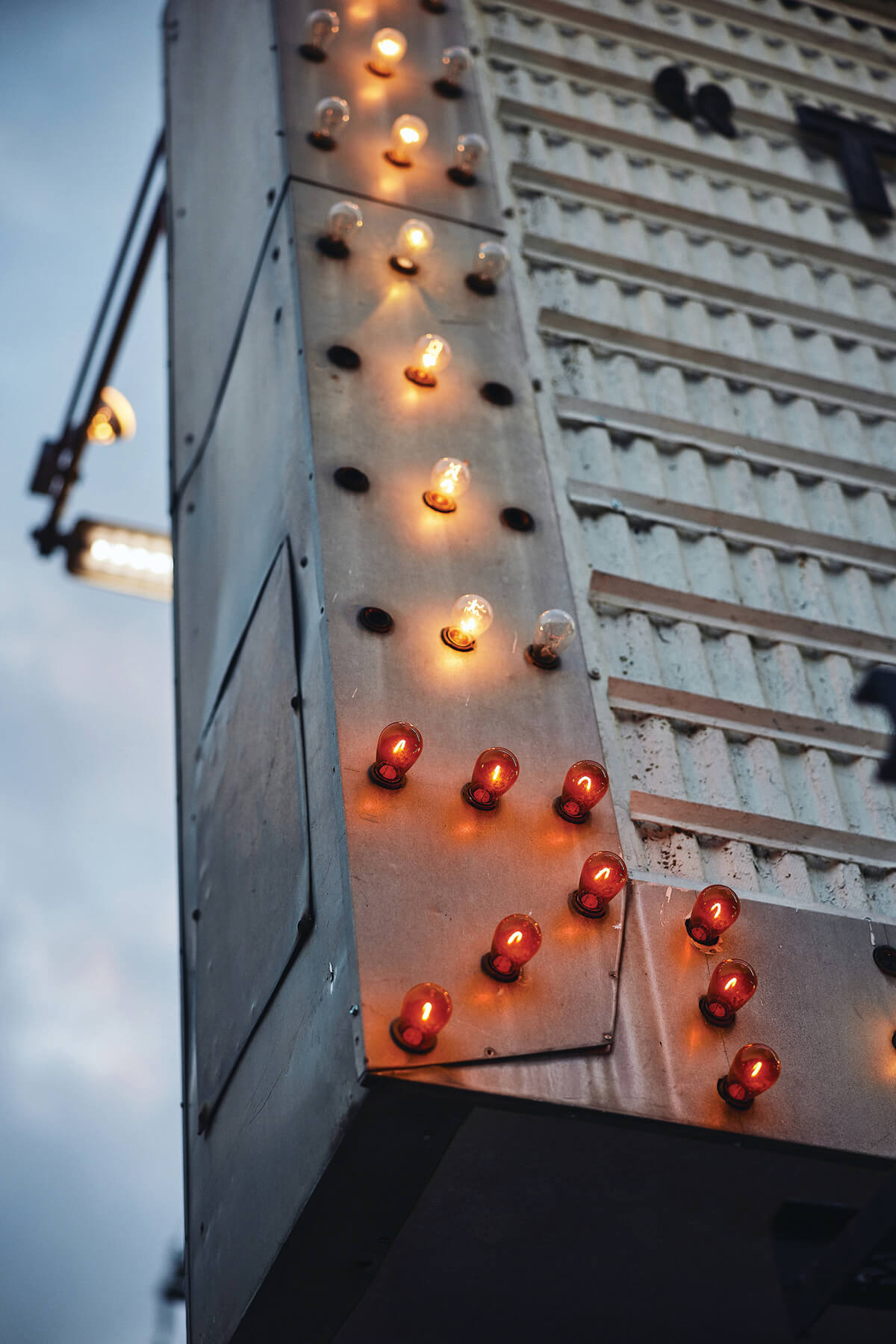
A Googie marquee beckoned in big Buicks, Fords, Cadillacs, Chryslers, and Chevys of the day, full of couples and families who wanted to see Hollywood’s westerns, horror films, and romantic comedies for only a few cents.
Over the decades that followed, Bengies evolved with the times, adding radio-based audio in the 1980s and eventually digital projection in the early 2010s. But to this day, the experience largely remains the same—still, as they call it, a “real-live, honest-to-God, all-American drive-in movie theatre.”
From early spring through early winter, cars roll down this Baltimore County drive to see big-screen blockbusters and the occasional retro title. The snack bar overflows with popcorn, sodas, and soft pretzels. As the show begins, the National Anthem blasts over the loudspeaker and, at intermission, vintage animated trailers add to the Americana feel, reminding moviegoers of a dazzling golden age, when thousands of drive-ins once operated throughout this country. They unfold their blankets. They unpack their lawn chairs. They pop open their trunks, sit on their trailer hitches, tune in their dials, and transport to another world for a few short hours.
“The nostalgia, it’s undeniable,” says co-owner Ken Adam, 45, who started working in the concession stand as a teenager in the ’90s. He runs the place with D. Vogel, the third generation of his family to keep the reels rolling at Bengies, now one of the very last of its alfresco kind. (There are said to be about 300 active drive-ins left across the country, a steep decline from its mid-20th century heyday, when there were more than 4,000.)
Luckily, though, Bengies endures, celebrating its 70th birthday now through August 15 with a run of throwback films for every decade they’ve been in business.
“The movie business isn’t what it used to be, but it’s always fascinated me,” says Vogel, 68. “I’m here all year and it’s different every night—the sun sets a little bit later or earlier every day. But there’s this moment when you look at the sky and know: It’s showtime.”
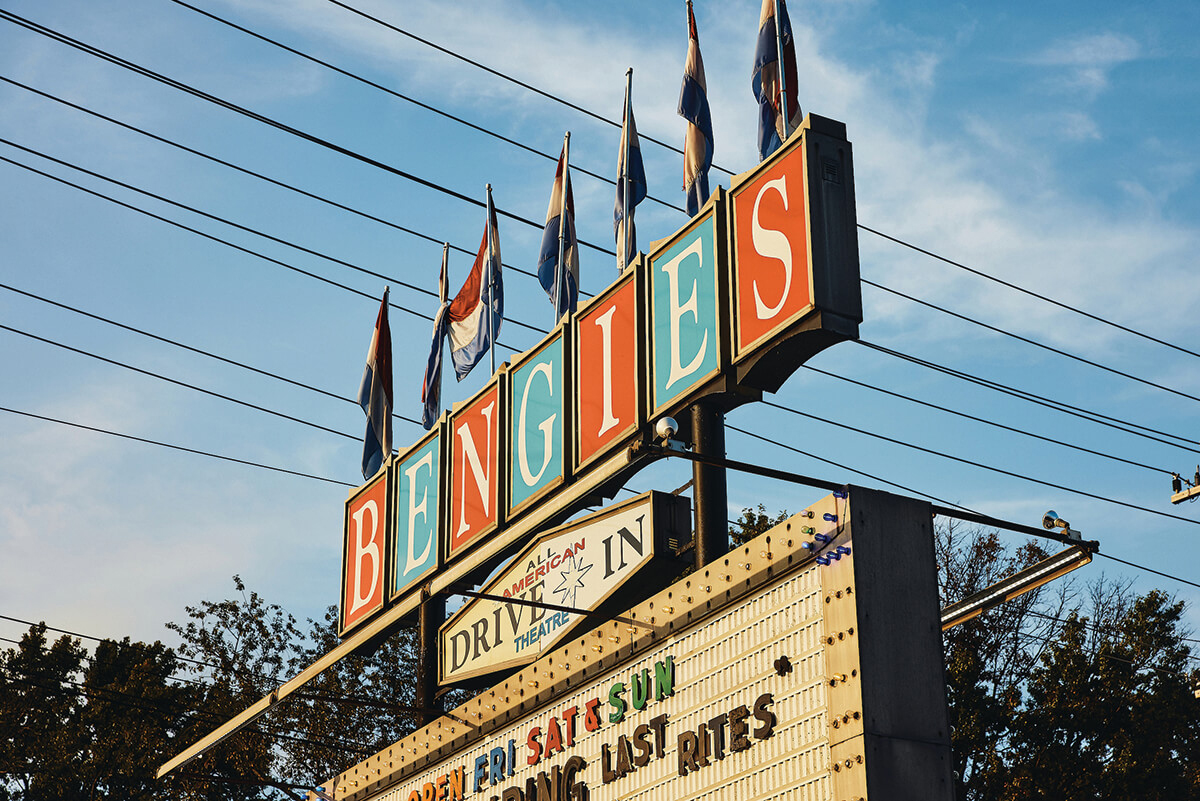
The Bengies marquee, which replaced the original in 1973.
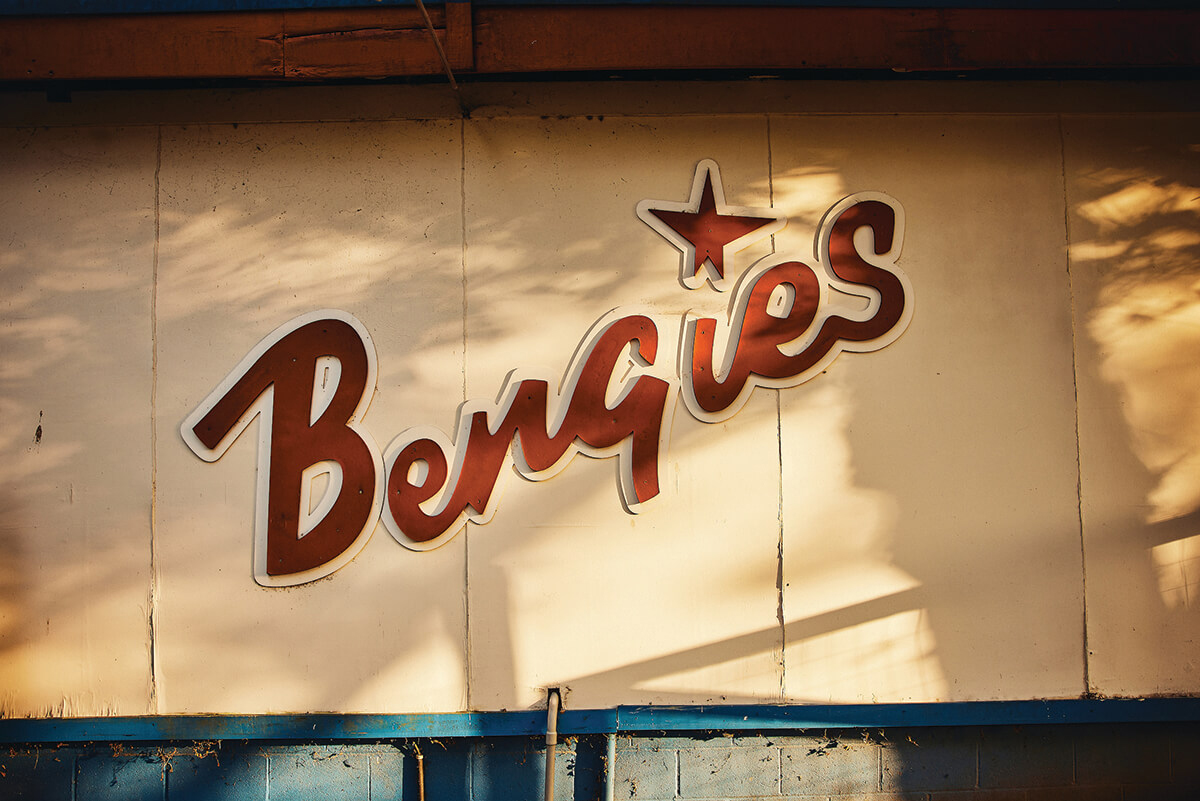
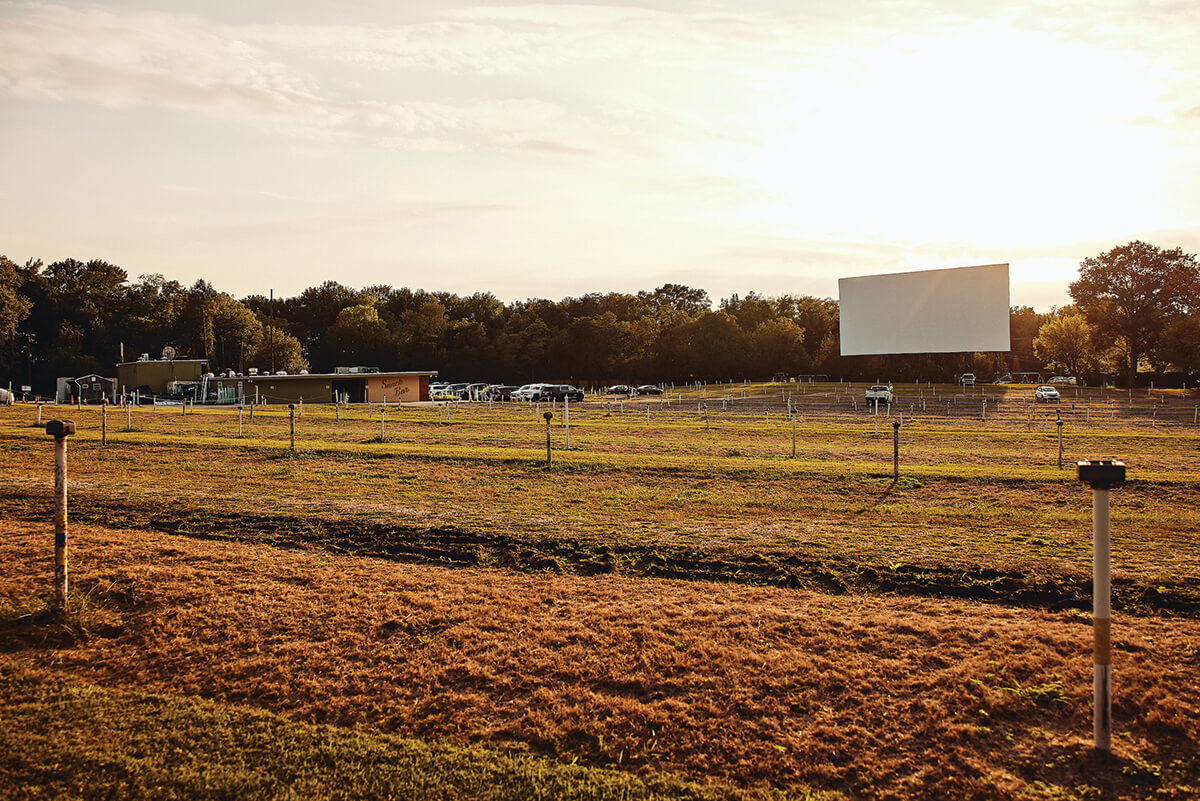
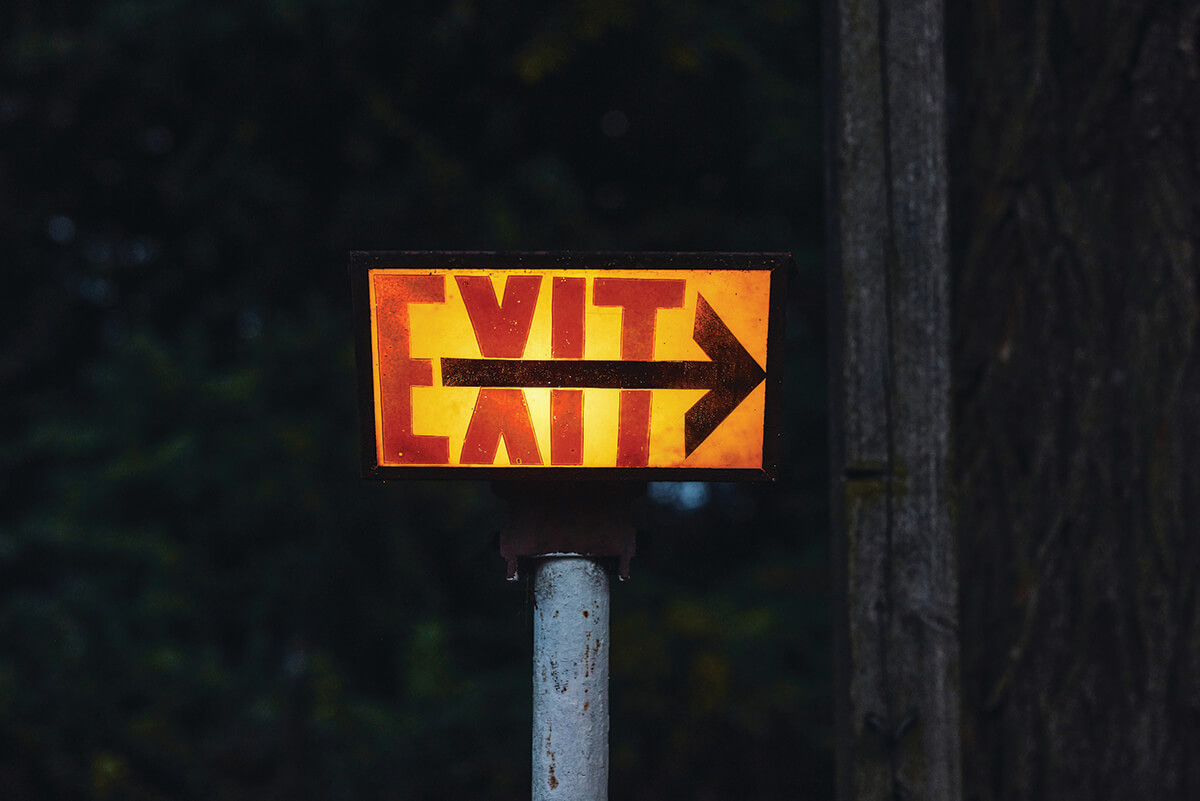
Retro signage and the empty movie screen, said to be the largest remaining in the United States.
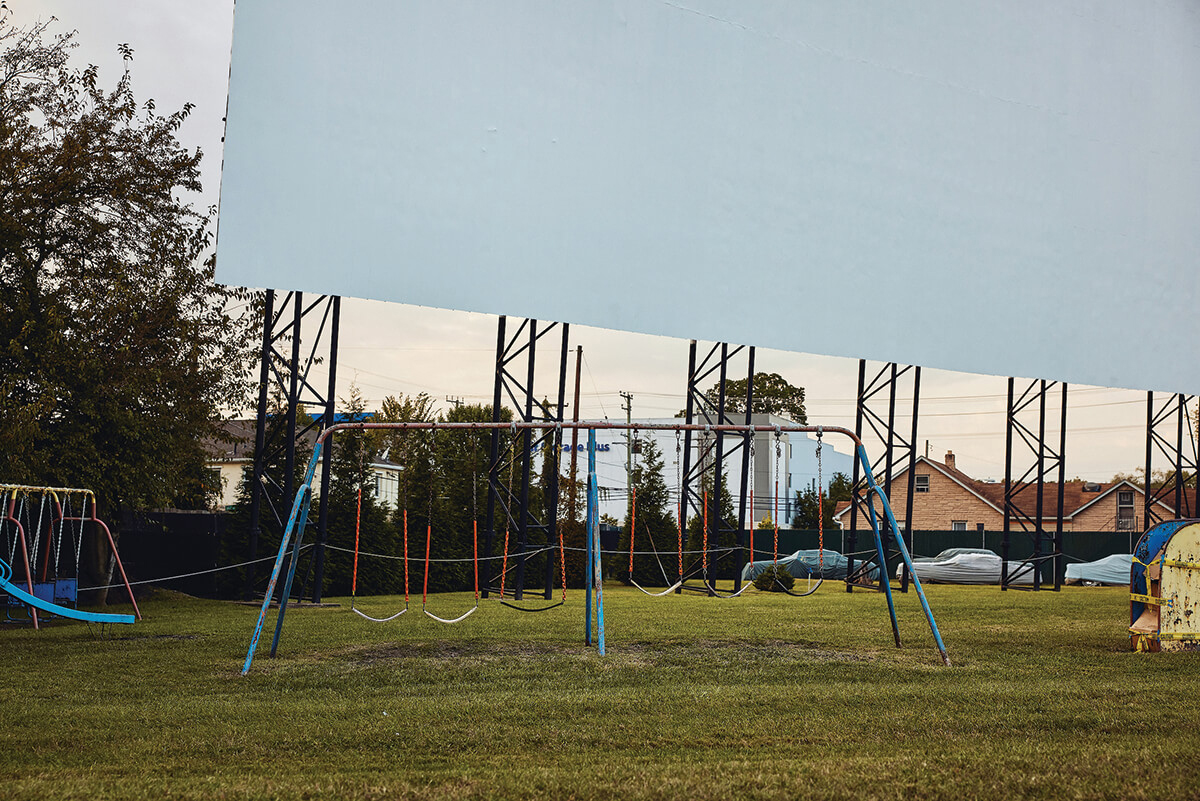
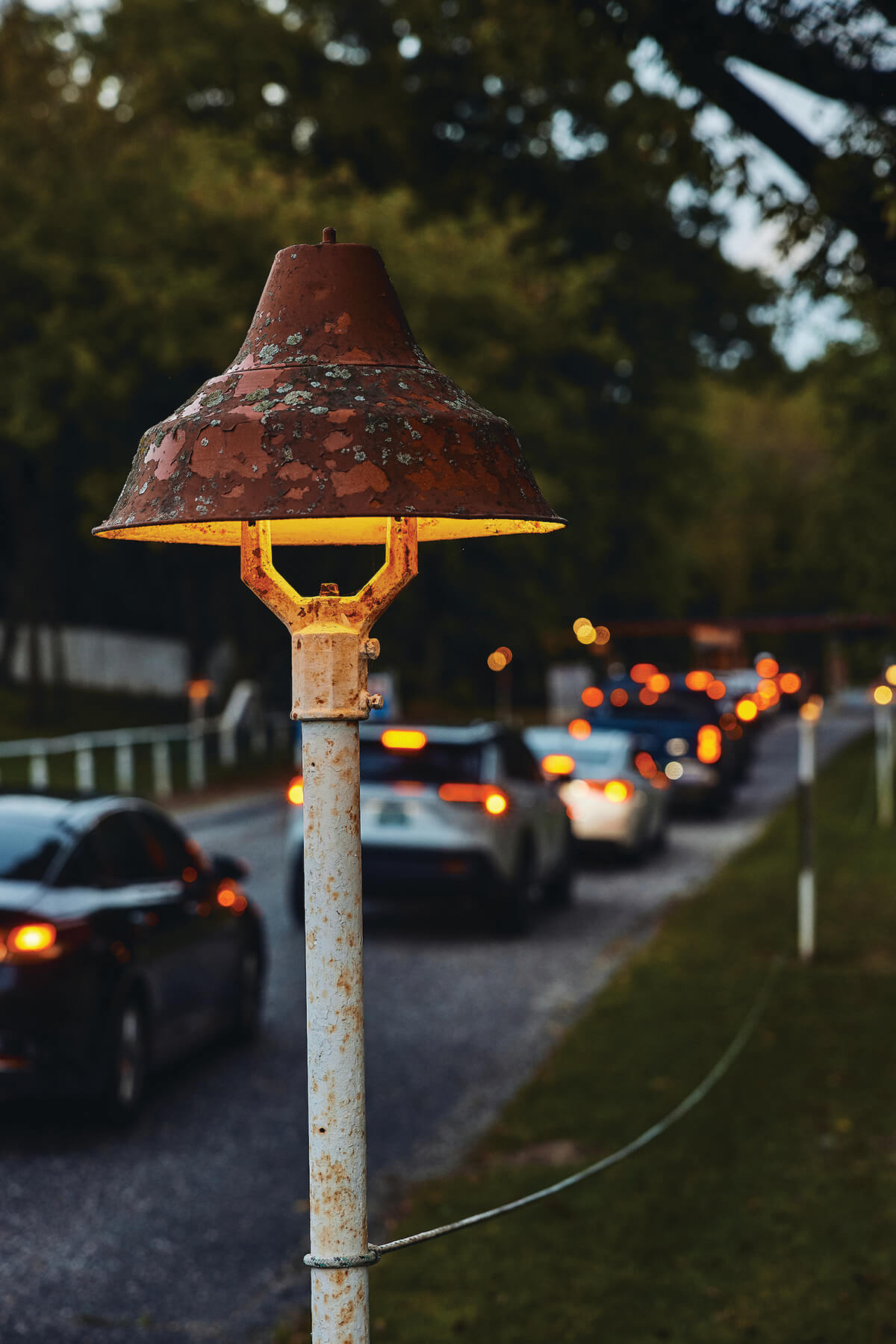
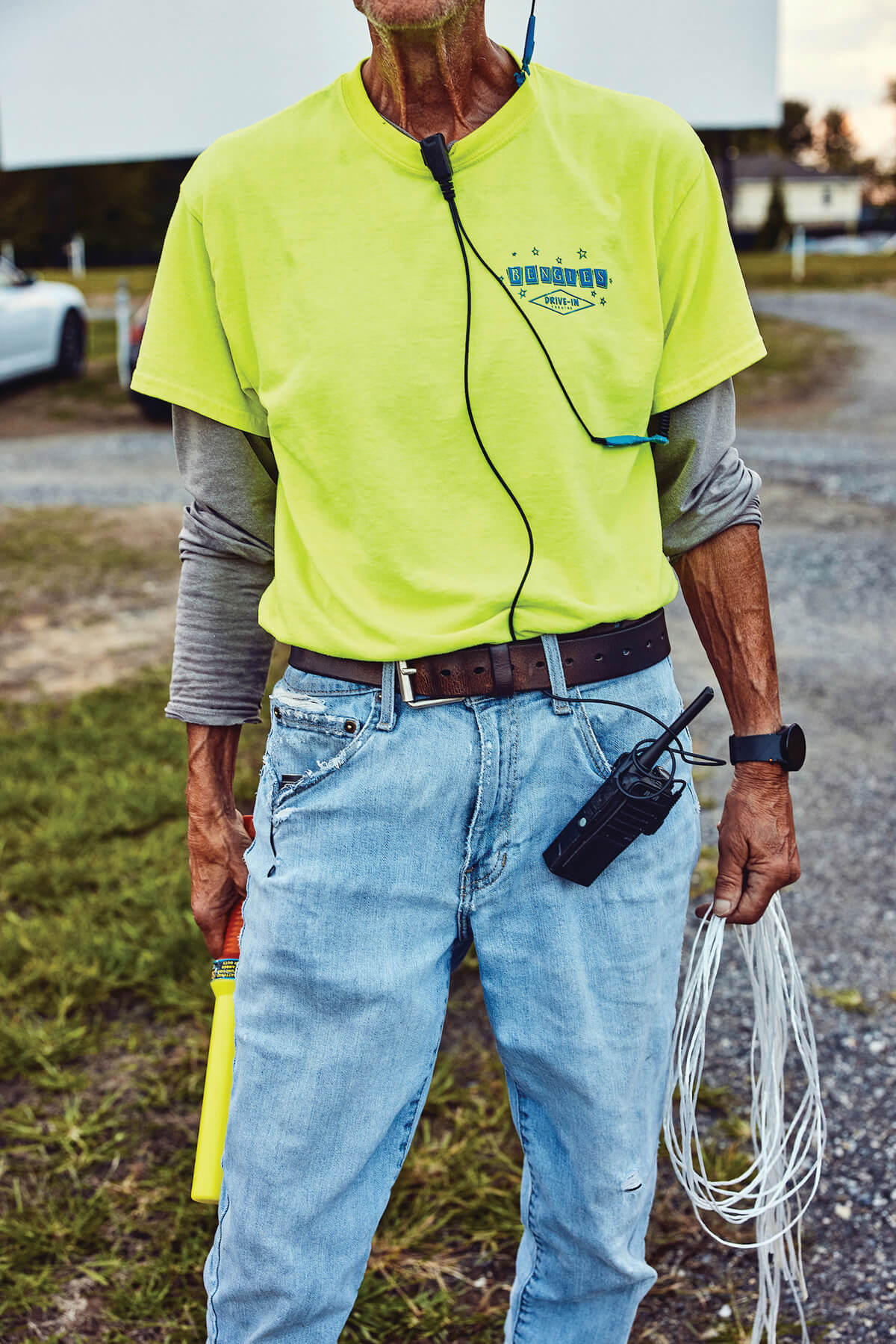
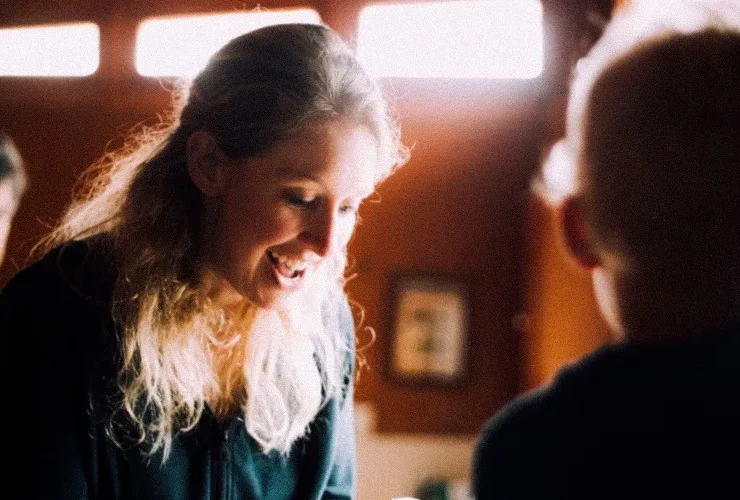
Scenes from a
movie night at Bengies: A swing set awaits a
pre-show hang; staff helps direct traffic; a row
of cars queues into the ticket booth off Eastern
Avenue
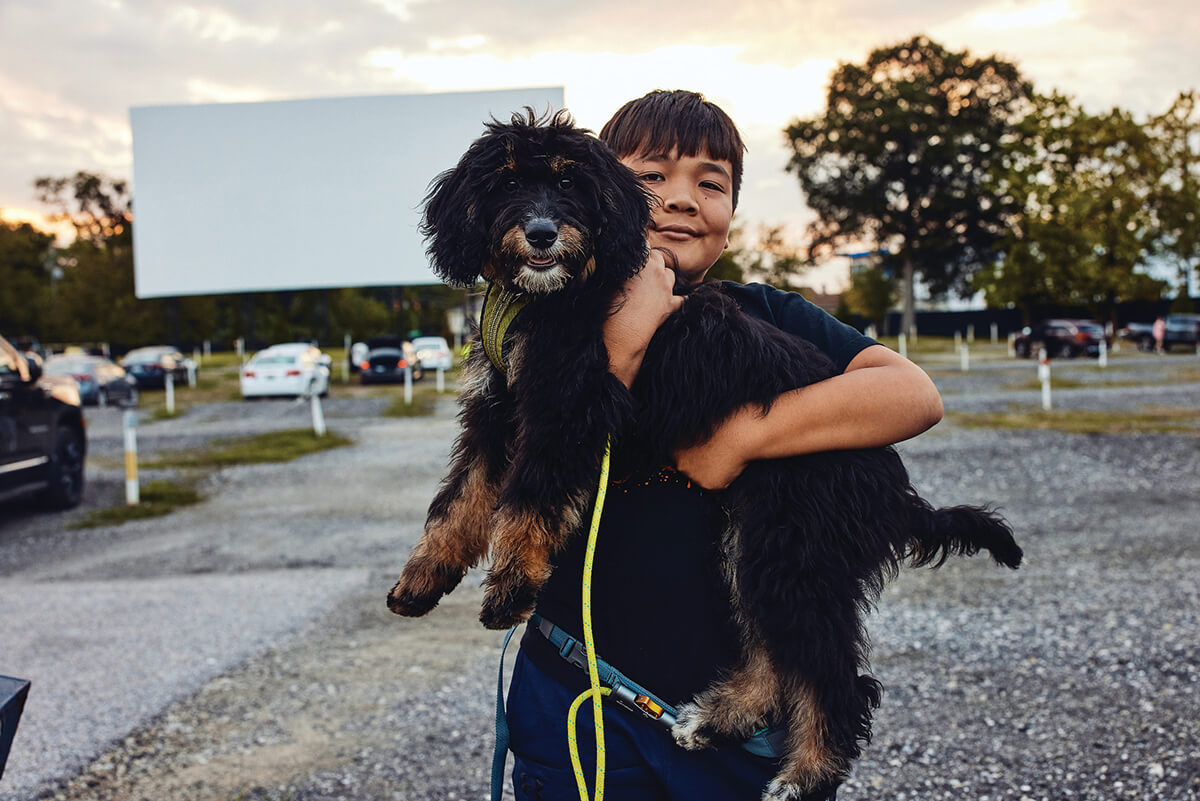
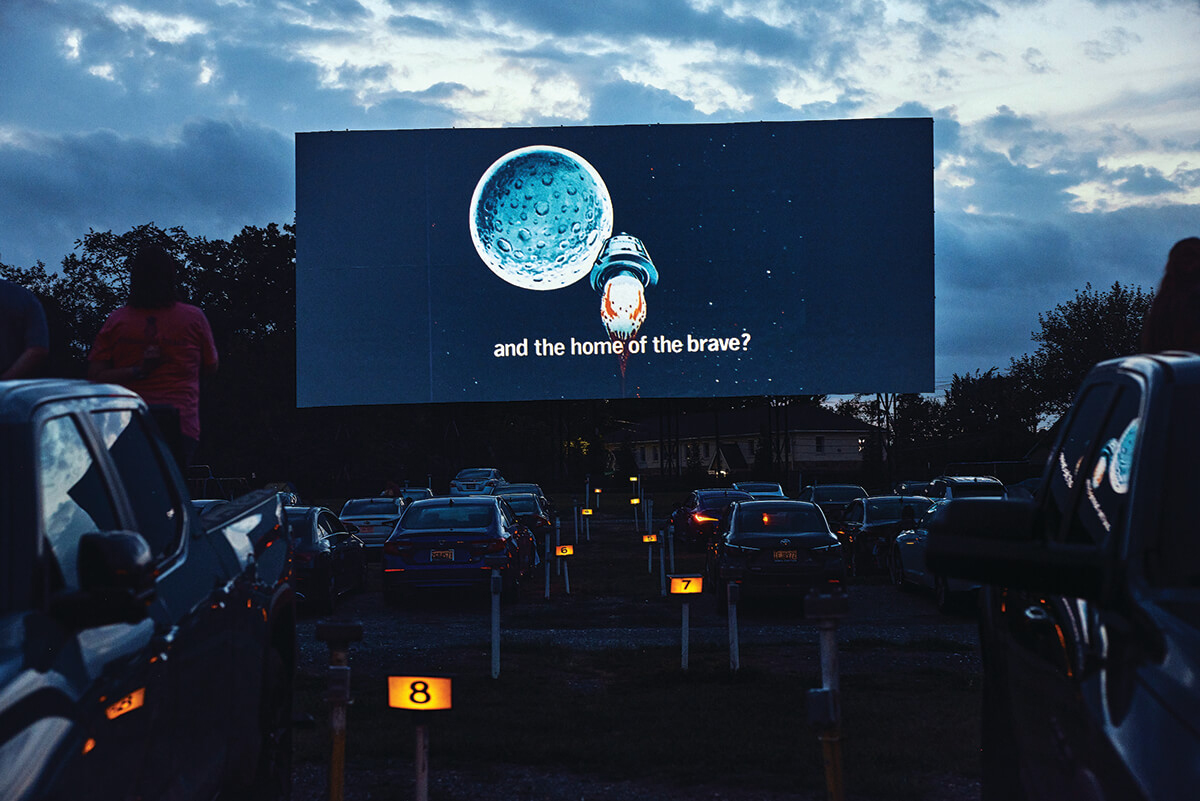
A patron
shows off Bengies’ pet-friendly policy; every
evening begins with the National Anthem.
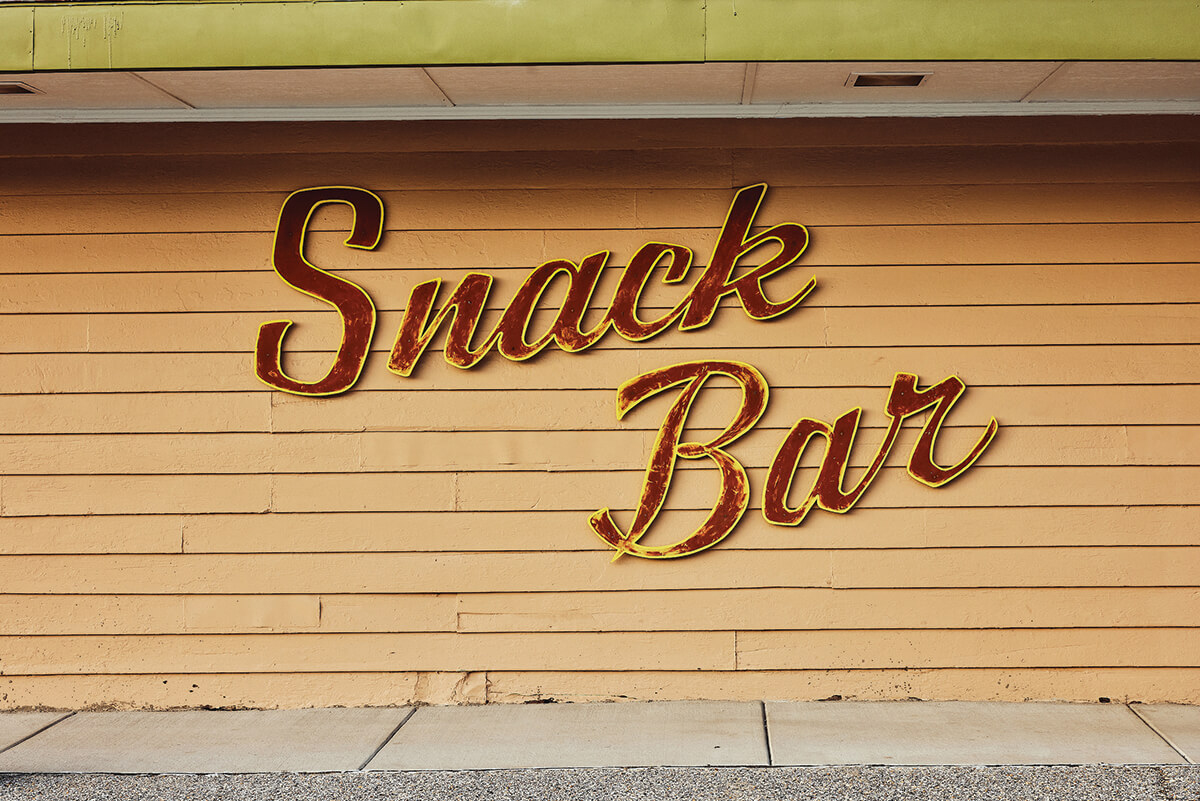
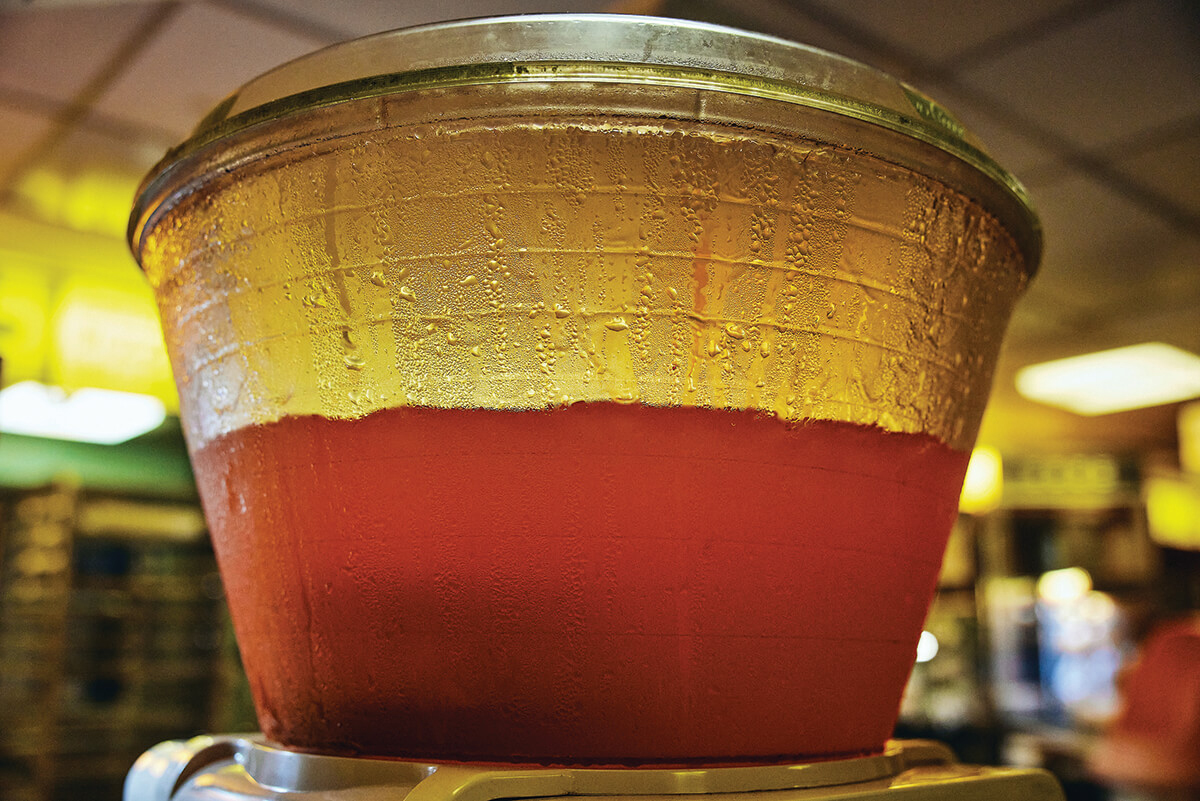
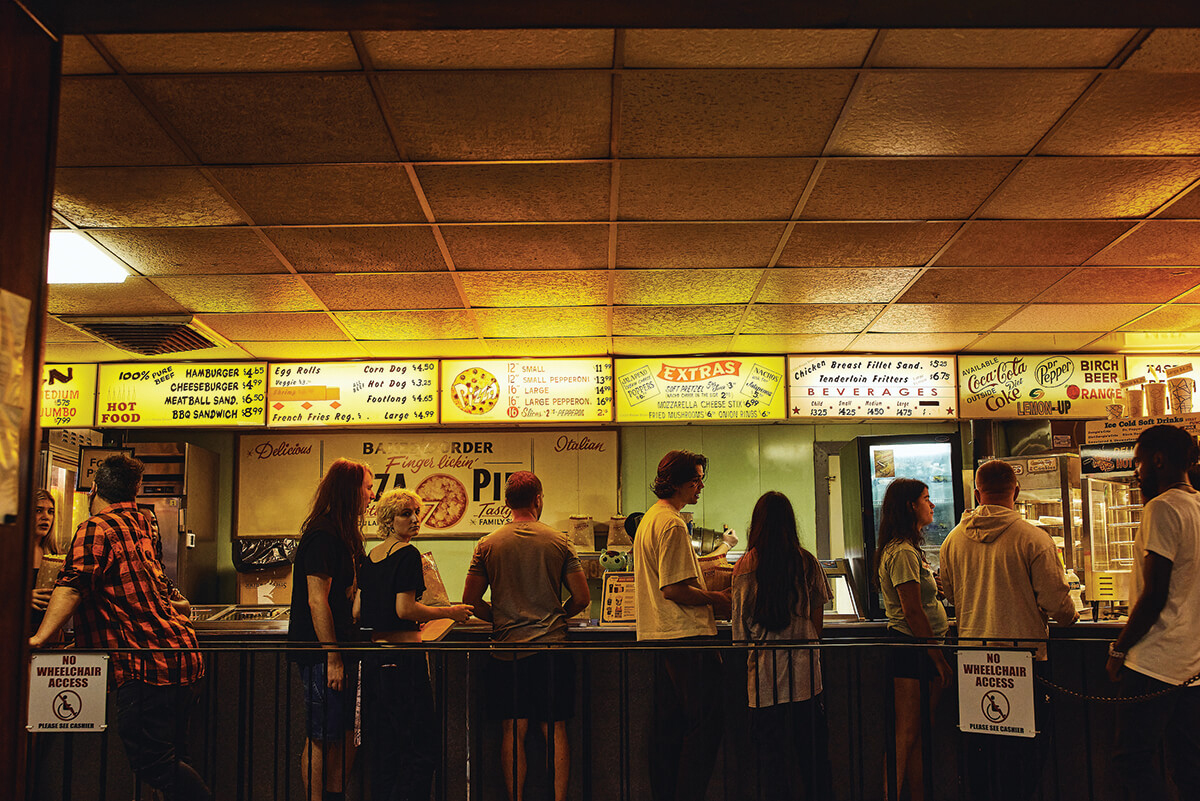
Scenes from the
concession stand at Bengies, which slings
everything from hot dogs, hamburgers,
and crinkle-cut French fries to Baltimore’s
beloved snowballs and lemon peppermint sticks.
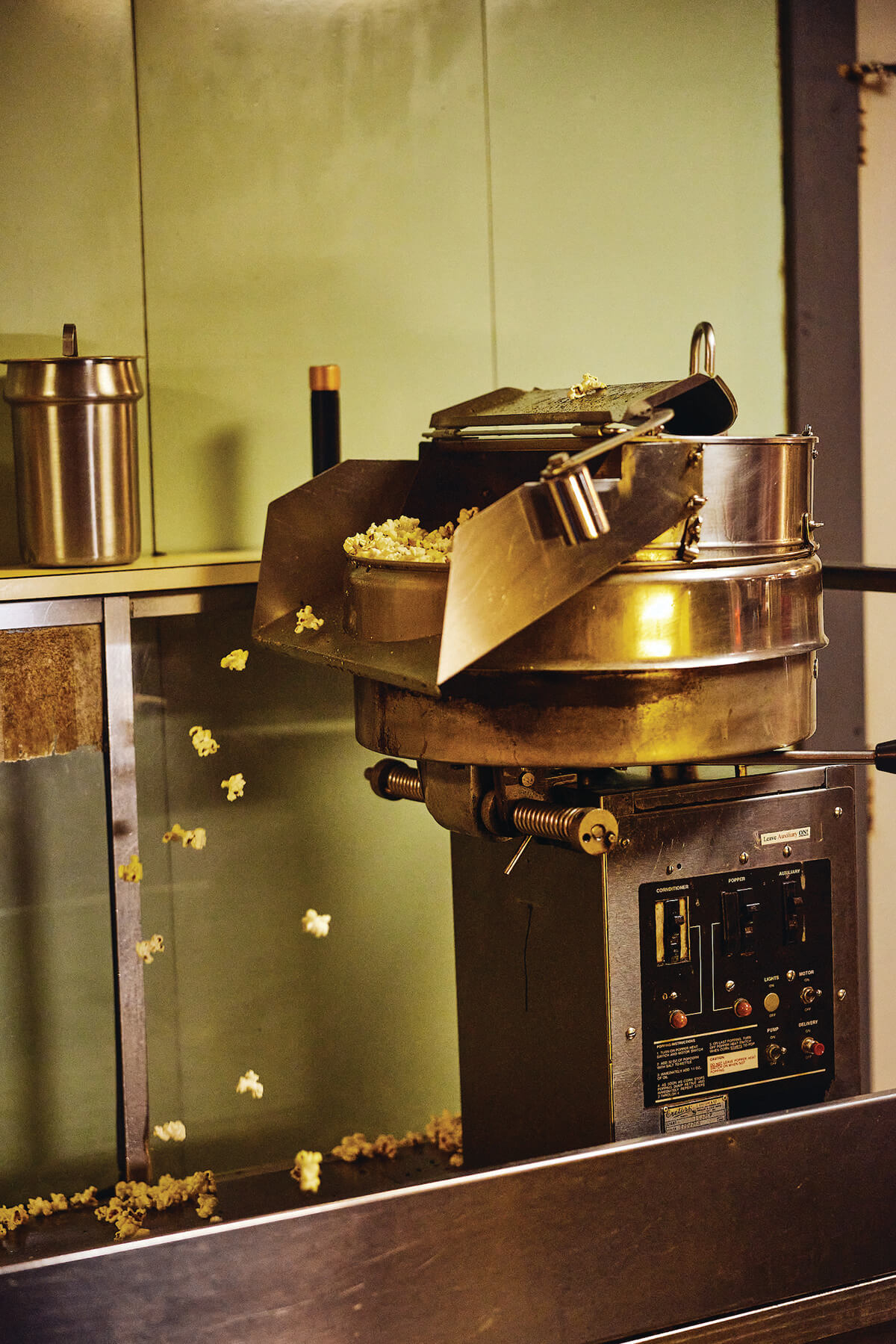
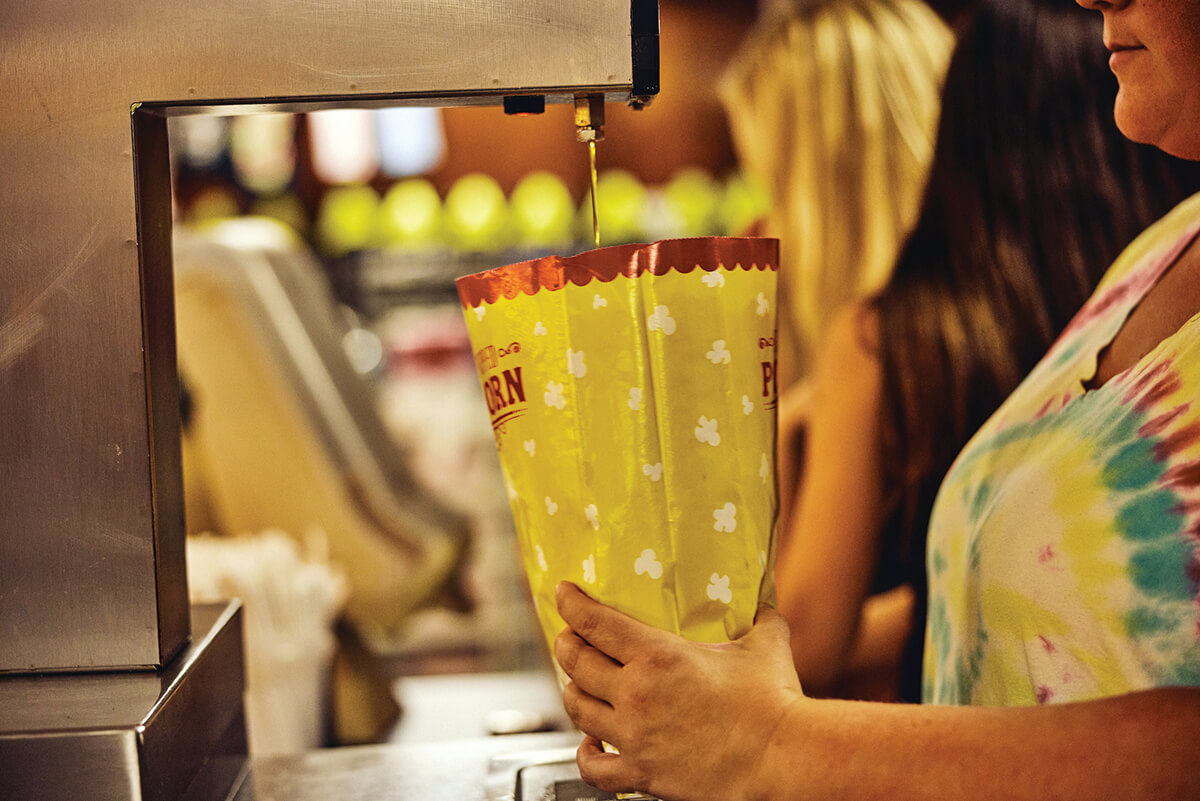
Fresh
popcorn cooks away in the snack bar,
with extra butter always on offer.
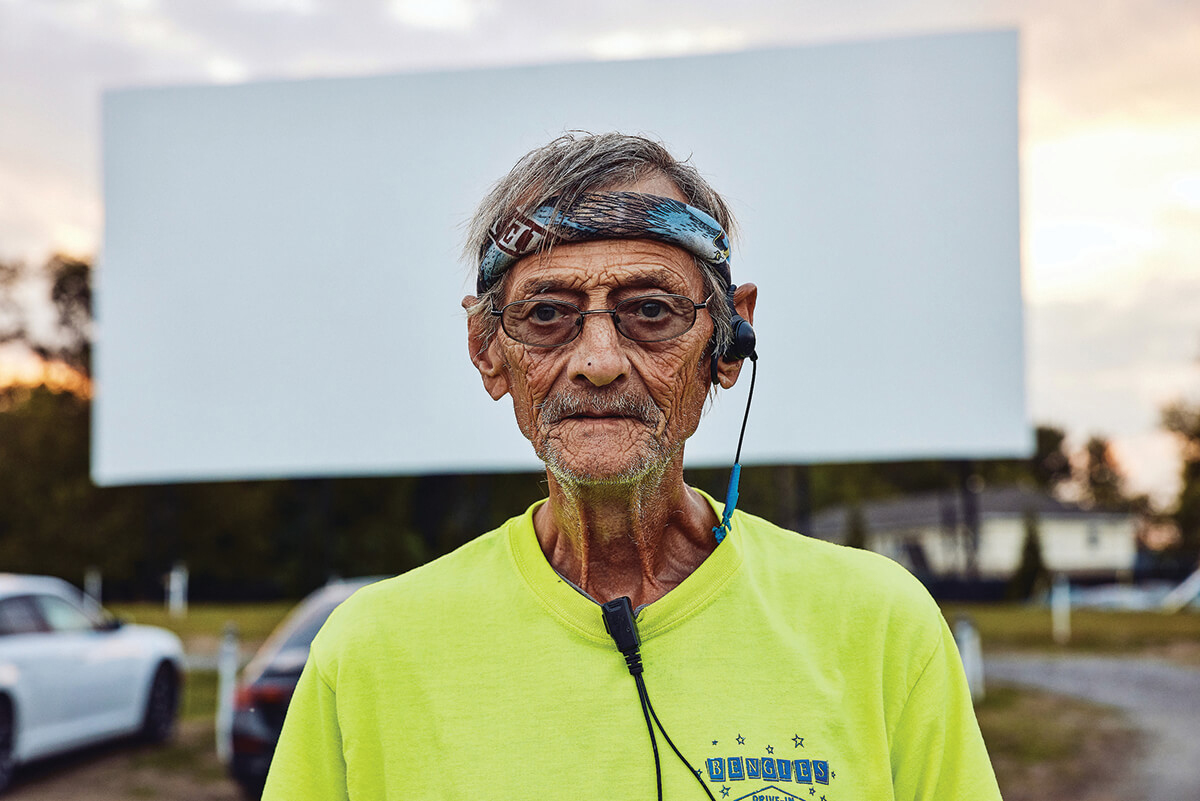
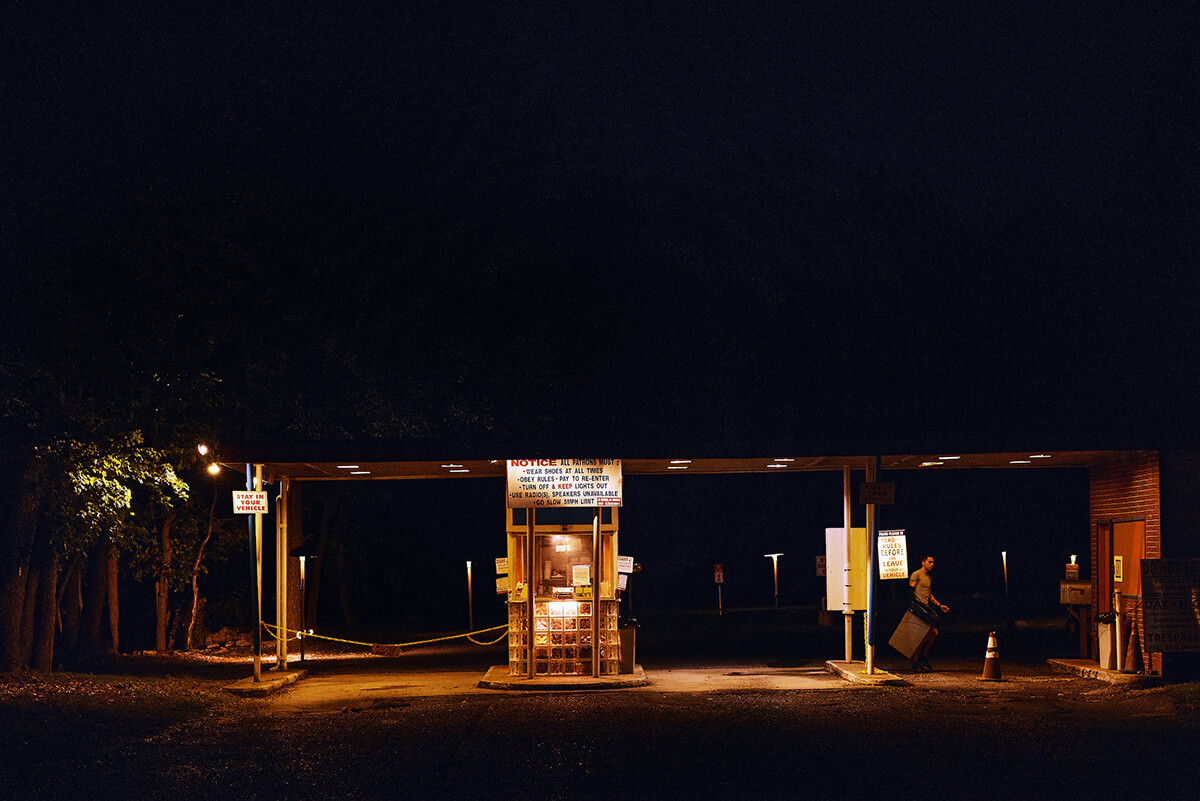
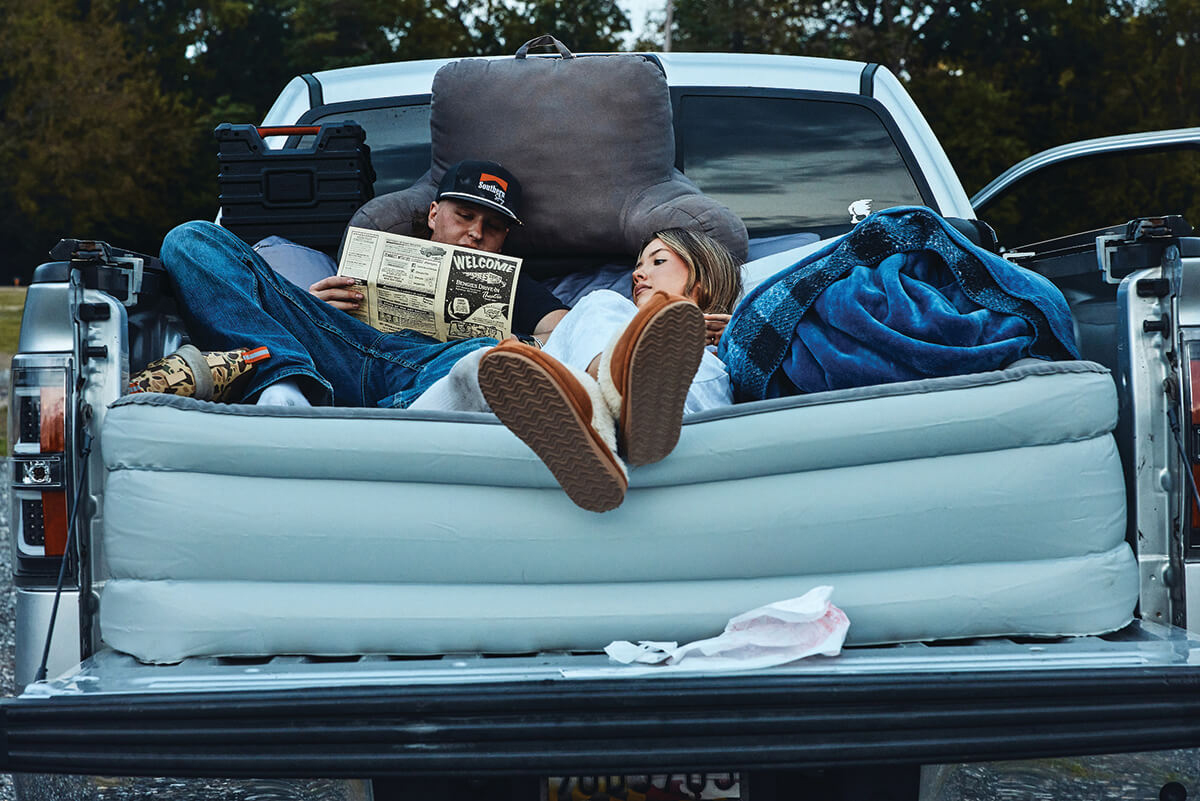
From top: Field
attendant Don Heller, who’s worked at Bengies
for more than a decade; A quiet ticket
booth at the end of the night; patrons get
comfortable for a double-feature film.