From the gentle rolling hills of Frederick County to the lush fields of the Eastern Shore, it’s hard to swing a shovel without hitting farmland in the Old Line State. Head east toward Kent, Queen Anne’s, or Caroline counties, south to St. Mary’s, or north toward the foothills of the Piedmont region, and you’ll understand why, in every direction, Maryland is one of the country’s most diverse agricultural states. In fact, according to the Department of Agriculture, farming is our largest commercial industry, with 6,000 full-time farmers who contribute $8 billion annually to the local economy.
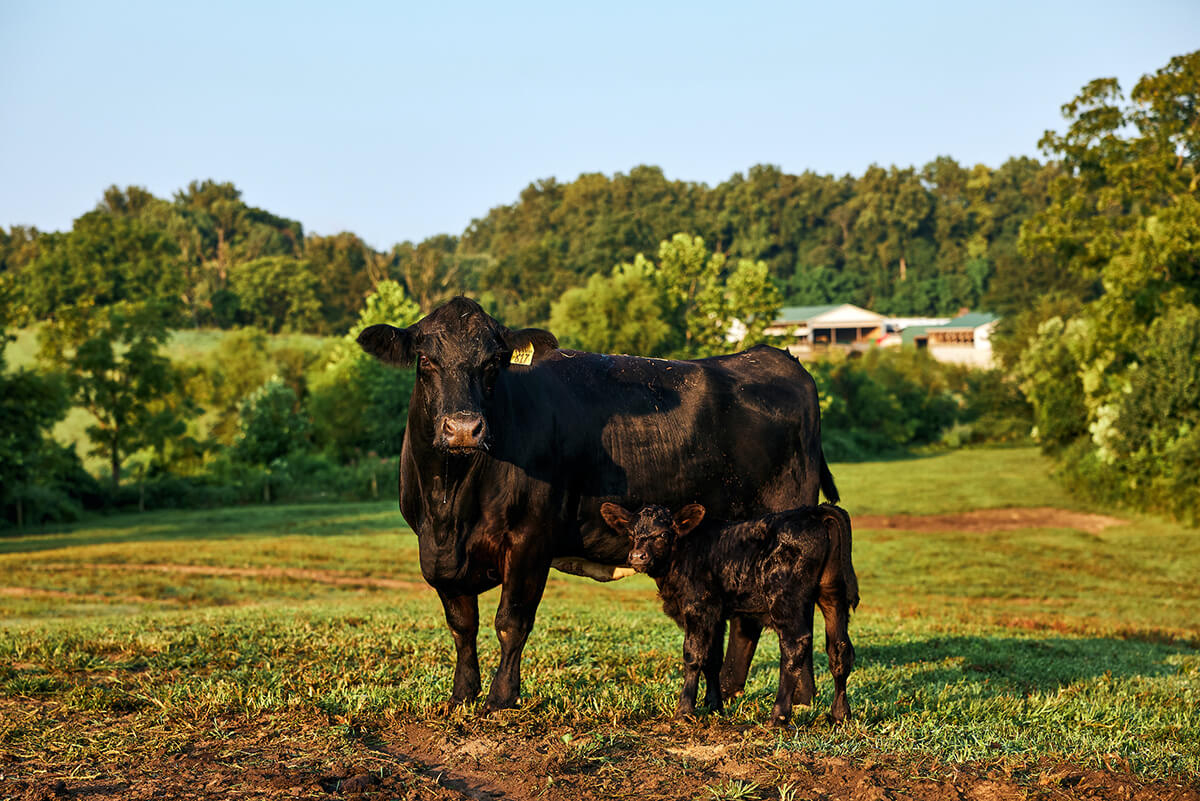
In total, our small but mighty state has nearly two million acres of farmland, comprising more than 12,000 farms, making agriculture the state’s largest land use (about 32 percent). And while plenty of those are industrial operations producing poultry, soybeans, and corn, smaller family-owned farms abound, too. Of course, it helps that we sit squarely in an agricultural sweet spot of USDA growing zones, giving us a versatile growing climate. The result is a cornucopia of food that flourishes here, including peaches, peas, peppers, potatoes, pumpkins, and pawpaws (our only native fruit).
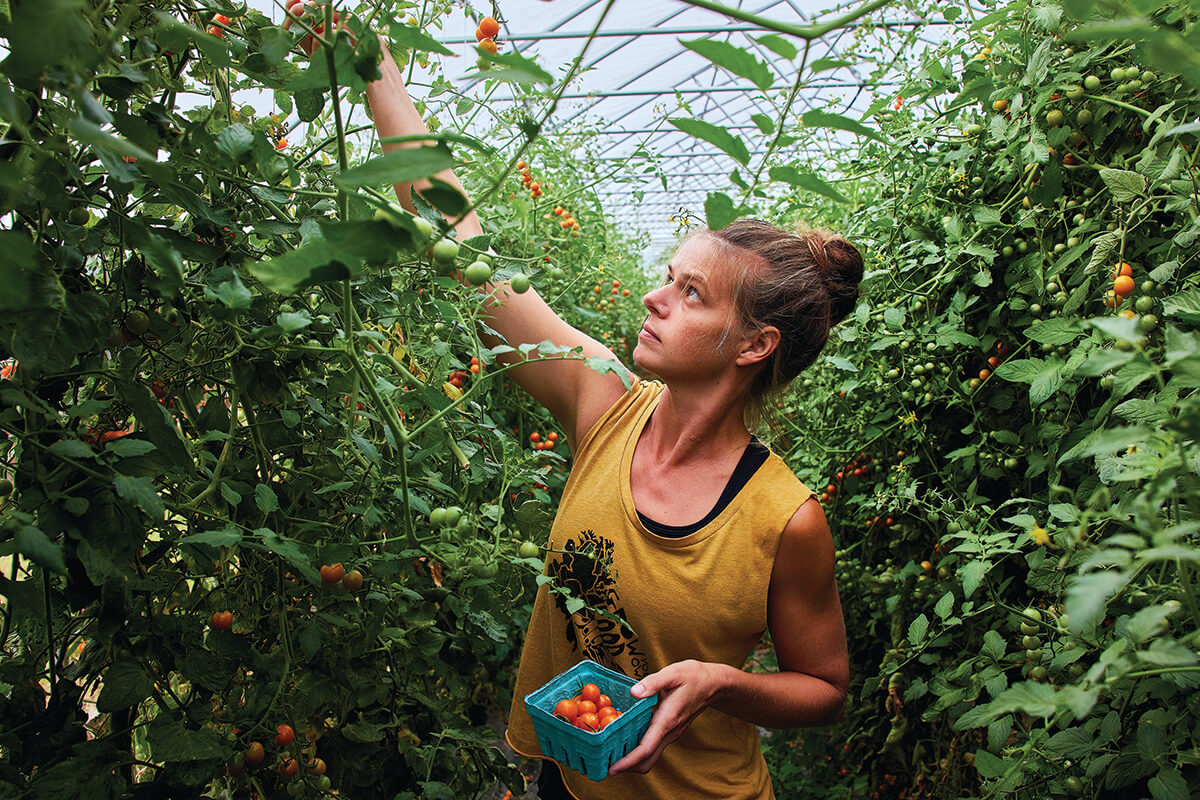
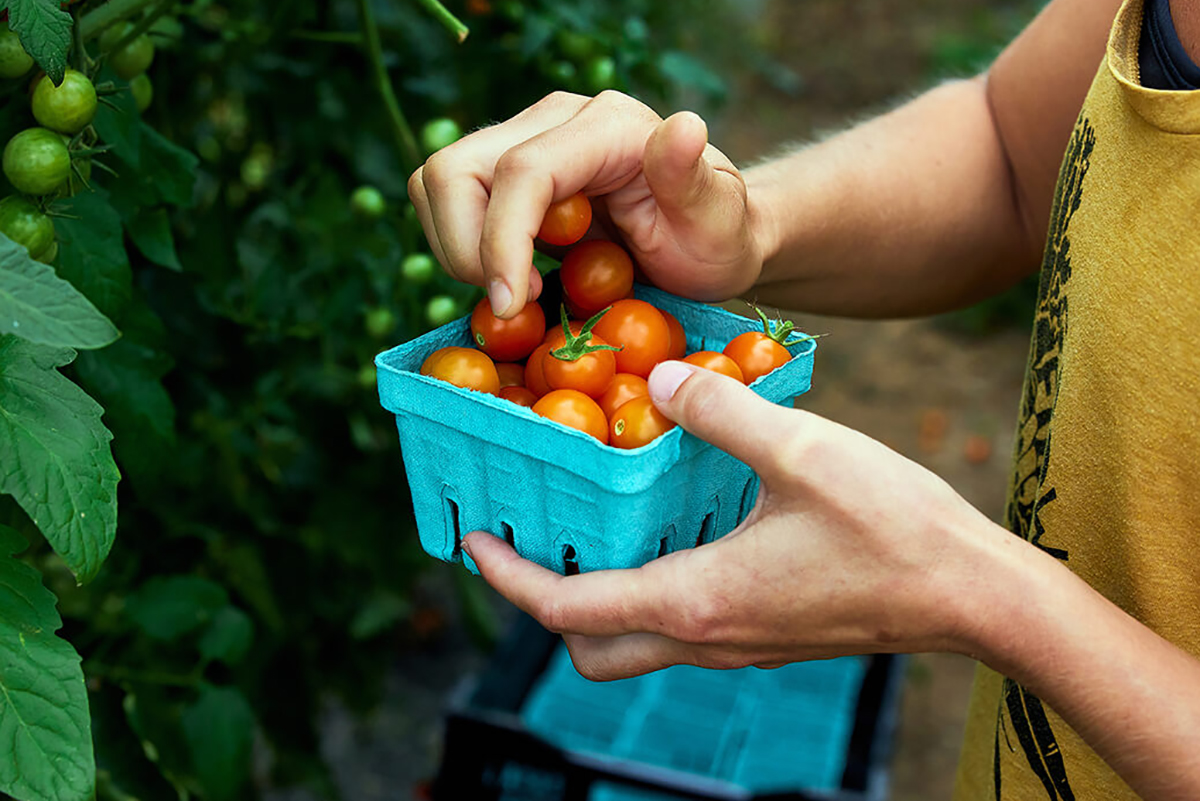
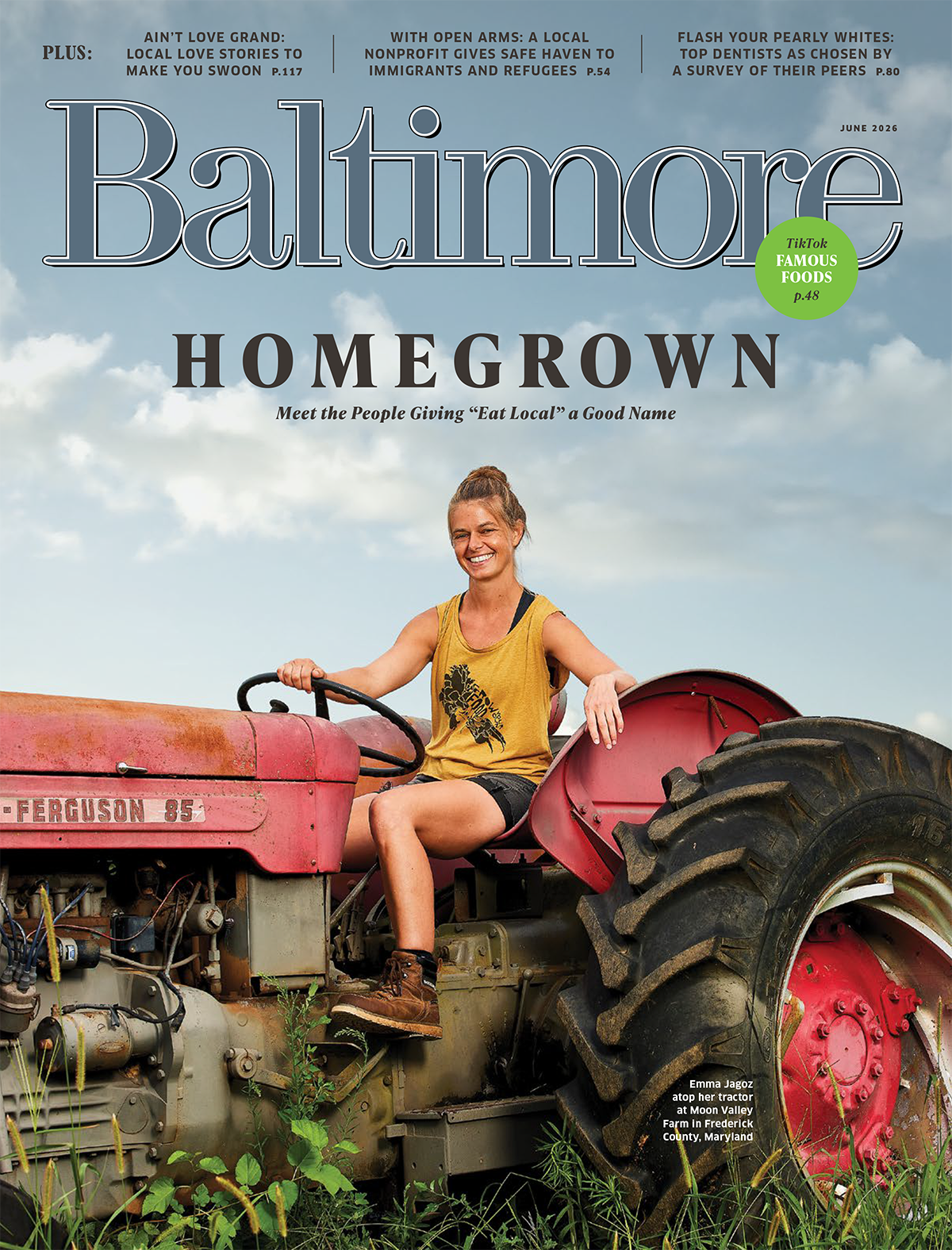
As writer Wendell Berry once put it, “Eating is an agricultural act,” and throughout this feature, we highlight a variety of farms whose passion, purpose, and growing methods prove that’s no small feat. Among them is Moon Valley Farm, a first-generation fruit and vegetable operation in Woodsboro, where cover star Emma Jagoz has become a leading force, thanks to her regenerative farming, certified-organic CSA subscription (aka community-supported agriculture), and year-round bounty that finds its way into the area’s most lauded restaurants.
Even if you’re not a professional chef, supporting local farms matters. For starters, you’ll know exactly where your food comes from—and how it is grown or raised. Eating locally is also better for your health—foods that spend less time in transit retain their flavor, freshness, and nutritional value, yielding as much as 70 percent more vitamins. Buying locally also puts money back into Maryland’s economy, helping neighbors and building more resilient communities, as seen during the pandemic. And of course, it’s better for the environment—shorter travel distances require less fuel and thus emit fewer greenhouse gases.
In the stories linked below, you’ll meet local farmers who play a pivotal role in the region’s farm-to-table movement. They are stewards of the soil, ensuring fertile ground for future generations.
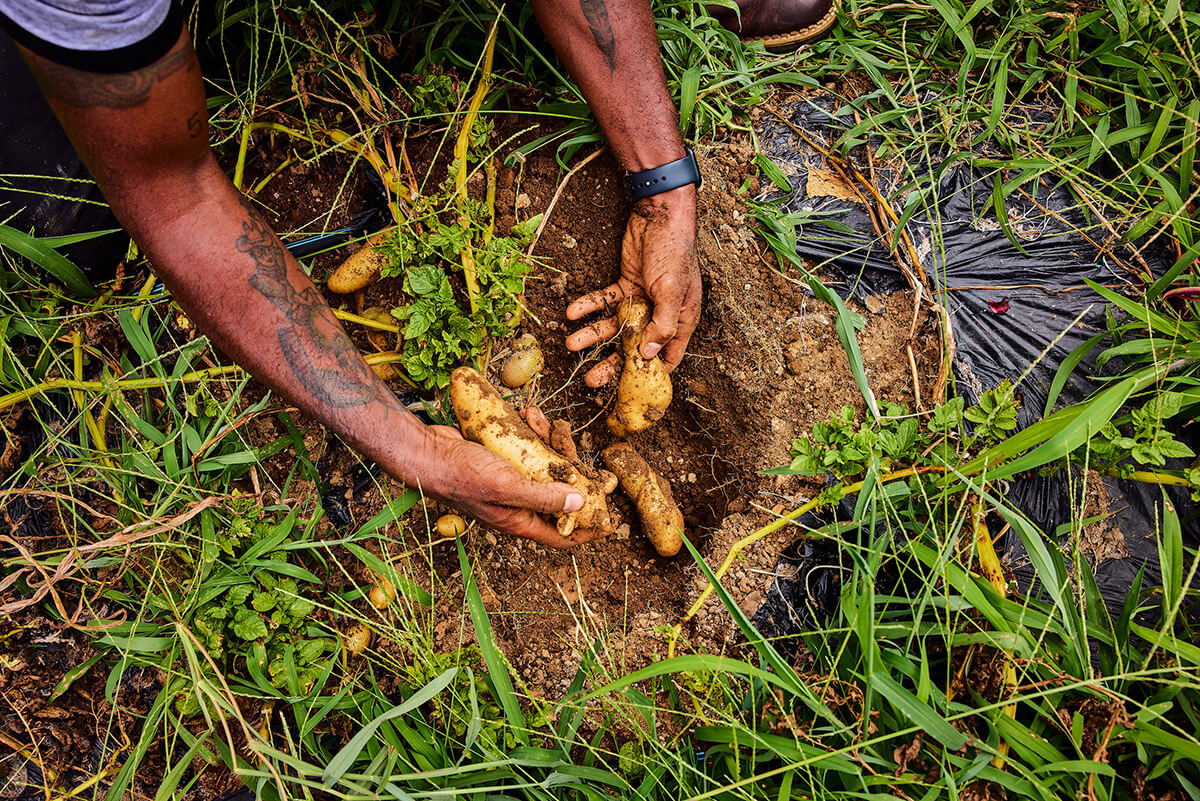
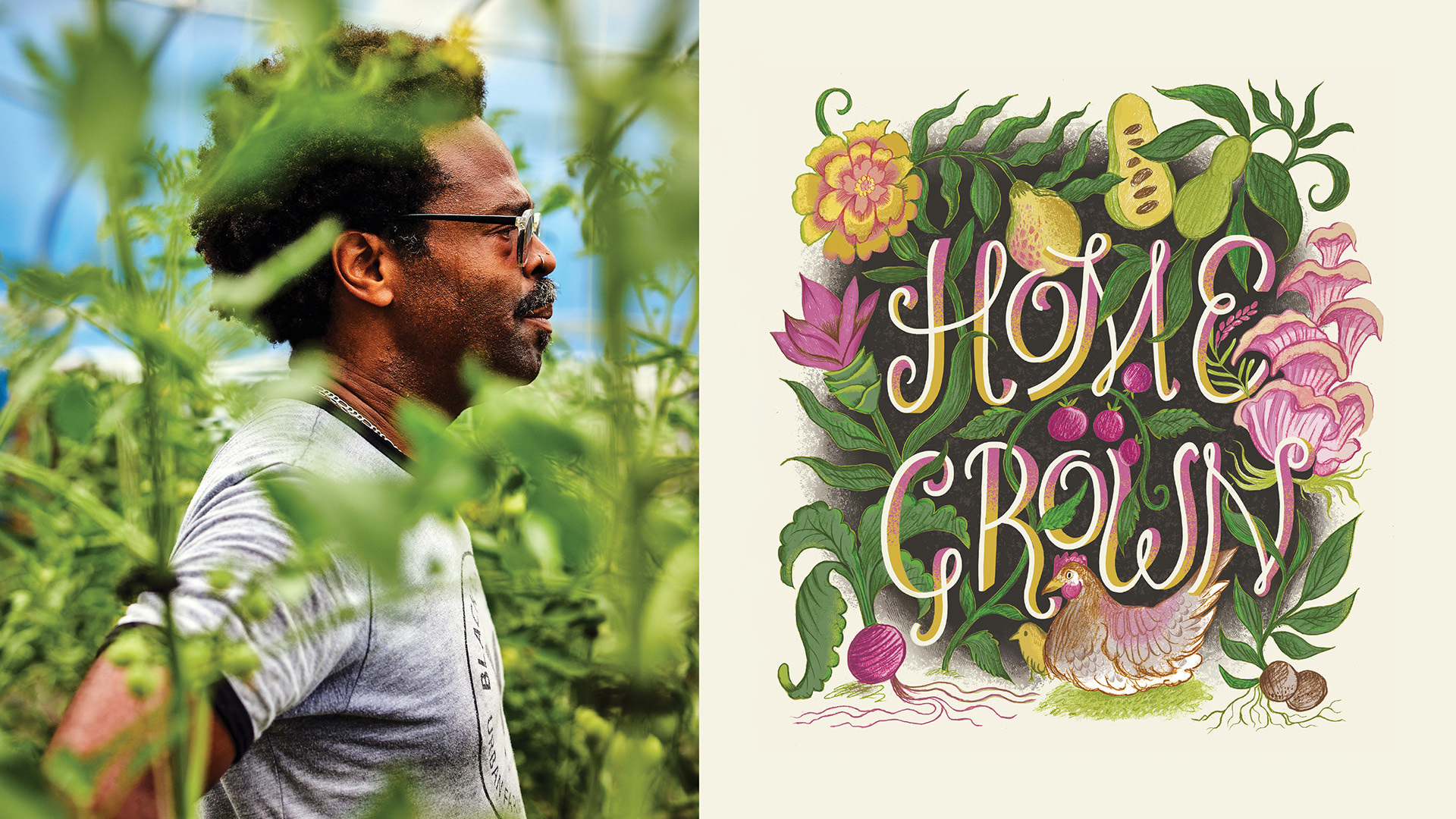
Above: Denzel Mitchell Jr., Executive Director of Black Butterfly Teaching Farm.