Homegrown
The Pleasure of Eating Local
How finding food close to home impacted one writer’s plate—and point of view.
Home Grown
The Pleasure of Eating Local
How finding food close to home impacted one writer’s plate—and point of view.
By Lydia Woolever
IT STARTED IN EARNEST with a pork chop. A big, baseball-mitt-sized, bone-in pork chop, pink as a rose with an inch-thick fat cap, purchased from Cottingham Farm in Easton, Maryland.
I can’t recall the specific details, but somehow I’d heard about this piece of meat from this particular farmer—Cleo Braver—and while back home on the Eastern Shore one weekend, I set out to find it. At the small-town St. Michaels Farmers Market, I bought two, to be thrown into a bowl of brine, then a piping-hot cast-iron pan with garlic and butter, sending their juices snapping up into the campfire breeze.
Maybe it was just the warm spring evening. But in that moment, as I finally sat down and took the first bite, I remember knowing, in my bones: This was the best pork chop I’d ever eaten in my whole life.
I’d been to farmers markets before. As a kid on the shore, my mom dragged me into town on Saturdays to pick out petunias for her flowerpots and perfect ears of sweet corn to accompany our crab feasts. Later, as a young adult in New York City, I’d whisk through the Union Square Greenmarket to grab apples on my rush to work. This was where I first saw ramps, rhubarb, fiddlehead ferns—though at the time I was too broke to buy them, and too young to really care.
At first, shopping local like this was merely happenstance. A cute obligation. A hungry convenience. Now, in my 30s, with the luck of a steady paycheck and the freedom to shop at my own leisure, this is how I buy most of my food.
Yes, I’m aware: This could sound insufferably pretentious. But did you know that during the right time of year, just down the road in Baltimore or on the Chesapeake Bay, you can find virtually anything your stomach desires: asparagus, celery, shallots, sunchokes, frisée, fennel, cardoons, kohlrabi, eggplant, escarole, okra, ginger—all grown right here? A fortune of fruits, from Asian pears to Italian plums. Butter that rivals the French. Grains that give sourdough a sense of place. And yes, the pork chops of dreams.
For me, learning this was like stumbling upon a hidden world, there all along. It was hard not to be amazed.
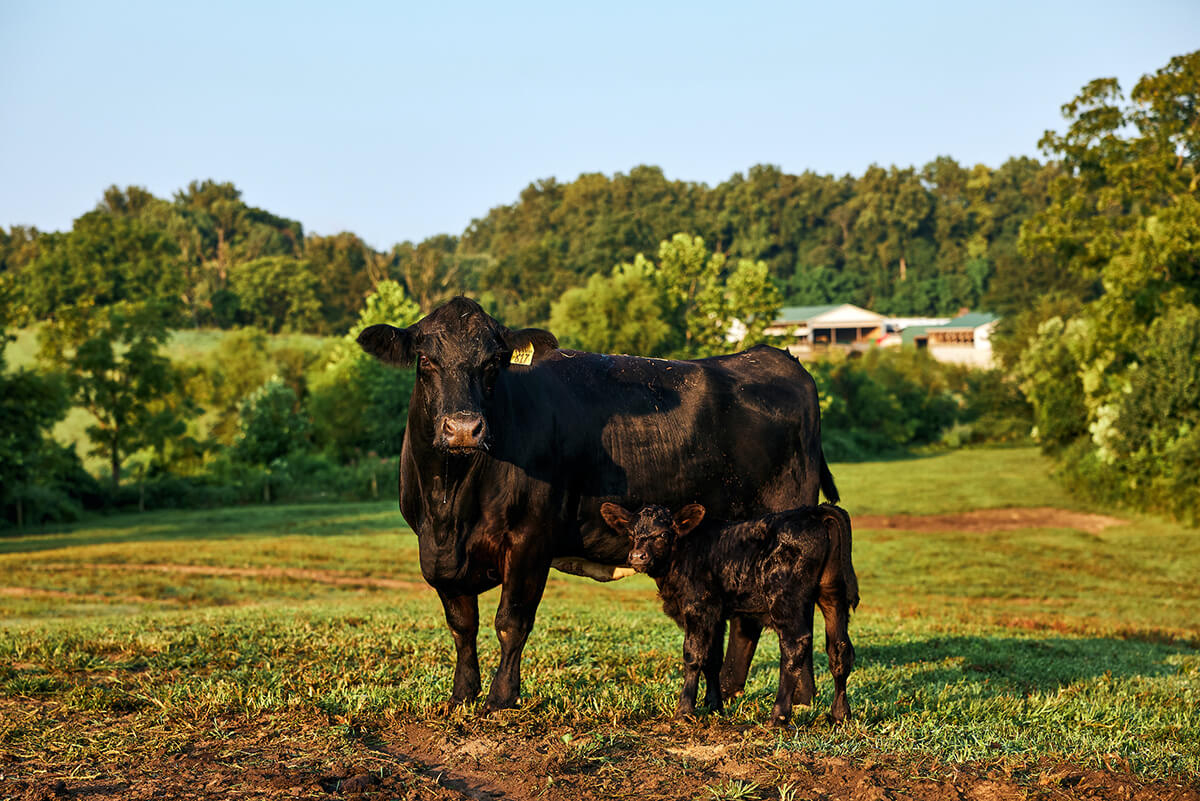
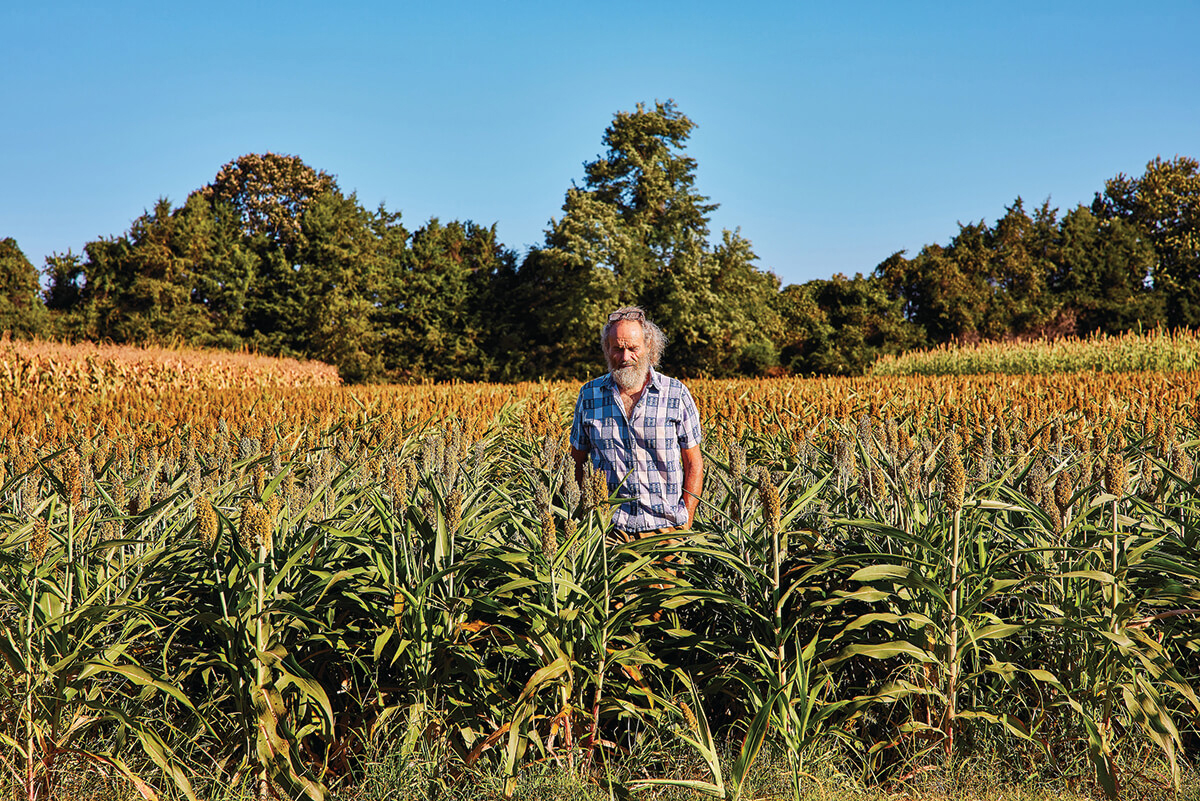
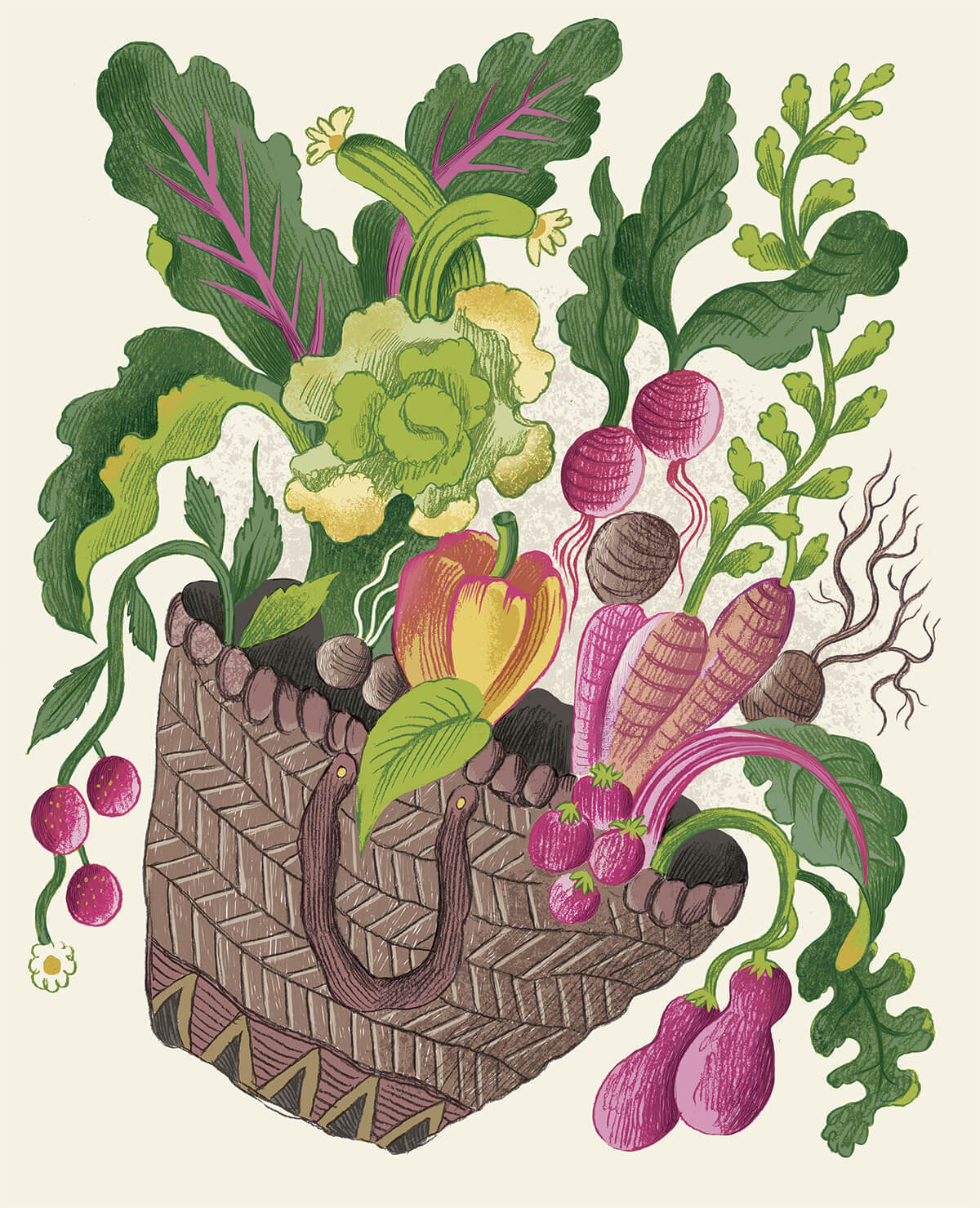
One farm slowly led to the next. A stack of egg cartons started piling up in the backseat of my car, to be refilled weekly with yolks as golden as the turmeric you can also find here, surprisingly. Soon, I was contemplating an extra freezer for other locally raised meats: chicken, lamb, beef. Eventually, I subscribed to a CSA, aka “community-supported agriculture”—a weekly box of seasonal abundance hand-delivered from a regenerative farmer and now friend—Kathleen Moss of Fox Briar Farm—who can tell me everything there is to know about her fields and food.
There are many reasons to eat local: ethical, environmental, economic. And also because, often enough, it just tastes better.
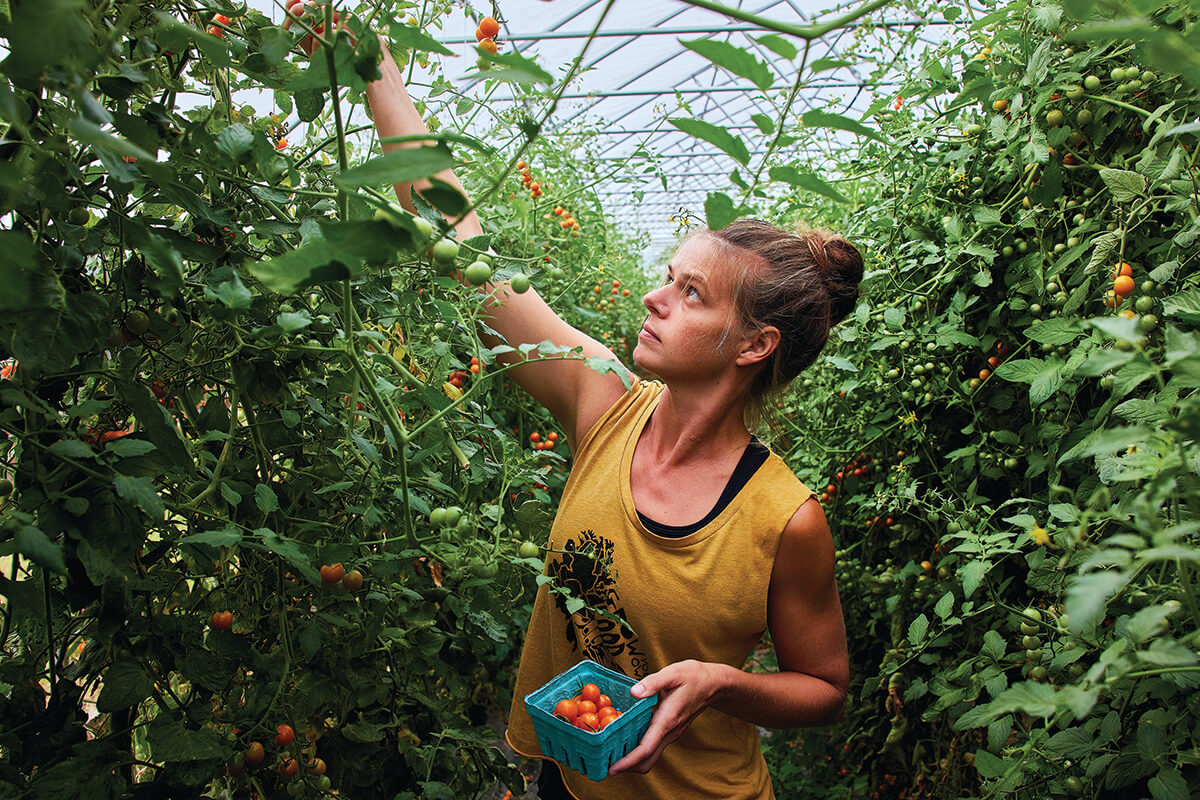
And that's not mere opinion. At the grocery store, ingredients hail from around the world, arriving in your hands already weeks to months old, with little known about their origins—a particular concern for fresh produce. Whereas on local farms, everything is typically harvested within hours of market—hopefully from healthier and more holistically tended soils than the chemical-soaked and ecologically-strained landscapes of industrial agriculture. That helps it both reach and retain its fullest flavor and nutrition, as much as 70 percent more of the latter. Not to mention shelf life, too.
The way I see it, that actually makes my dollars go further. And also keeps many of them within my community, which these exchanges help me feel more a part of, too. Local food gets a bad rep for being more expensive, and at times, it can be, thanks to capitalism’s economies of scale. Not everyone has the budget or access, though many farmers markets do accept nutritional benefits like SNAP, WIC, and EBT. But in this economy, in these unhinged times, it feels like one small-yet-big thing that I can do.
Sure, not everything I eat is local. I’m still a sucker for Duke’s mayonnaise. My inner child craves BLTs on white bread from Pepperidge Farm. I drink bottles of wine imported from Europe. And in a pinch, you’ll find me in the produce aisle, just like everyone else. A girl’s gotta have lemons. No purist here.
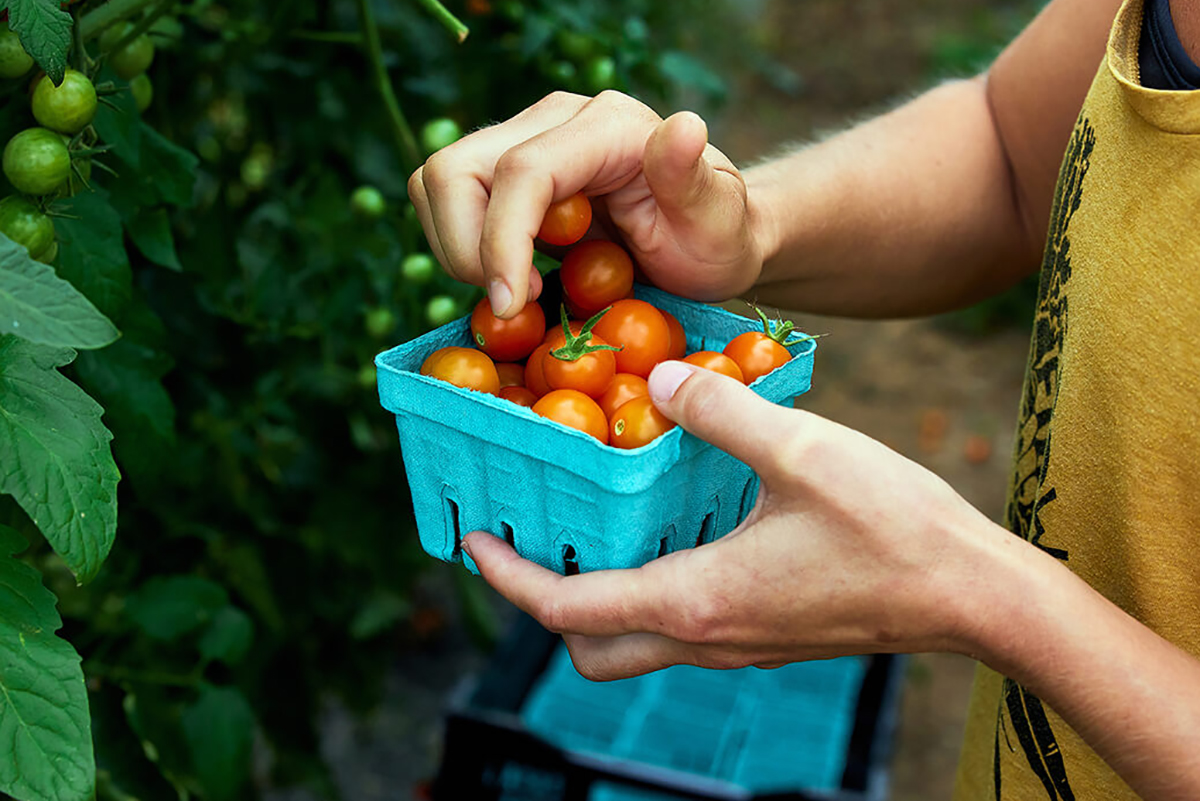
But waiting for the height of summer, packing my bags, heading to market, picking out the very first heirloom tomatoes of the season, bringing them home, scattering their ripe flesh with salt, then slowly devouring them as their juices run down my arms?
To me, that's bliss.