Home & Living
Caroline Maurer is Inspiring Cottage Gardeners, One Social Post at a Time
The master gardener transformed her plain suburban yard in Mt. Airy into a “flower maximalist” cottage garden—featuring romantic layers of flowers and shrubs—that has bloomed into a successful business.
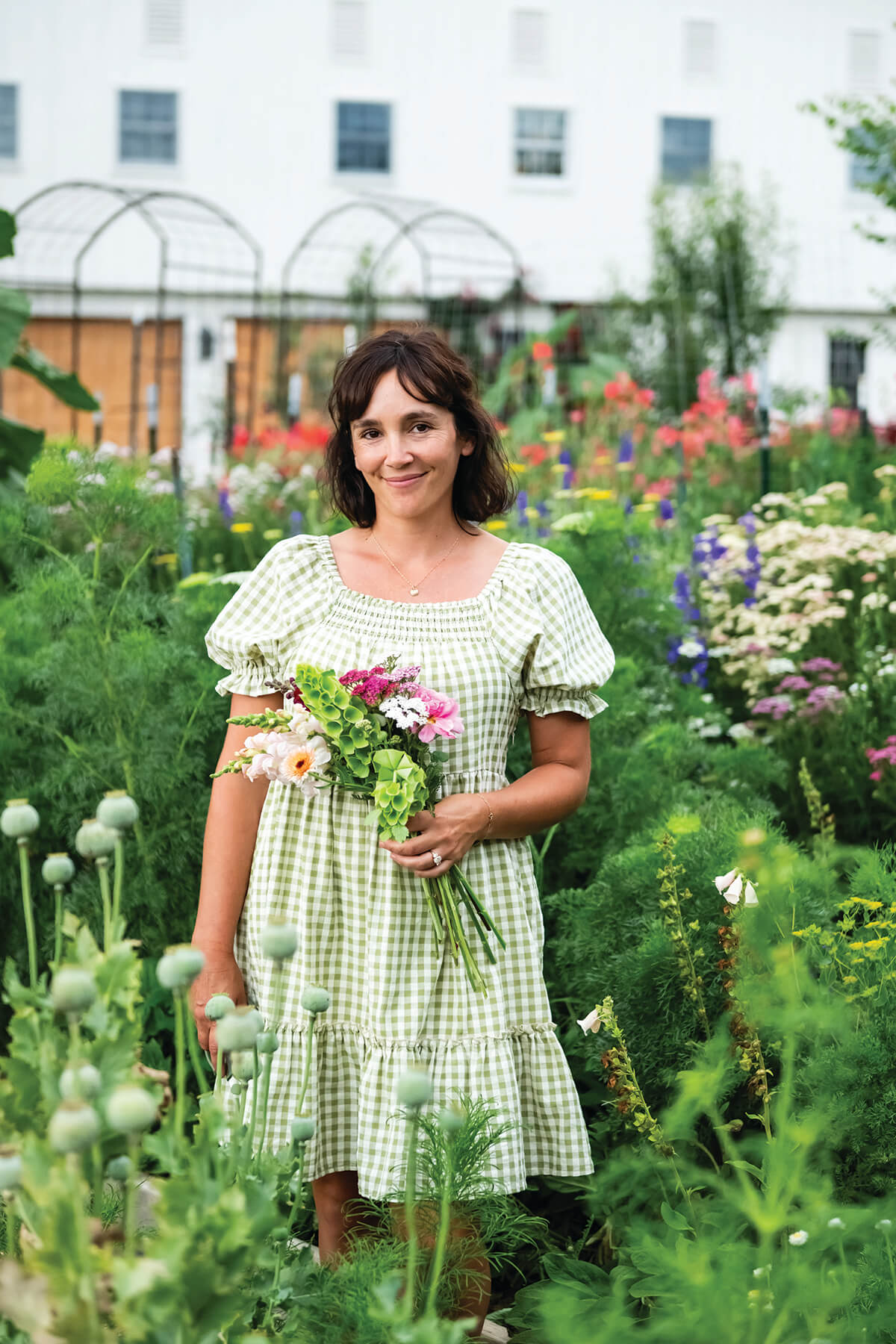
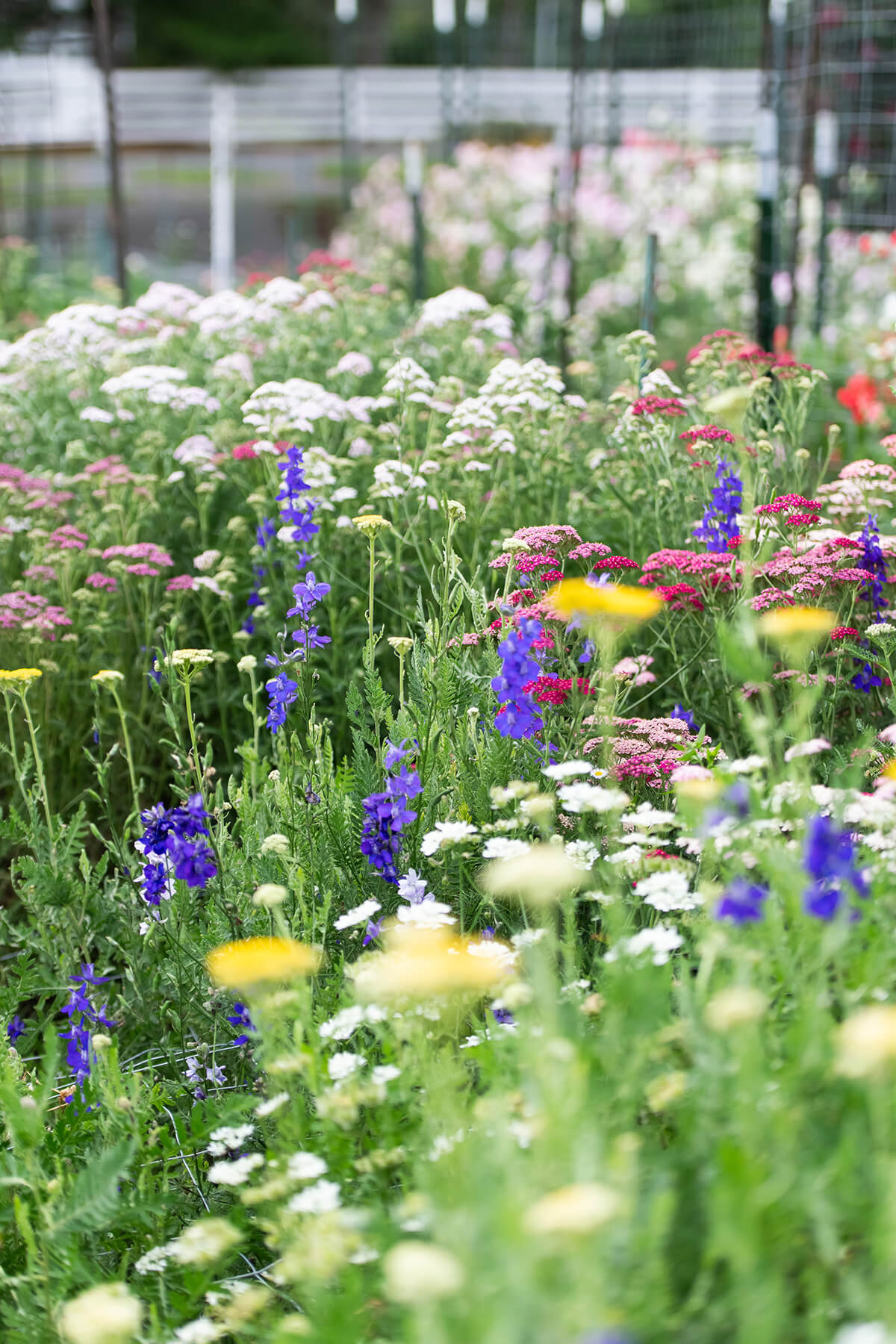
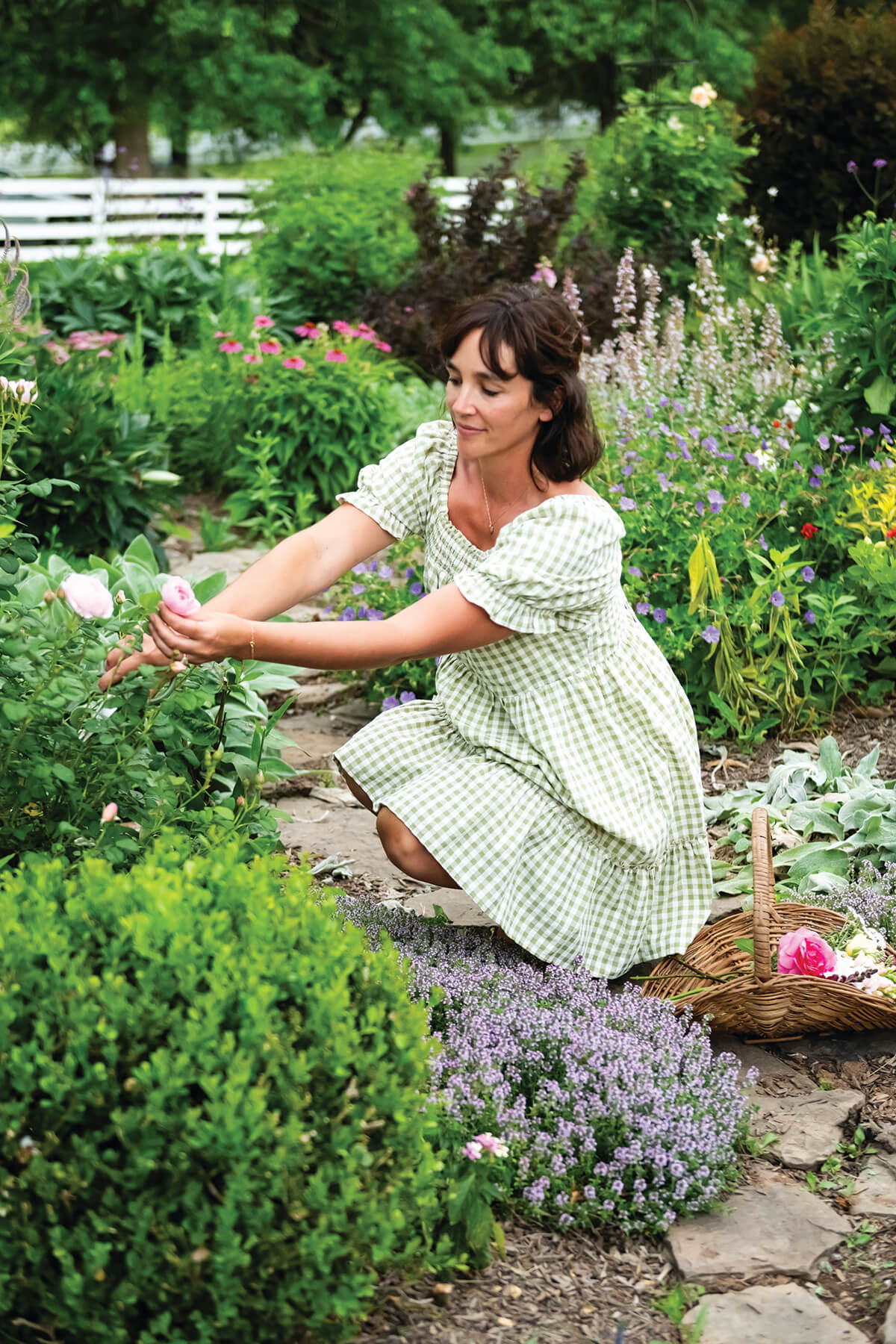
It’s a warm day in June and Caroline Maurer is dressed in a flowing sundress, a stream of dogs trailing her as she shows off her cottage garden. There are paths overgrown with hollyhocks, peonies, roses, and bearded irises. Bees and butterflies float above clumps of catmint and spires of Agastache. One almost expects Jane Austen to step out from behind the lupines with a basket full of flowers.
“A [cottage garden] isn’t crowded but you do fill the space with ‘controlled chaos,’” Maurer explains.
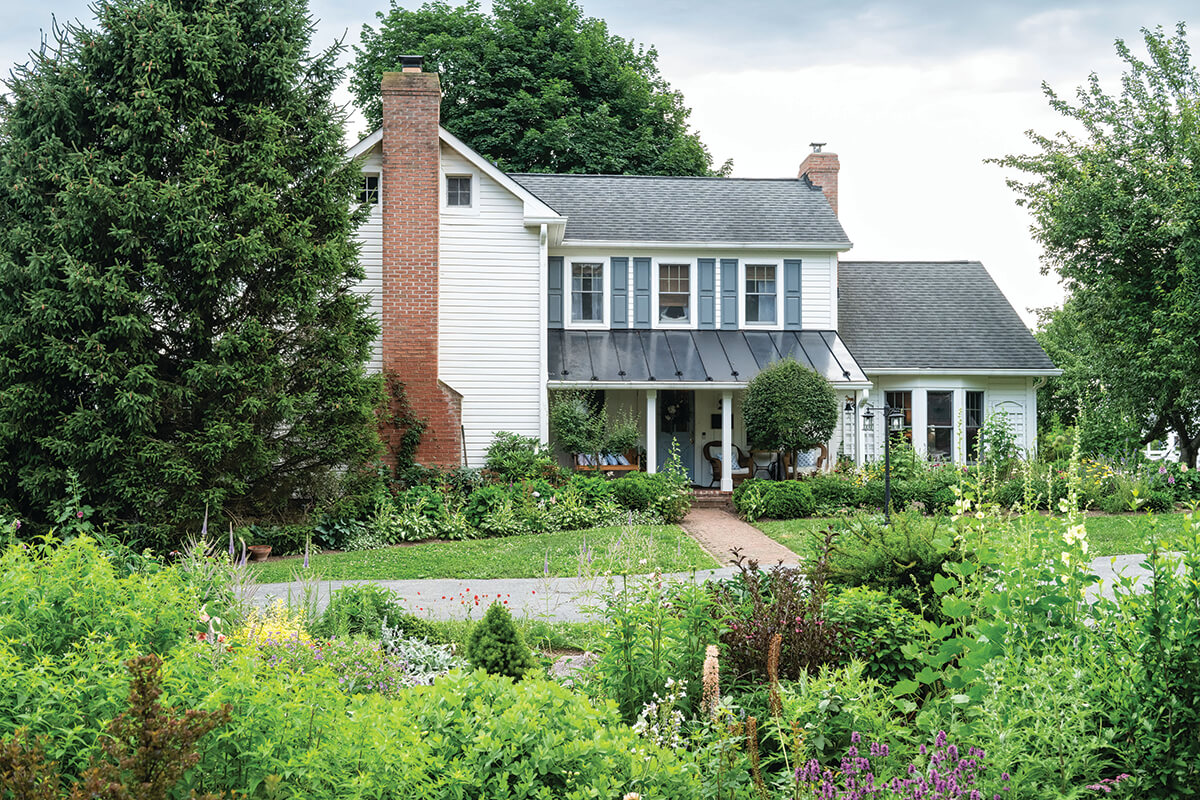
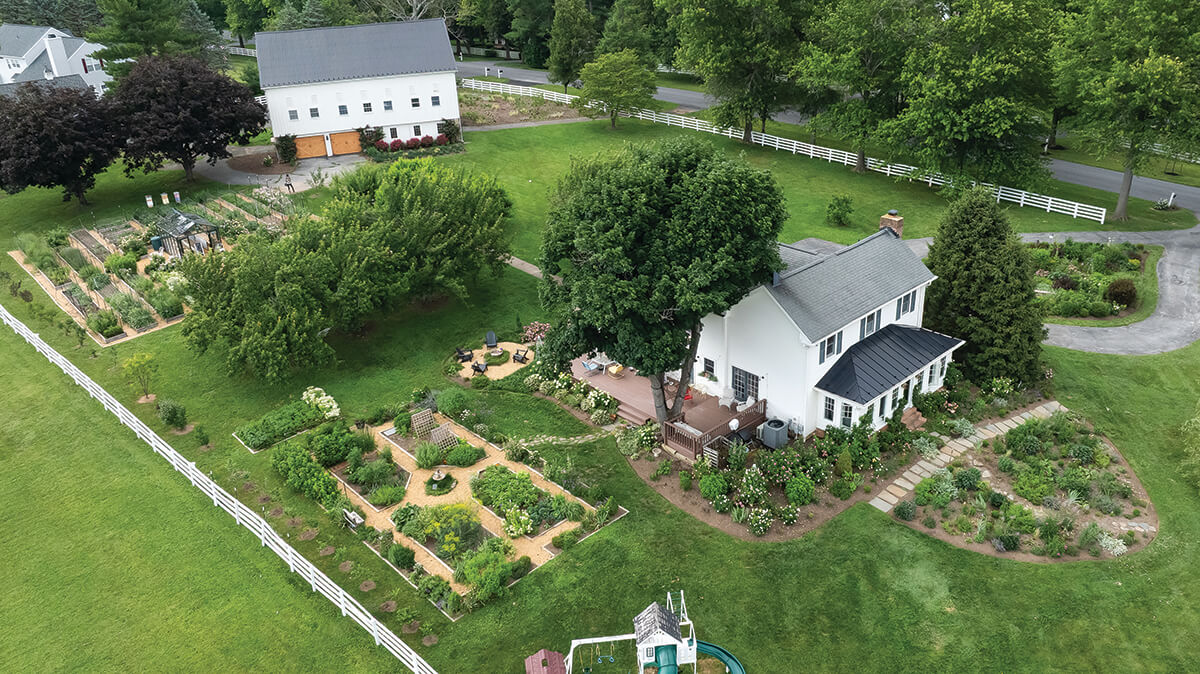
Five years ago, Maurer, her husband, Christian, and two children moved into a 1900s farmhouse on two acres in Mt. Airy, a quiet town tucked between Baltimore and Frederick. Thanks to her husband’s residency program, the family had moved around quite a bit. She had her first cottage-style garden while they were living in Maine, achieved with the help of a designer.
She learned a lot with that first garden and, in Mt. Airy, she was excited to finally have a yard where she could dig in solo. Since then, she’s been turning what was a barren landscape of grass into a series of romantic cottage gardens. By simply sharing her garden’s progress online, she developed a massive social media following and now has her own gardening business.
While popular in places like England, cottage gardens have been slow to catch on in the U.S.’s grass-centric culture. There are many different ways to approach a cottage design, from formal to naturalistic, but it’s a look that favors dense planting—you won’t see a lot of exposed mulch—and romantic layers of flowers and shrubs.
It is the opposite of what Maurer calls the “Maryland Special” put in by many landscaping companies: some nandina, an arborvitae, a tree planted too close to the house, and a hodgepodge of non-flowering shrubs.
“With cottage style, it’s about balancing aesthetics and biodiversity,” she says.
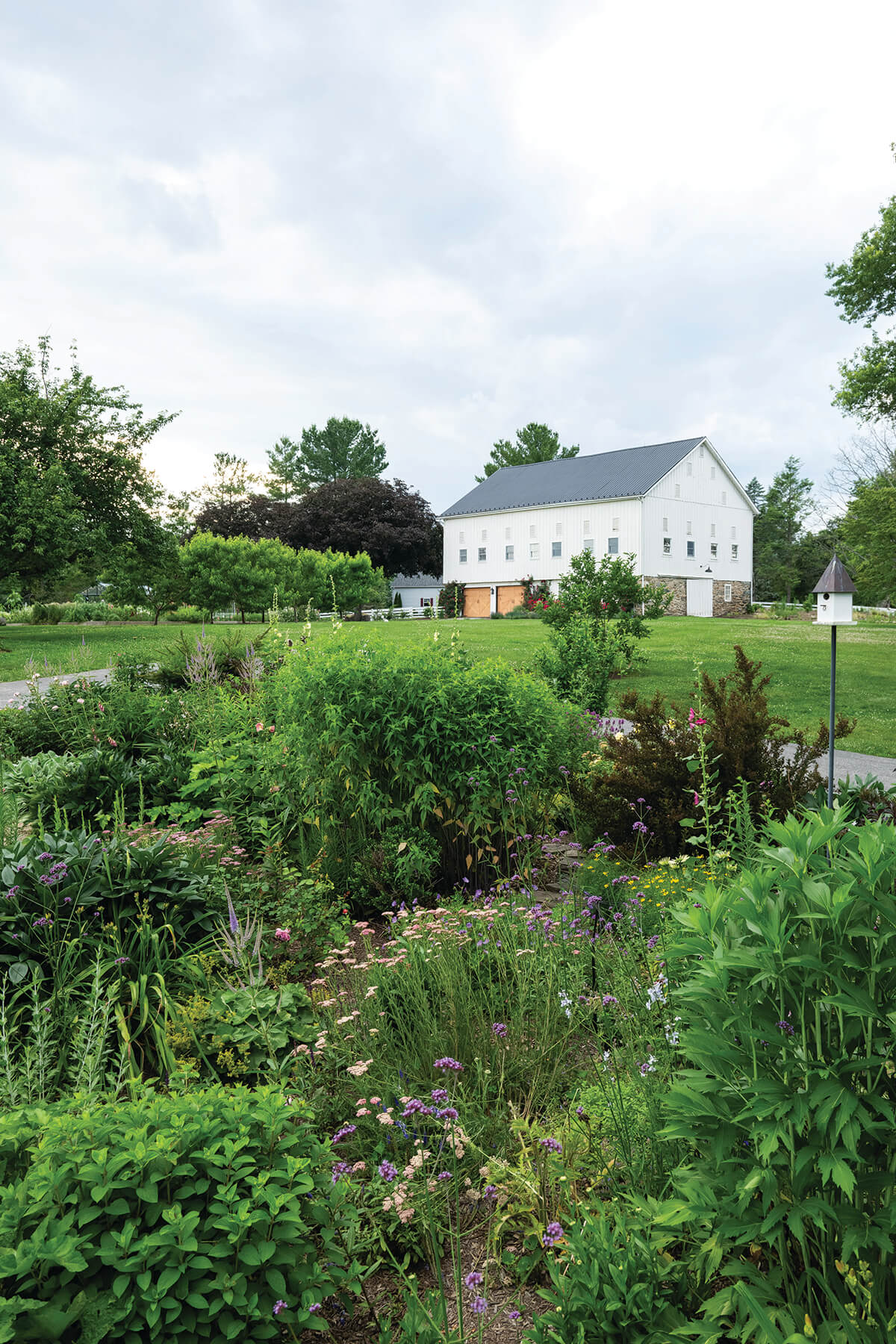
Perhaps the best example is what she calls her “collector’s garden”—the very first one she planted at the Mt. Airy house. It transformed the grass inside their circular driveway into her most colorful and eclectic garden.
“I went through a catalogue and wrote down every perennial I saw to make something of a collector’s garden with a bit of everything,” she explains. The small circle overflows with flowering perennials while a small pond brings wildlife into the garden’s core.
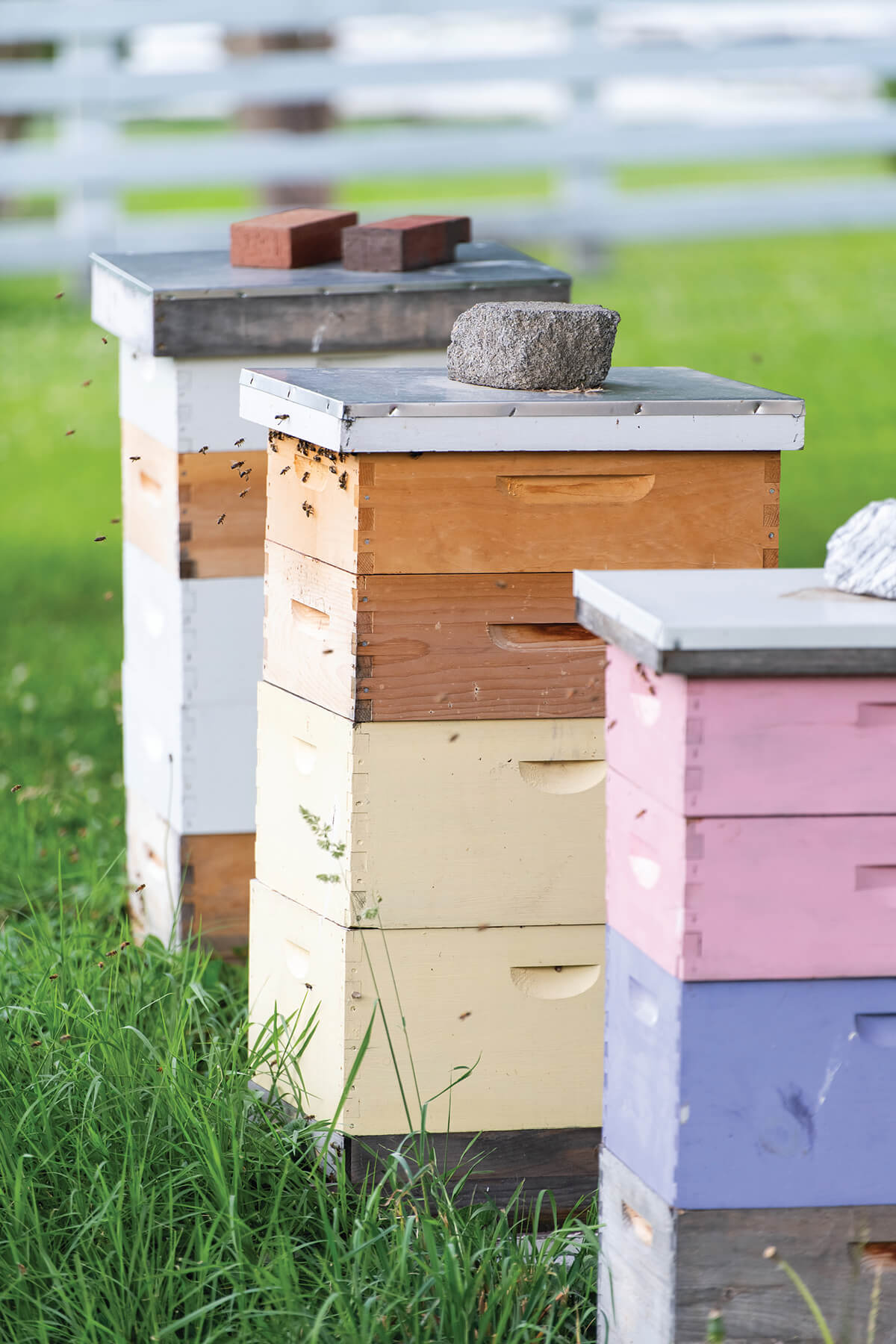
Maurer calls herself a “nature-centric flower maximalist.” She’s always been interested in gardening, but it was when she started keeping bees that she got focused on gardening for habitat creation. (Cottage gardens favor abundant perennials that attract pollinators.)
In the wake of the pandemic, she was able to take the University of Maryland Master Gardener program online, but she’s mostly self-taught in the art of romantic garden creation. (She’s studying with the English Gardening School now.)
Given her background—she has an art degree, and her career was in marketing and advertising—and her natural proclivity for growing things, it’s perhaps no surprise her passion grew into a business.
“When we moved here, I was chomping at the bit to do my own [garden]. And then all my friends asked me to do their gardens, and then, I don’t know, it just went viral and it blew up. I’m totally floored, honestly, that it happened at all, because it was not intentional.”
In 2023, she launched Figment Cottage Gardens, her firm that does custom garden design, plant selection, and consulting. On her website, she offers reasonably priced garden plans and plant guides (suitable to our regional growing zone) to make cottage-style gardening accessible to anyone, and she’s become an authorized retailer for a number of garden brands.
She recently opened a pick-your-own flower patch at her home, which allows people (by appointment only) to come experience cottage design in-person and pick a bouquet for $25.
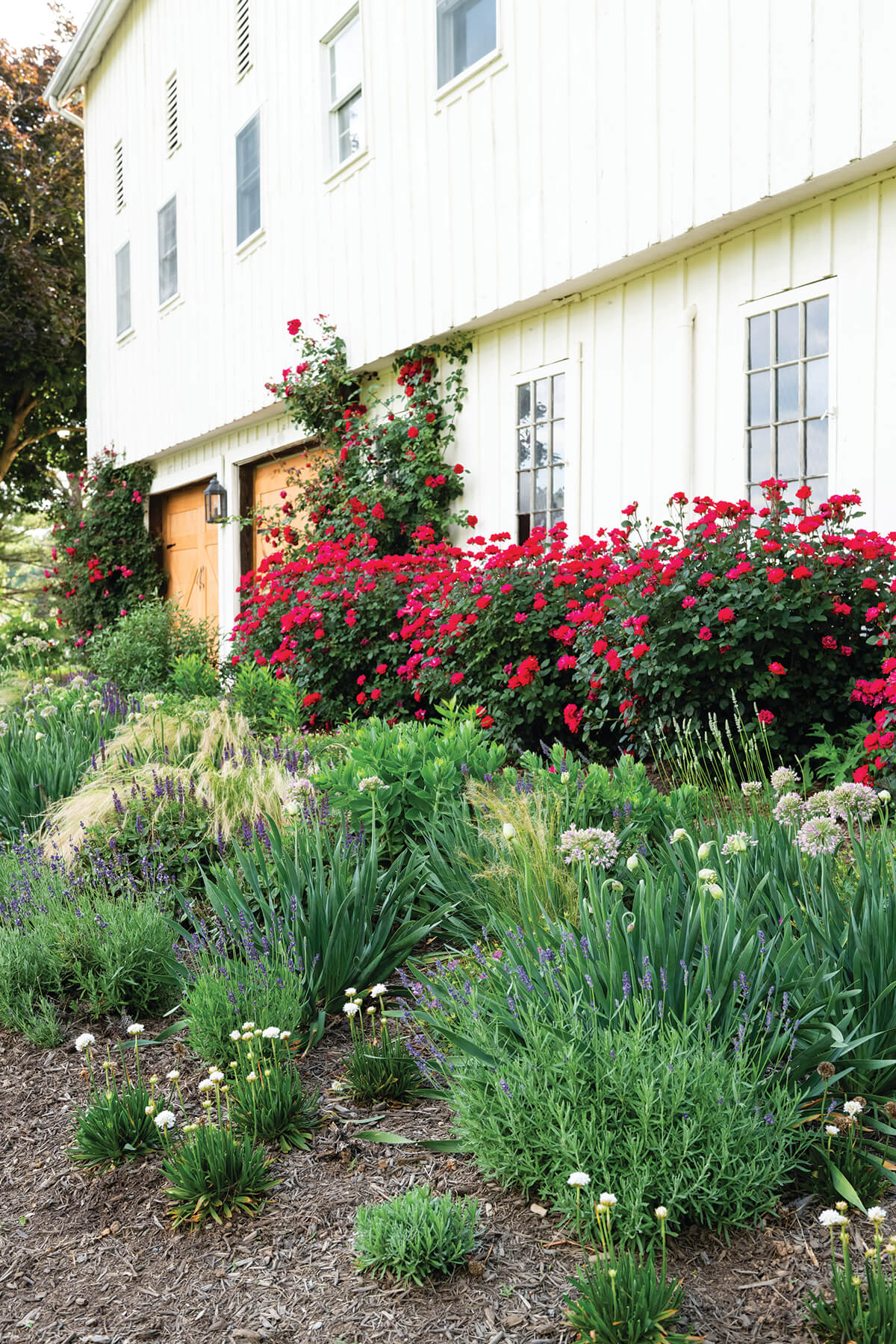
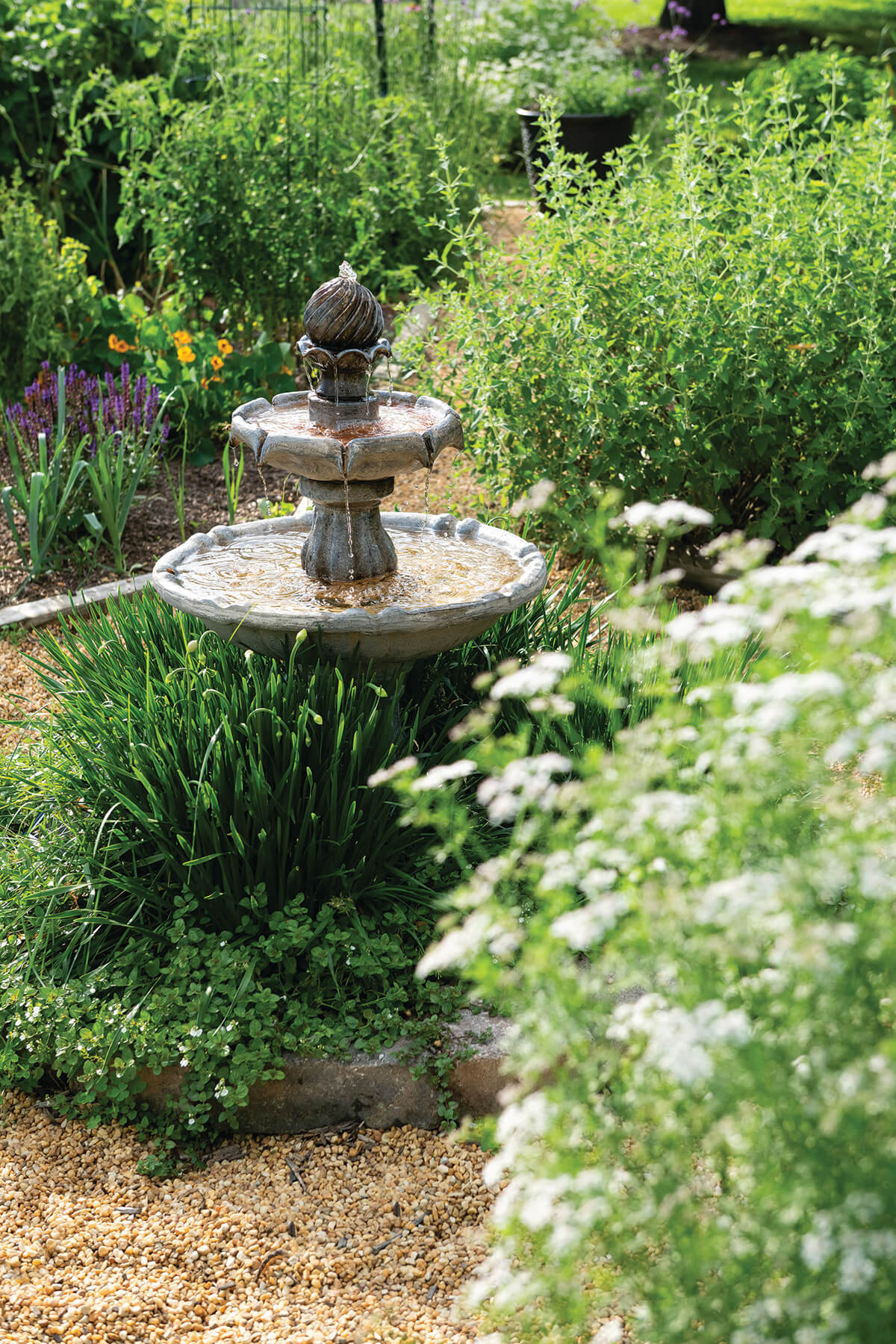
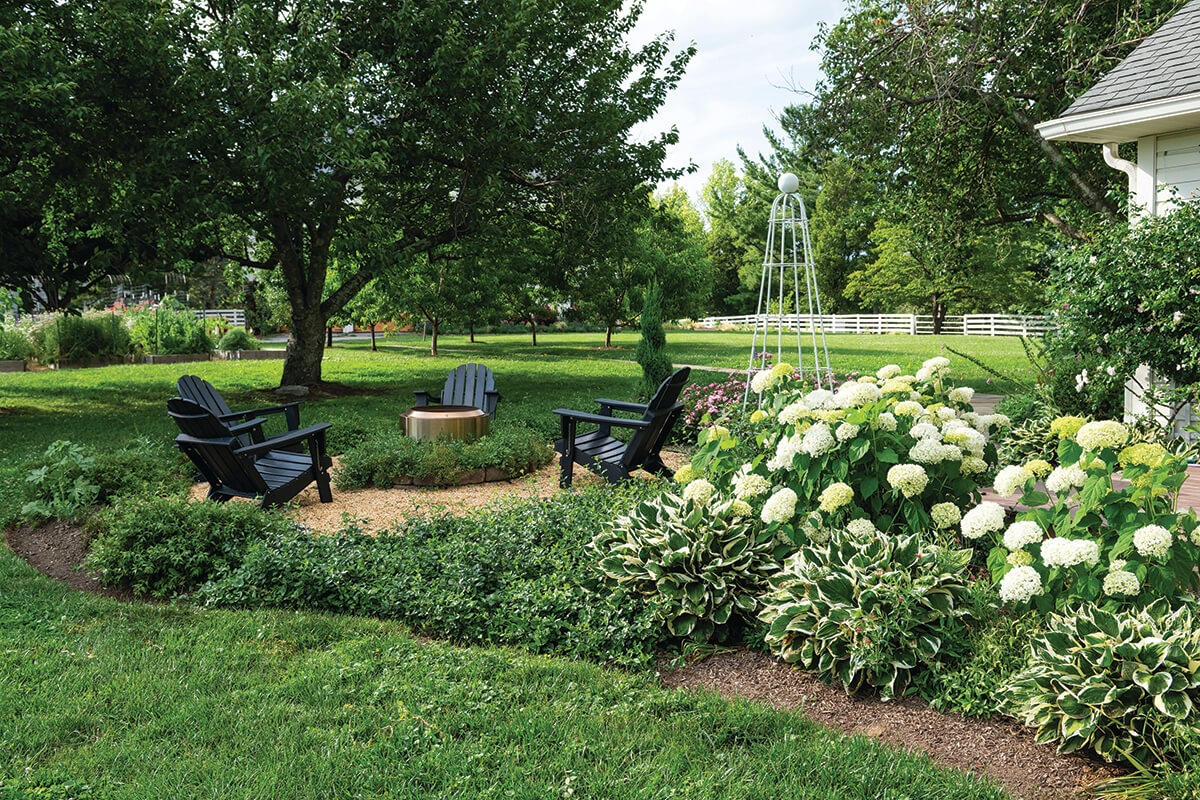
Along the way, she’s become a darling of the Internet. Since she began documenting her gardening life via @figmentcottagegardens, she’s cultivated 333,000-plus followers. Her unfussy advice and inspiring reels have helped make her Insta-famous.
“I am a Type A planner,” she says, “and this was not in the cards; I wasn’t ever planning to do this in my life.”
But as engagement grew online, she realized that she was filling a niche that not only she loved, but that others did, too. “It’s hard to find people who do cottage gardens here,” she says. “In places like England, gardens are such a mainstay of their homes and their lives, it’s prevalent over there. But here there was nobody.”
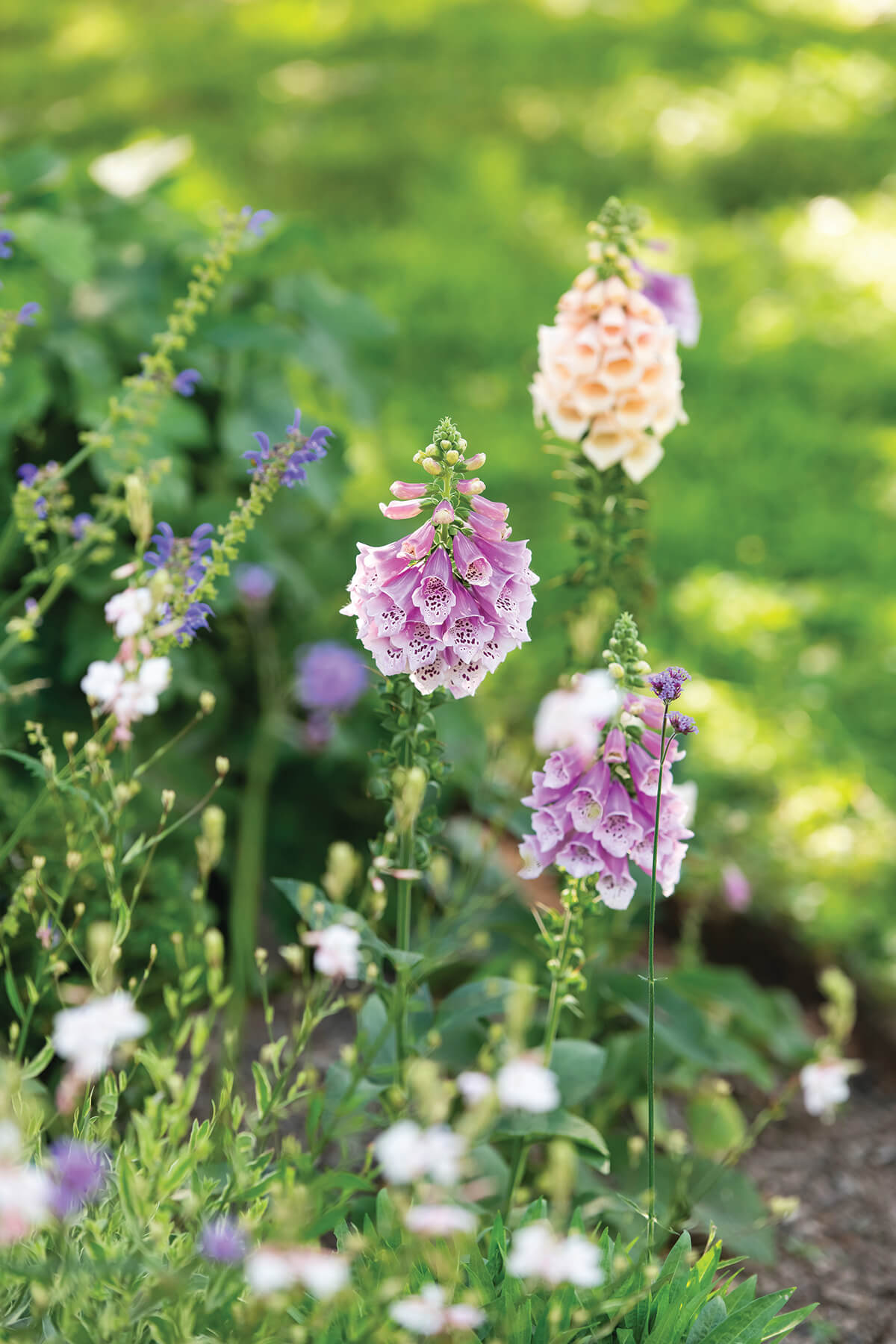
Case in point, when she looked up what is now her business domain, marylandcottagegardens.com, it was available. And many people comment on her reels that they can’t believe her garden is in Maryland. Hollyhocks and foxgloves are Maurer favorites, as are David Austen roses and bearded irises.
“I love humble flowers, like yarrow and coneflower and daisies, things that are just simple and nostalgic and not fussy,” she says. “Then there are the tried-and-true simple border plants, like cat-mint and lamb’s ear, lady’s mantle, cranes-bill.”
She often quips in her videos that her controlled-chaos designs are the sort to make the doyennes of the HOA clasp their pearls. (In 2021, Maryland passed a law barring HOAs from requiring turf grass or enforcing bans on native plants and pollinator and rain gardens, so there’s little they can do but tut.)
While there are always internet trolls who say her garden looks like a bunch of untamed weeds, hundreds of thousands of people share her interest in a yard that is less “militant lawn” and more “fairytale floral.” What distinguishes Maurer’s approach, especially on social media, is her approachability.
“I’m just trying to meet people where they are and give them simple advice. Like, I don’t use the Latin names for plants when I talk about it on Instagram; I use them in guides where it’s necessary to make sure that you get the right species, but I find it can be a little pretentious and off-putting [online],” she explains. “I mean, are you going to remember an OPI nail polish name better than some really long manufacturer label? Yes, you are. I try to make it easy for people, to break it down into the core concepts that they can use themselves.”
When she’s creating a custom design, Maurer says she always considers the personality of the house. Her own farmhouse and its picturesque barn came with a landscape that was sterile, just some overgrown boxwood, a few trees, and a lot of grass.
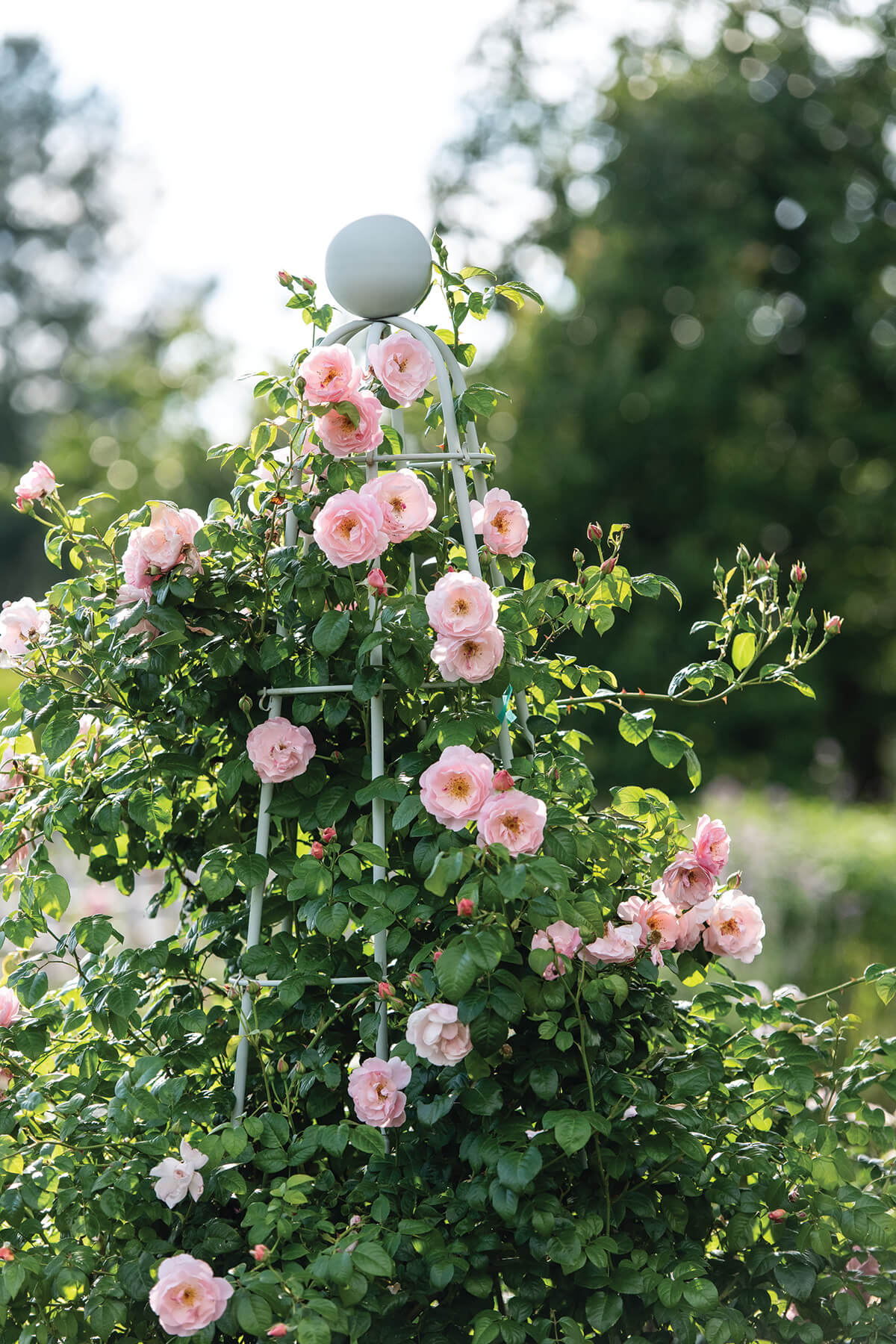
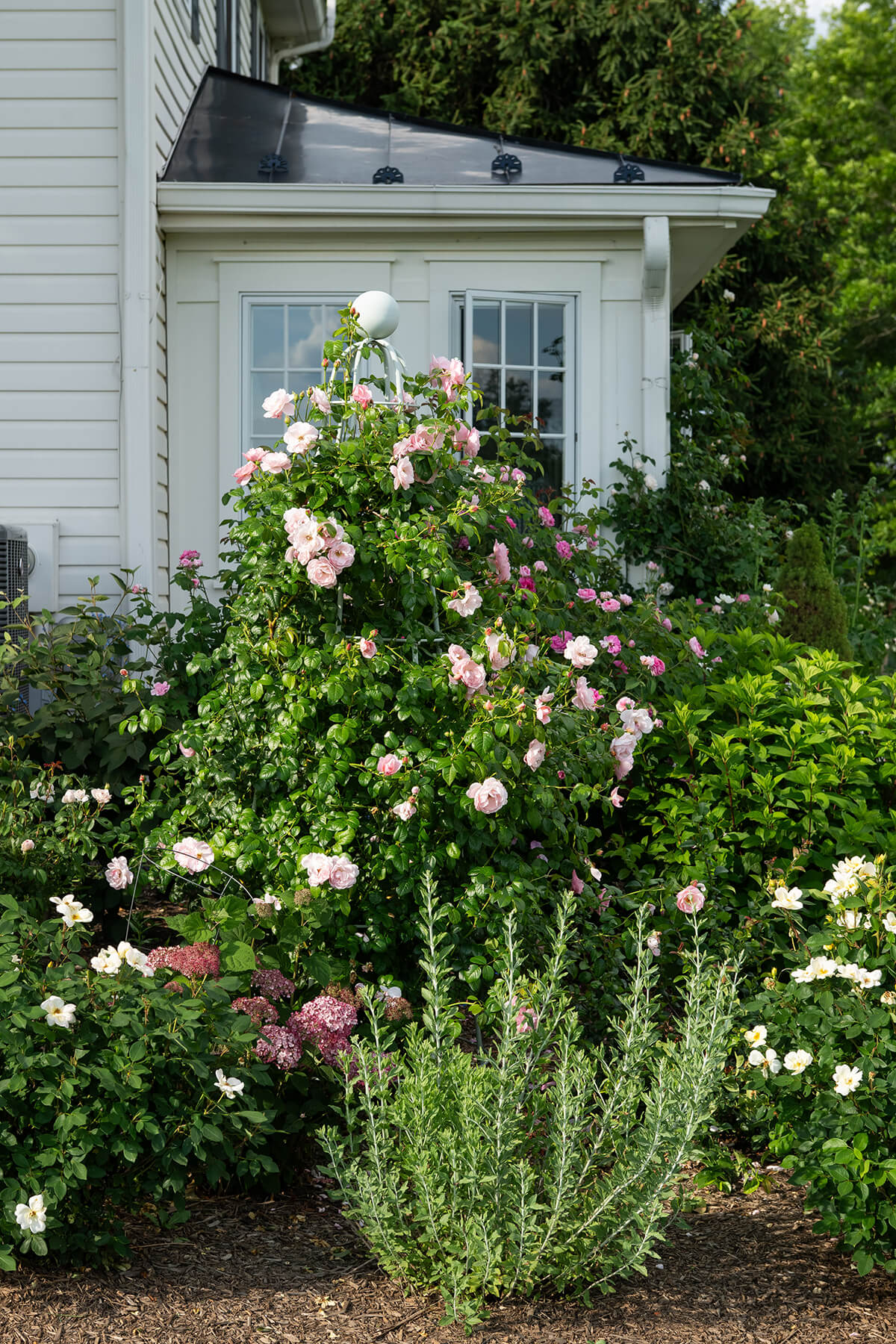
She now has a large vegetable garden, a rose garden interplanted with viburnum and hydrangea to screen her home’s HVAC, an orchard, and she’s planted a meadow, though it’s in its infancy. Next on Maurer’s agenda is to put in a natural swimming pond where plants, not chemicals, keep the water clear.

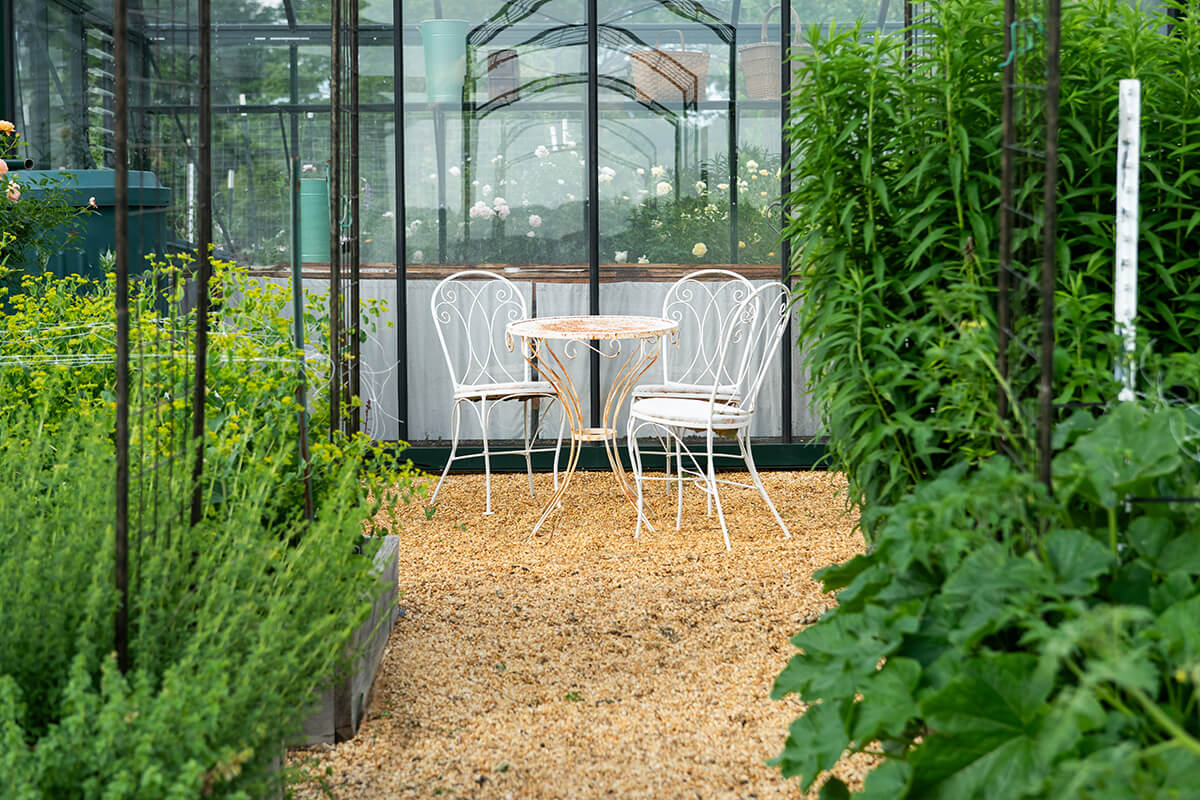
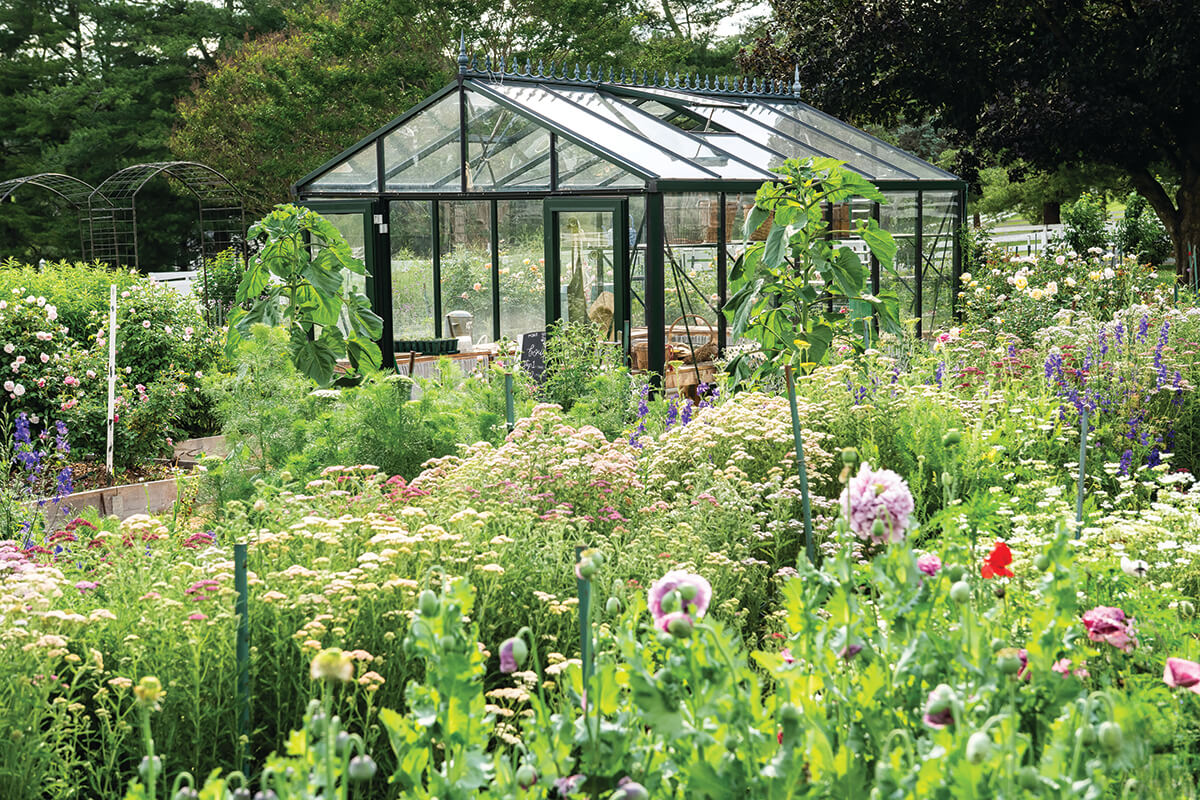
The pick-your-own garden enterprise was planted on the former site of a paddock. In the middle of pea gravel paths overflowing with poppies, sweet peas, thistles, larkspur, feverfew, dahlias, roses, and more, sits a Royal Victorian greenhouse (made by Janssens, one of two greenhouse companies for which Maurer is an authorized retailer). It all feels one step away from a Tasha Tudor storybook.
As much as she loves garden design as a creative outlet, Maurer is just as passionate about environmental advocacy and education. One of her Instagram posts that racked up about 50 million views had little to do with her exquisite garden; it was her sneaking up on baby bunnies hiding in plain sight in the tall grass at her house.
With it, she entreated people to hold off on mowing their grass early in spring and, more generally, to be mindful of mowing lawns less and letting things grow (or simply walking around before you mow to check for bunnies). She’s a warrior in the fight against bagging leaves, too, explaining that the only way to get fireflies and other beneficial insects is to leave autumn’s leaf litter for them to overwinter.
She doesn’t cut her garden back in the fall but rather leaves seedheads for animals. This benign neglect is part of the magic of a cottage garden. With its layered abundance and its romantic flowers, a cottage garden walks the line between cultivated and something a bit untamed.
“I would like people to think more about the other animals in their yard, to just let your yard be a little bit more natural,” she says. “Do less, plant more. That’s my message.”