Partner Content
Presented by:

Each quarter, WBAL-TV meteorologist Ava Marie offers readers a peek at the wonders of our community’s weather and our natural world. This winter she’s going international, taking us on a metaphorical journey to the 2026 winter games in Italy.
This month’s adventure isn’t technically mine…but it’s one that I’m dreaming of as I watch the 2026 Winter Olympics in Italy. And my coworker, WBAL-TV 11 News Anchor Jason Newton is actually there!
He’s covering the Olympics as a reporter for Hearst Television, the parent company of WBAL-TV. And much like here in Maryland, a winter day in Italy can be vastly different depending on location, from the milder but misty Milan, to the freezing, snowcovered Alps. Jason will experience it all on his 19-day assignment. Luckily, he learned a thing or two after covering the 2024 Summer Olympics in Paris. I interviewed him as the excitement was mounting before the trip.
How’s packing going?
I have a gigantic bag that I took to Paris. It’s the biggest suitcase I’ve ever seen. And it’s going to be heavier because it’s the winter, which means more layers. I’m just going to pack enough to get through a week and a half, and then find a laundromat.
I know covering the Olympics is such a cool opportunity. But it’s also a lot of work. What will your days look like?
They are long days. The day usually starts with a press conference with the athletes, which is a really good place to get stories because it’s your only real access to them one-on-one. Then we’ll go to a venue or chase down another story. And this is the most spread-out Winter Olympics in history, so we may have to travel for half a day to get someplace. We’ll be based in Milan, but there’s a chance to go to Livigno. And to get to Cortina and other places, some of that is like a day’s worth of travel.
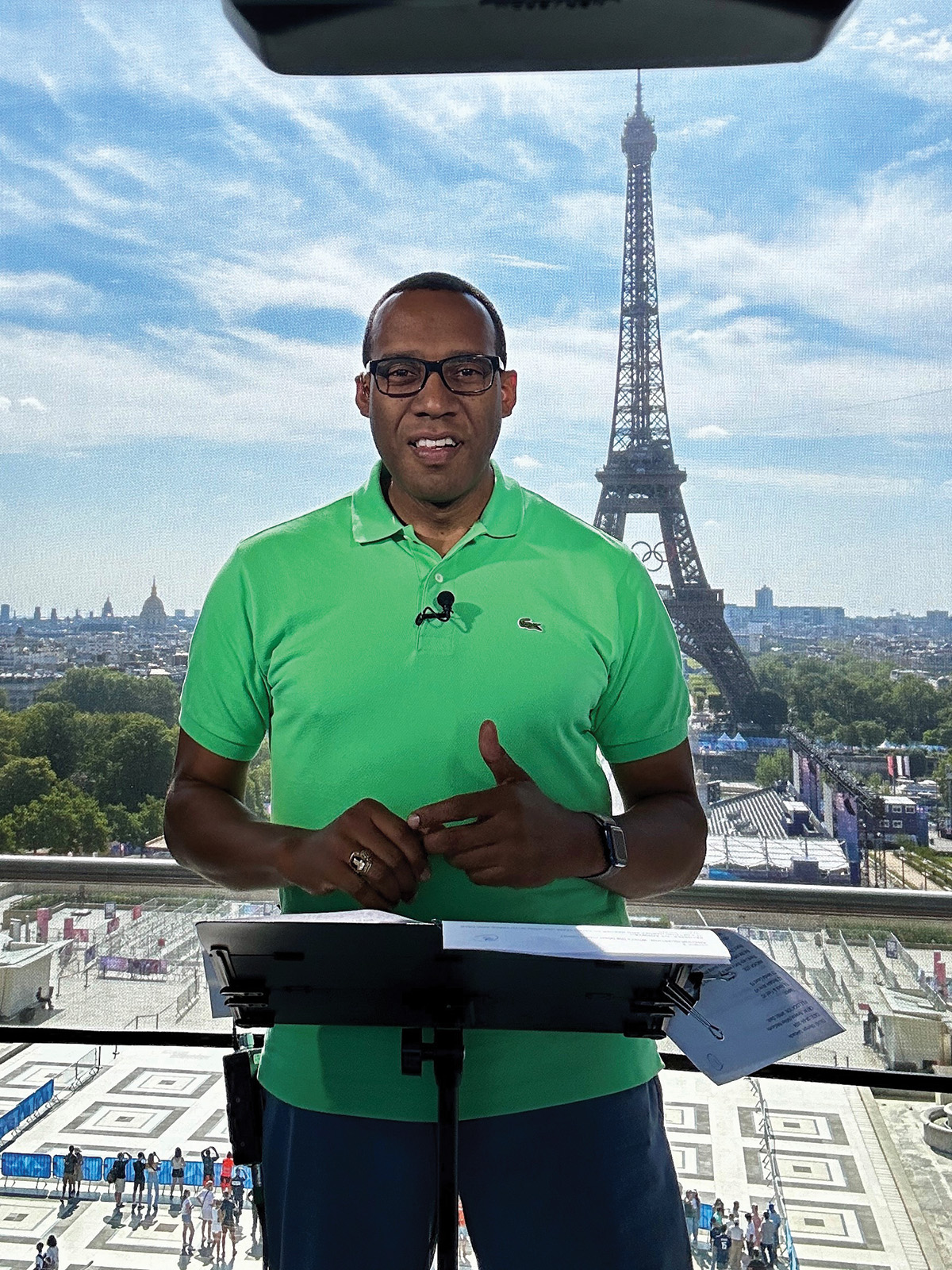


Which means there won’t be a lot of free time, but what’s on your wish list?
I want to see all the old buildings. It’s impressive, because everything there is so old. I mean, centuries old. And then to understand that people built them without power tools, with just pulleys and strings. Looking at Paris architecturally was fascinating to me. I could have sat on the street corner for days just looking at the shapes of the windows and the houses.
If you could try any of the winter sports, what would you choose?
I’ve tried ice skating, and I was horrible at that. Like a giraffe ice skating. As a kid, I always liked bobsled. There was something just cool about it. And they make curling look like anyone can do it, so I’d like to try that. But I heard one of the Alpine skiers describe what it’s like to go down the hill, he said you’re on a sheet of ice going like 120 miles per hour, and just “hoping for the best.” [laughs] That’s not for me.
Agreed, we’ll leave that to the professionals. But now I need to see some video of you on skates…Jason, thanks for letting us tag along for the adventure!
What’s Winter Weather Look Like in Italy?
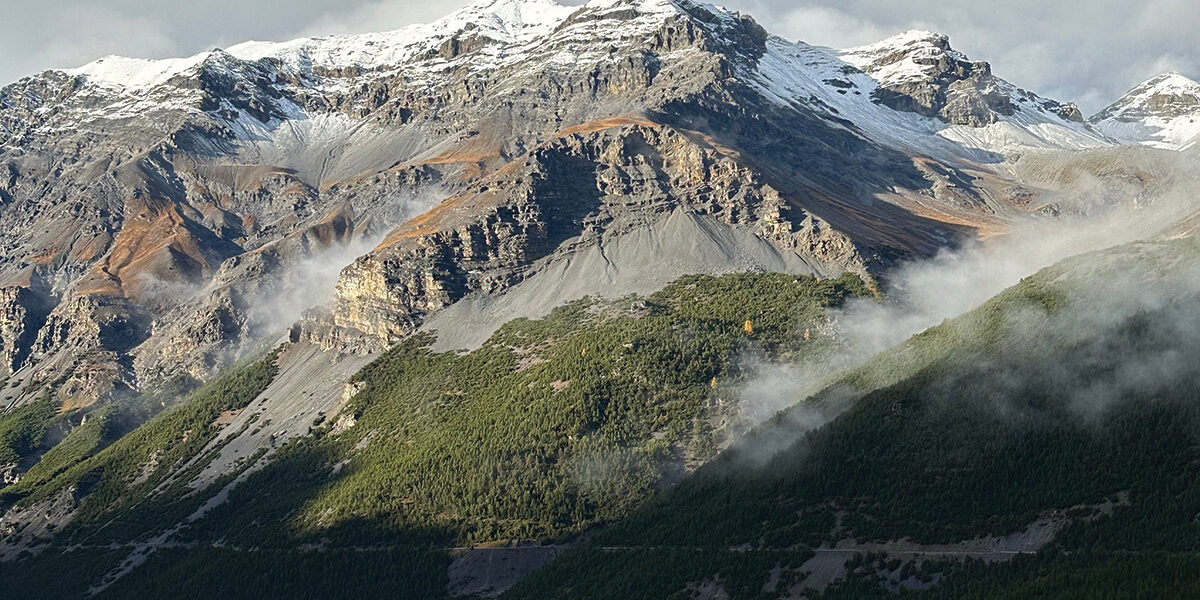
The Milan-Cortina Olympics is the most spread-out Winter Olympics in history, covering an area of more than 10,000 square miles. And the weather can be vastly different, depending on the elevation. Winter in the city of Milan is relatively mild, given its low elevation “around 400 feet.”
Milan’s average highs in February are around 45-50 degrees, making rain and fog more common than snow. Compare that to Livigno, located in Italy’s northern mountains and host to many of the ski and snowboard events. Its elevation ranges from around 6,000 to 9,000 feet, with an average winter snowfall of over nine feet! The average day in February in Livigno never warms above freezing, with highs in the 20s and lows in the single digits.