Partner Content
Adventures with Ava: Why a Weather Radio Still Belongs in Your Emergency Kit
Each quarter, WBAL-TV meteorologist Ava Marie offers readers a peek at the wonders of our community’s weather and our natural world. This fall she’s sharing potentially life-saving information on storm and extreme weather preparedness.
By Ava Marie
Presented by:

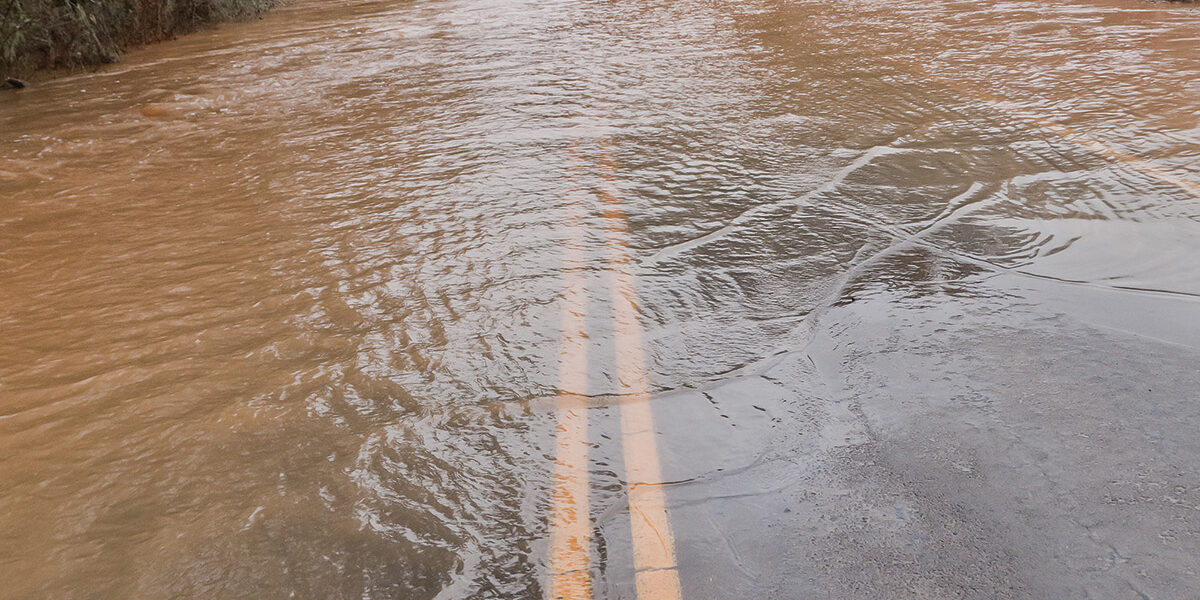
This past summer, flash flooding devastated communities along the Guadalupe River in central Texas, killing more than 130 people. Many of the deaths happened in the middle of the night, as people slept, unaware of the danger. Here in Maryland, we are all too familiar with how quickly waters can rise. In 2016, and again in 2018, catastrophic flash floods tore through Ellicott City’s historic Main Street, sweeping away cars, businesses, and lives in a matter of minutes. Those back-to-back disasters showed us that even familiar places can become dangerous in an instant. Thankfully, communities across Maryland are finding ways to become more resilient, by installing flood sirens, improving stormwater management, and sending out realtime cell phone alerts. But even with these advances, no system can do it all. That’s why it’s so important to have multiple ways to receive urgent weather information, and why a NOAA weather radio still belongs in every emergency kit.
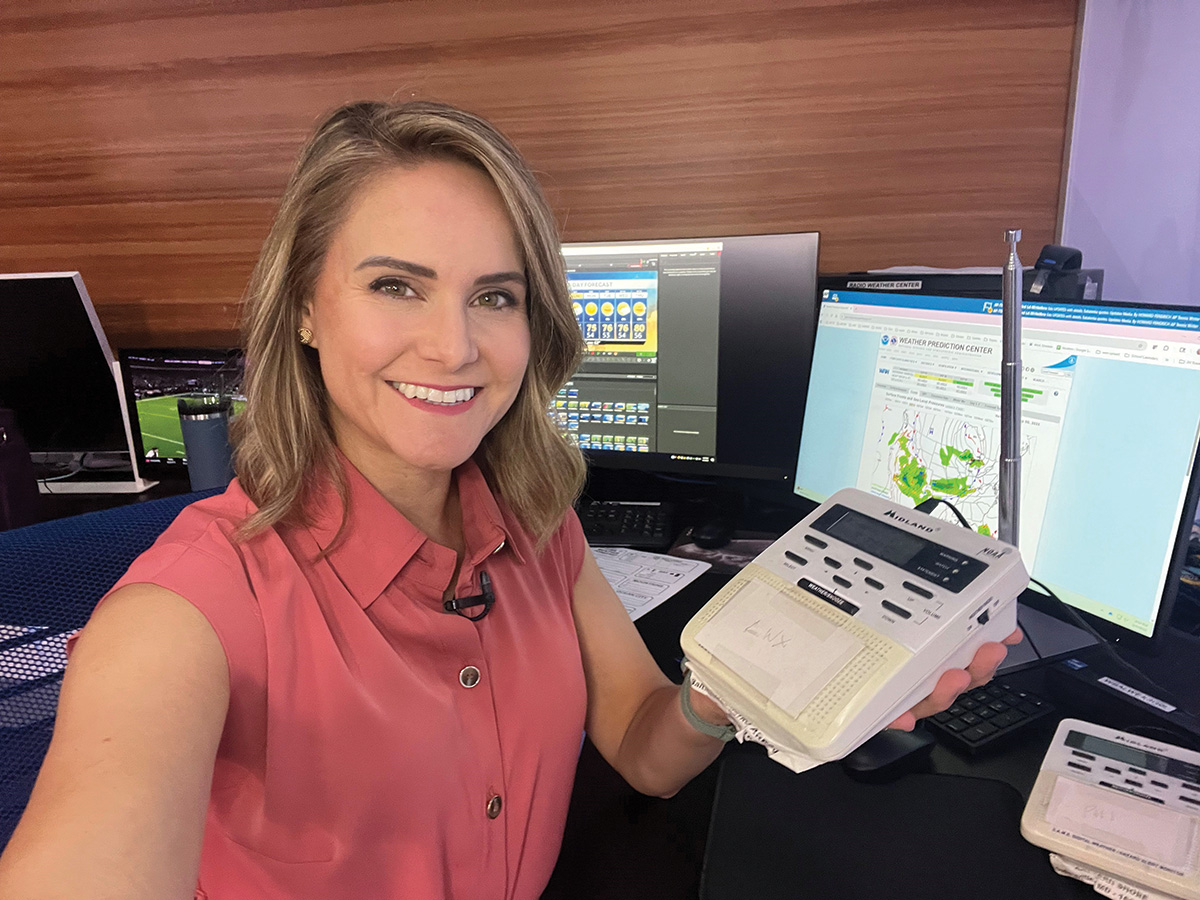
NOAA weather radios have been around since the 1950s, but they remain one of the most reliable ways to get emergency weather alerts. Unlike cell phones, they don’t depend on cell towers or Wi-Fi, which can fail during storms or power outages. They’re designed to wake you up with a piercing alert tone, even at 3 a.m. For the peace of mind they bring, they’re relatively affordable (around $50) and require no subscription. Some models also include backup power options, like batteries, hand-crank charging, or solar panels. Look for a model with S.A.M.E. (Specific Area Message Encoding) technology, which allows you to get alerts for your county only, instead of the entire state.
Here at WBAL-TV, we believe so strongly in weather radios that we highlight them at every school we visit through our Weather Champions program. Our weather team teaches life-saving basics, like the importance of going indoors as soon as you hear thunder. Lightning can strike several miles away from a storm, even before it starts raining. Our mission is to empower the next generation to be weather-prepared. You can do the same for your family, by making sure you have multiple ways to receive urgent weather information, including a weather radio.

Want to Boost Your Own Preparedness?
Start with these items in your emergency kit:
• NOAA weather radio
• Water (three gallons per person)
• Non-perishable food (three-day supply)
• Flashlight with extra batteries
• First aid kit
• Copies of important documents
• Extra medications and pet supplies
• Rain jacket
• Warm blanket
• Backpack or plastic tub to hold supplies