Partner Content
Presented by:
“Beyond surgery, computer-based technologies are transforming the entire clinical lifecycle. The emergence of artificial intelligence applications is especially promising.”
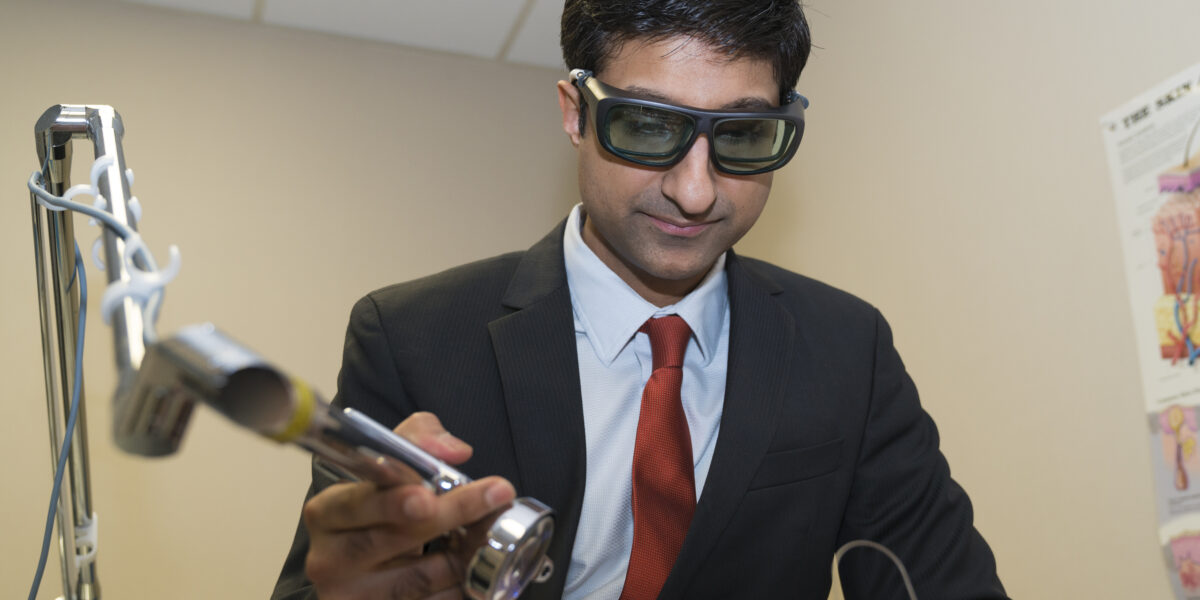
Dr. Kalpesh Vakharia is double board certified in facial plastic and reconstructive surgery and otolaryngology (head and neck surgery). He is an expert in both surgical and non-surgical techniques of facial rejuvenation and reconstruction. Here, he speaks to Baltimore about the latest aesthetic techniques, the role AI can play in a clinical setting, and treatment for “Ozempic Face.”
What are some common conditions that you treat in your practice?
I treat a wide variety of aesthetic and reconstructive conditions. I also specialize in procedures for patients with excess eyelid skin or bags. For those dissatisfied with the appearance or function of their nose, I offer both functional and aesthetic refinement to improve breathing and facial harmony.
Beyond aesthetic enhancements, I provide specialized care for patients with facial movement disorders, such as Bell’s palsy. My reconstructive work includes complex repairs following the removal of skin cancers or other cancers of the head and neck, as well as restorative surgery following facial trauma and advanced scar revision.
What aesthetic treatments do you provide?
My focus is on the essential balance between form and function. My practice addresses the primary signs of facial aging—including skin laxity, volume loss, and wrinkles—utilizing a comprehensive range of surgical and non-surgical techniques.
On the surgical side, I offer deep plane face and neck lifting, utilizing the most advanced techniques to provide structural rejuvenation, alongside brow lifting and blepharoplasty for those with droopy eyebrows, excess eyelid skin or bags. I also provide rhinoplasty for patients seeking to improve the aesthetic appearance of their nose.
These surgical options are complemented by a suite of non-surgical treatments for rejuvenation with minimal downtime. This includes neuromodulator injections for wrinkles and facial balance, dermal filler injections for volume loss, and platelet-rich plasma (PRP) injections. Additionally, I offer energy-based therapies such as IPL, laser resurfacing, and laser hair reduction.
Has the growing use of GLP-1 treatments such as Wegovy and Ozempic impacted the work that you do?
The widespread growth of GLP-1 treatments has had a major impact on my clinical work. Because these medications often result in a more rapid loss of facial volume than traditional weight loss, there has been a notable rise in interest for aesthetic interventions. To address this volume depletion— sometimes called “Ozempic Face”—many patients are interested in selective volume augmentation through dermal fillers. Furthermore, the resulting skin excess from rapid weight loss has motivated more patients to seek consultations for face and neck lifts, as well as eyelid and brow lift surgery to restore their facial contours.
What advancements taking place in your field are you excited about?
I am particularly excited about the rapid evolution of surgical techniques, especially the development of more sophisticated procedures that allow for a significantly more natural rejuvenation of the face and neck. Beyond surgery, computer-based technologies are transforming the entire clinical lifecycle—from preoperative planning and surgical execution to the precise refinement of outcomes. The emergence of artificial intelligence (AI) applications is especially promising, as these tools can enhance the consultation process by providing more predictive and data-driven insights. Ultimately, I am inspired by the move toward a highly personalized approach that seamlessly integrates surgical and nonsurgical modalities, ensuring that patients achieve a refreshed, natural look rather than an artificial or “operated on” appearance.
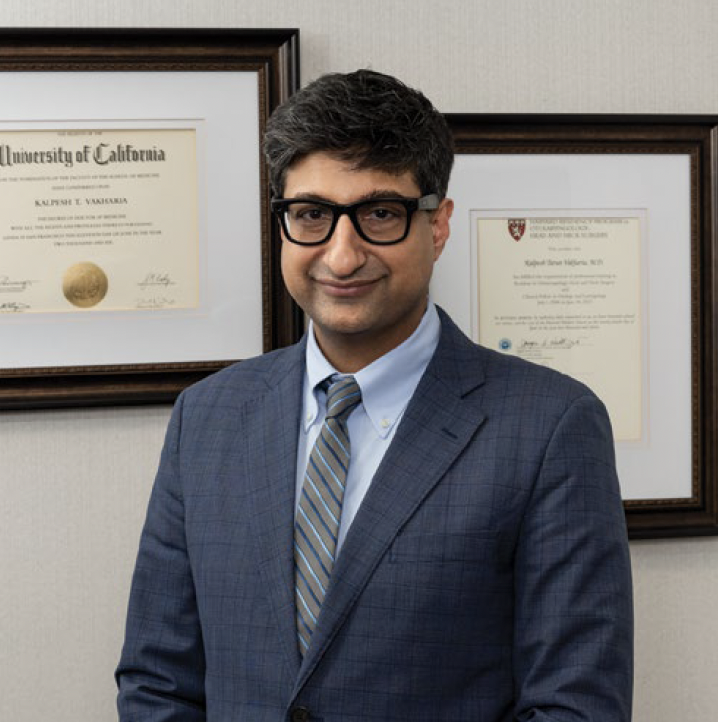
Thought Leader of the Month:
KALPESH VAKHARIA, MD
Otolaryngology, Reconstructive Plastic Surgery
Associate Professor of Otorhinolaryngology – Head & Neck Surgery,
Chief, Facial Plastic & Reconstructive Surgery, Director, Facial Nerve Center
Columbia & Downtown Baltimore
667-214-1772
umfpi.org/fps