Partner Content
Baltimore experiences trauma at a rate few cities do, including medical emergencies and community violence. And behind the physical trauma are the long-term effects of stress and adversity. Trauma affects every part of life in Baltimore, from hospitals to community programs.
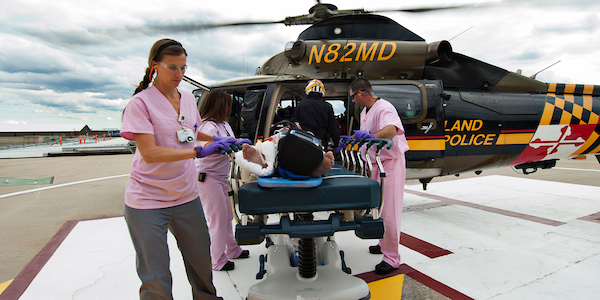
But what if trauma could be managed like a preventable disease rather than a condition dealt with in the emergency room? A new Masters in Trauma Sciences at the University of Maryland School of Graduate Studies aims to do just that. It teaches trauma from a systematic and interprofessional lens, preparing graduates to strengthen the region’s trauma system and opening doors to new career pathways for students. This is the first and only program in the United States focused on the academic study of trauma systems and trauma care.
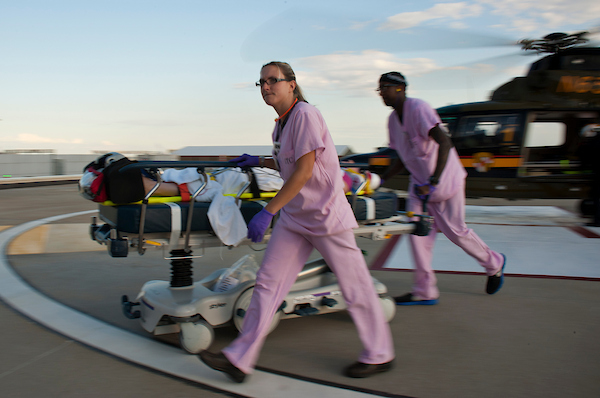
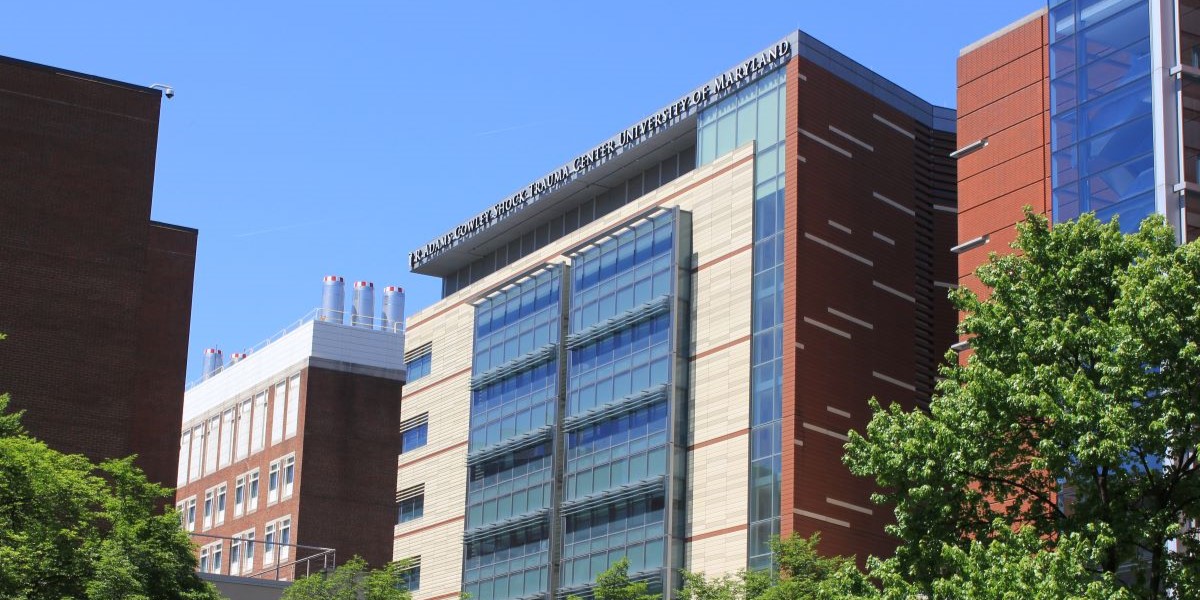
At the heart of Baltimore’s trauma system is the world-class R Adams Cowley Shock Trauma Center. Dr. Thomas Scalea, physician-in-chief, at the Shock Trauma Center explains that the strength of that system depends on the people who support it—nurses, social workers, first responders, community health workers, and other specialists who understand how trauma impacts the body, the brain, and recovery.
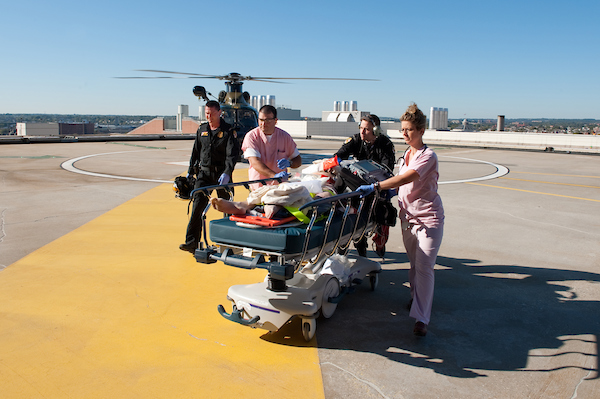
“We have been way too siloed in the way we approach injury,” Scalea explains. “We say it’s a surgical disease and that is nonsense. We need a much broader approach to injury prevention, the demographics of injury, and the long-term physical and psychological consequences.”
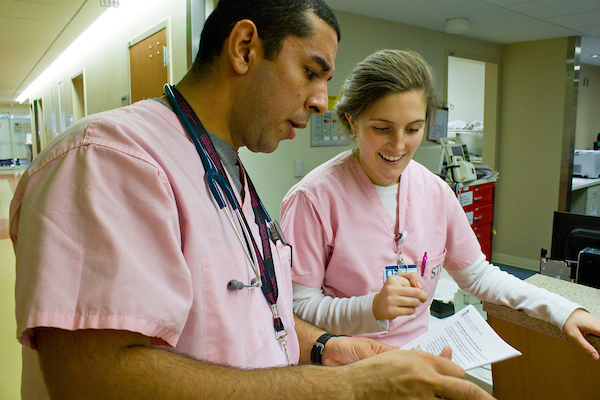
The new Masters in Trauma Sciences takes a new educational approach that brings healthcare and healthcare-adjacent professions into a program designed to create the next generation of trauma-informed professionals. (For more information, sign-up for the virtual information session on January 20, 2026, at noon.) The curriculum frames trauma as a preventable disease, which shifts the conversation from treating injuries to preventing them and improving long-term outcomes. This approach will be essential to keeping Baltimore—and Maryland’s—trauma network strong.
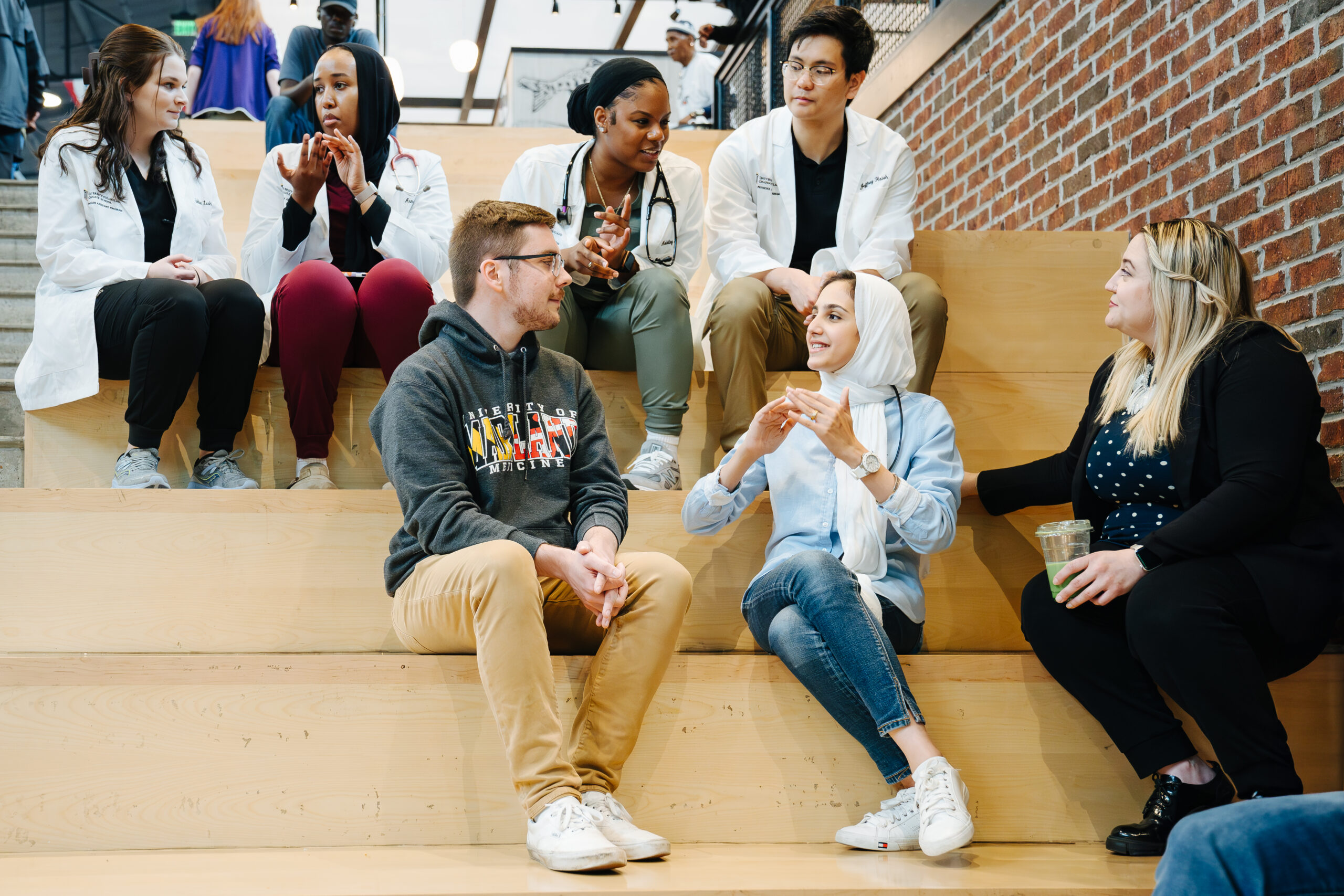
“Trauma events are predictable, and the preventative aspects have not been tackled as well as they should be,” says Shailvi Gupta, MD MPH FACS, director of the program, a physician at Shock Trauma, and faculty at the University of Maryland School of Medicine. “Many of Baltimore’s traumatic events follow patterns that can be changed through policy, education, community programs, and system improvements.”

Students enrolled in the Masters in Trauma Sciences learn from faculty at the R Adams Cowley Shock Trauma Center, which has shaped modern trauma care for decades. The online curriculum makes specialized trauma training accessible to working professionals, though there is an optional, in-person rotation at Shock Trauma to give students the practical experience needed to understand the real-world challenges faced by Baltimore’s hospitals, emergency services, and communities.

“[For trauma] there’s a prevention strategy, there’s a treatment strategy, there’s a rehabilitation strategy,” says Scalea. “Trauma is a disease that everybody has a role in helping.”
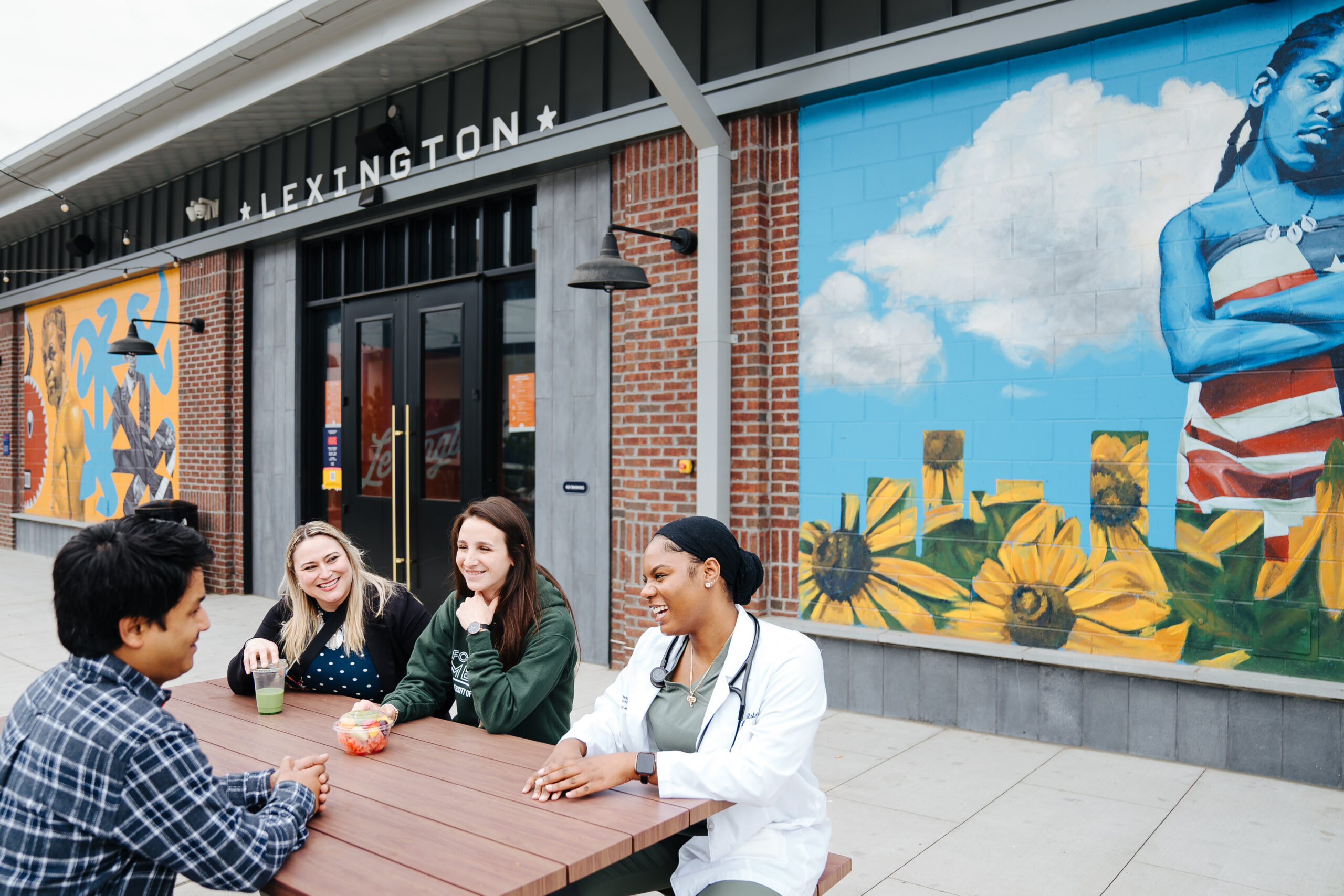
Are you currently employed in a field such as nursing, EMS, hospital administration, public health, social work, and allied health and rehabilitation services? Then join the next generation of professionals working to improve trauma care in Baltimore.

Learn more at the virtual information session on January 20, 2026, at noon. Or start your application today.