Special Section
New Year, New You
Thanks to technology, trends in fitness, health, and beauty are moving at lightning speed as we enter 2025.
By Alice Shapin — January 2025
Once, gyms were just one large room with weight-training equipment; a pedometer only told users how far they walked; spas just offered massages, manicures, pedicures, and facials. And once upon a time, there were a limited number of effective procedures to address aging. Over the years, things have evolved. And as we enter 2025, thanks to technology, trends in fitness, health, and beauty are moving at lightning speed.
Technology at Home
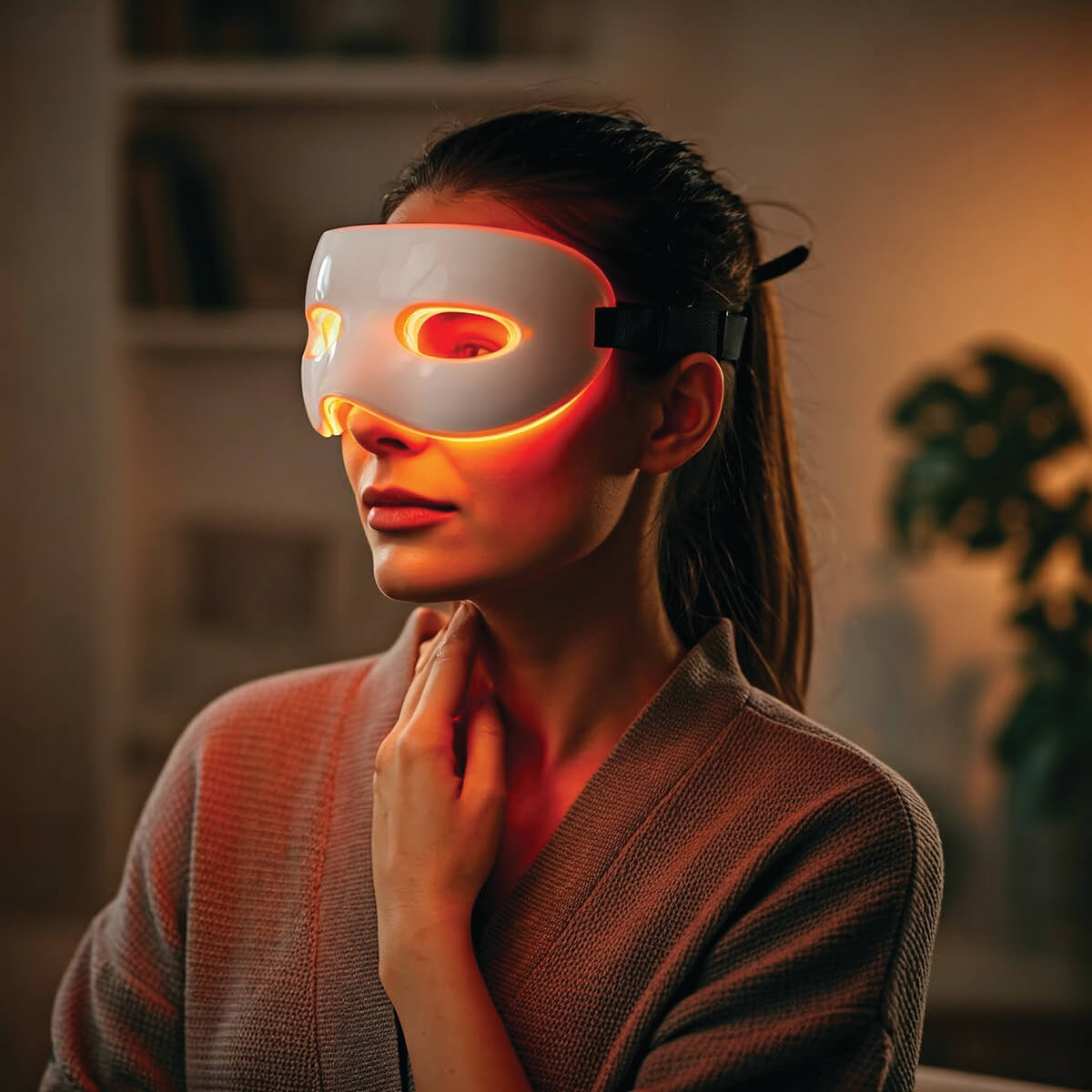
Want your beauty treatments at home? You aren’t alone. Think red light therapy (RLT). Four years ago, Omnilux Medical, a maker of RLT masks for dermatologists for over 20 years, launched their home-use LED devices using the same technology as their professional devices. During the pandemic they became popular, and since then the hype has only gotten greater.
Even though home devices don’t have the same energy as professional grade, home RLTs can stimulate collagen production, which helps reduce wrinkles, scars, and redness. In addition, they may help reduce acne by killing bacteria and are even used to alleviate arthritis and muscle soreness.
Omnilux suggests some of the reasons for the spike in sales include its convenience, the fact that it is an alternative to invasive skin treatments and more cost-effective than professional-grade treatments, and it can be a supplement to patients’ in-office treatments. Besides face masks, companies make RLT devices that target other areas—the neck, decollete, and hands. There are belts and wraps for the waist, abdomen, and thighs, too.
According to Cleveland Clinic, RLT is still an emerging therapy but holds a lot of promise.
Non-Invasive Office Treatments
Maryland dermatologist Dr. Robert Weiss says, “Sofwave, a non-invasive treatment for laxity/sagging of the face, neck, and jawline and fine lines and wrinkles, has jumped to the number one treatment in our practice.”
The reason is clear: There’s little to no pain, zero downtime, and only one or two treatments are needed.
“Besides being ideal for aging skin, it’s become very popular with the many people (one in eight) taking a GLP-1 drug to lose weight. Often referred to as ‘Ozempic Face’ these patients have laxity and collagen loss due to rapid weight loss,” Weiss explains.
Sofwave enhances the overall appearance of the skin by utilizing ultrasound energy to heat the mid-derma tissue to rejuvenate collagen fibers. The effect can last for up to 18 months. Weiss sometimes adds Sculptra, an injectable that stimulates collagen production and restores facial volume and smooths out wrinkles. “The two treatments complement each other,” says Weiss. In 2023 Sofwave was FDA-approved for reducing the appearance of cellulite and, in 2024, it got clearance for tightening loose skin on the arms.
“For people who want to tighten and tone their abdomen, there’s EmSculpt Neo. It’s ideal for people taking weight-loss drugs, since they can lose muscle mass in their abdomen,” says Weiss. Emsculpt is a non-invasive, no downtime, FDA-cleared treatment that uses high-intensity focused electromagnetic energy to promote powerful muscle contractions, helping build muscle mass and improve muscle tone. It produces up to 24,000 involuntary contractions in a 30-minute period, making your body think that’s the number of crunches you did. Patients are seen once a week for four consecutive weeks.
A Spa Isn’t Just a Spa
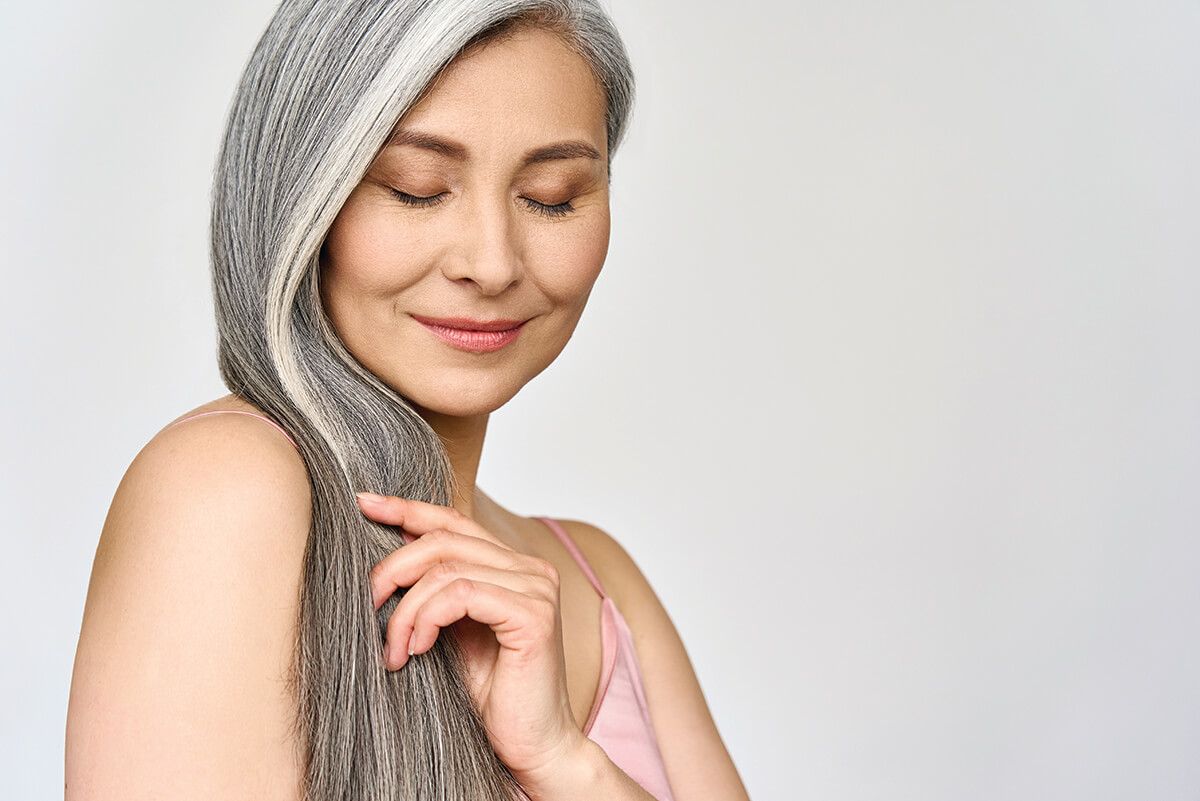
Today, many spas provide an expanding range of services that offer both physical and mental well-being all under one roof. Trends include skin-care and body treatments, medical spa services, wellness programs, and alternative therapies. Mia Banks, a plastic surgeon and owner of the 6,000-square-foot luxury Art of Balance Wellness Spa in Federal Hill, says, “Our spa offers aesthetic treatments, wellness therapies, and an extensive menu of massages and facials.
A big trend with facials is customized treatments.” Depending on the service, spa-goers can upgrade their service with different enhancements—Bio-Cellular masks, gemstone eye lifts, Lifting Mirocurrent, and even dermaplane treatments. Enhancements for the spa’s HydraFacials include glycolic peel, lymphatic drainage, and more.
And unique to this spa is its full salt cave, the only one in Baltimore. Known as halotherapy, it involves breathing in salt particles to help reduce stress, improve respiratory function, and promote overall wellbeing.
Specialty Treatments
Want to relieve pain, swelling, aching muscles, and more? Many say that cryotherapy (a cold room -148 F to -220 F) for three to four minutes may help.
Marylander Maritza Alcoreza says, “My mom had a knee replacement and had a terrible recovery. Finally, she saw a Restore Hyper Wellness establishment and decided to try cryotherapy, one of their many treatments. Thrilled with the results, my parents opened Restore Hyper Wellness in Virginia Beach, and later one in Canton,” says Alcoreza, who is now the location’s manager.
A franchise, Restore offers three different categories of treatment. First there’s medical, which is administered by a registered nurse and includes IV drips, intramuscular shots, and hyperbaric oxygen therapy. Secondly aesthetics treatments are done by aestheticians—facials (hydro facial) and body treatments. And finally the core services focus on body aches and pains, and muscle recovery— cryotherapy, infrared sauna, compression, and red light therapy.
Welcome to Today’s Gym
Going to the gym and exercising is now about more than just losing weight. JP Porter, personal training lead at Life Time Columbia, says, “While weight loss is still important, so is athletic performance enhancement, muscle building, injury prevention, and general wellbeing, including mental health.”
And gyms have a variety of equipment and classes, so fitness doesn’t become mundane. Tony Ferrari, senior director of operations of Movement gyms, notes, “While most people first come to our gyms for climbing, many soon branch out to yoga and fitness classes.” Movement has gyms in Hampden, Timonium, and Columbia.
Gyms must also keep adding new classes to meet their members’ needs. Life Time Columbia’s newest is MB360, a functional strength, conditioning, and meditation program. And they have “ARORA” a program geared toward active agers.
Building a community is also a big part of what gym-goers look for. Many gyms have parties, events, and coffee or running clubs. It’s great for creating a community of people who support one another and socialize, all adding to positive mental health.
Technology on the Go
It’s hard to do anything today without using technology. And staying healthy is no exception. The wearable health and fitness technology industry is booming.
People wear smart watches to become more aware of their physical health and meet their goals. Porter finds, “With wearables, we can customize people’s workouts, which leads to more positive outcomes.”
And people also use them for health management, including blood pressure monitoring, blood oxygen levels, EKG recording, and sleep apnea analysis. Some even support stress and anxiety tracking.
Smart rings are becoming more popular for their compact size and health sensors. The data collected by smart rings syncs with a companion app on your smartphone.
And, of course, AI is being added to health apps to improve the analysis of all your metrics and predict potential health issues before they become symptomatic.
So whether you are ready to amp up your fitness routine, embrace a refreshed face in the mirror, or simply improve your feeling of wellness in 2025, there are myriad supports to help you meet your New Year goals.