News & Community
Baltimore’s Iconic Flower Mart Turns 115
The city's oldest free public festival underscores the importance of natural beauty in the urban landscape.
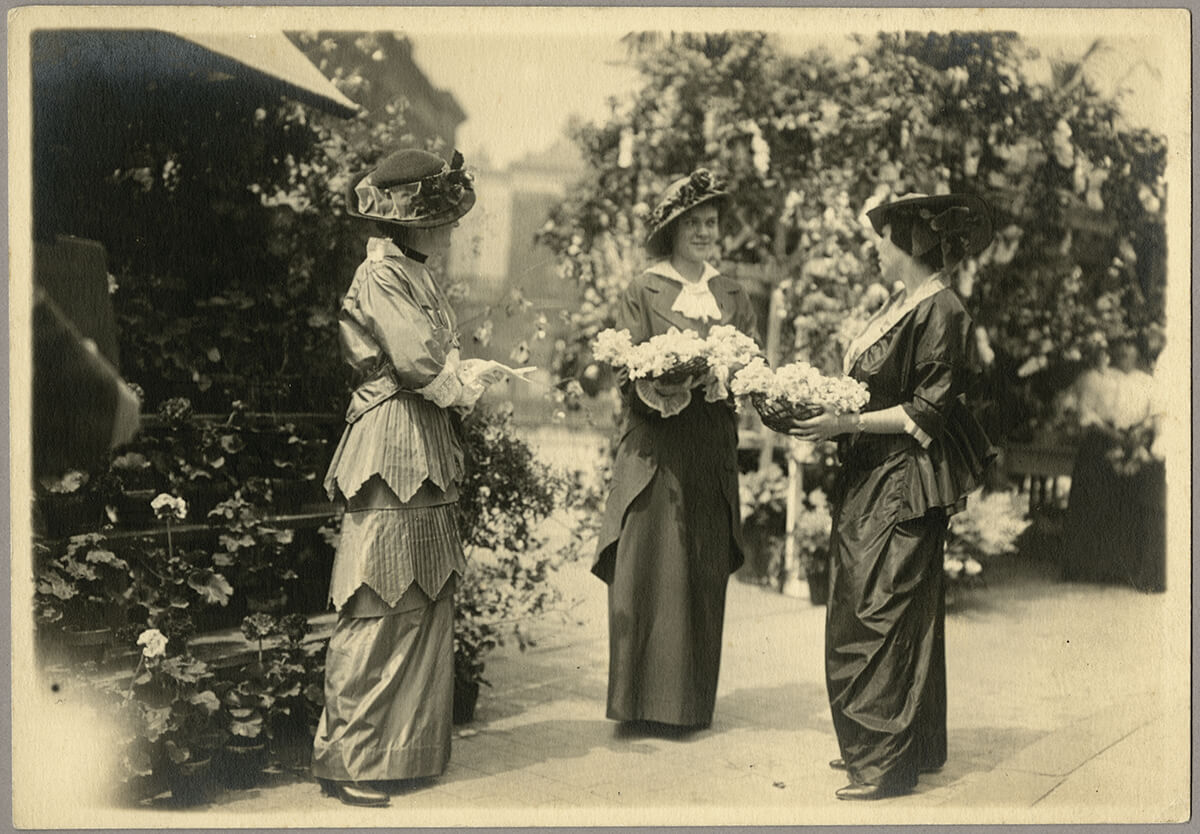
Baltimore is famous for its many festivals. Artscape. AFRAM. Pride. But the grandmother of them all is undoubtedly the city’s beloved Flower Mart. The Mount Vernon tradition began in 1911, established by the local Women’s Civic League, which was founded to help beautify Baltimore.
Throughout the 20th century, the group promoted home gardens for residents, planted trees on neighborhood streets and vacant lots, and hosted this outdoor floral fête, inspired by the national “City Beautiful” movement to improve communities through public design.
A century later, that legacy endures on the first weekend of each May. This month, Flower Mart will celebrate its 115th anniversary, making it the oldest free public festival in Baltimore—and an ongoing reminder of the importance of natural beauty in the urban landscape.
And the event is especially welcome this year. After months of bitter cold and brutal snowstorms, Baltimore residents need an augur of the better weather that spring and summer promise. That’s why Lance Humphries, executive director of the Mount Vernon Place Conservancy, which took over the Flower Mart in 2019, expects a massive turnout this year.
“People in Baltimore have a very strong emotional attachment to Flower Mart,” says Humphries. “Because it’s been such a lousy winter and we had cold snow that lasted forever, people are really ready for spring this year—more ready than normal.”
Throughout the years, this annual event has served as an unofficial rite of spring. Residents can browse flower bouquets, smell fresh herbs, and purchase pots full of various plants or vegetables to grow in their own homes.
Flower Mart draws more than just those interested in gardening, though. With a mix of local vendors selling art, crafts, food, and drink, as well as free workshops and family-friendly activities, Humphries says it brings out “the best of Baltimore.”
“We feel like, in our own small way, we’re supporting the economy in Baltimore,” he says. “We can always look for new things that add another little niche.”
But by far the most beloved attraction is the famous lemon stick—a tart, sweet treat made up of a halved lemon and peppermint-stick straw. Last year, the Conservancy sold 7,200 lemon sticks. This year, in expectation of larger crowds, they will come prepped with 8,000 treats, all ready to sell.
For more than a century, Flower Mart has been run by a team of volunteers—some 150 of them—who give the event its community feel and charm.
“Everyone enjoys it,” says Humphries. “They feel like they participate in something really wonderful.”