This story was originally published by The Trace, a nonprofit newsroom covering gun violence in America. Sign up for its newsletters here.
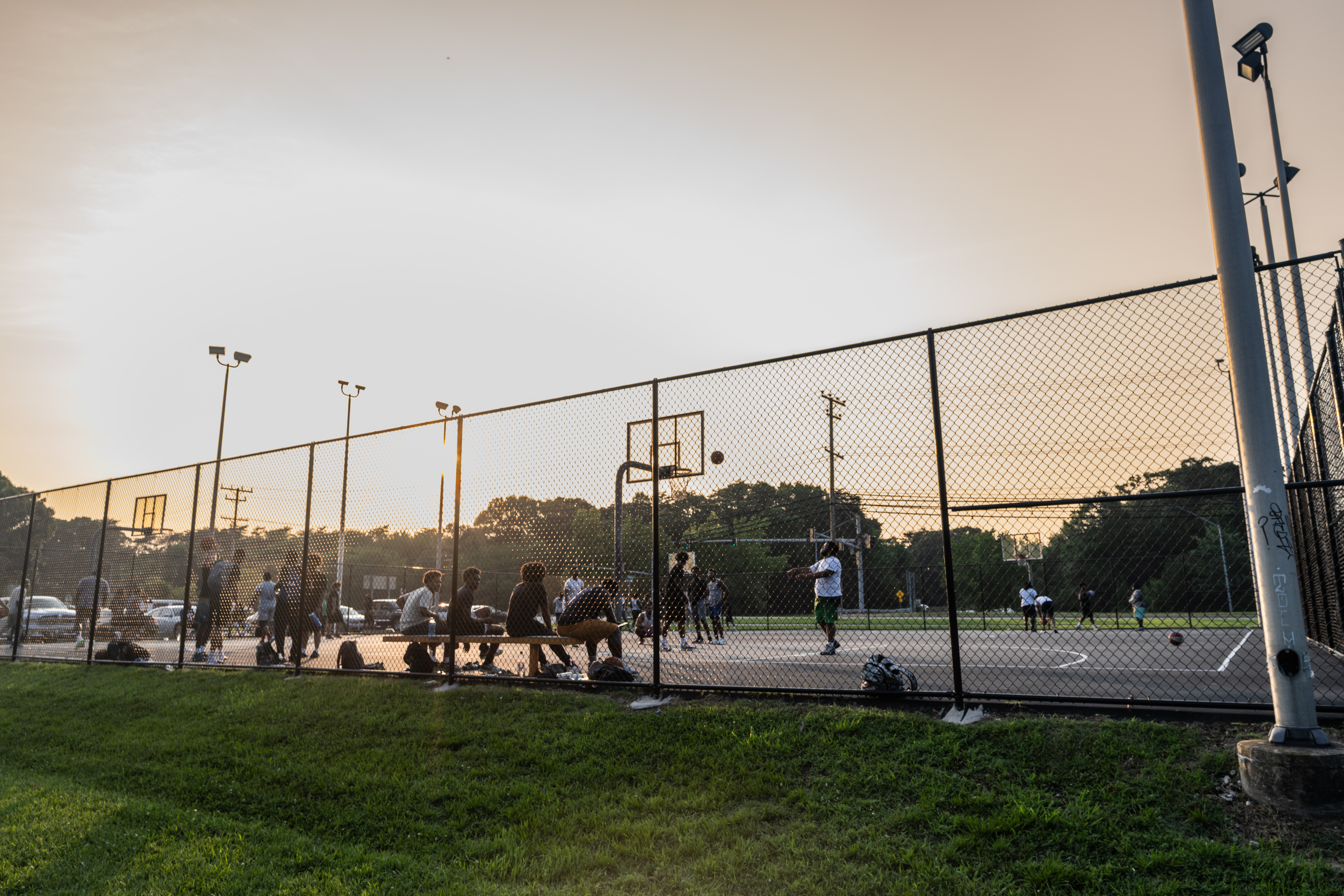
In early July, more than 100 people stopped by Sawmill Creek Park just across the Baltimore City line in Glen Burnie for the third-annual “Aaliyah Day.” It was a good turnout, especially given the triple-digit temperatures that threatened to keep some away.
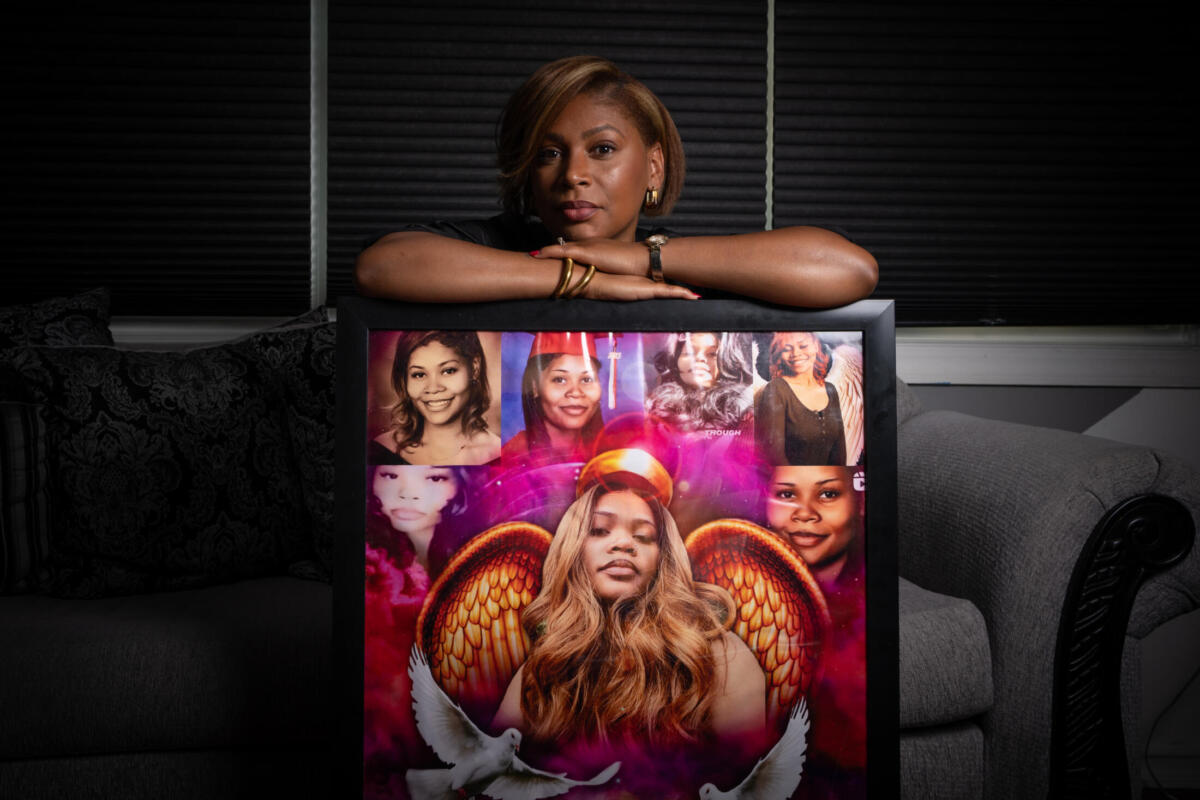
The stifling weather didn’t stop attendees from playing basketball or entering raffles for cash, shoes, and Orioles tickets. A DJ played upbeat music as family and friends handed out food and cold water. People chatted and exchanged quiet smiles. Many paused to look at the tribute on the black metal fence, where Aaliyah’s portrait hung alongside eight others, all young people lost to gun violence.
The day before the event, Krystal Gonzalez, Aaliyah’s mother, felt overtaken by emotions.
“Yesterday was full of tears, a rollercoaster,” she said. “This was the last day that I saw my baby alive on July 1, three years ago.”
For Gonzalez, the July 2 celebration was meant to be completely different from the block party where her daughter died. It was her way of reclaiming the day and restoring hope.
“But it’s also inspiring change,” she said.
Aaliyah was 18 and a recent high school graduate when she was shot and killed. She was one of two people who died after shots erupted in the largest mass shooting in modern Baltimore history. Twenty-eight others were also wounded—including 15 minors.
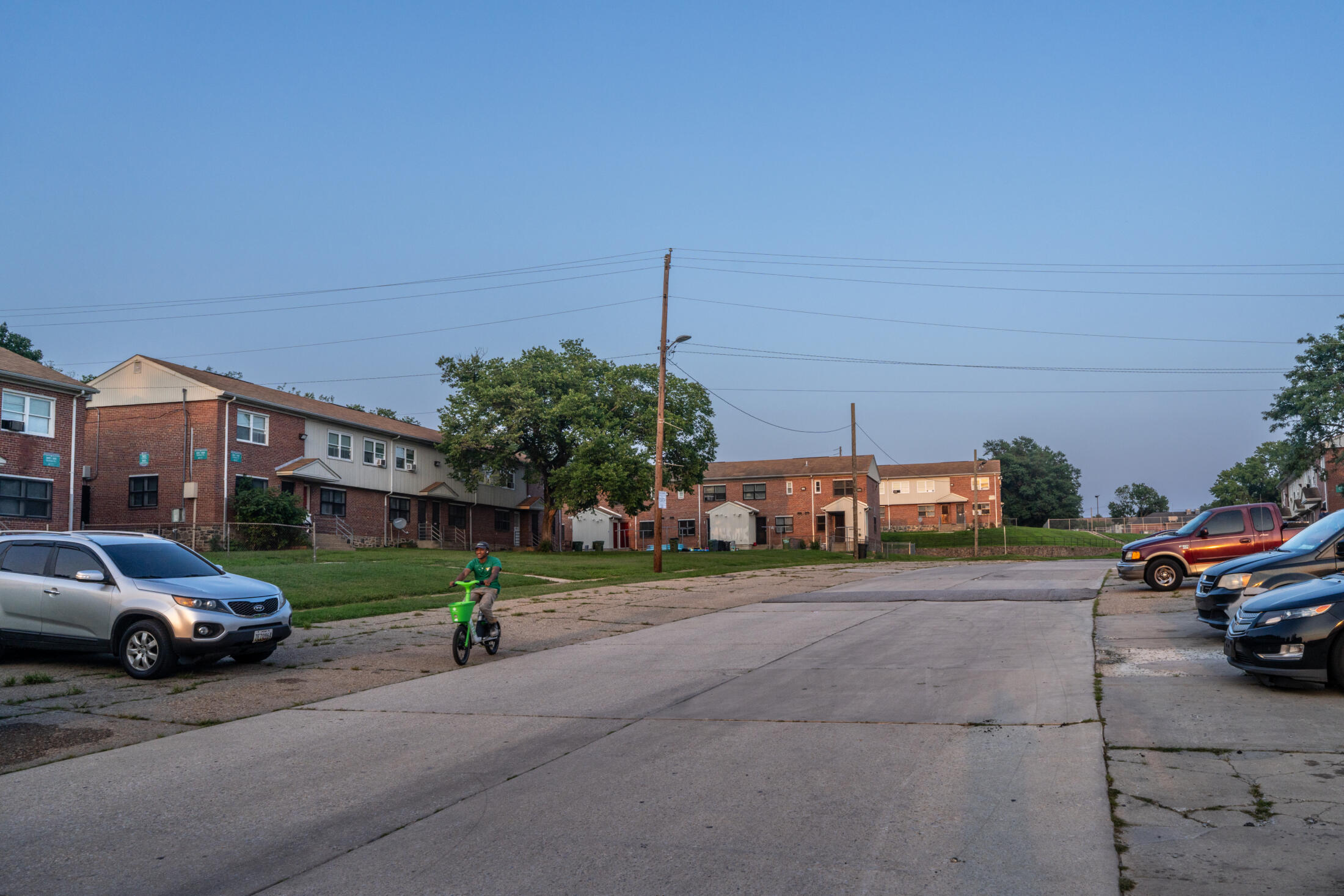
They were shot at the Brooklyn Day block party, an annual community event in the Brooklyn Homes section of Baltimore. The event was banned after the shooting, and the city Housing Authority is now being accused of negligence in a lawsuit filed by Gonzalez and the family of 20-year-old Kylis Fagbemi, the other victim who died in the shooting. Four people injured in the shooting have also filed lawsuits.
“My eyes were opened to the many disparities and injustices that caused this awful event to happen,” Gonzalez says. “There were a lot of missteps and finger-pointing, and as a result, my daughter is no longer here.”
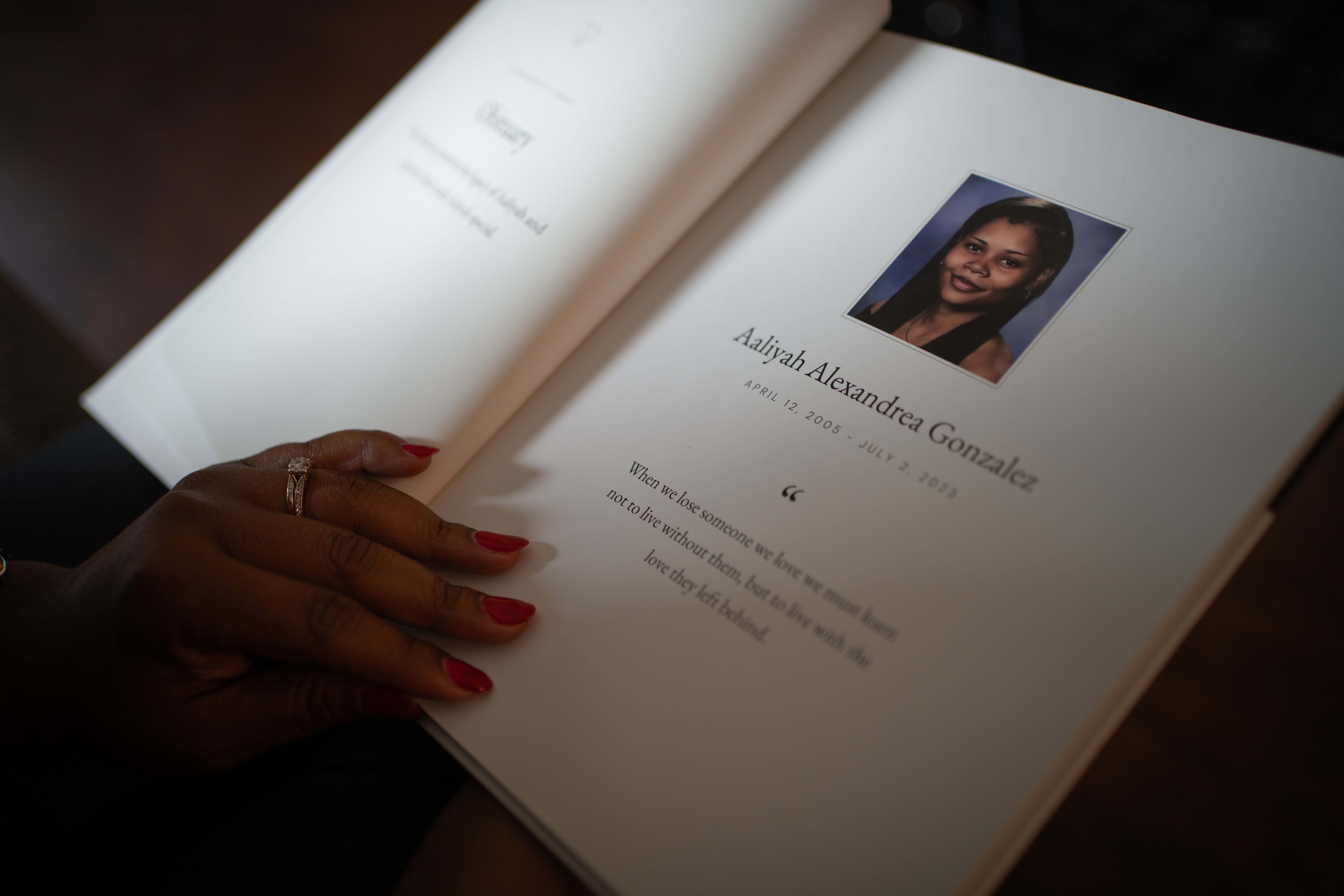
Gonzalez’s journey from grief to activism has been driven by her desire for answers and change. She has become a prominent voice in the media and at the Baltimore City Council, calling attention to systemic failures around Brooklyn Day. She has pointed to years of unpermitted block parties that were allowed to continue, a public housing authority that looked the other way, and police officers who did not respond to several 911 calls about guns at the scene.
The last moments Gonzalez shared with her daughter felt strangely eerie. She had cooked Aaliyah’s favorite meal for dinner, and her gut had urged her to pull Aaliyah into a tight embrace in the hallway, for no particular reason. They had shared similar moments many times— quick hugs before Aaliyah’s shifts at Starbucks, after rides to school, or during late-night check-ins. But this time felt heavier, as if Gonzalez sensed something was wrong that July evening.
When Aaliyah stopped by her bedroom to say goodbye before leaving for the party, Gonzalez again felt she needed to pay close attention. Aaliyah’s last words to her mother were, “I’m leaving. I love you, Mom. I’ll see you later.”
That night around 1 a.m., Gonzalez was woken up by her husband’s screams. Aaliyah had been shot. They hurried to Brooklyn Homes, hoping to find their wounded daughter. First responders told them to go to MedStar Harbor Hospital, but the hospital told them to go back to Brooklyn Homes. Back on the scene, Gonzalez found Aaliyah’s body, identified by the tattoo on her arm, lying on the ground covered with a sheet.
Shocked and inconsolable, she learned Aaliyah had been pronounced dead at 12:34 a.m. and that her body had been waiting there all along amid the chaos of overturned tables and broken glass, blood spatters, exhibit tags, and crime scene tapes.
“I could feel the fear of people in that place,” Gonzalez says. “I knew Aaliyah might have been scared. It was an awful thing for any parent to experience. It never leaves you.”
Five people have pleaded guilty to charges related to the Brooklyn Homes shooting, but no one has faced murder charges for the two deaths. The Baltimore Police Department has not responded to requests for comment.
The lawsuits filed by Gonzalez and the other victim’s families claim the Housing Authority failed to provide proper security that could have prevented the shooting.
The city’s “after-action” report, released in August 2023, placed much of the blame for events spiraling out of control on the Baltimore Police Department. The report noted BPD’s failure to gather intelligence around the event, to deploy needed officers, and to respond to 911 calls prior to the gunfire.
The report added, “Officer indifference may have compromised the awareness, planning, and response to Brooklyn Day prior to the large crowds arriving.” Ultimately, one police officer was terminated along with one BPD civilian employee. Seven other officers and three other civilian employees were assessed days of lost pay.
“There’s nothing that they can do criminally to give me justice for my child,” Gonzalez says. “What I can focus on is seeing my community change as a result of my daughter losing her life.”
As one of the few victims’ family members to speak out publicly since the tragedy, she realized the community had come to accept violence as normal because it had gone on so long. Without action, this cycle would likely continue.
“Bullets have no name—wrong place, wrong time,” Gonzalez says. “I refuse to let this be a world that we live in. We have to do so much to change the culture.”
That’s how her nonprofit foundation, Redirecting Our Culture (ROC), was born seven months after Aaliyah’s death. The organization helps families rebuild after trauma, focusing on mental health and interrupting the cycle that turns traumatized youth into future perpetrators.
Key initiatives include bi-weekly peer-to-peer meetings for bereaved mothers affected by gun violence, grief support sessions, and youth character development workshops. ROC also serves as a bridge, connecting survivors with community violence interrupters to access wrap-around services through the Mayor’s Office of Neighborhood Safety and Engagement (MONSE).
“Our vision is to turn those same moms into victim advocates, which is going to open up more of a space for more victims to be touched,” says Mark Mason, who oversees victim services at MONSE.
During this year’s Aaliyah Day, representatives from the Anne Arundel County Workforce Development Corporation provided job resources, while officers from the Baltimore Police Department were present not just to ensure safety, but also to engage with the community, Gonzalez says.
Sitting on a shaded bench, Tamica Howard looked at her son’s portrait displayed on the fence across the field. A rush of emotions came over her as she took in the tribute. Her oldest son, 19-year-old Diamante Howard, was killed in April 2018 during a dice game, and even now it still feels like it happened yesterday.
“I am just trying to bear with it,” she said. “So it’s rough.”
Howard was attending Aaliyah Day for the first time, having recently joined ROC. She takes part in the group chats, Zoom calls, and in-person meetings with the other bereaved mothers.
“We went through the same thing, but differently,” Howard said. “If you need someone to talk to, you can call them. It’s awesome to have support from people who know what you’re going through.”
Baltimore has seen historic reductions in gun violence in recent years, in line with the national downward trend. Research suggests this is driven by the city’s approach—a coordinated system that combines focused deterrence, community violence intervention, victim services, and improved investigations under the sustained leadership of the Mayor’s Office.
Nationally, though, gun violence remains the leading cause of death for Generation Z, something that has held true since 2017. That’s where Aaliyah Day comes in, and why it can play a key role in maintaining progress toward reducing gun violence.
From the start, Gonzalez has framed Aaliyah Day as more than just a vigil. She views it as part of a greater effort for community safety, with city agencies, violence interrupters, neighborhood leaders, and survivors all working together.
“It absolutely is a collective effort,” she says. “Everybody has to work together in order to see any kind of change.”
Mason, MONSE’s chief of victim services, says events like Aaliyah Day complement government-led initiatives and can be “hugely effective” in changing how young people see violence and their options.
“Which is why [Aaliyah Day] is so unique,” he says. Gonzalez “has put things together where, everywhere you turn, as a young person, you can find something or someone to engage with.”
For young adults like Kayla Green, watching people from different backgrounds and cultures come together at Aaliyah Day was inspiring.
Green, a 25-year-old makeup artist from Baltimore, had planned to go to the Brooklyn Day block party three years ago, but ultimately stayed home. Even though she did not know Aaliyah personally, Green was deeply affected by her story. Almost attending the deadly block party changed how she thinks about safety and community responsibility.
She believes government programs are important, but says survivor-led events like Aaliyah Day “just take away the tension.” She feels that while politicians should do more, the community often does better.
“I feel like we as a community could work faster than them,” she said. “We want the younger community to have a say in protesting, getting out in the field, and sticking up for ourselves.”
On the same day Gonzalez brings families and young people together for Aaliyah Day in Sawmill Creek Park, MONSE, through its Safe Streets Baltimore program, hosts a quieter wellness event at Brooklyn Homes to mark the anniversary of the mass shooting there. These healing events are designed, as Mason puts it, to bring “a more serene type of atmosphere” to Ground Zero.
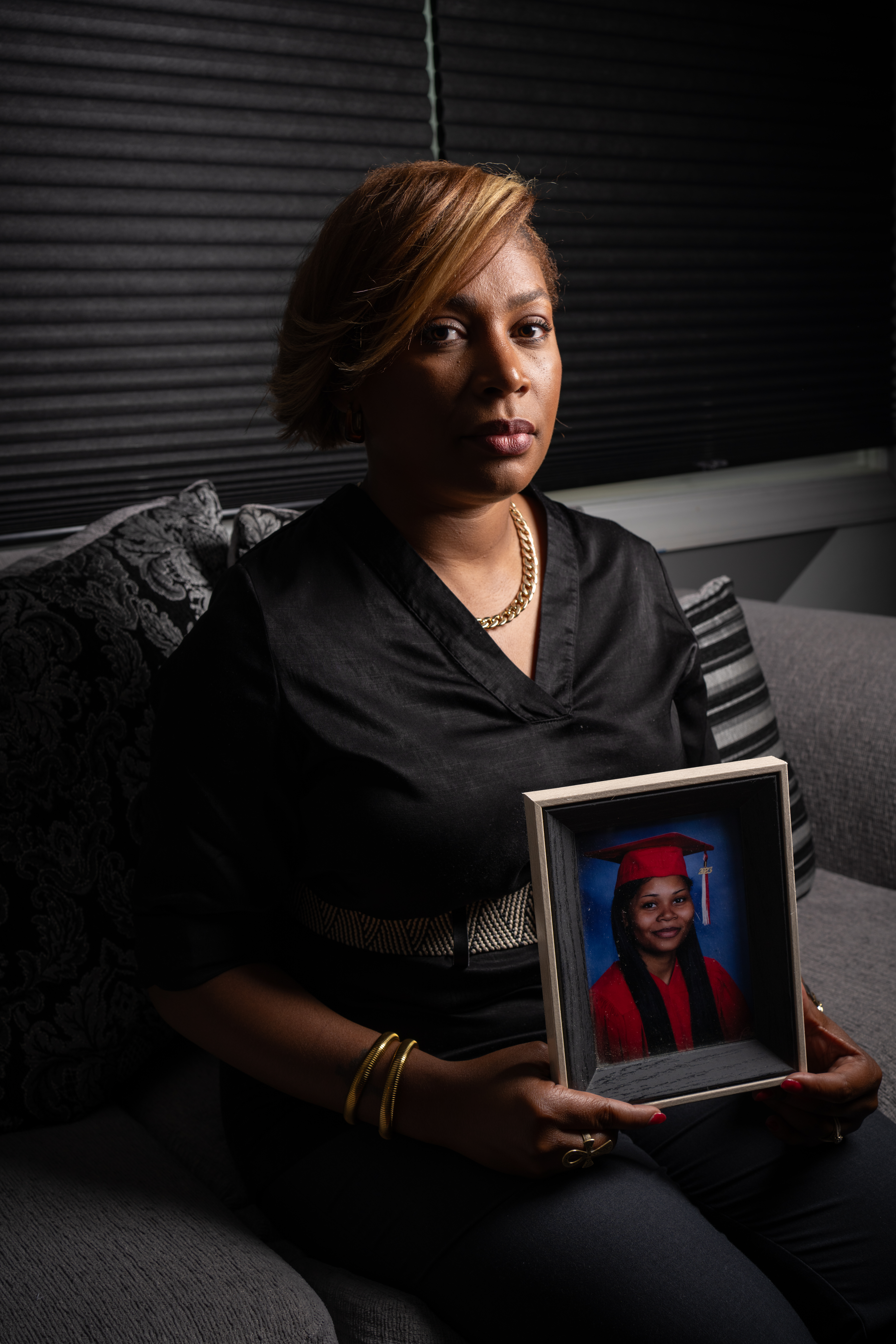
Along with promoting community events like the bi-annual healing hikes and the annual Aaliyah Day, Gonzalez has spent many hours meeting with lawmakers. She met with Maryland Governor Wes Moore about the ENOUGH Act to fight child poverty after Brooklyn Day, testified for gun control laws to stop DIY machine guns, and spoke at rallies.
Recognized as a leading advocate for victim services, she attended the Biden-Harris administration’s Mother’s Convening on Improving Services for Gun Violence Victims at the White House in March 2024.
Even as she navigates unresolved grief, Gonzalez is intent on widening the reach of Redirecting Our Culture. She wants to build on her partnerships with MONSE and to one day open a trauma recovery center for youth and parents.
Gonzalez, who now works as chief of staff for a state delegate in Annapolis, says she feels “no trepidation, no fear, no anxiety” when it comes to standing before those in power to prevent other families from enduring what her family has.
“There are days where I sit with my tail down, but I let those days come and go,” Gonzalez says. “In the meantime, I have to keep moving forward, because the only things in life that are guaranteed are death and change.”