While Baltimore celebrates its historic drop in violent crime in the first half of 2025, a different crisis continues to grip the city’s streets: the opioid epidemic.
This past summer, that crisis reached a frightening point when multiple mass overdoses in the Penn North neighborhood sent more than 30 people to the hospital. Last week, the community experienced yet another mass overdose with 10 patients affected. Thankfully, no fatalities have been reported, but these events have sparked a heightened sense of urgency among first responders and city officials.
From apps that aim to notify folks of bad drug batches to safe spaces and accessible treatment, Baltimore organizations are taking novel approaches to curbing the overdose death rate, but still struggling to fully prevent these events from occurring.
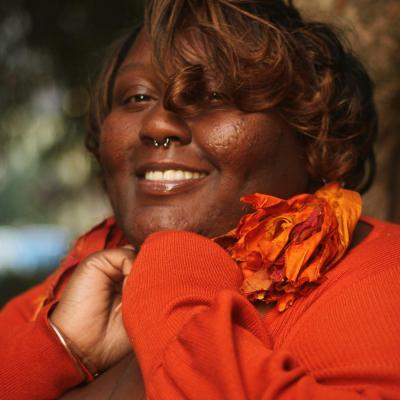
Among the city’s most dedicated harm reduction advocates is Nicole Bryant, the founder of We Responders Inc., who was on the ground in the wake of the Penn North emergencies to support the community. But before this summer’s overdoses brought a renewed focus to the issue, Bryant had long been calling for Baltimoreans of all ages to be better equipped with life-saving skills, such as emergency response training, CPR, Stop the Bleed, and overdose awareness.
We recently spoke with Bryant about We Responders’ mission and what keeps her going in the wake of community tragedies, particularly those in underserved and high-risk areas.
For folks who may not be familiar, what is We Responders? What inspired you to start this work?
We do emergency preparedness training to teach people in the community how to respond in emergency situations. We Responders started after losing my one-year-old nephew to a fentanyl overdose. This strengthened in 2024 when I lost my father to a fentanyl overdose.
In addition to what inspires you, what keeps you in the work? And what does it look like day to day?
What keeps me going is knowing who my dad was outside of his addiction. He was the strongest man I knew, fighting an addiction he couldn’t beat. I had to show up for him, whether he was ready for help or not.
We do workshops twice a month virtually and twice a month in person. We hold something called “The Recovery Talk,” where we talk with youth and adults about what it’s like to be a child or relative of an addict, how that affects us, and how we show up to support them. We also have a program called “We Need Recovery Too,” where we provide supportive services for family members and youth of addicts. We give out hygiene kits, do grief and financial literacy programming, and have created the office as a safe space for them to come in person.
Folks might not understand “tester culture.” Can you explain how testers create possibly deadly conditions?
A tester is when someone adds something to a product or wants to advertise their product and gives it away for free to see how people battling addiction respond. People use the drug to see how strong or weak it is, but the person dropping testers doesn’t know the reaction they’ll get. Like in July, or recently, testers can contain anything, and that’s what’s causing overdoses.
“What keeps me going is knowing who my dad was outside of his addiction. He was the strongest man I knew, fighting an addiction he couldn’t beat.”
Recently, you held the Revive 21217 event in Penn North following an overdose. Can you tell me more about that?
We allowed addicts to sit down, join a panel, and share their perspectives—how they started, what support they need. A lot of times we think we’re showing up to help, but we don’t know what they actually see as help. I hosted it in the Maurice space in the Upton Market.
What were some of the insights you got from the addicts who joined the panel?
We had a guy named Mr. Roosevelt who said we need to catch somebody young. It’s not just the “knuckleheads.” Sometimes it’s the ones from two-parent households who don’t know how to accept who they are or see their self-worth. Even though they’re out here getting high, that’s not the life they want. They want to feel accepted. We also learned that when they get clean and reunite with family, the family often still treats them as addicts, and that causes relapse. That’s why we offer support for the family, so they can learn how to reunite and deal with loved ones after recovery instead of pushing them back into addiction.
In your experience, what gaps do you notice in the emergency response system that We Responders is working to fill?
Ongoing support. When tragedies happen, everybody comes to the scene and focuses on people who aren’t ready to be clean. The idea of supporting people who aren’t ready for recovery doesn’t work. It’s like, either you’re using or you’re in treatment, but what about the people in the middle?
We have a number they can call, [443-943-3157] even if they’re not ready to check into a substance use disorder program. Whether they need food, clothing, or just someone to talk to, we want to offer support until they’re ready. The usual approach is to say “go to rehab,” but not everyone’s ready. We show up to give them that voice and support, so when we say “It’s time,” they know we mean it and that we care.
“The idea of supporting people who aren’t ready for recovery doesn’t work. It’s like, either you’re using or you’re in treatment, but what about the people in the middle?”
Your team has deep roots in Baltimore’s neighborhoods. How does that shape your ability to respond quickly in moments like this?
It’s empathy more than anything. My dad overdosed and lost his life copping on that same corner. A lot of people think these folks are making a choice, but many are hurt and dealing with what we all deal with, they just don’t have the coping skills. That’s what makes me show up. I could feel like the city took my dad and nephew, but it didn’t make me turn my back. It made me show up for people like me and support them when the city or the drugs take their loved ones.
How do you communicate with people of all ages about emergency preparedness?
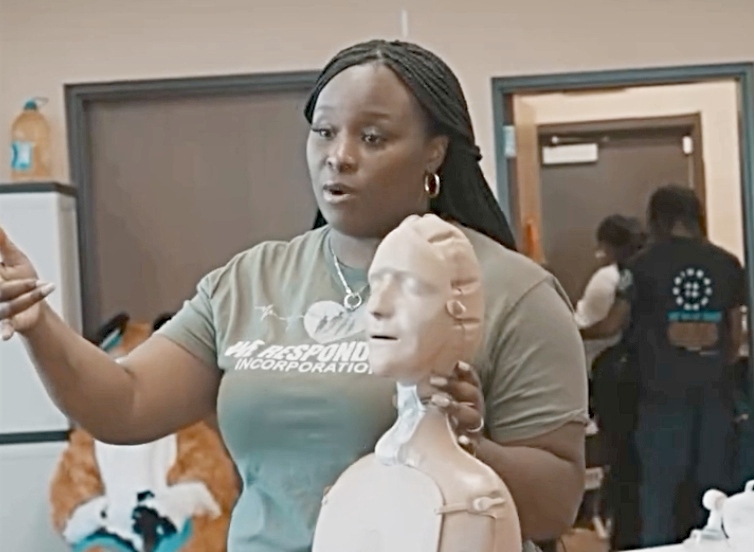
We have different training sessions for different ages using mascots, games, table talks. We base our training on the crowd. We talk with kids six-to-nine years old and do training with seniors. Everyone needs it. You’re never too young to learn. About 75–80 percent of our training is hands-on, because we believe the subconscious mind trains the conscious. We let you practice responding so when it happens, you know what to do.
Despite the hard moments, what gives you hope in this work?
When people tell me, “My mom overdosed, but I remembered what you said about using Narcan,” or when kids say, “If you got through it, I can too.” That makes it easy to show up. If one person saves a loved one or recognizes an overdose and calls 911, that’s enough hope to keep pushing. If we can save one life a year, that’s good enough.