The Maryland Film Festival starts tonight at the Parkway Theatre and runs through Sunday, Nov. 9. It’s an exciting lineup of features, docs, shorts, and experimental works, many with Baltimore roots. Here are two must-see films you should aim to catch:
I WAS BORN THIS WAY
Baltimore native Carl Bean should be a household name. I was utterly captivated and inspired by his story, told with great care and affection in the new documentary, I Was Born This Way—and was rather stunned that I’d never heard of him before.
As a child in Baltimore, he endured unspeakable trauma (molestation by an uncle, the death of his young mother, ridicule and condemnation from his family and peers for being gay) and found solace in two things: music and the church. He was a gifted singer and loved to impress all comers with his vocal prowess.
The church, which was joyful, with music and love, should’ve been a sanctuary for Bean. But he knew he was gay at a young age and the church rejected him, telling him he was going to hell.
In the 1960s, he moved to New York, got a job as a stockboy at Macy’s, and began singing gospel with friends, including Dionne Warwick. He built enough of a reputation as an excellent baritone that Motown Records eventually came calling.
R&B music was giving way to disco and they had a song for him to sing—a gay anthem of sorts called “I Was Born This Way.” (Yes, Lady Gaga, who is interviewed here, credits the song for influencing her single of nearly the same name.)
The song became a hit—blasted in discotheques across the country—so much so that he could’ve continued making more hits, but he had other plans. He wanted to spread the gospel of inclusivity and love.
When the AIDS crisis hit his community, he became a priest so he could visit the dying and give hope and comfort to them, as well as their parents, who in some cases felt a wave of unspeakable relief that a preacher was by their child’s bedside. (So just to reiterate—the man became a priest so that he could tend to those dying of AIDS.) He also started an organization called the Minority AIDS program and founded a gay-friendly ministry, the United Fellowship Church.
In a cruel twist, he had encountered racism in the gay community, just as he had encountered homophobia in the Baptist Church. At times, he felt there was no place where he really belonged. So he created that space for himself and others.
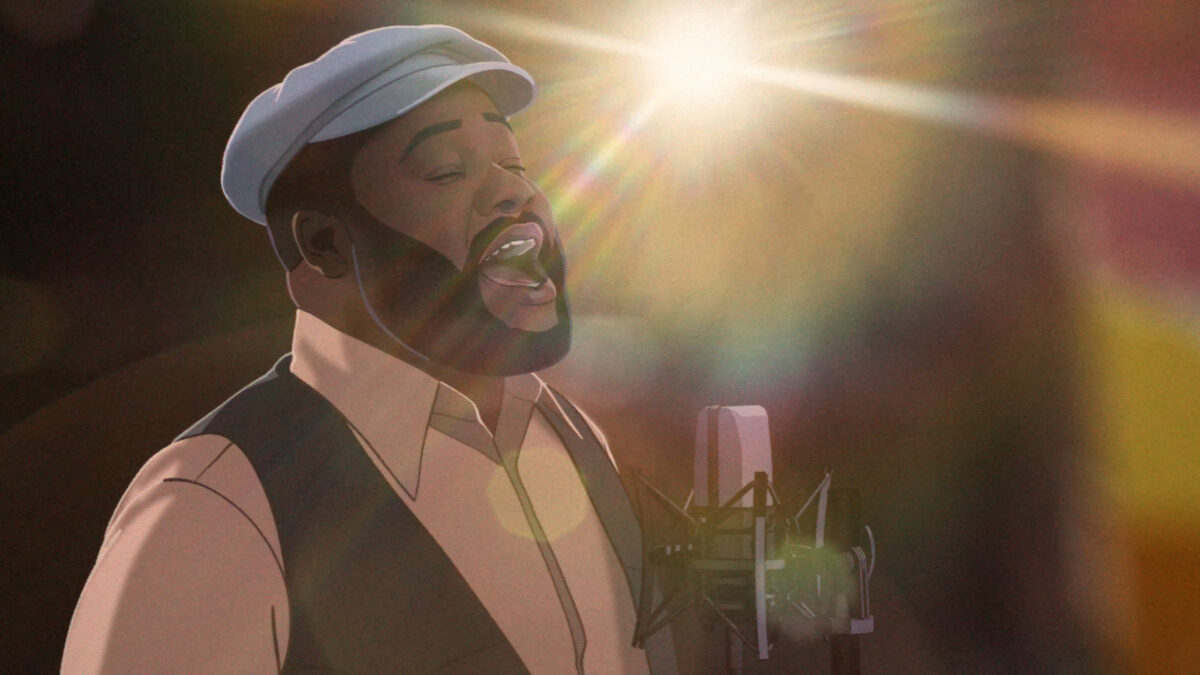
Baltimorean Sam Pollard, who directed the film, tells Bean’s story through a mixture of semi-realistic animation and interviews with not just Bean, but many of his friends, family, and admirers, including Questlove and Warwick.
The film’s framing device has bon vivant extraordinaire Billy Porter tracking down an early demo of not just “I Was Born This Way,” but its never-before-heard B-side, “Liberation.” The film ends with Porter singing that song along with Bean’s old recording. It feels uplifting and celebratory. A fitting tribute to a man who committed radical acts of joy.
I Was Born This Way screens at the Parkway Nov. 9 at 5:30 p.m.
RICKY
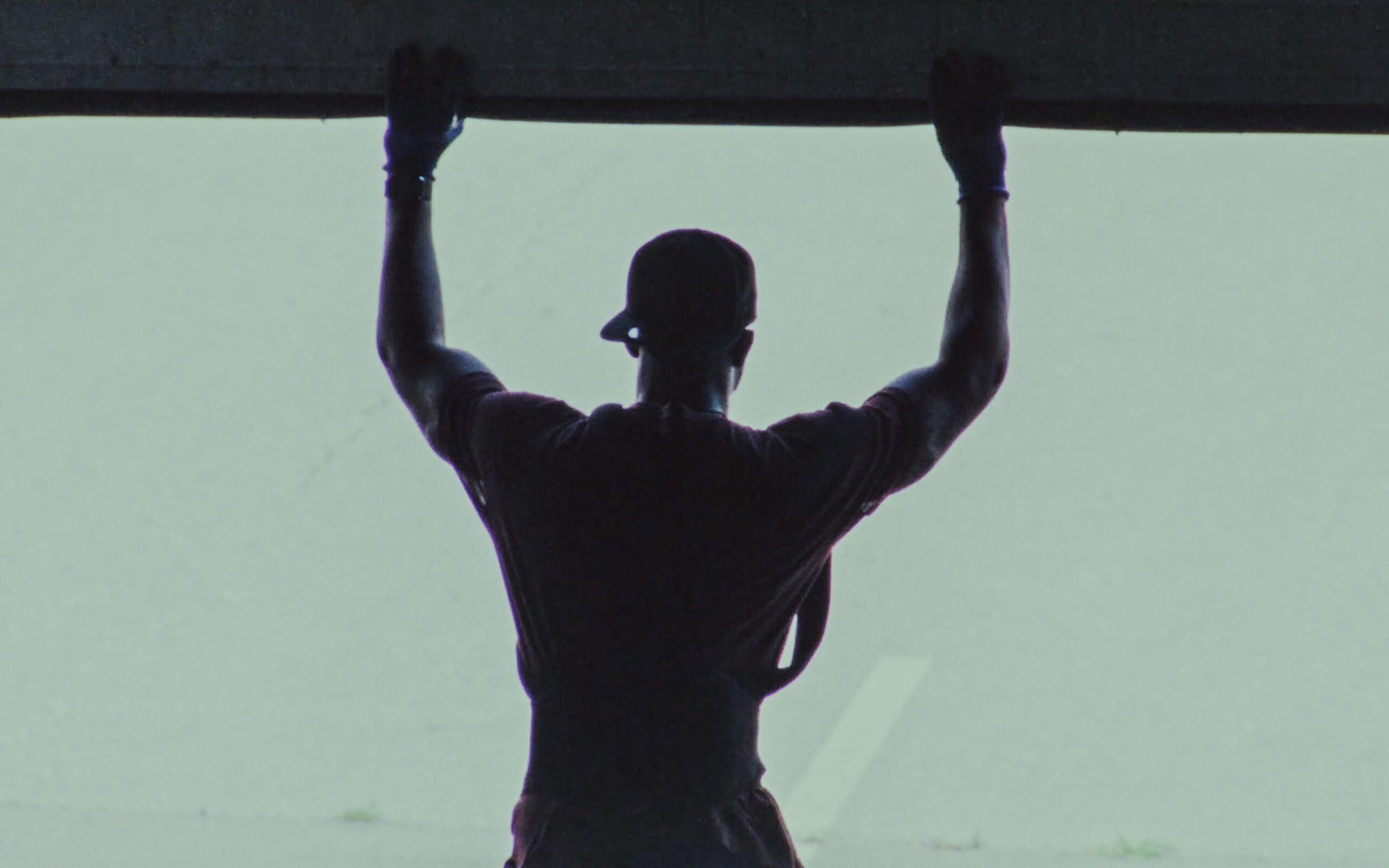
Ricardo “Ricky” Smith (Stephan James) has been dealt a horrible hand. At 15, he was arrested for robbery and attempted murder—his friend, the mastermind behind the heist, successfully averted the police—and he spent 15 years in jail.
Now he has emerged a man-child who doesn’t know how to use a smartphone, can’t drive, and has had very limited experience with sex.
The world, it seems, is conspiring to keep him from living a full life away from prison. He loses one job when threaten a background check, almost gets robbed (and possibly shot) by a couple of gangbangers, and has to avoid the many drug dealers and bad influences in his midst.
He has powerful female figures in his life: His God-fearing mother, who lays hands on him and evokes the holy spirit; his no-nonsense parole officer (Sheryl Lee Ralph) who reminds him that she’s not his friend and definitely not his mother (while secretly caring deeply about him); and a woman from the mandatory support group for returning citizens he attends, who shows him kindness but perhaps wants more than he’s capable of giving.
James’ portrait of this man at a crossroads, not sure how to live in the world or even if he deserves to live in it, is heartbreaking and fearless. And enormously gifted director Rashad Frett, a Baltimore native who won the 2024 Maryland Filmmaker Fellowship Award, doesn’t shy away from his hero’s pain and darkness. Ricky doesn’t make eye contact, is quick to anger, prone to zoning out when people are talking to him. No, the world is not on his side, but he needs to be on his own side.
Ricky can be a frustrating film to watch, but that’s the point. This isn’t about neat Hollywood endings. It turns out, when our hero gets out of prison, that when the real struggle begins.
Ricky screens at the Parkway on Nov. 8 at 7:30 p.m. Director Rashad Frett will be in attendance.