
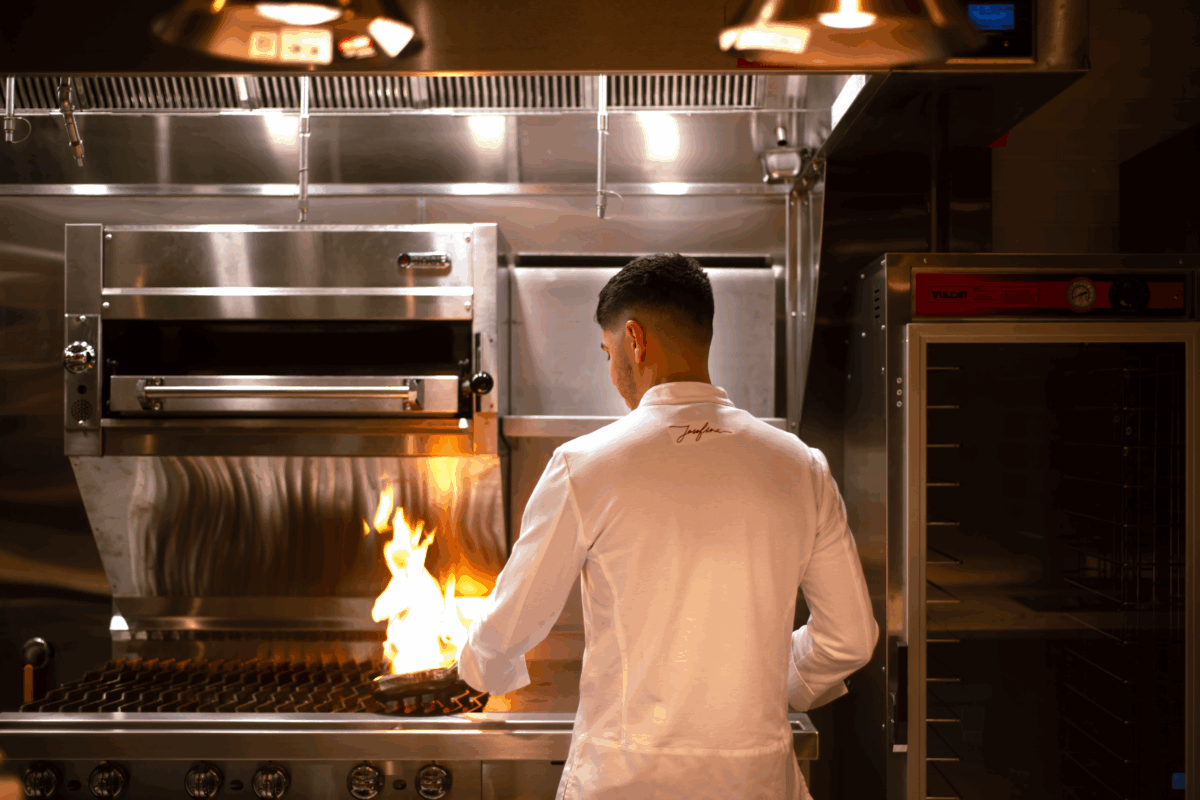
Josefina, the new modern Spanish restaurant that officially opens in Harbor Point on Friday, Jan. 9, is named after executive chef and owner David Zamudio’s maternal grandmother. In fact, it’s an homage to all of the women on his mother’s side, as they all share some form of this name.
“For their sacrifices and their work…I thought it was a very good, sentimental fit,” Zamudio says. “I wouldn’t choose a random name.”
The Spanish name sets the tone for the entire experience. Venezuelan-born Zamudio, a James Beard Award semifinalist for Best Chef: Mid-Atlantic in 2024, arrived in Baltimore in 2017 after stints around the world in Spain, Mexico, and Ireland. Locally, he served as executive chef at Alma Cocina Latina from 2019 until he and the owners parted ways in December 2023. (A court date to resolve legal disputes between Zamudio and his previous employers is slated for March.)
Zamudio’s connection to Spain is both familial and professional. His mother lives there, and he has spent significant time in the country throughout the years—including a three month lockdown resulting from the unfortunate timing of a visit in March 2020.
“A lot of Spanish cuisine—and Spanish culture in a way—is just cooking with great products,” Zamudio says. “That’s what I’m trying to reflect. I’m trying to work with good product, respect it, treat it nicely.”
To that end, diners can expect Spanish staples like pintxos and tapas—the iconic pan con tomate (crushed tomato and garlic-rubbed bread) being one of them—as well as an array of seafood. Bread service by executive pastry chef Maria Alejandra Cobarrubia—who gave Zamudio his first-ever job in Venezuela, and now joins him in Baltimore—will feature pan de cristal, a type of Spanish bread known for its shatteringly thin crust and light, airy interior. Mains are meant to be shared family style, the way Zamudio likes to eat.

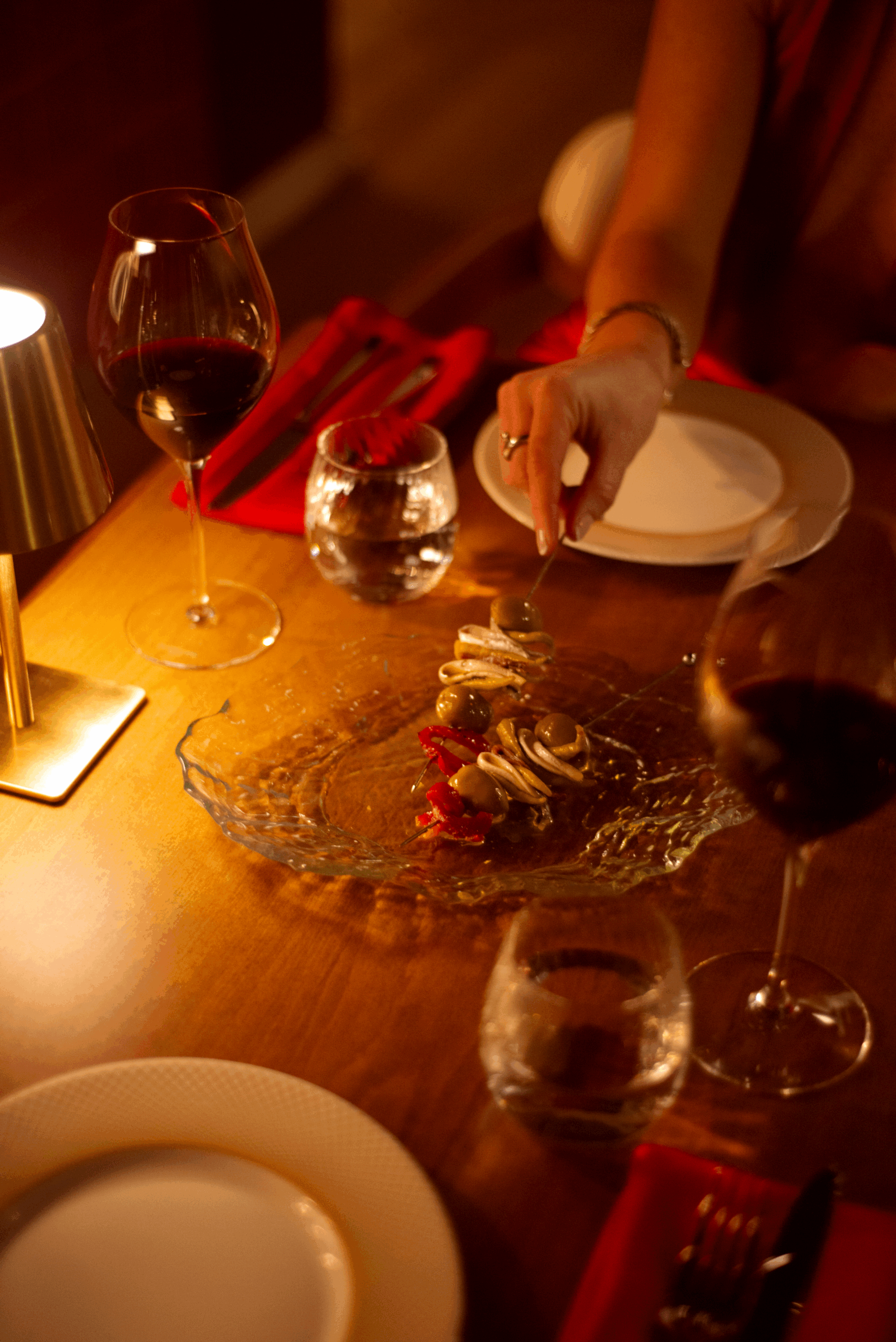
In keeping with the modern Spanish feel, the new spot will allow the chef to get playful with traditional recipes. A rabo de toro dumpling, for example, will act as a bite-sized interpretation of the classic Spanish red wine and sherry-braised oxtail stew. On the dessert menu, a leveled-up rice pudding will top a crunchy rice bottom with bits of jellied coffee and a quenelle of soft sweet ice cream.
“I want to stick to tradition,” Zamudio says, “but we call it modern because food changes through time.”
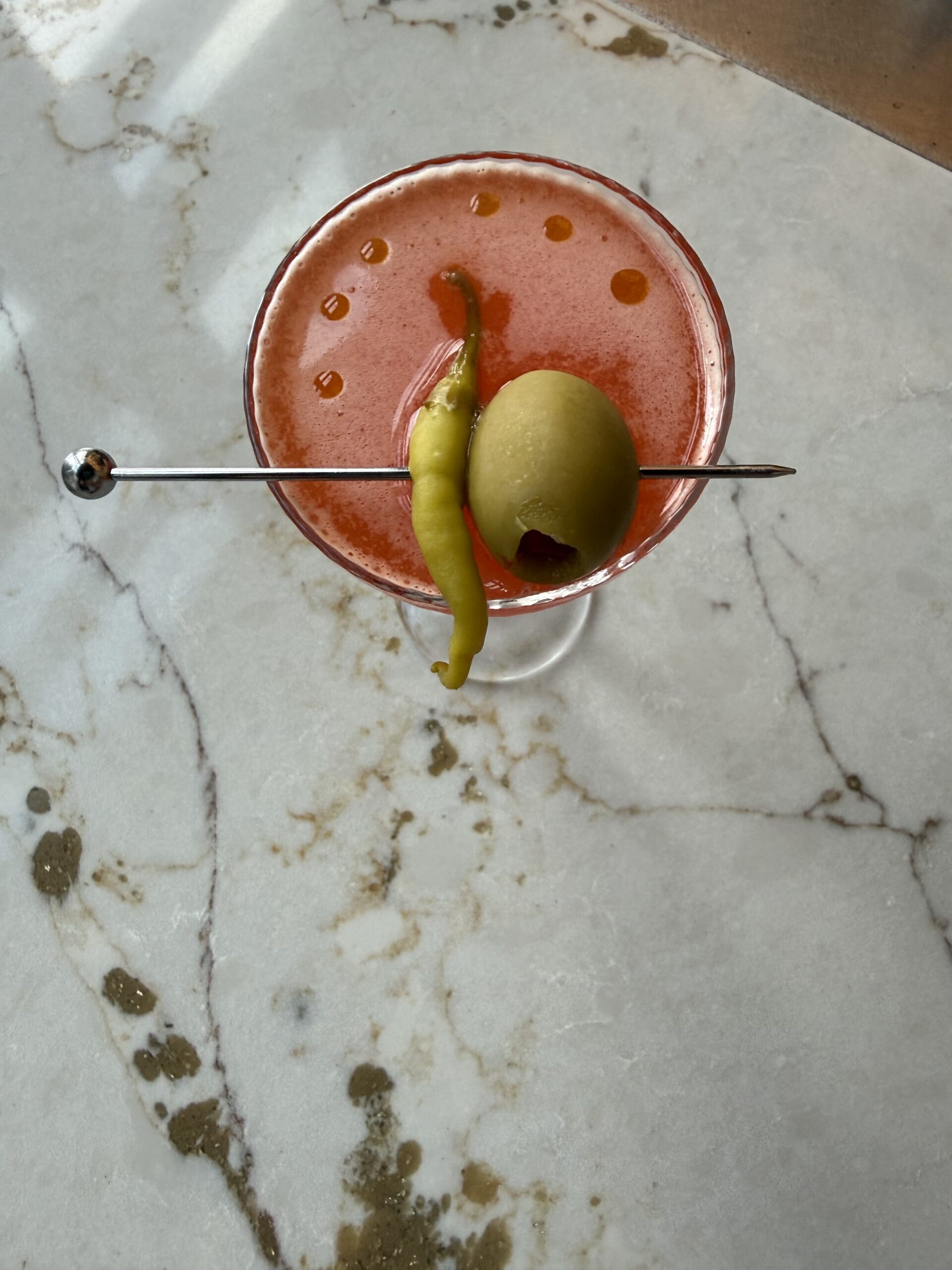
The team also includes executive sous chef Victor Martins, sous chef Anthony Jaimes, and bar lead Cristian Ocampo—a Toronto native who briefly worked at Alma in 2019. The cocktails will fall in line with the modernized formula, using sherry and vermouth to put a spin on Spanish flavors. (Think: a house Negroni made with sherry instead of gin, and the “Tomatelo,” a savory tomato martini whose name fuses the word tomato with the Spanish word, tomar, to drink.)
“One thing we’re doing that’s unique is, every time you order a signature cocktail, you’re sent a small tapa—maybe a bowl of nuts, olives, chips, or bread,” Zamudio shares. “Just like in Spain, when you order a drink, something comes on the house. We want people to feel like they’re going to Spain, and to really reflect that tradition throughout the bar program.”
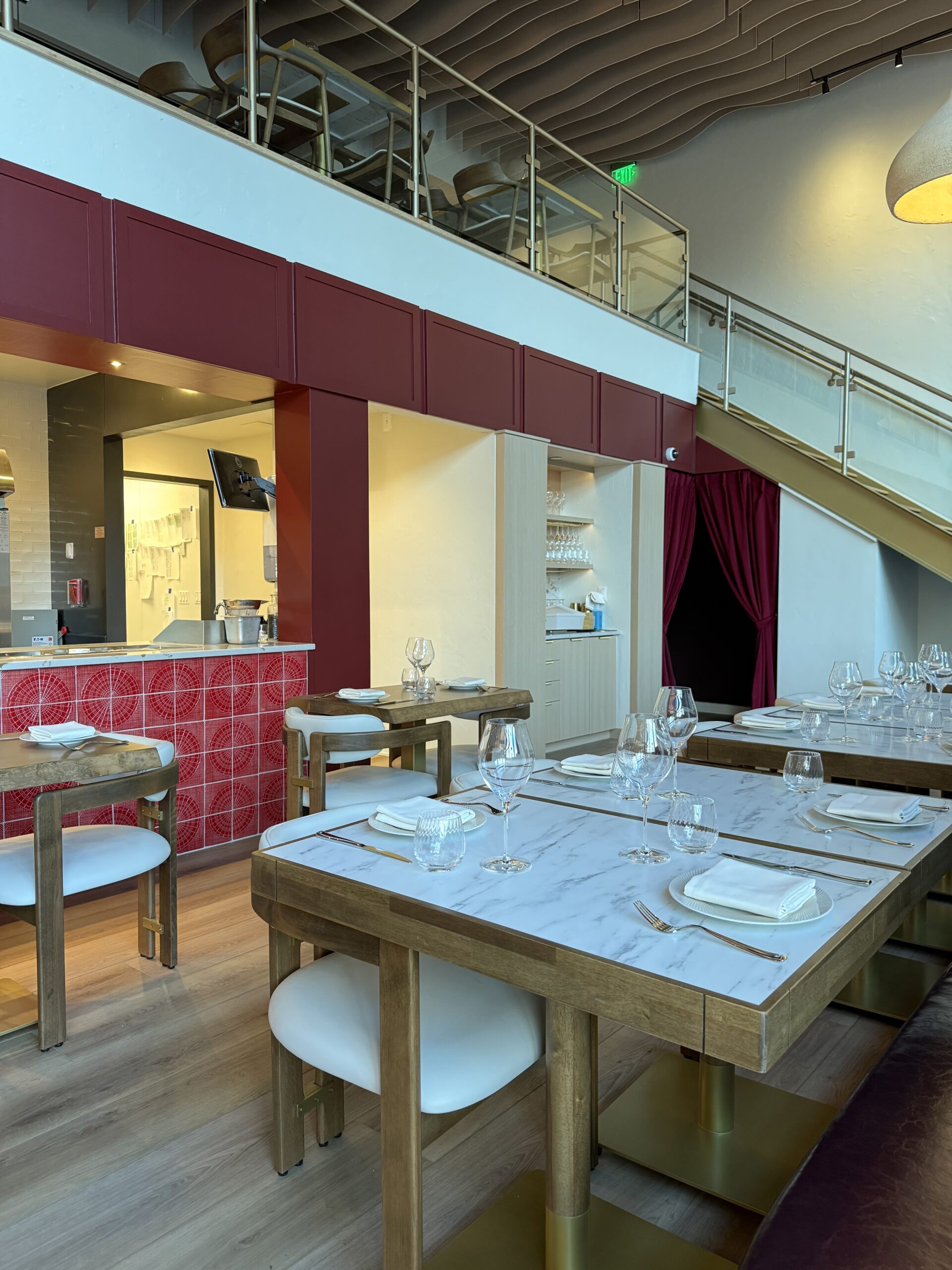
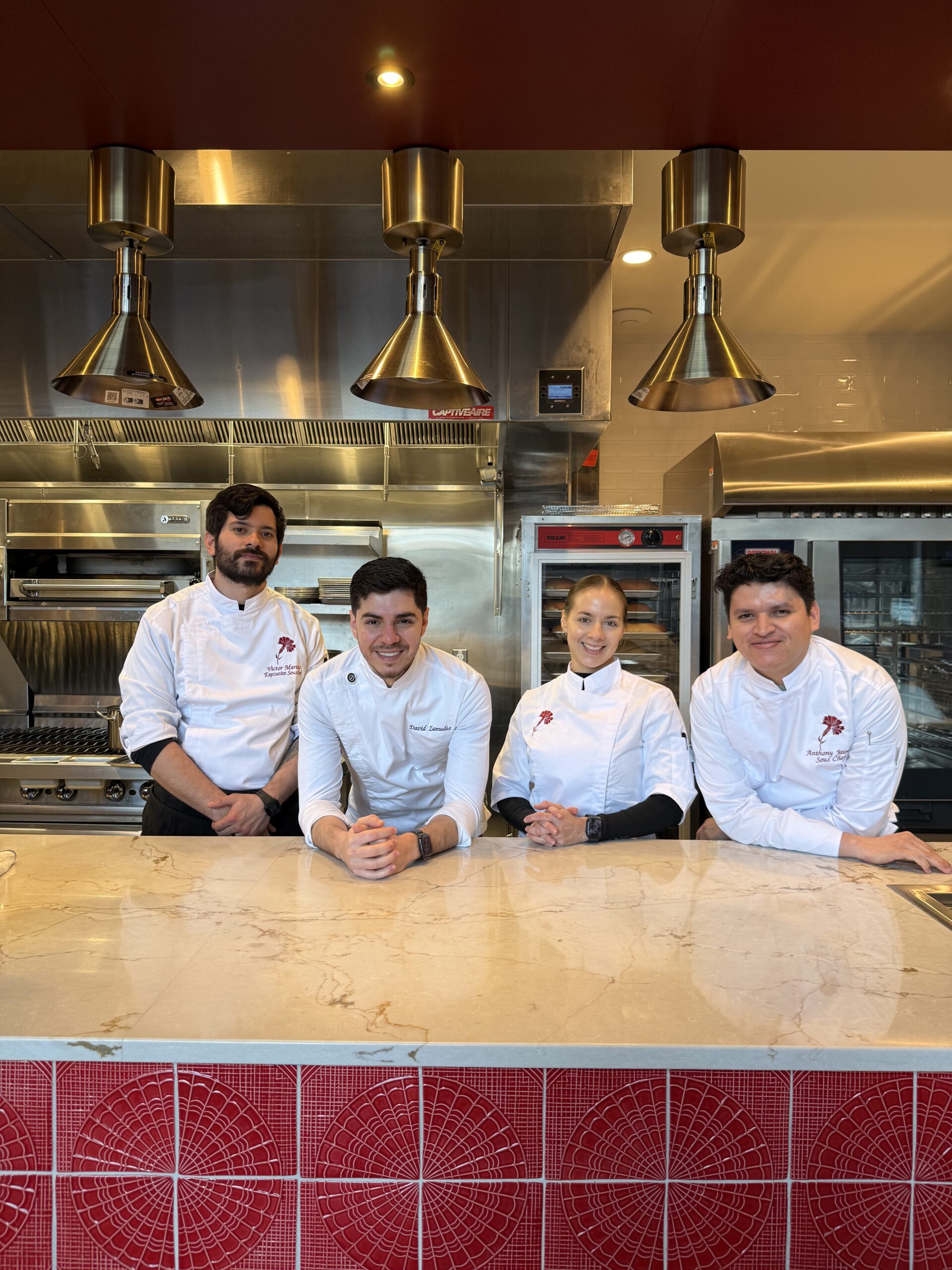
Wrapped in deep red hues with high ceilings and textured white walls, the decor of the two-floor, 100-seat restaurant adds to the vibe.
“We wanted the space to be very, very sexy,” Zamudio says, “like, ‘I want to go on a date there.’”
Even before you walk in, you’ll notice Josefina’s carnation logo—the national flower of Spain—lit up outside. Other touches include an open kitchen with an intimate chef’s table, an arched bar, a private dining area, and artwork by Baltimore’s own Kelly Walker—whose abstract paintings draw from the city’s beauty, chaos, and contradictions. Known for her layered surfaces, Walker’s team also oversaw the fish-scale texture on the walls.
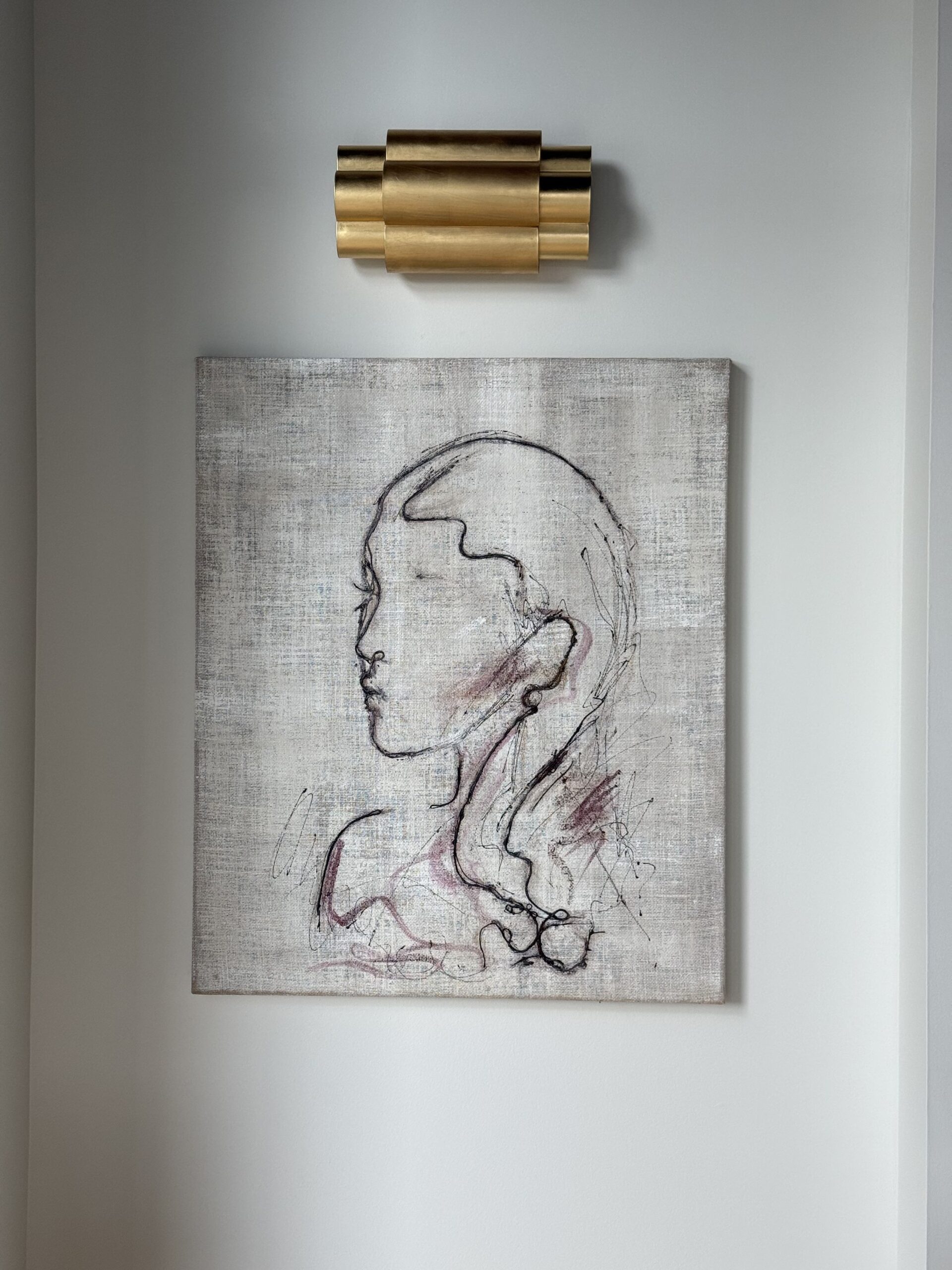
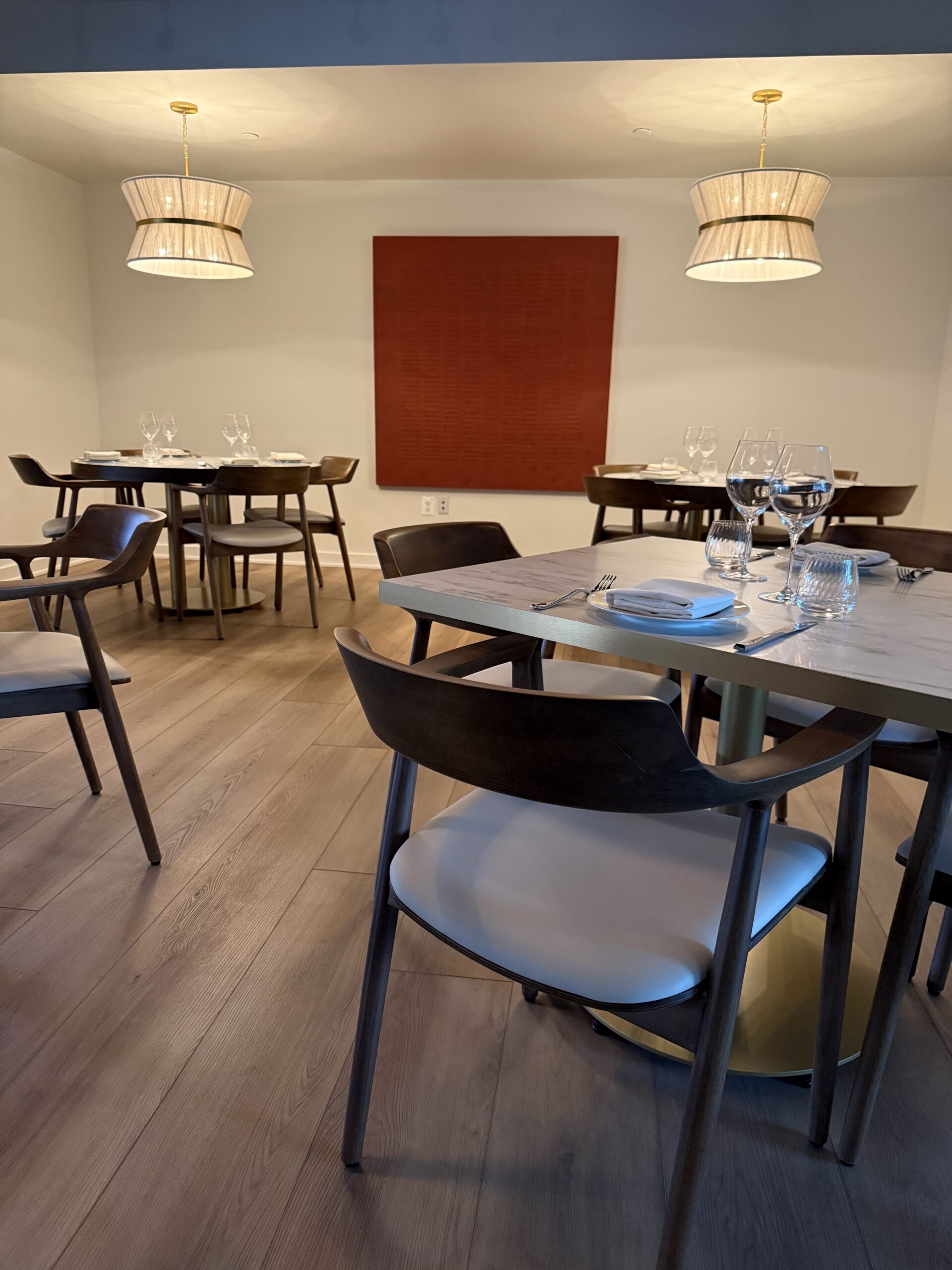
More traditional art on canvas pieces hang upstairs, including a matador-inspired red canvas, four landscapes of Spain inspired by the shield on the country’s flag, and two portraits of women that serve as an homage to the matriarchs who shaped Zamudio, the Josefinas.
“Everything was very, very intentional,” Zamudio says.