Arts & Culture
How Akio Evans Went from Hustling T-Shirts to Designing Highly Sought-After Shoes
If the custom kicks by the Baltimore-born painter, clothing designer, and shoe muralist get worn at all, it’s on red carpets and for special occasions.
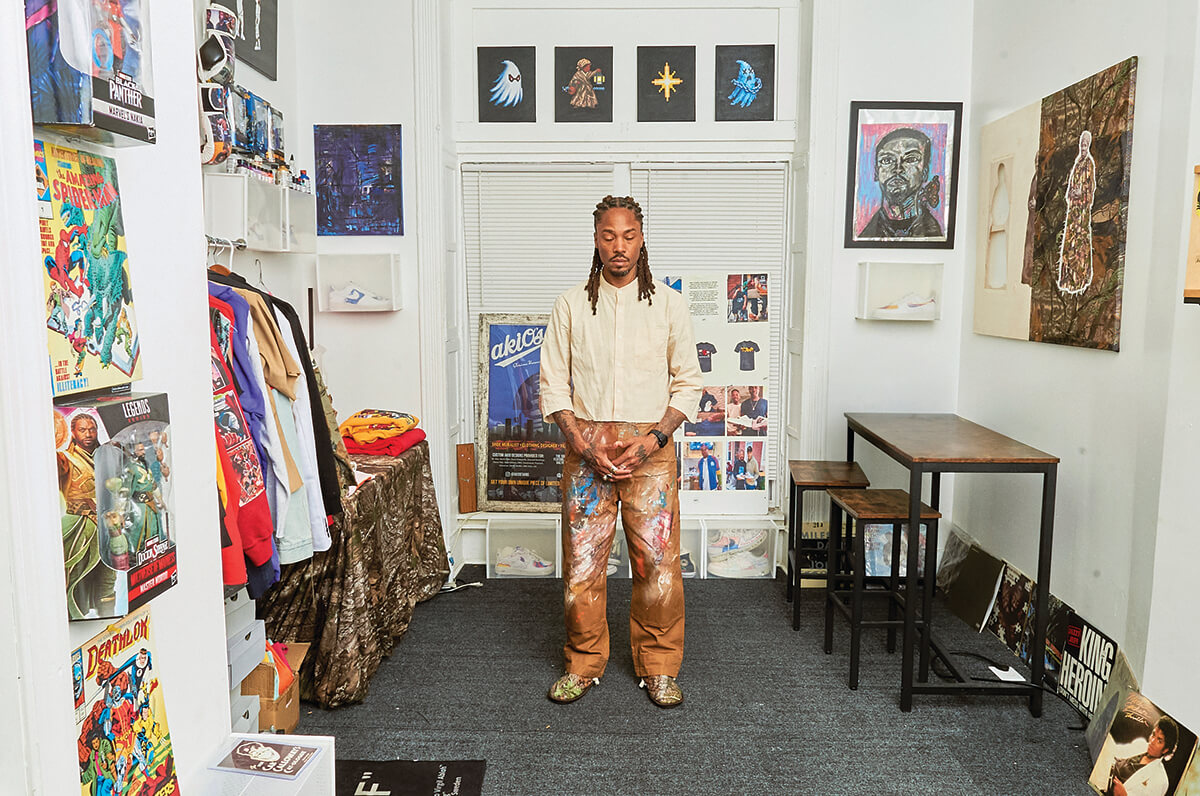
Akio Evans always made things. Not always legal things. In his late teens he made fake checks, drivers’ licenses, fake MTA bus passes, and Department of Motor Vehicles registration stickers. He was already dealing with a state investigation by the time federal agents raided his house and took his computer in 2004. They believed he wanted to print phony money. A false assumption in this instance. The dollar bill images he had downloaded? Only intended to be part of his fashion designs, which he’d iron onto jackets or jeans.
“It was no different than that movie with Leonardo DiCaprio and Tom Hanks, Catch Me If You Can,” the irrepressible, now-42-year-old multidisciplinary artist says. “When you’re a young man raised by a single parent, you don’t always have guidance. People that you’re around, they know that you make things, they’re like, ‘Oh, I wonder what else you can do?’ By the time the feds caught up with me, I’d been able to catch on with my clothes, and I only wanted to make clothes.”
Hustling custom T-shirts and hoodies outside storefronts from Baltimore to Phoenix to Spokane while on the run using mall bathroom diaper stations as his studio during a homeless period—Evans jokes he had “warrants, not a peddler’s license.” Eventually, he returned home to face the music when a federal agent told him that he’d cut him a break if he went straight, which he did.
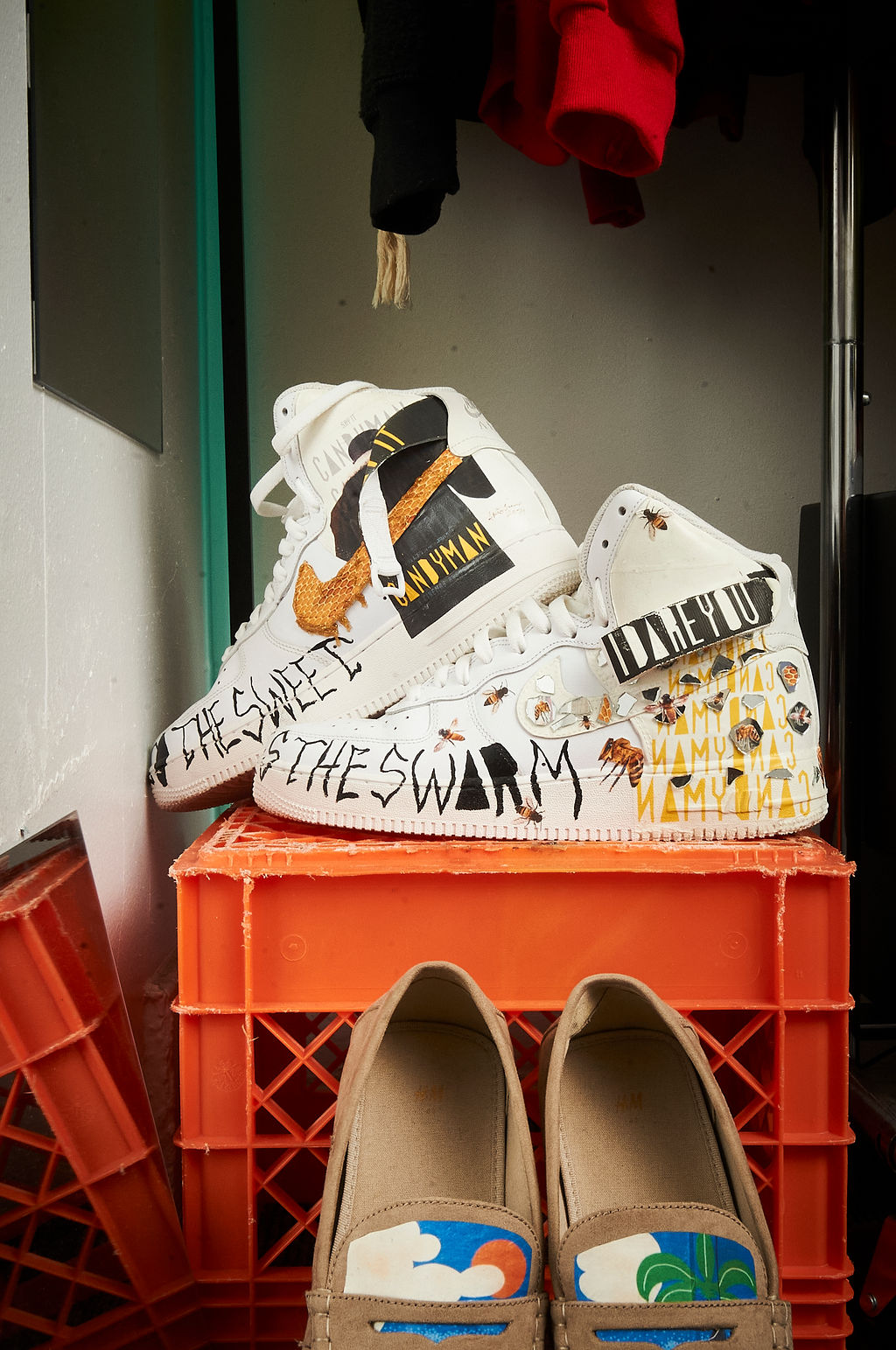
In the meantime, he taught himself how shoot and edit videos before returning to fashion, collage, and painting. In particular, he discovered a medium in high-tops, telling stories with what he calls his “wearable artifacts.”
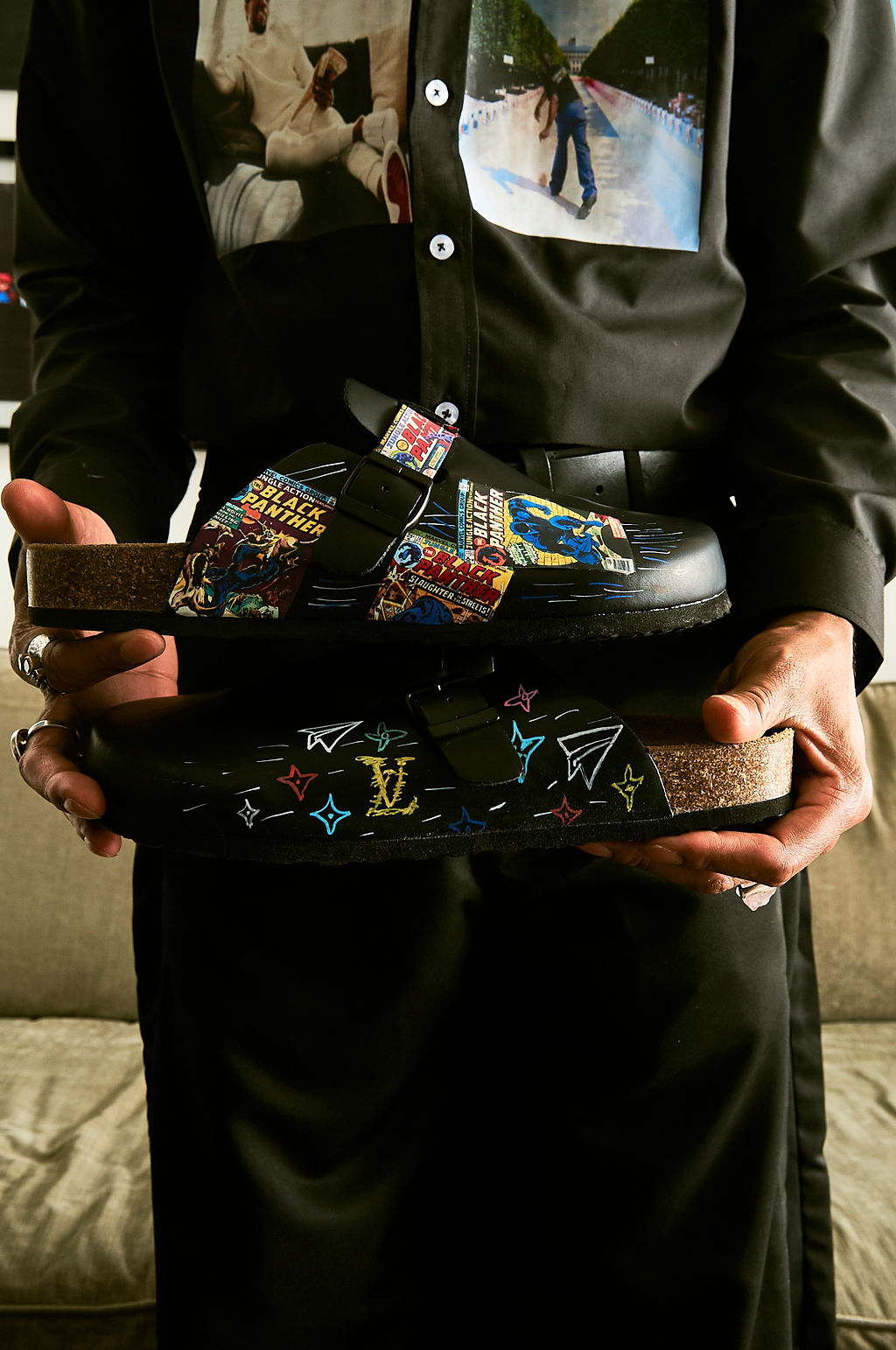
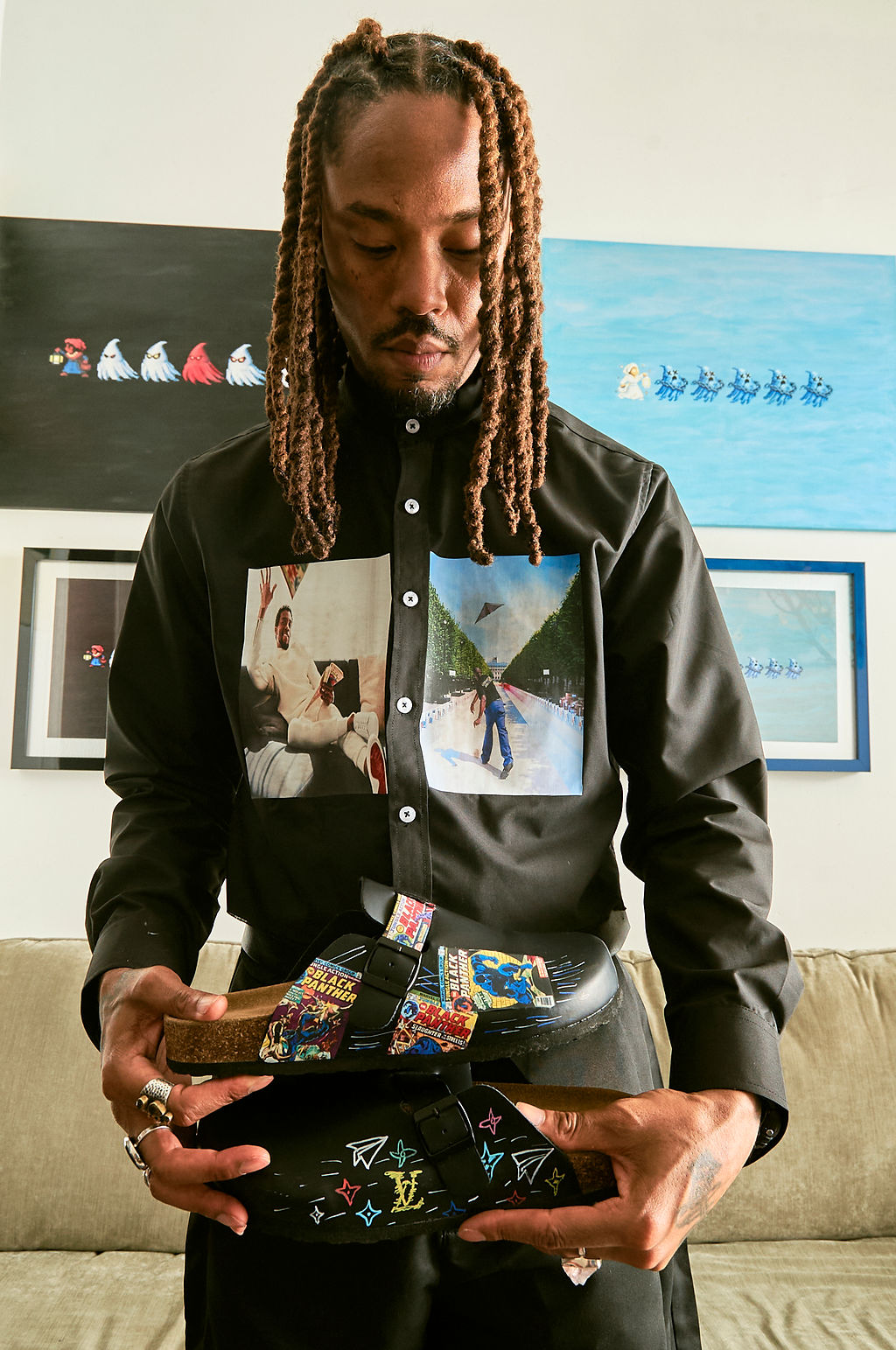
Ironically, it was Felicia “Snoop” Pearson who helped jump-start his career. He had met her during the filming of The Wire, and she had encouraged him to pursue custom shoe design. When she shared images of his sneakers on her Instagram page, the post went viral. The late Michael K. Williams, aka “Omar,” was the first to insist Evans sign his collectible shoes.
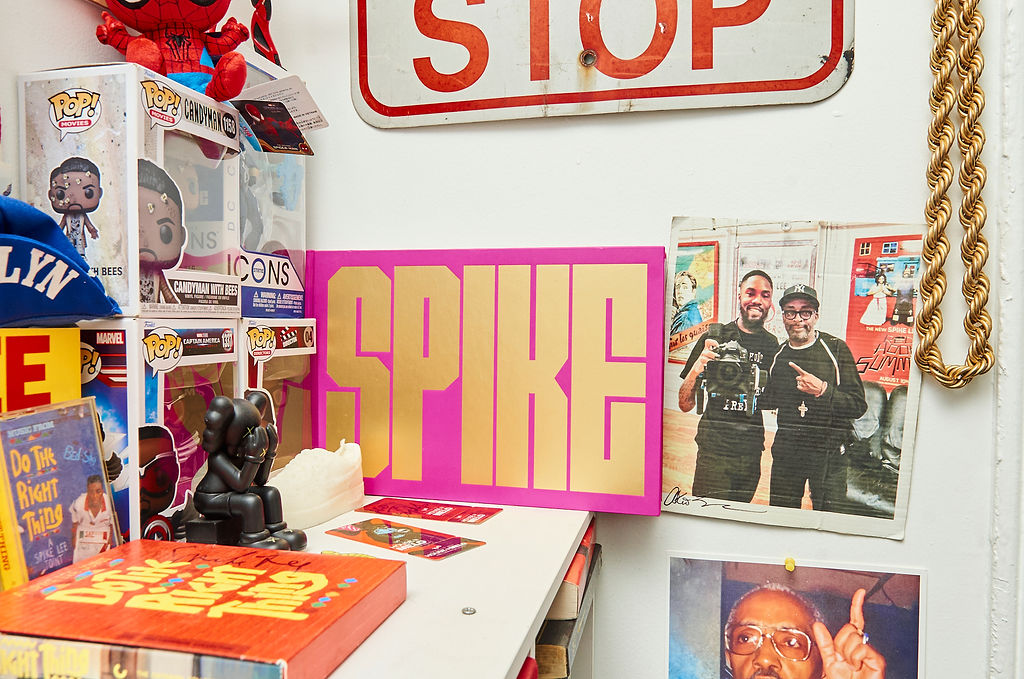
Ever since, he’s remained a highly sought-after “shoe muralist ” among other titles, creating personalized, themed footwear for stars like Spike Lee, Dave Chappelle, Dr. Dre, Kevin Hart, and Carmelo Anthony. If his shoes get worn at all today, it’s on red carpets and for special occasions.
Showcases this year include a pop-up exhibition at the Reginald F. Lewis Museum during Artscape and a dual exhibition with his twin sister, Keila Evans, a Baltimore art teacher, at the Quid Nunc Art Gallery in Mount Vernon.
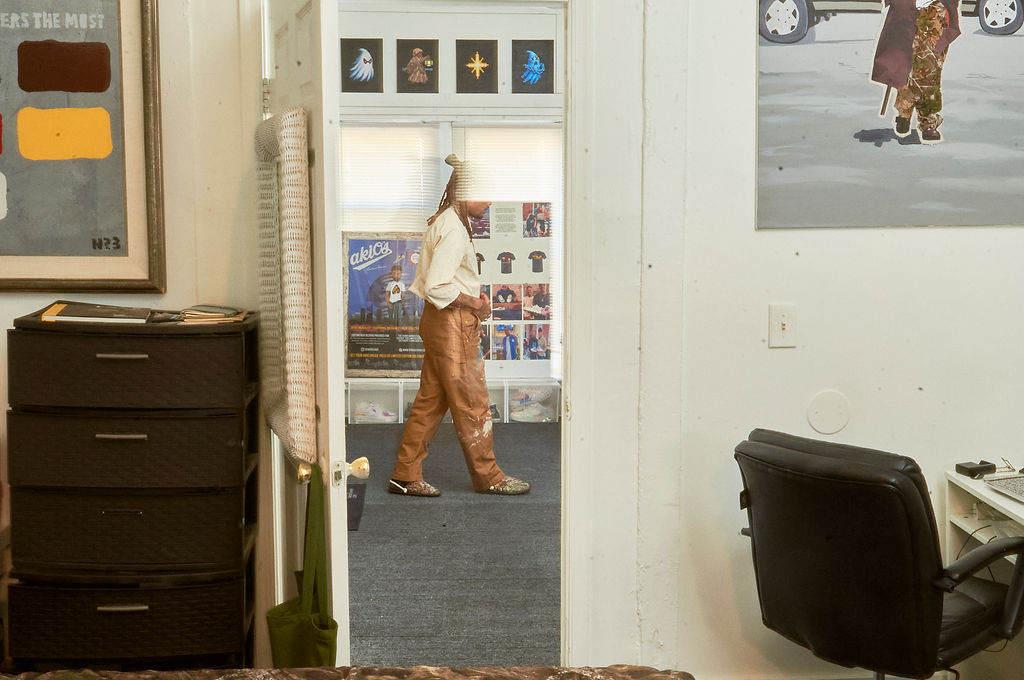
Both credit their mother, Glorious Taylor, who died of a heart attack in 2012, with introducing them to art and Black history while they were growing up. (Evans’ Station North home is both a studio and mini pop-culture museum today, filled with Isaac Hayes records, memoirs from Black writers, Marvel action figures, and his own work.) In fact, he learned to cut fabric and use his mother’s sewing equipment to craft his own designer clothes when the family couldn’t afford the latest brand names to wear to school.
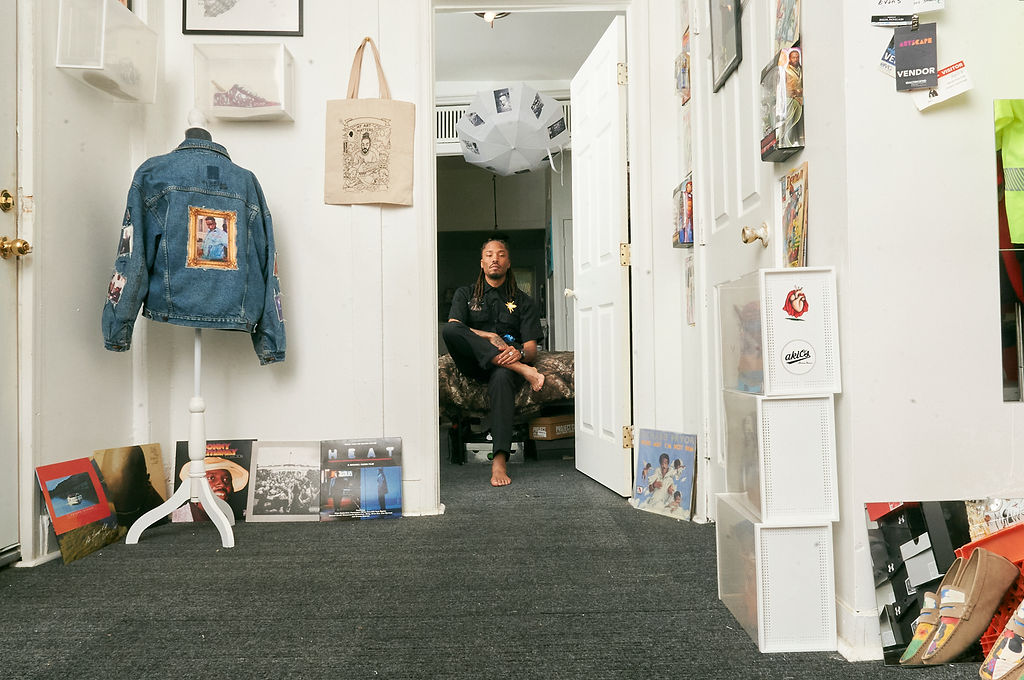
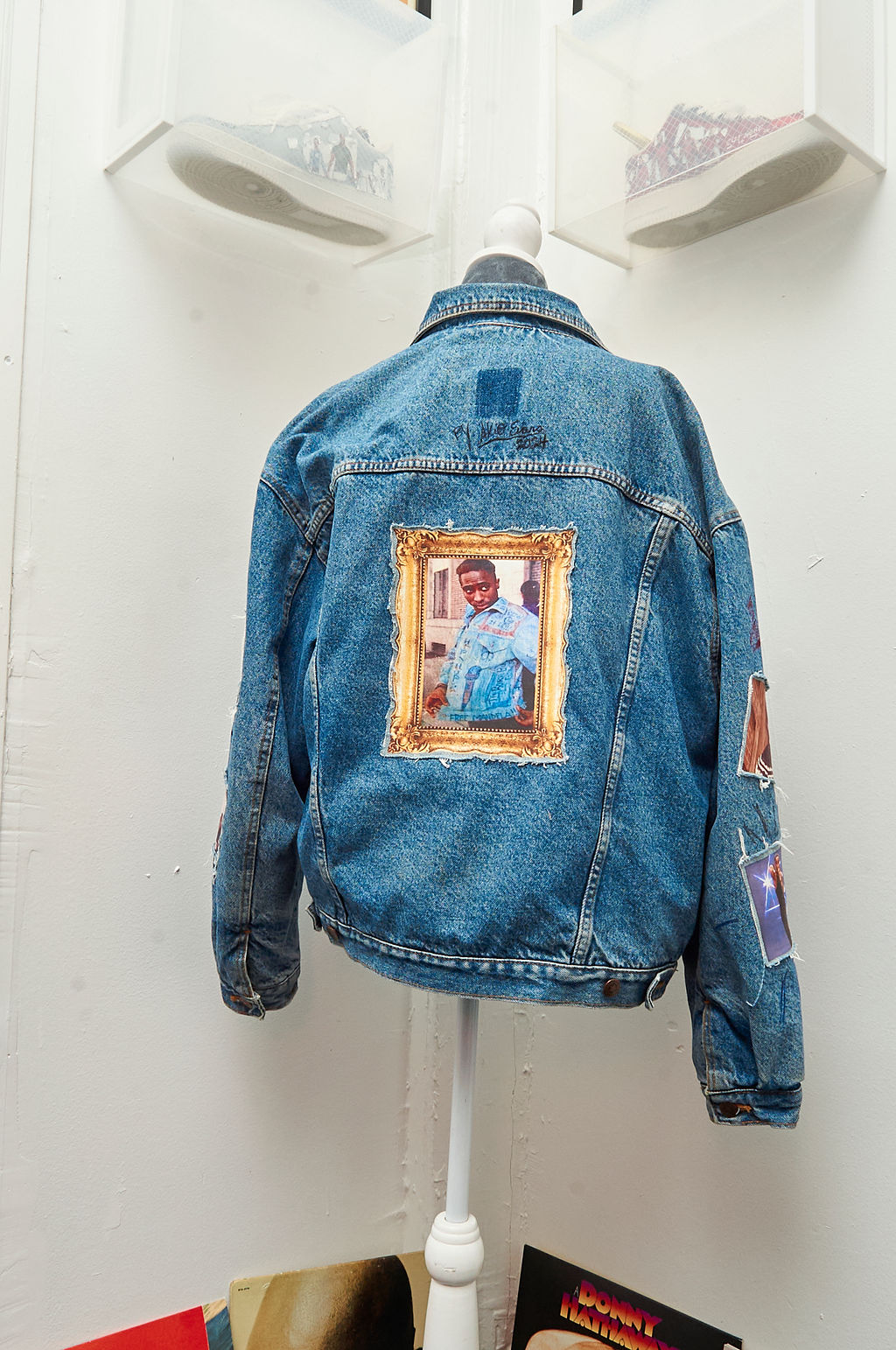
Of his own paintings, his favorite is a re-creation of a photograph with his mother and two sisters taken at the 1993 AFRAM Expo festival. “It’s the only one I have of all of us,” he says. “When we were young, before my mother started making more money, we got evicted and we moved a lot and when that happens as a kid, you’re told you can only bring what you can carry and you leave a lot behind, including toys and stuff that’s meaningful.”
Learning to make something out of nothing, he says, became second nature.
In recent years, he’s been busy making custom-designed apparel and collectibles for films, television shows, and brands, including Charm City Kings, We Own This City, Ironheart, and Amazon music. This year, he was commissioned to design tote bags for the 50th anniversary of AFRAM.
He’s also working on a film about how Baltimore saved Nike’s Air Force 1s and sells Harriet Tubman-themed prints and apparel via his website. He has received citations from Baltimore City and the Maryland General Assembly for his work with local youth.
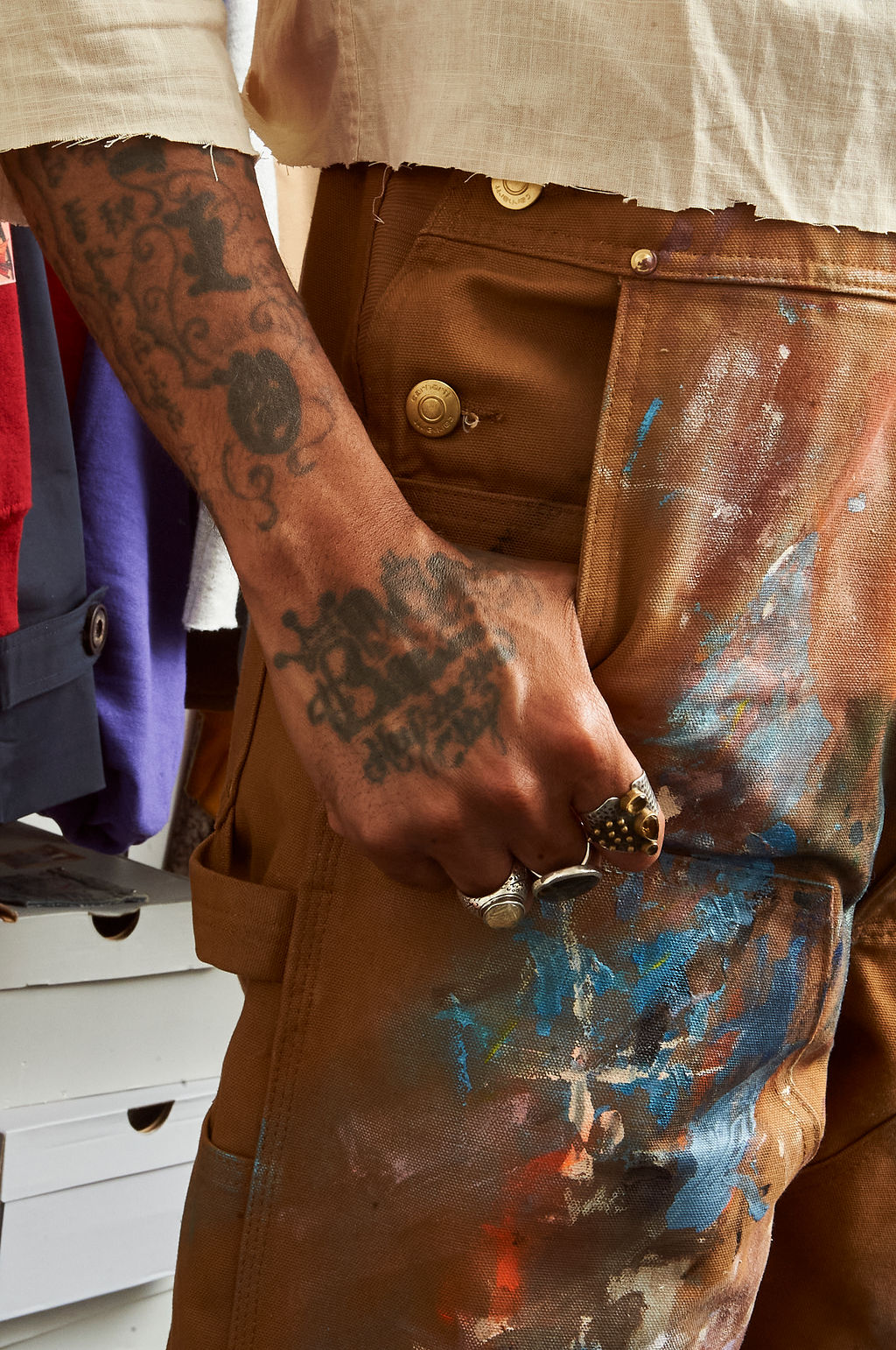
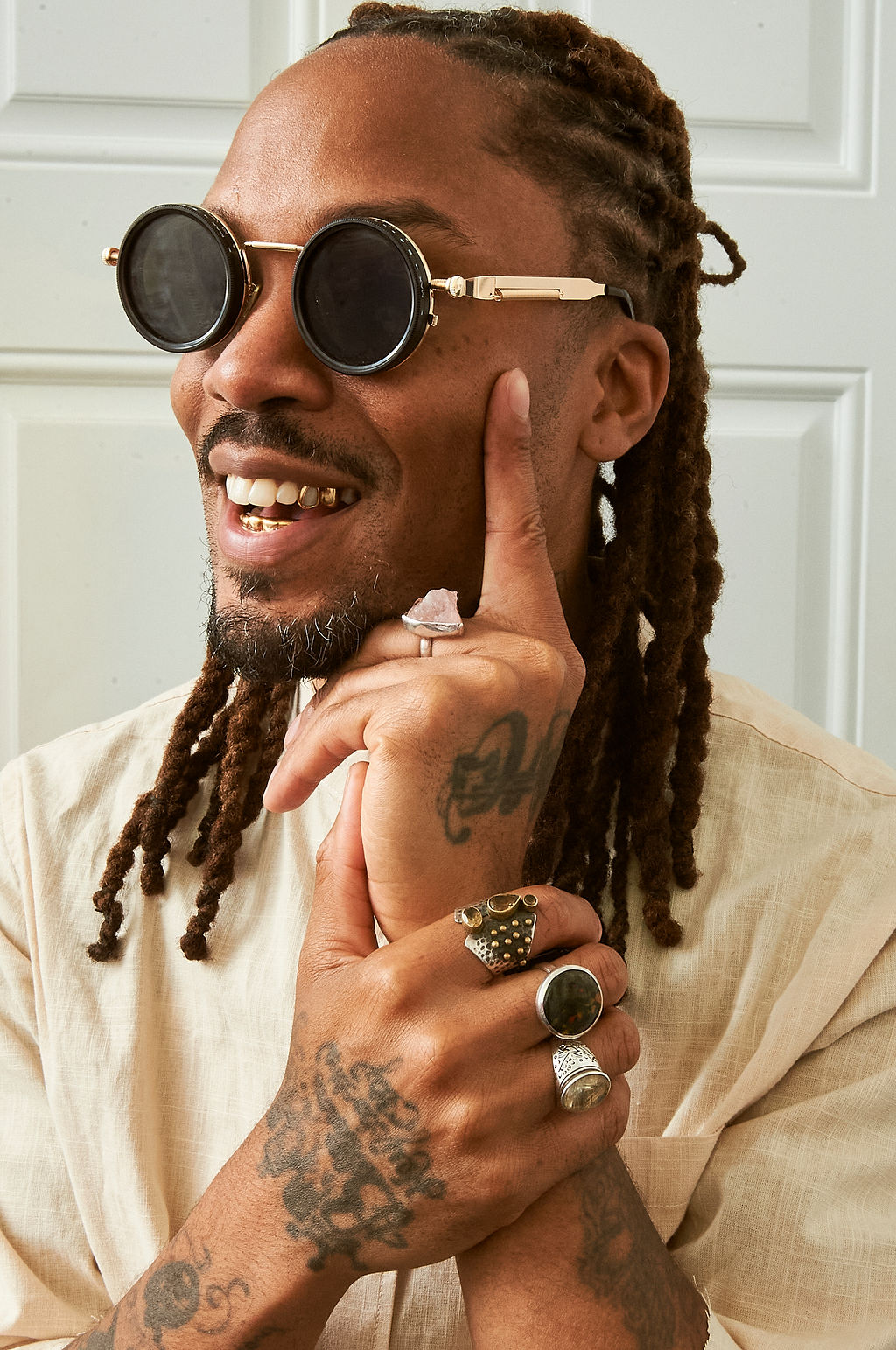
“Twenty years ago, I used to sell stuff out of my bag, at yard sales, and I had Dave Chappelle and DMX and images of other celebrities and rappers on my clothes,” Evans says. “And you know what a friend recently asked me? ‘Do you realize that every [celebrity] who you put on your clothes when you were struggling, you later wound up meeting them in person?’ I mean, I’ve been at this a long time and there are a lot of layers in that.”