In Baltimore, a piece of summer has belonged to AFRAM for 50 years.
The time-honored celebration of Black culture dates back to August 1976, when the late Norman E. Ross, then the director of Baltimore’s Urban Services Cultural Arts Project, worked with city leadership to produce the inaugural Afro-American Exposition at Charles Center and Hopkins Plaza.
The community gathering was conceived during an era of liberation, especially for African-Americans, who were seeing the rise of representation in arts and media and the popularization of the Black is Beautiful movement. Folks were also reclaiming Afrocentric styles in dress, including afros, and bringing African folk art, masks, and sculptures into the home.
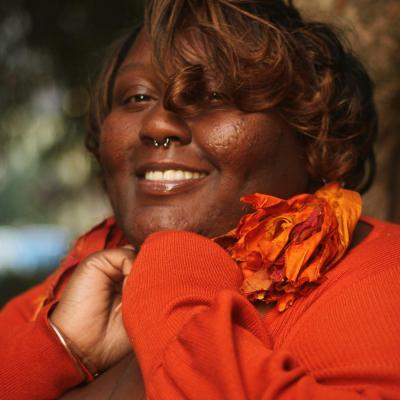
Deborah Mason, 75, was among the dancers who performed at the very first festival. The former executive director of the Sankofa Children’s Museum of African Cultures walks with a cane now. And although she says the memory has blurred with time, she recalls her participation with pride.
“For African-Americans in the city, it was a time of not being hidden or oppressed so much anymore,” Mason shares. “As a young person, I was coming out and expressing myself, and the Black community was doing the same thing in regard to having a full festival that was Black that freely. We were not afraid of gathering and enjoying ourselves. We were letting down a lot of the chains as young people that imprisoned our parents. It was a wonderful time for me.”
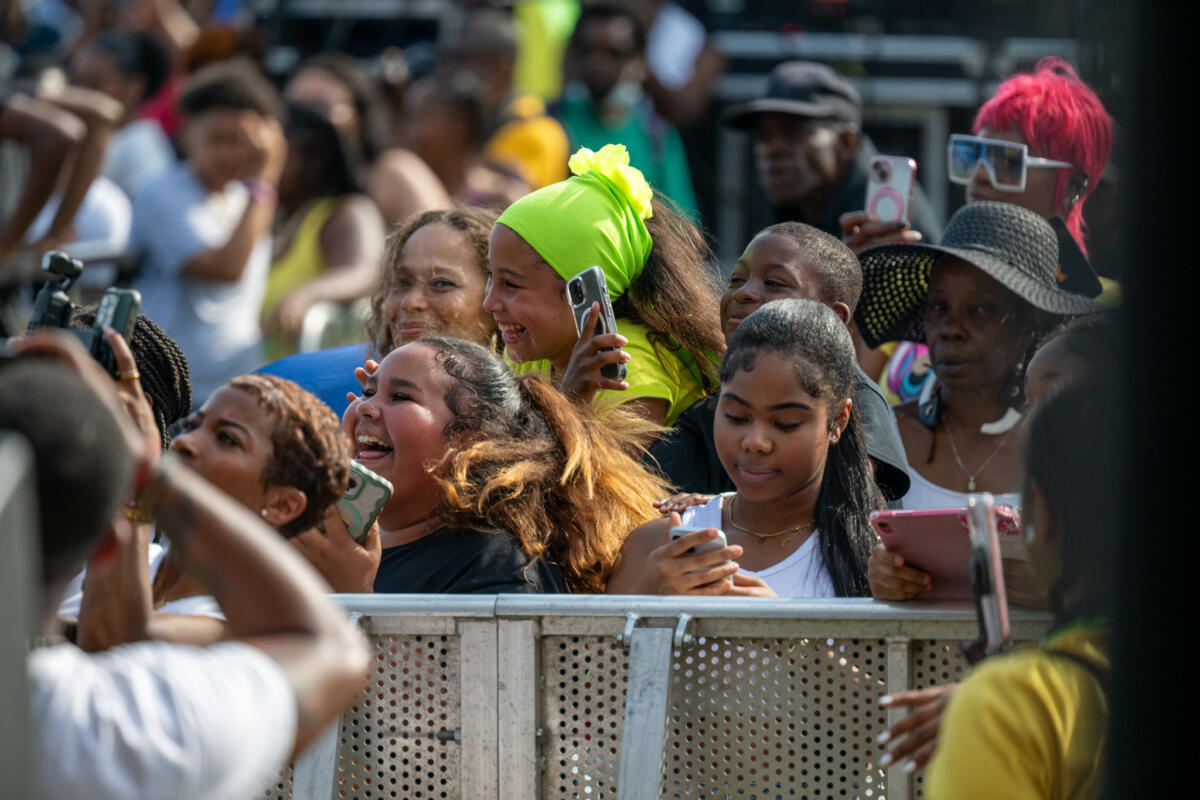
The goal for AFRAM’s big 50th anniversary this weekend, overlapping with Juneteenth from June 19-21, is to celebrate that legacy. Back at Druid Hill Park this year, the milestone event will feature headlining performances (Baltimore’s own Dru Hill, Mario, DJ Quicksilva, and Black Assets, as well as hip-hop trio The Lox and The Gap Band’s Charlie Wilson), plus Black-owned arts exhibitors, food vendors, community resources, and family-friendly activities.
“We were not afraid of gathering and enjoying ourselves. We were letting down a lot of the chains as young people that imprisoned our parents.”
While some of the programs and people who helped bring AFRAM to life are no longer with us (Ross sadly passed away in 2015), the drive to protect and preserve Baltimore’s Black culture is alive and well.
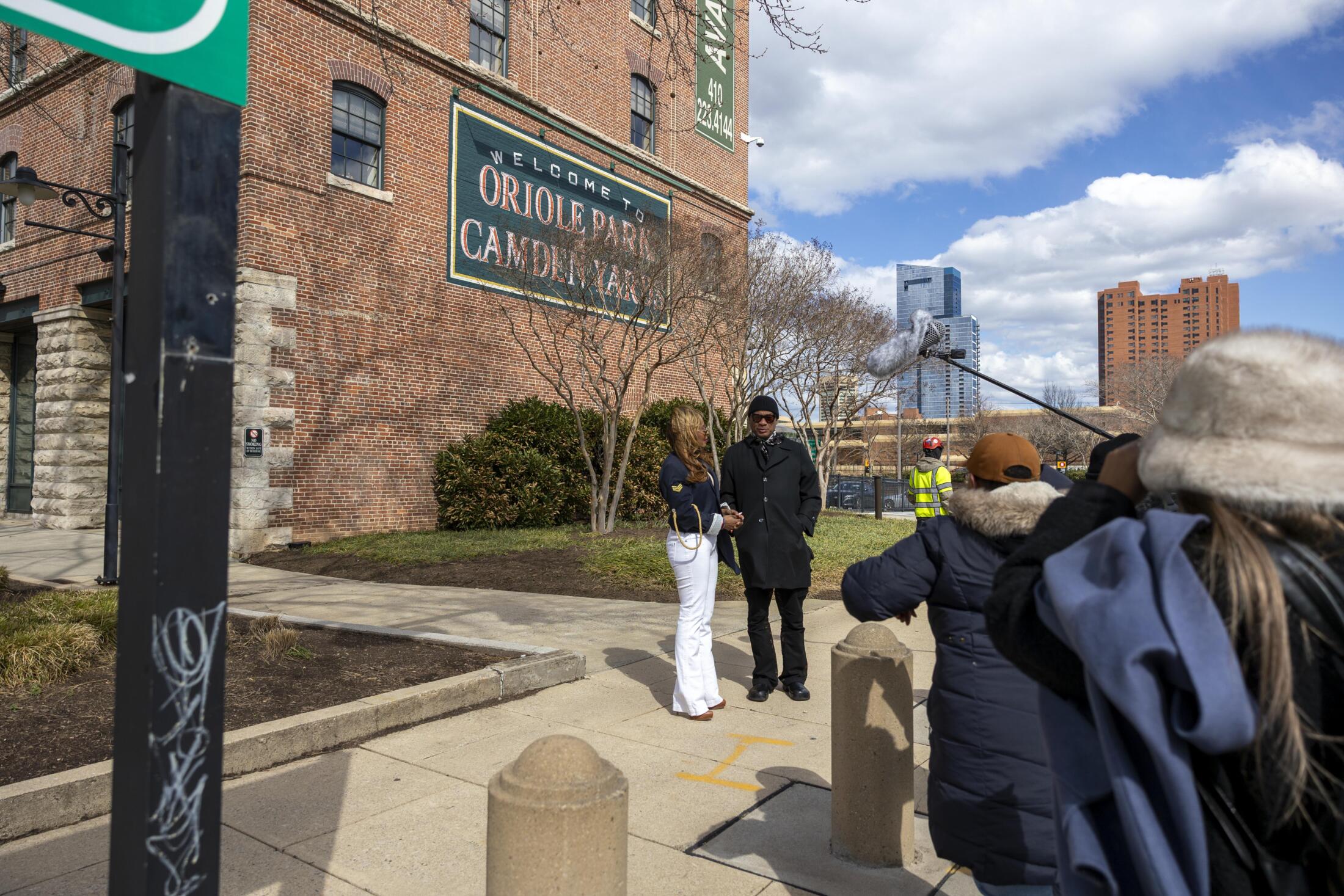
Just ask Mayor Brandon Scott, whose office now organizes the event. He remembers attending his first AFRAM with his older cousin. Throughout the decades, as AFRAM was held everywhere from Pimlico Race Course to Camden Yards, he recalls riding the Ferris wheel, as well as being in the crowd for national names like LL Cool J, Doug E. Fresh, The O’Jays, and Busta Rhymes. To him, AFRAM always feels like a big Baltimore family reunion.
“I grew up going to AFRAM, I then worked at AFRAM as a staffer, and now I’m running AFRAM,” Scott says. He goes on to emphasize the importance of the 50th anniversary, especially in the wake of federal attacks on civil rights.
“When they’re telling the story of AFRAM 100, this generation that is coming up now will be telling the story about how, in the midst of a time where Black culture faced its biggest threat since Reconstruction, we kept moving, kept going. We went Blacker, we went bigger. We showed the world that we were not going to cower and not celebrate Black history and Black culture in a Black city, simply because a small group of people thought it was time to go back to the days of slavery and the Jim Crow South.”
Mason echoes this importance, adding that, because Black communities have been so marginalized, actively preserving the culture isn’t optional, it’s essential. “The ways that we keep our history don’t have to be professional, they just need to be intimate,” she says, mentioning rituals like sitting down together for dinner, the way her family did when she was growing up in the 1950s, “because our children are listening.”
“When they’re telling the story of AFRAM 100, this generation that is coming up now will be telling the story about how, in the midst of a time where Black culture faced its biggest threat since Reconstruction, we kept moving, kept going.”
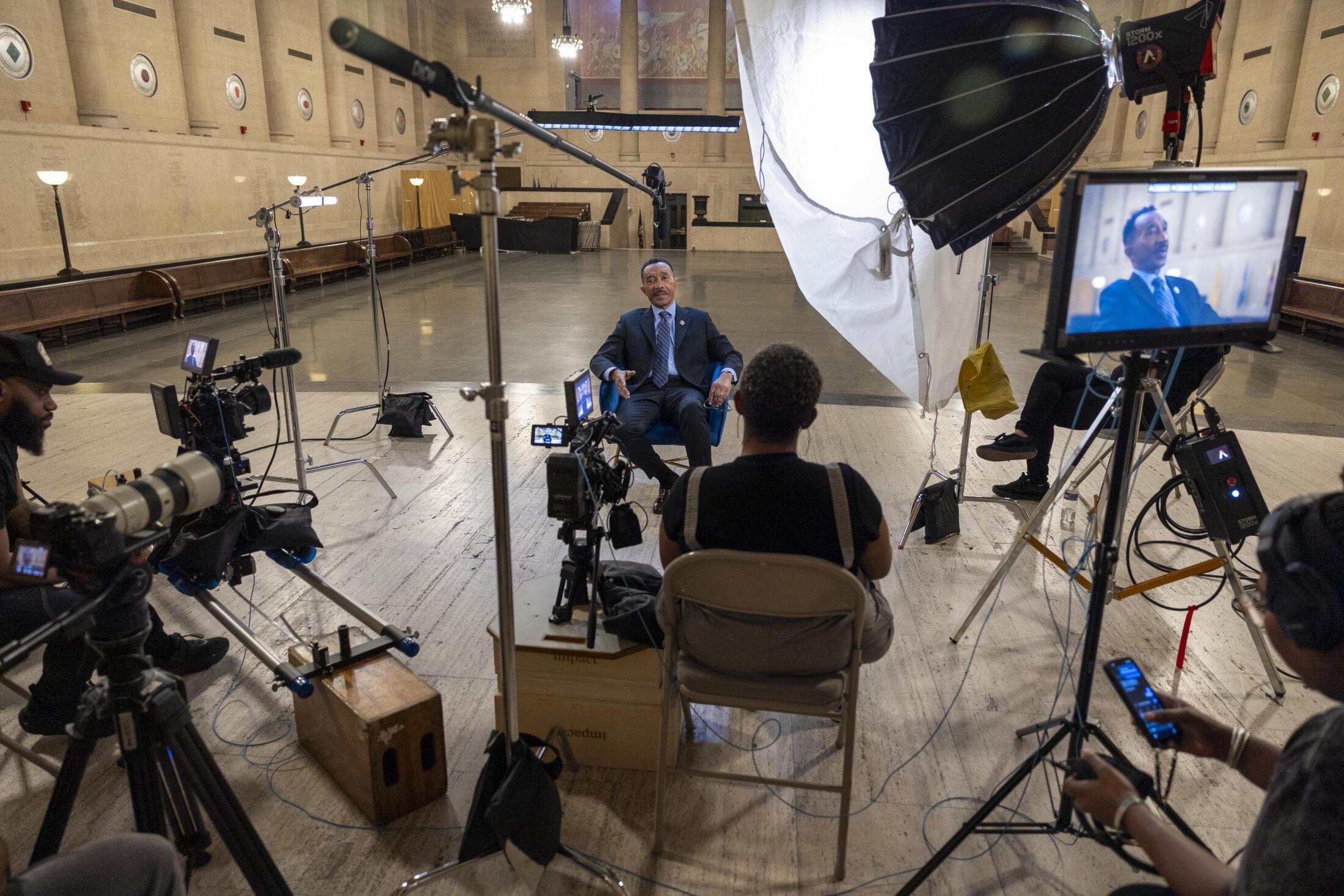
In an effort to cement AFRAM’s history for generations to come, the Mayor’s Office is producing a new documentary titled AFRAM 50: A Celebration of Us. Directed by Baltimore-born, Emmy and NAACP Award-winning Alexandria Queen-Sneed, the film combines archival footage, photos, and interviews with key figures like Rep. Kweisi Mfume and Mason, affectionately called “Mama Debbie” by the film’s producers. The plan is for the final edit to include footage from AFRAM 2026, and screen publicly this fall.
“Baltimore is a Black city, and you can’t tell many stories without telling the story of Black folks, but you definitely can’t tell this one without spending some time with Black folks,” says executive producer Tia Goodson, chief marketing and programs officer at Create Baltimore. “I think it’s important for Baltimoreans to tell Baltimore’s story.”
Of course, the filmmakers all have their own personal connections to AFRAM. Goodson loves looking back on national acts like Common performing in the stadium parking lots, while fellow executive producer Maya Gilmore, of the Mayor’s Office of Cable & Communications (CharmTV), recalls her mother purchasing a signature pair of wooden-carved earrings from a local maker while browsing the vendor tents.
For Queen-Sneed’s part, she missed 12 years of AFRAM when she relocated to Los Angeles, so she equates the experience of being at the festival with “the feeling of home.”
“I feel honored to be trusted with this story, because this is Baltimore’s story, and Baltimore is deciding to get behind its own narrative,” Queen-Sneed says. “It just feels right.”
Know Before You Go: Mayor Scott recommends AFRAM attendees bring an ice pack, towels, and an umbrella to keep cool, as well as sunblock, sunglasses, a portable charger, and any necessary medications.