Arts & Culture
The Brothers Behind Carpet Company Have Created Baltimore’s Coolest Fashion Brand
With the debut of their first brick-and-mortar store, Ayman and Osama Abdeldayem are bringing more than just retail to Station North.
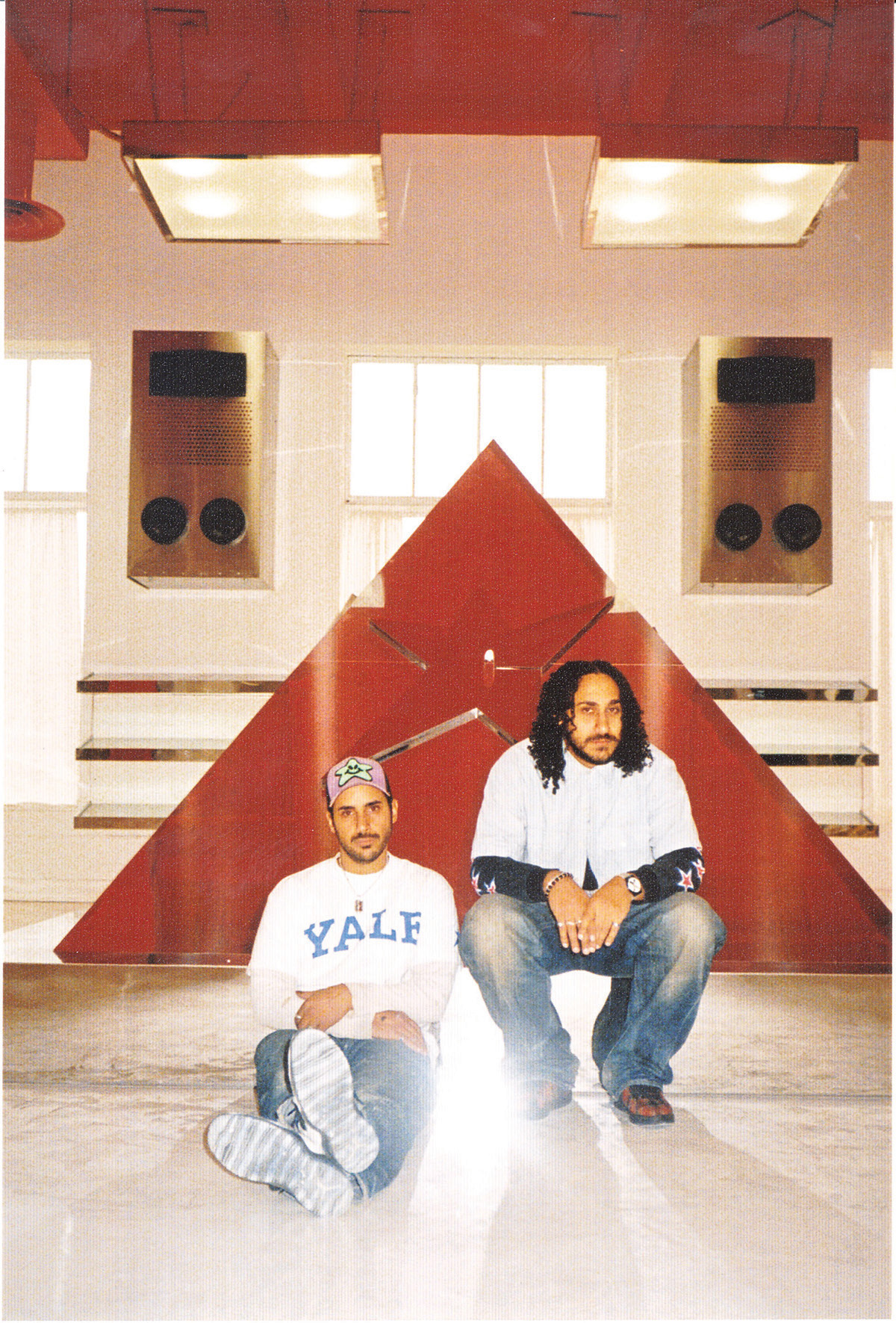
The Abdeldayem brothers are in a bit of a daze. It’s mid-March, and the usually high-energy Osama and slightly more subdued Ayman are slumped down in the second-floor break room of their East Baltimore warehouse, next to an overflowing stack of Thrasher magazines.
They’re a few weeks into daily fasts for the month of Ramadan, which at least partially explains the fatigue. But also, they just wrapped a meeting about hiring more staff, are about to head out to shoot a social-media video, and have hundreds and hundreds of cardboard boxes downstairs, filled with thousands and thousands of clothes and accessories waiting to be sorted, packed, and shipped during their next highly anticipated drop for Carpet Company.
“It’s been like, bro, what month are we in?” says Osama, leaning back in an antique armchair, wearing a tie-dye button-up that the brothers co-designed.
“It’s a lot,” agrees Ayman, himself in a bedazzled Spitfire sweatshirt they also dreamed up together. “We were just talking this morning about how to not burn out.”
Yet all of that is not even what’s been occupying most of their time. A few miles west, the up-and-coming streetwear designers have been neck deep in finishing their first brick-and-mortar store. Unsurprisingly, there have been delays, dealing with construction and City Hall. But if all goes well with next week’s inspections, they’ll be “full blast” to opening in early April, at this point less than one month away.
You probably already know the spot—that old bank on the corner of North Avenue and St. Paul Street, in Station North. Outside, once boarded up, covered in graffiti and rust, the circa-1929 Beaux Arts building has been restored to its former glory on one of the city’s historic main drags.
Inside, though, you can see the future, where these two Maryland skaters are about to make their debut as the biggest fashion brand to ever come out of Baltimore.
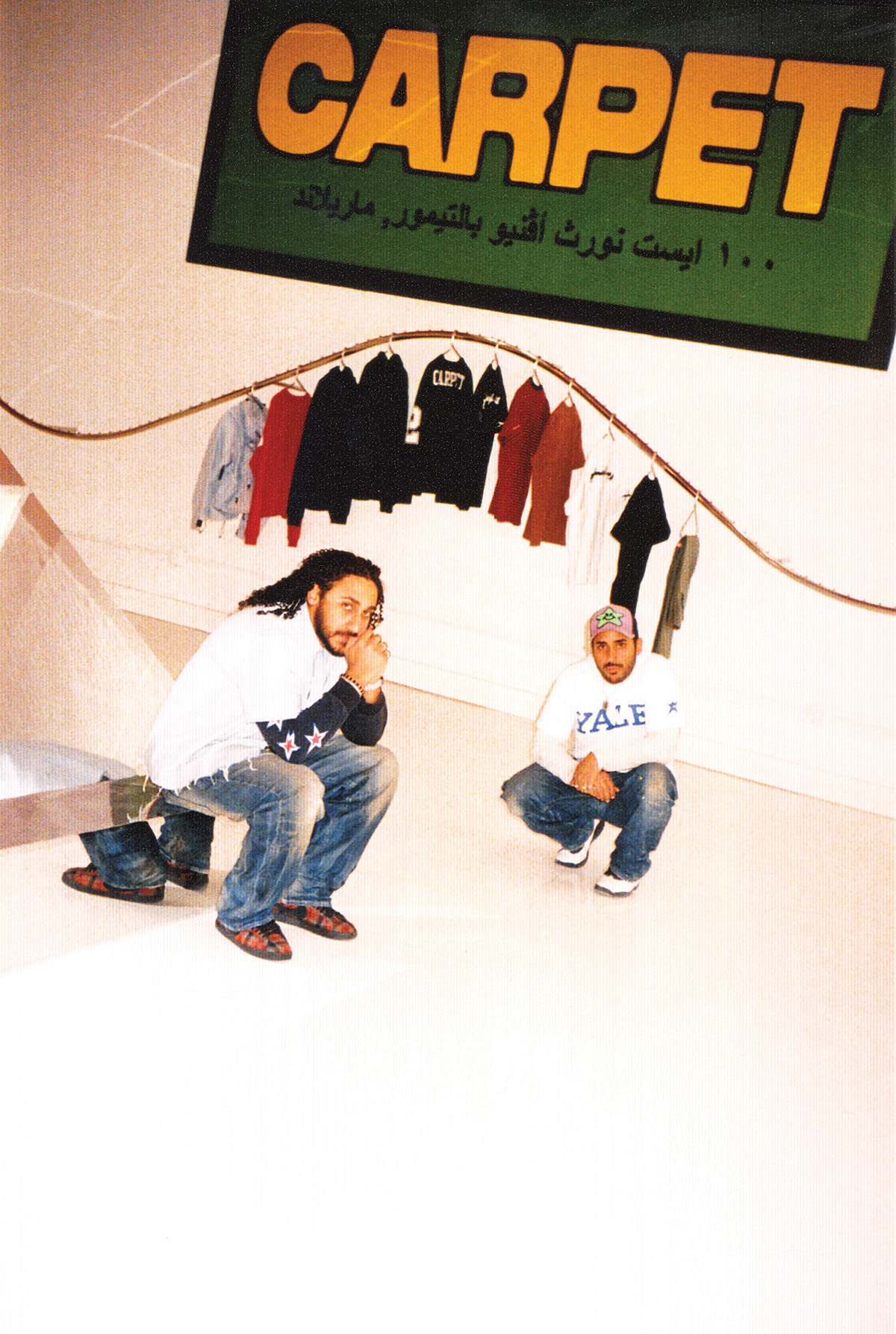
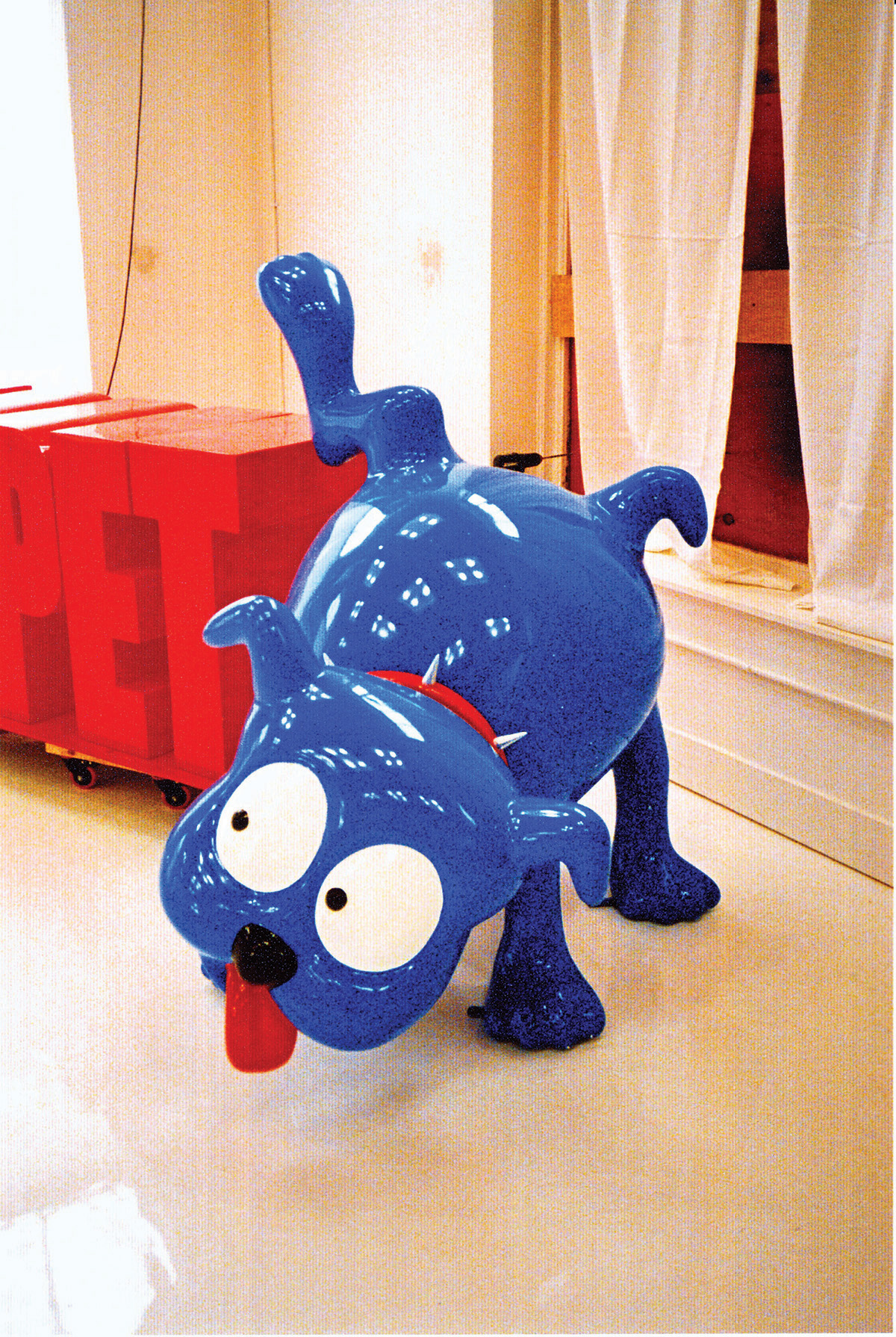
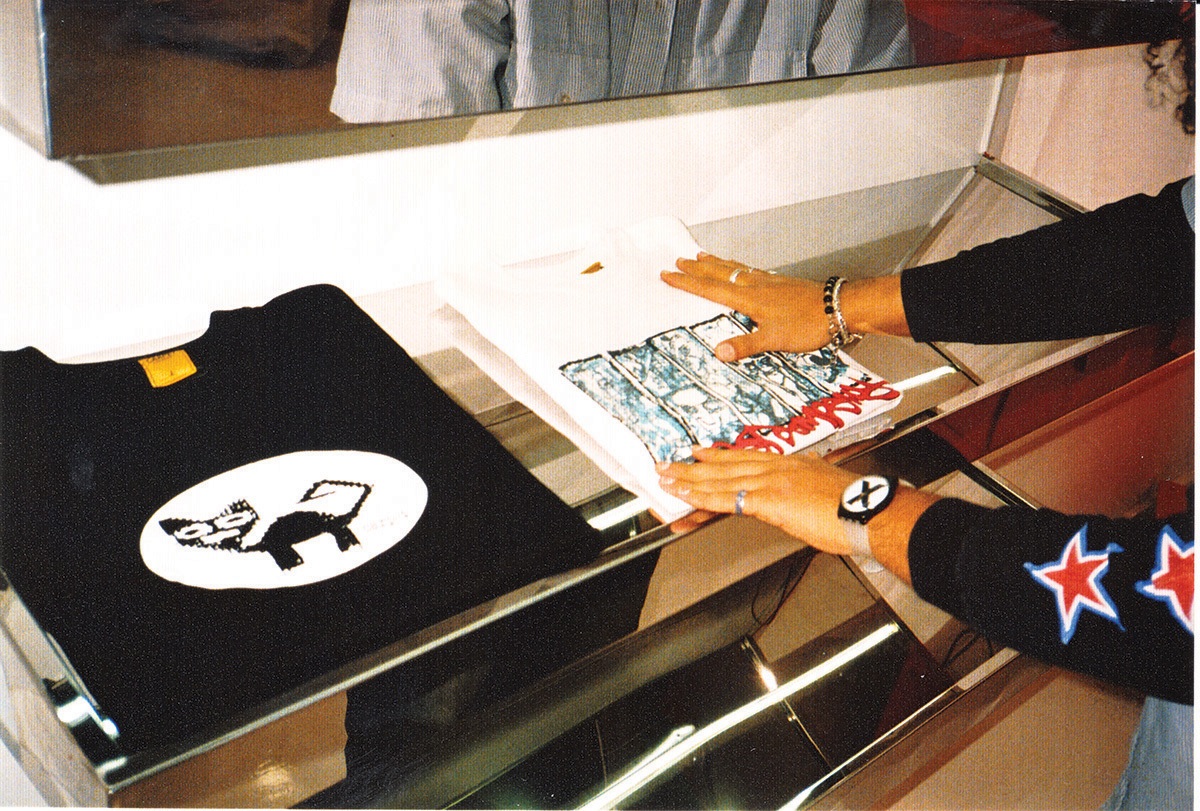
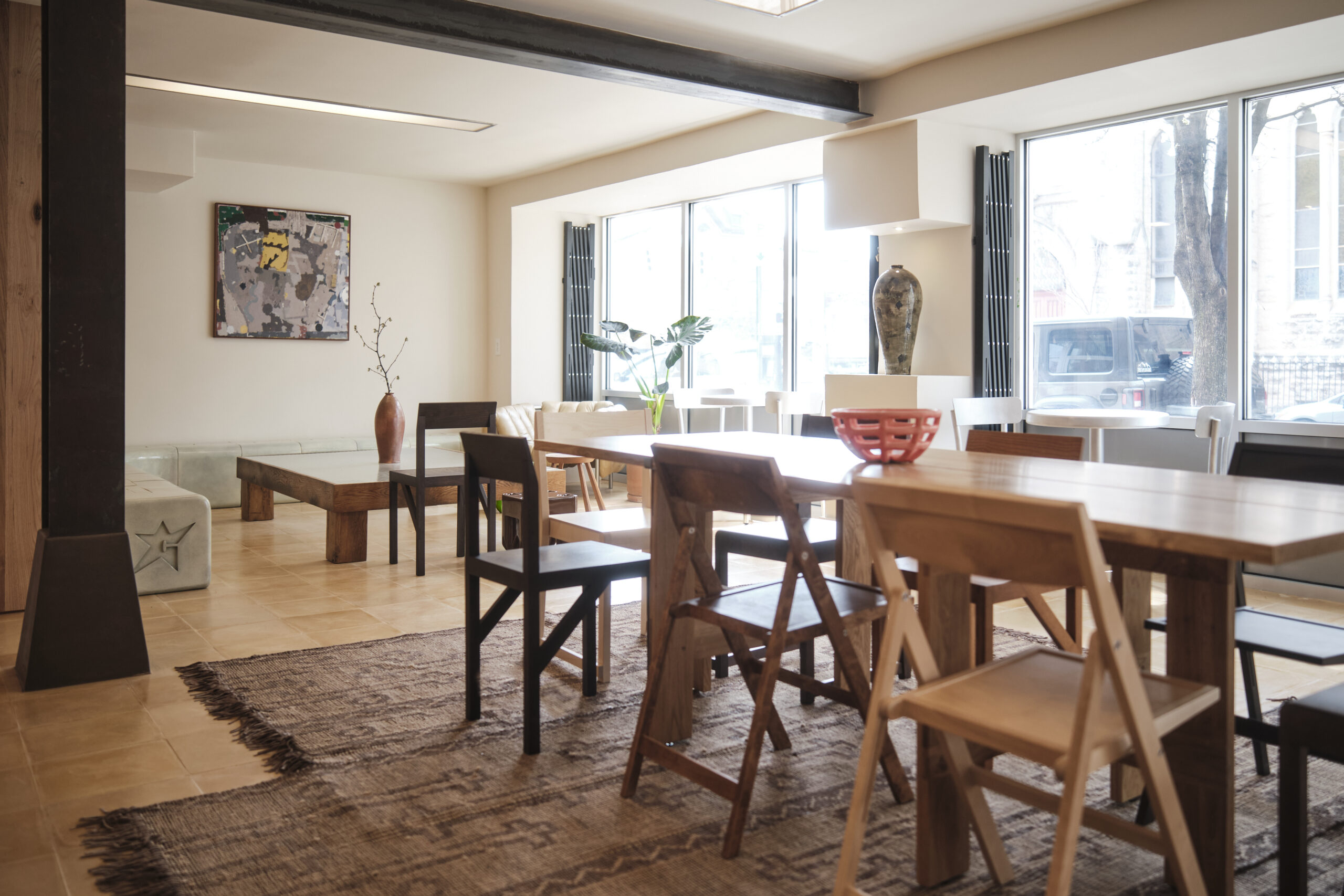
Through a wall of windows, natural light pours into the white-washed showroom, bouncing between its glossy floor and abundance of chrome, from the sleek shoe racks to the shiny centerpiece pyramid, a nod to their Egyptian heritage. There are big splashes of color, too, like the dozen skateboard decks hanging like modern art, and the old vault transformed into a David Lynchian dressing room, painted cherry red and topped with a DJ booth to hype the inevitable crowd.
Carpet already has its fans. When they dropped their first sneak peek of the shop on Instagram, some 15,000 likes rolled in within 24 hours. “Baltimore’s Louvre,” “eighth wonder of the world,” “unmatched duo,” “let’s GO,” wrote their legions of followers, more than 150,000 on that platform alone.
All that love translates into a deeply loyal clientele. Their collections sell out online in minutes—hoodies, tees, cargo pants, sneakers, going viral for their bold, chic, tongue-in-cheek vibe—purchased by a motley crew of in-the-know cool kids from around the world who wait with bated breath for the brand’s next thing. But the permanence of an IRL store brings up all kinds of new questions, which are enough to rack the brothers’ nerves. Like how many products to stock? Or how many customers will come? And will they like it? Will Baltimore?
“I don’t know, I hope so,” says Ayman with a nervous laugh, locking eyes with Osama.
All signs point to yes.
You could say Carpet Company began by accident. Born in Alabama, Osama and Ayman are the youngest of five sons, all first-generation American. Their Egyptian parents—their dad, a physicist, their mom, an accountant—moved to the Mid-Atlantic when they were in middle school, settling in Prince George’s County, halfway between Baltimore and Washington, D.C.
At first, it wasn’t easy. Landing here right after 9/11, the brothers were bullied for being Muslim. But luckily, they had one hobby that kept them a united front, and consumed every minute of their free time.
“As soon as school let out until we could no longer see our feet at night, it was skateboarding,” says Osama, now 35.
They’d gotten hooked down south, after getting their hands on a classic skate video. Full of city-street shredding and punk-rock music, a hand-me-down tape of Toy Machine’s now-iconic 1996 Welcome to Hell documentary became their first muse. They watched that raw footage over and over, idolizing pros like Brian Anderson. Before long, they convinced their parents to buy them boards from Kmart. Which is how they finally made friends in Maryland, and first paid attention to what people wear.
“It was rare to find another skater in P.G. County, so literally anybody you’d see in a skate shoe, you’d follow them, especially if that shoe was damaged, because that told you they actually skate, and if they did, you could talk for hours,” says Osama. “Shoes were how you connected. They became very empowering for me. They say so much about who you are.”
Skateboarding did, too. At the core, it’s always been more than a sport—an art form, really, and means of self-expression. How you approach a trick, how you stick a landing, it’s all about showing off your own individual style. There are no hard rules. Creativity is often lauded over technical skill. And mistakes, not to mention injuries, are inevitable, only pushing you harder. And so it’s no surprise that this scrappy subculture—and its style—would eventually become the definition of cool.
These days, skatewear is everywhere, as likely to be spotted in the everyday outfits of Gen Z as on the runway-ready pages of Vogue. Remember Supreme, the once upstart skate shop with its catchy logo and cult following? It’s now worth $1 billion. And luxury brands want in, too, with Louis Vuitton picking skaters—Virgil Abloh and Pharrell Williams—for its past two creative directors. Last year, a giant skate bowl was erected in the heart of Paris Fashion Week.
“Skateboarding and fashion is a love story for the ages,” wrote GQ at the time. “Fashion’s desire for authenticity, for gritty realness and youthful abandon, has made skateboarding a wellspring of inspiration.”
And throughout the early 2000s, Ayman and Osama witnessed that evolution in their own way. Early on, the brothers wore clothes that felt comfortable to skate in. But at some point, their underground scene collided with the mainstream. Ayman remembers the moment distinctly. In 2006, rapper Lupe Fiasco dropped his hit single, “Kick Push.” “By high school,” he says, “skaters were cool.”
“It was rare to find skaters in P.G. County, so anybody you’d see in a skate shoe, you’d follow them, especially if that shoe was damaged, because that told you they actually skate,” says Osama. “Shoes were how you connected.”
All the while, the brothers’ footwear interest had turned into an outright obsession. At home, they were now collectors, aka “hypebeasts,” pulling every penny to buy not just Vans, but also Nikes and New Balances, sometimes just to flip them at a profit on Facebook so they could cop something better. And that sensibility spread throughout the rest of their closets, and got noticed in their classrooms, too.
For teenagers in the early aughts in their culturally diverse suburb of P.G. County, clothes were the ultimate status symbol. Osama remembers classmates getting kudos for wearing the hot new thing, as well as called out for rocking knockoffs. It was cutthroat, he says. Yet it only deepened their intrigue.
“We were exposed to so many different people, and so many different styles, and we took notes,” says Ayman, now 33, calling those early years in P.G. County the foundation of Carpet’s DNA.
You can see it in their collections today: graphic tees, trucker hats, ball-and-chain jewelry—all so ’90s and Y2K. But back then, starting a fashion brand was not part of the plan.
When not out skateboarding or shopping, Osama and Ayman were inside, buckling down on homework. Their dad was a taskmaster when it came to the kids’ education, enrolling Osama in college classes at 14. He happened to not be a huge fan of their after-school activities, either. In fact, any time their ragtag skater pals came to the house, the old man would make them complete math problems, too.
A bit grudgingly, the brothers attended University of Maryland. Ayman was an I.T. major before dropping out for a job at NASA. Osama graduated with a degree in math, also becoming an engineer. It still feels like a detour, he says, “but it’s also part of why we are where we are today.”
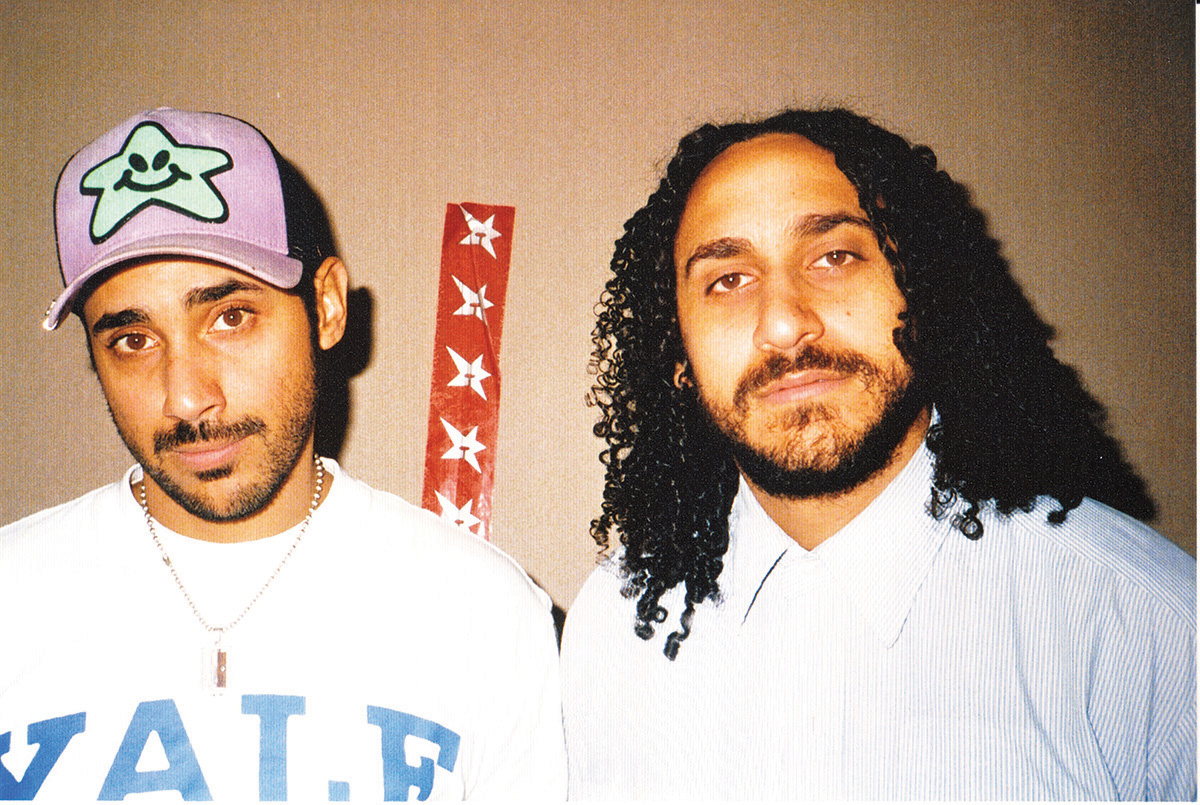
It’s January and Osama and Ayman are walking around the future Carpet store. Drywall dust coats the floor, and brown paper covers the windows, keeping passersby from peeking in. Plenty of finishing touches remain, but they’re meticulously weighing every detail, always making their final decisions together.
“We’re basically the same person,” says Ayman, wearing wide-leg jeans and a Bad Brains T-shirt. “We always had the same everything—same clothes, same style, same friends.”
There are also clear-yet-complementary differences. For instance, Ayman prefers garments that are more crisp, clean, refined. “Bougie,” declares Osama, decked out in camo and Carhartt-style carpenter pants. “Whereas I don’t care if things get dirty. . . . But every single article of clothing is a conversation we have for hours. And while we’ve each got our own ideas, finding that overlap is what makes a good piece.”
Even together, that’s no small feat. For each collection, they start with roughly 1,000 custom designs, sometimes 20 versions of a single shirt. They deliberate over sizes, shapes, colors, materials. There are mood boards and mock ups, with their East Baltimore headquarters regularly stuffed to the gills with samples, temporarily turning their indoor skate ramp into a three-story closet. It takes them about six months to narrow down the looks. Changes are made until the very last minute.
“It’s a lot of work and a slow process—you’re experimenting with so much, playing with so many things, seeing what feels right,” says Osama. “We’re both very particular. Every single piece has to meet so many criteria.”
At the end of the day, the brothers are their own best barometer, leaning into bright colors, cartoon characters, hints of Arabic, and a host of inside jokes—their go-to slogan being “Carpet Sucks”—creating something both defiantly hip and highly approachable.
“We design for us,” says Ayman, and they’ve been trusting that instinct since their first collection—Season One.
In 2015, Carpet was born out of a friend’s grandma’s basement. After slinging skateboards for another brand, they decided to try their own thing. The original dream was making jeans. But shirts were faster, cheaper, easier, so they bought a screen-printing machine off Craigslist and taught themselves how to use it on YouTube. Their first run was 10 tees, just for their fellow skaters. Then they started printing boards, too, which got picked up by local skate shops. Within a year, their DIY looks were going viral. As for the name, it just sounded cool.
“One thing just led to another,” says Ayman. “You learn. You get better. You try new things.”
“Some of the most beautiful pieces we made came from figuring out how to fix something,” says Osama, no formal training necessary. “We found people weren’t really interested in perfection. They wanted something unexpected.”
To level up, they clearly needed more space. In 2019, they moved to Greenmount West and slowly but surely grew by word-of-mouth, luring in their favorite musicians and pro skaters for collaborations. Then in 2021, Nike came calling. It was a project that would change everything. With this iconic sneaker company, Carpet created a powdery blue pair of high-tops, offering an early glimpse into their clever imaginations. Beneath the leather were hidden details, only to be revealed through the literal wear and tear of skateboarding.
With that success, Osama and Ayman quit their jobs and bought the East Baltimore warehouse, their “HQ”—a crumbling laundromat topped with their logo, a C-shaped star. Projects with Vans soon followed, and the Baltimore Orioles, and, of course, local hardcore band Turnstile, with frontman Brendan Yates being a buddy from those College Park skating days.
Last summer, they dropped a collection together at the Good Neighbor Design Garage in Hampden, with fans flowing down Falls Road all day.
“You’re always hungry, always pushing . . . not settling for the same ideas,” said bassist Franz Lyons to the brothers in an interview with indie magazine Living Proof. He wore nearly all Carpet to accept the band’s Grammys earlier this year.
Now, they’re in midst of rolling out their 21st season. Season 22 is already finished, and they’re onto 23. By the end, each season will include more than 100 designs, which will turn into some 20,000 individual pieces, and the brothers are ramping up to release even more.
“Their attitude is if you build it, they will come.”
Beyond the web, they’re stocked worldwide in 70-plus shops, from Los Angeles to London to Hong Kong, including 13 Supreme stores. Screen-printed by hand in Baltimore, the skateboards still come in small batches. It’s a labor-intensive undertaking, and their admitted loss leader, but core to the Carpet identity. For the rest of the lineup—finally including jeans, as well as jackets, bags, boxers, and anything-but-ordinary objects, like branded ashtrays, Nalgenes, Frisbees, dog bowls, and one fez- wearing nutcracker—Ayman and Osama work around the clock with factories overseas.
“Which sucks,” says Osama, thinking about those international calls with China, Pakistan, Turkey, Morocco, Egypt. “Sometimes you’re talking at two or three in the morning, and they’re asking what color you want a stitch to be, and I’m like, bro, at this point, I don’t care.” He pauses, flashes a wicked grin, then quickly adds, “. . .but it has to be yellow.”
If skating gave them creativity, their business skills might be thanks to their parents. Analyzing, multi-tasking, troubleshooting—that could be attributed to those short lived white-collar jobs, and therefore, their dad. (Seeing the hard work, he’s since come around to their unconventional career path.) Their street smarts and ability to stretch a dollar, though, comes from their mom.
“She’s a hustler,” says Ayman. “You can’t waste money—if you buy something, it has to keep its value.” Which was true when the brothers were teens trying to buy shoes.
“She’s like, ‘Are you going to just skate them and destroy them?’” he says, mimicking her Egyptian accent. “And we’re like, ‘No, and we think they’re going to go up in price.’ And she’s like, ‘Hmm, okay. I’ll allow it then.’”
To this day, every Friday night, during family supper, they seek her council for every big move, making her the unofficial consigliere of Carpet. Her no is their no, too. And she must be onto something, given the brand’s strategy is so savvy. They’re masters at building demand, whether that’s online—i.e. their impromptu announcements made with high production value, subversive humor, and the occasional cameo from a local dirt biker or Baltimore Club beat—or in their actual collections, which are limited-edition, meaning most items will never be seen again.
Meanwhile, their prices stay low, giving the next-generation skater kid a shot at snagging something. Sure, their silver necklaces and pony-hair coats are a bit higher, as is their first attempt at furniture—a candy-colored fiberglass stool that looks like a stackable baby toy meets a MoMA sculpture—but most items are less than a hundred bucks. And it should all be gone within an hour.
“Sure, we could sell more,” says Osama. “But making money has never been the goal.”
A few years back, as Carpet started taking off, Osama and Ayman got to plotting their next move. At the time, they wanted to build a skatepark. Then that North Avenue bank went up for sale, and the brothers jumped at the opportunity. Other locations might’ve been fancier, with more foot traffic, but to them, Station North was the sweet spot—a real crossroads of Baltimore. Full of grit and gumption. An underdog, just like them.
“I remember riding through the city years ago with friends like, bro, if we had any money, this building would be ours,” says Osama. “We love this street,” says Ayman.
And it’s good timing. The slow-burning arts district is experiencing a new burst of energy, with the forthcoming redevelopment of the North Avenue Market, recently opened restaurants like Mama Koko’s, and the Inviting Light installations, curated by artist Derrick Adams. The Abdeldayems want Carpet to be a draw for the neighborhood, too, if not the entire city.
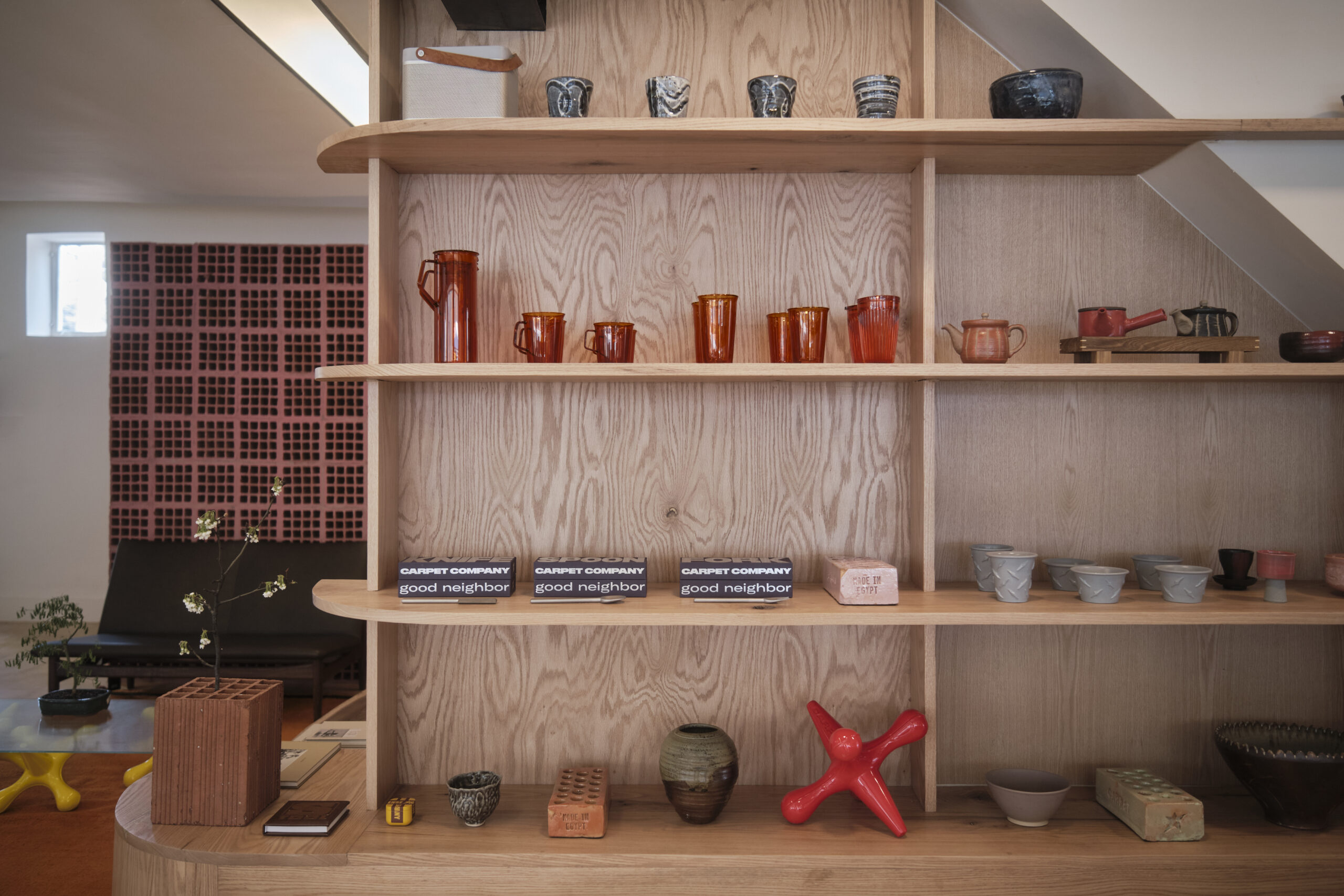
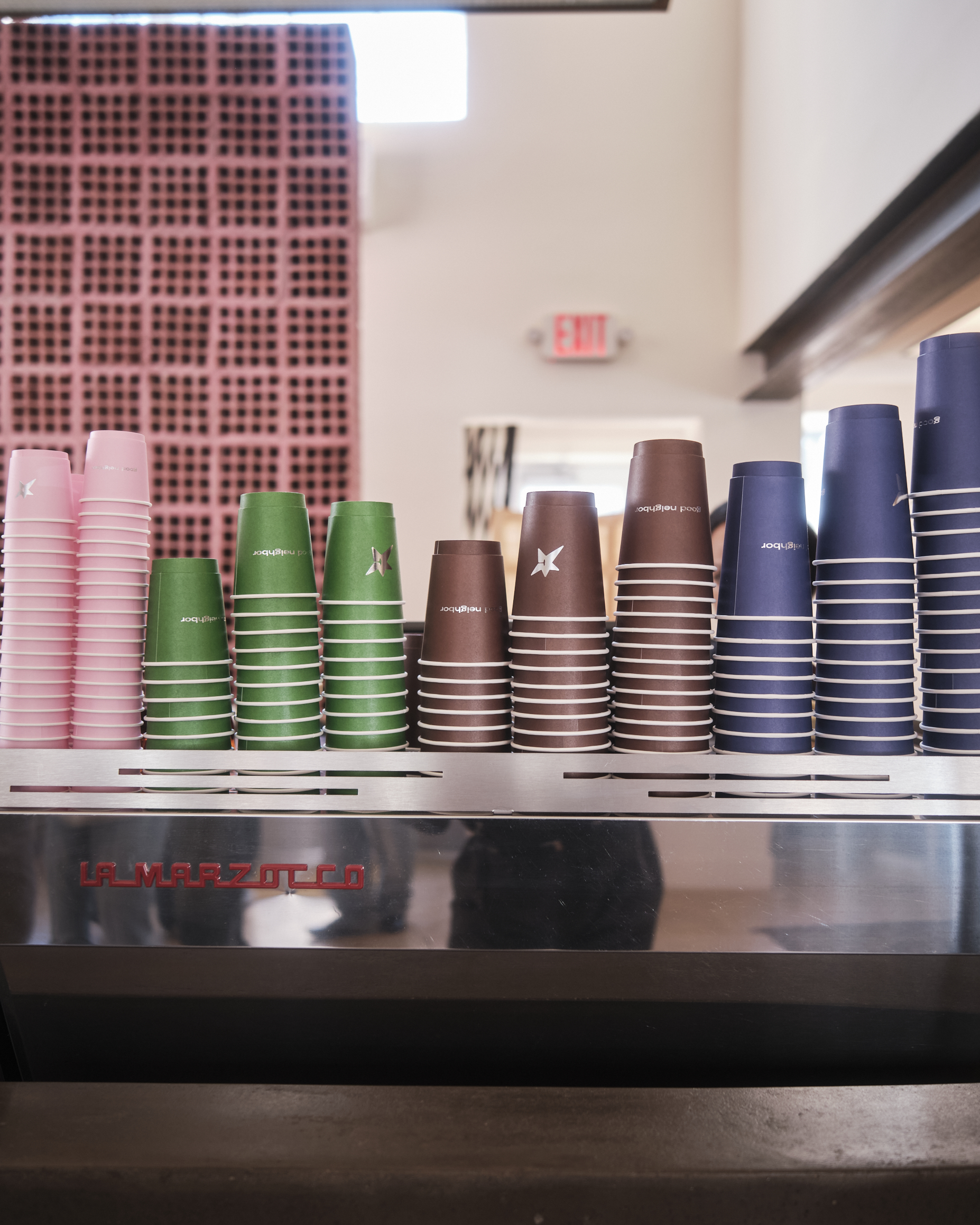
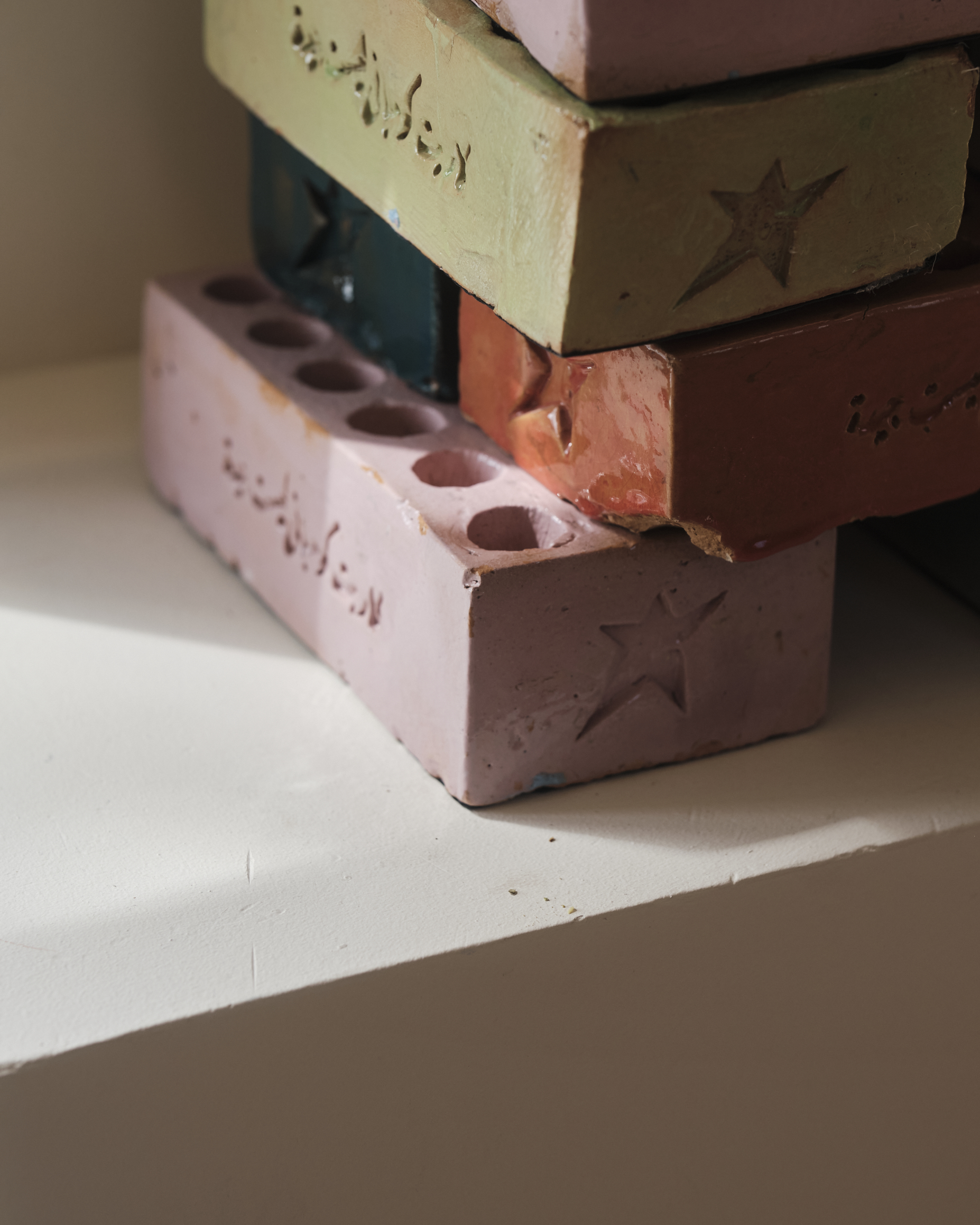
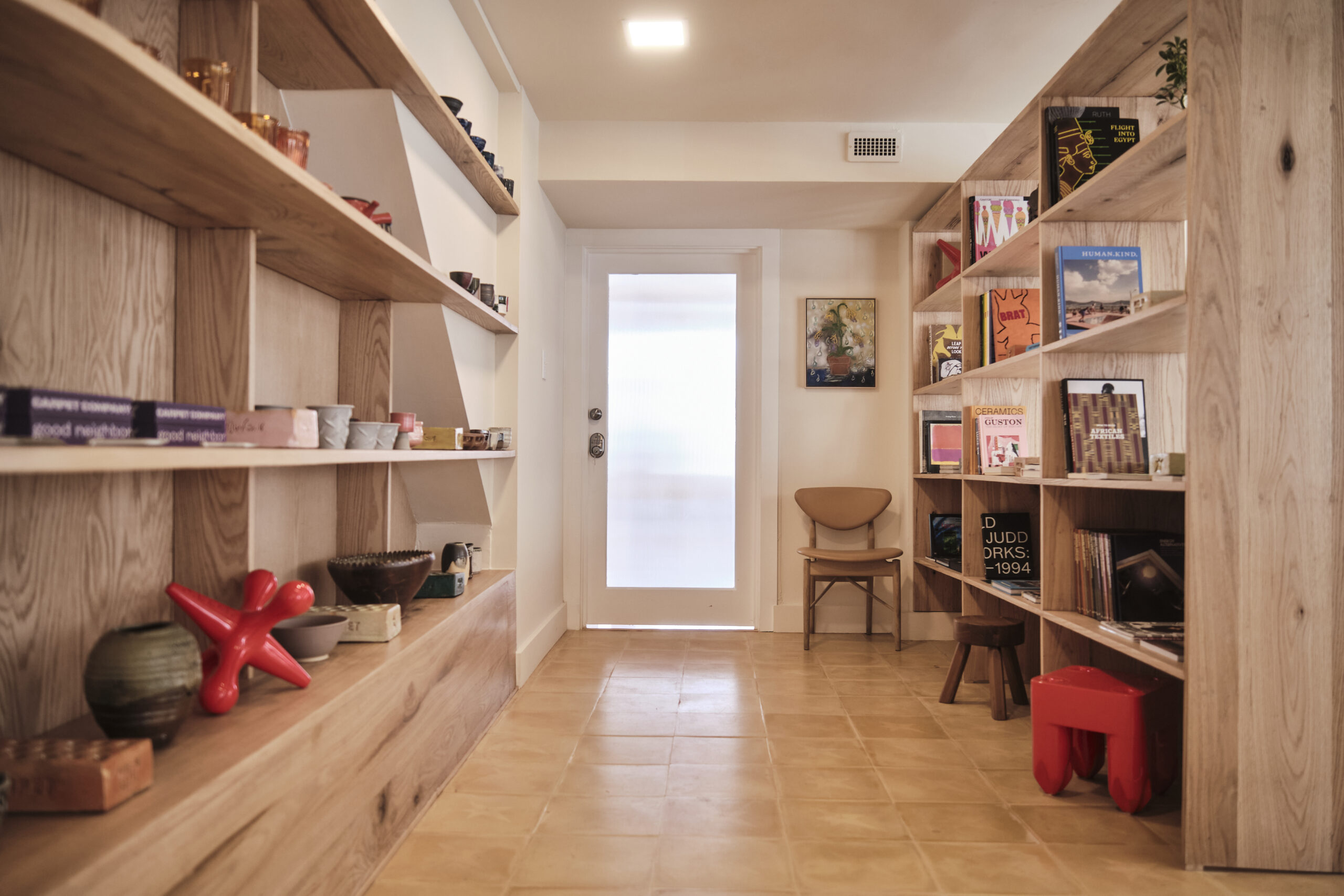
For that, the 10,000-square-foot flagship will be more than just retail. In addition to their own clothes, a curated inventory will feature other sought-after brands, including one exciting upcoming shoe collab. And they’re once again teaming up with Good Neighbor, opening an outpost of the design-forward coffee shop in the back, where community can linger over South Asian paratha flatbreads and coffee cups embossed with a metallic Carpet logo. Upstairs, they’ll also eventually open an art gallery, where it’s easy to envision packed openings featuring a who’s who from Baltimore and beyond.

“A lot of people follow in other people’s footsteps, but they’re marching to their own beat, and staying true to Baltimore,” says friend and legendary skate photographer Atiba Jefferson.
“For someone at their level to lay their mark on North Avenue, I think it’s going to be a tipping point,” says Shawn Chopra, owner of Good Neighbor. “It shows how much they’re committed to this city, and how much their attitude is just, ‘If you build it, they will come.’”
For now, though, Osama and Ayman are staying humble—and despite their bleary eyes, not slowing down. They’re stocking the store, teasing their next drop, and getting their tightknit team ready to send it. Until just over a year ago, they were a two-man operation. Now, they have 18 people on payroll, not to mention all the homies who lend a hand.
“We tell everybody, ‘Yo, you’re gonna work hard, you’re not gonna get paid a lot, but this is a cool thing. If we grow, you grow,’” says Ayman.
They still don’t pay themselves, putting everything they earn back into Carpet, and it’s a point of pride to do it all on their own dime. They want to grow just big enough to hire their own in-house designers. And one day, if all goes well, they might even open another store somewhere—maybe Egypt.
“It’s awesome, and it’s scary, getting bigger and bigger—like man, does this last forever?” says Ayman. “The goal is to just keep building. . . . As far as the future, we’ll see what happens.”