History & Politics
Norman Morrison’s Self-Immolation Protesting the Vietnam War Shocked America’s Conscience
On Nov. 2, 1965, the Baltimore Quaker and father of three doused himself in kerosene and set himself on fire at The Pentagon, below the office of Secretary of Defense Robert McNamara.
The Nov. 1, 1965 issue of I.F. Stone’s Weekly, an influential Washington newsletter of the period, carried a story headlined, “A Priest Tells How Our Bombers Razed His Church and Killed His People.”
From a Saigon hospital bed, a French priest recounted U.S. planes destroying his Vietnam village in devastating detail. Fleeing with surviving women and children, Father Currien “buried as best I could the bodies of my faithful…seven of them completely torn to bits. I had to abandon some wounded and dying.”
Sitting in their Govans kitchen the next day, Norman Morrison and his wife, Anne, read the interview with the priest. Quakers troubled by the war’s atrocities, both were already active in the nascent anti-war movement, demonstrating, writing letters, and refusing to pay federal taxes.
Norman, a former seminarian with a deep social conscience, hadn’t been feeling well that morning as it was. He had slept in before informing the Stony Run Friends Meeting where he served as executive secretary that he wouldn’t be in that day. Instead, he spent the hours before lunch with Anne preparing notes for a New Testament class he was to present the following week.
“What can we do that we haven’t done,” he asked his wife over French onion soup and grilled cheese sandwiches.
The conversation turned to more pleasant topics, including plans for Christmas. Then, out of the blue, Anne Morrison Welsh would recall in her memoir, Held in the Light: Norman Morrison’s Sacrifice for Peace and His Family’s Journey of Healing, he asked what she’d do if anything happened to him.
That afternoon, she picked up the couple’s two oldest children at school. When she left, her husband’s head was buried in his class notes while their 11-month-old, Emily, napped. By the time she had returned home and began making dinner, Norman was dead.
The 31-year-old father of three had driven to The Pentagon, poured kerosene over himself, and lit himself on fire—beneath Secretary of Defense John McNamara’s window, it turned out. Only at the last minute, according to eyewitnesses, had her husband safely set his baby daughter aside.
Accompanied by two friends, Anne drove to the Fort Myer clinic that served The Pentagon. She gathered the unharmed Emily (Norman had left extra bottles, diapers, and a blanket in the car he borrowed). She declined speak to the press, but released a statement expressing her husband’s concern over the suffering caused by the war and that his action was a protest against U.S. involvement.
Inside Norman’s clothing, investigators discovered an invitation to a Quaker meeting with “How Can We Prevent World War III” handwritten on the back and a second note to himself: “As we go stronger materially, we get weaker morally. Few would disagree.”
Norman’s self-immolation echoed those of Buddhist monks in Vietnam and 82-year-old peace activist Alice Herz’s similar sacrifice in Detroit nine months earlier.
The startling action by someone who seemed like an average American made international news and shook the consciousness of the country. It also vexed those who knew him, caused others to question its morality and efficacy—and shattered his family.
The day after her husband died, Anne received a letter which he had mailed en route to D.C.
Dearest Anne, please don’t condemn me…I have been praying only that I be shown what I must do. This morning with no warning I was shown, as clearly as I was shown that Friday night in August 1955, that you would be my wife…
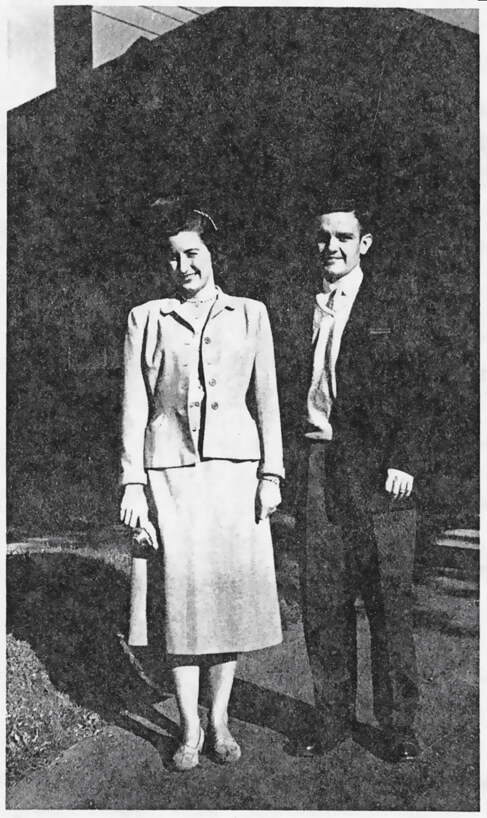
The letter did not help Anne, who described a curtain of grief descending around her. Politically, she would learn many years later, the protest had made a profound impact on at least one person at The Pentagon.
“I reacted to the horror of his action by bottling up my emotions and avoided talking about them with anyone—even my family. I knew [they] shared many of Morrison’s feelings about the war,” McNamara admitted in his book, In Retrospect: The Tragedy and Lessons of Vietnam. He also acknowledged his doubts about the war began that same month.
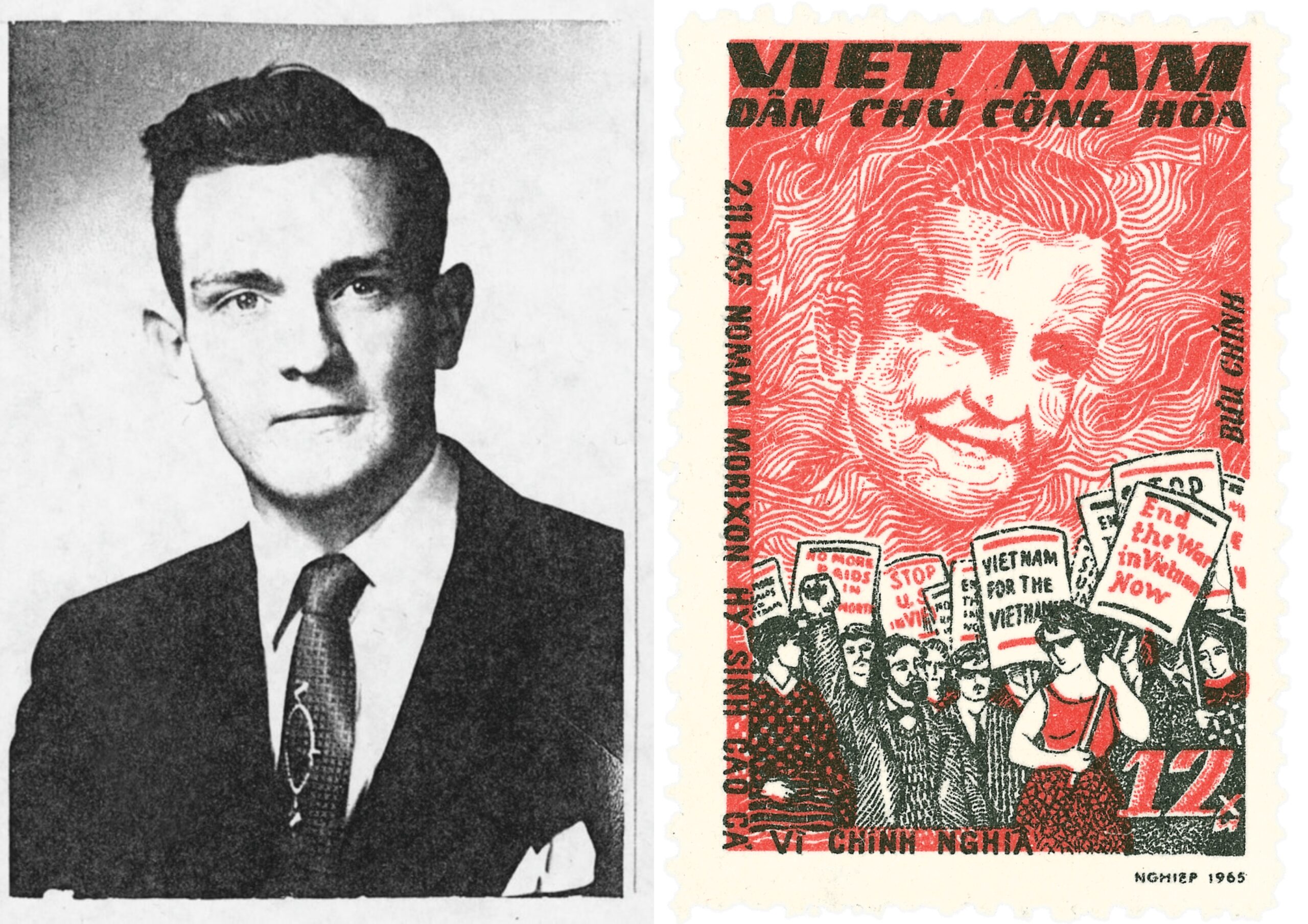
Healing for Anne and their daughters (their son died of cancer at 16) did not come until 1999, when they accepted an invitation to Vietnam. The unimaginable protest had been a beacon of hope for the North Vietnamese, who issued a stamp and named a street in her husband’s honor after his sacrifice. Poets penned works in commemoration and schoolchildren learned his name, which remained alive in Vietnamese hearts decades after his passing.
“I was in my bunker in the jungle that night when news of Morrison’s death in America came over Liberation Radio,” a former North Vietnamese soldier turned Hanoi University linguistics professor told Anne, after quietly approaching her during her visit. “I just sat there and cried. That someone in America cared enough about us that he would give up his life…”