History & Politics
The Heyday of Southeast Baltimore Corner Stores
Six families detail the history of their iconic shops, which neighbors relied on for everything from homemade egg custard snowballs to butcher-your-own goats.
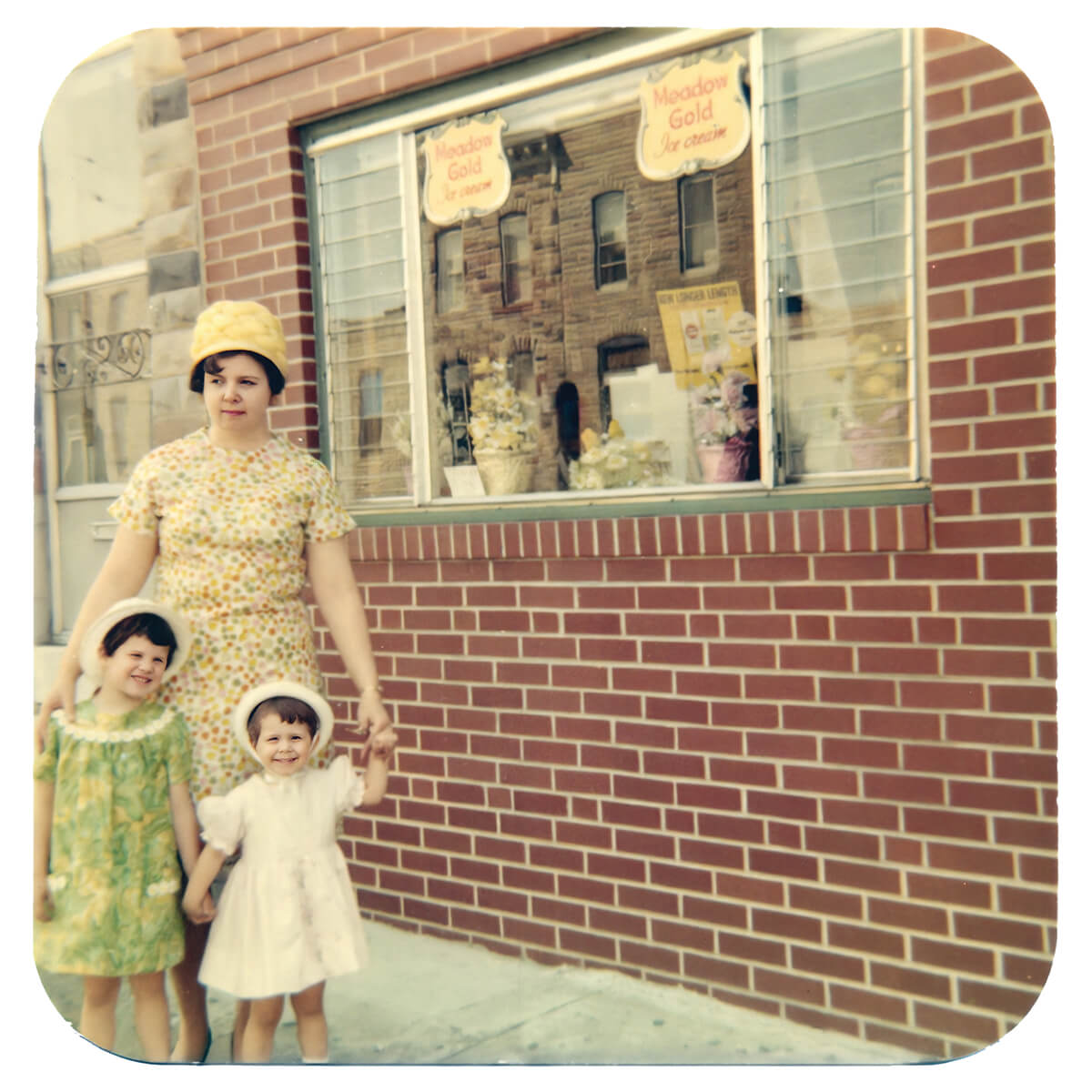
From the late 1970s through the mid 1980s, much of my childhood was spent frequenting the local corner stores. My friends and I would go after school and all throughout the summer. All the neighborhoods—Canton, Highlandtown, and what is now Brewers Hill—were positively full of them.
The corner stores I remember sold groceries, meats, snacks, drinks, milk, sodas, snowballs, candy, and even Pinky Hi-Bounce balls, metal jacks game sets, and wooden paddle balls. As a young child, I ate ice cream kiddie cups with a wooden spoon, and as a teen, I devoured snowballs—but only certain flavors: sky blue (which tasted, well, blue), grape, spearmint, or egg custard topped with marshmallow.
Even though corner stores were prevalent in Southeast Baltimore, there’s surprisingly not a lot of written history about them. So, I decided to go straight to the source and reached out to six families of corner store owners to get a real feel for what life was like for them.
URBAN VILLAGES
Retired Senator Barbara Mikulski essentially grew up in a corner store. Her parents, William and Chris Mikulski, purchased their first shop, Willy’s, as newlyweds in 1935. It was located at 718 S. Eaton St., in what is today Brewers Hill.
“People didn’t have cars, so they lived in urban villages, where everything was within walking distance, and they shopped in the same area,” says Mikulski. “There were little mom-and-pop stores on the corners that met basic needs—a baker’s shop, a grocery store, a shoe repair, etc. Then there was the Avenue [Eastern Avenue] where we would shop for the rest.”
Mikulski’s parents purchased a house near the shop at 715 S. Eaton St., and they rented out the apartment above Willy’s. “You usually rented to a relative or somebody you knew from work or church,” she says.
According to Eric Holcomb, author of The City as Suburb: A History of Northeast Baltimore Since 1660, before the 20th century, there was no “separation of uses” in terms of zoning. “That’s why corner stores could have your house, your store, and even your warehouse in the same building,” says Holcomb.
In Willy’s early days, Mikulski’s father ran the store, and her mom kept the books while taking care of their daughters and household. When the store got busy, “Miss Chris,” as she was known to the neighborhood kids, helped out. I remember her always throwing a candy bar into the paper bag filled with my mom’s purchases.
While they initially sold canned goods and meats, as her father was an accomplished butcher, Mikulski says that her parents were forward-thinking when it came to the business.
“When World War II was over, my mother told my father that women were going to move from canned goods to frozen food. My father had one of the first freezers in the neighborhood in that store,” Mikulski says.
If her parents knew someone was ill, they would send young Barbara to their homes with their orders. They wouldn’t let her accept a tip. “You’re the grocer’s daughter. Be kind and be helpful,” they’d tell her.
Mikulski remembers the basement of their corner store being used as a fallout shelter during WWII for vulnerable populations.
“My father was an air raid warden. He and one of the other guys in their late 20s would patrol the neighborhood. And if there was ever an air-raid siren, my father’s place was one of the designated shelters,” she says. “The elderly or anyone with children would go into the basement and wait until the air raid was over. There were canned goods down there for them if needed. Whether it would’ve ever really worked, who knows?”
Her parents retired and sold the store in the early 1970s. For a while, it was used to sell meats and for catering. Now, it’s a private home that you’d never know was once a corner store.
“People didn’t have cars, so they lived where everything was within walking distance and shopped in the same area. There were mom-and-pop stores on the corners that met basic needs.”
SUPPORTING HER FAMILY
In 1957, Baltimore City firefighter Lee MacKenzie died of a heart issue. Like many men of his generation, he was the sole supporter of his family. Although she received a small amount of money from the Widow and Orphan’s Fund, his widow, Mary Magdalene “Lena” MacKenzie, needed to support her children.
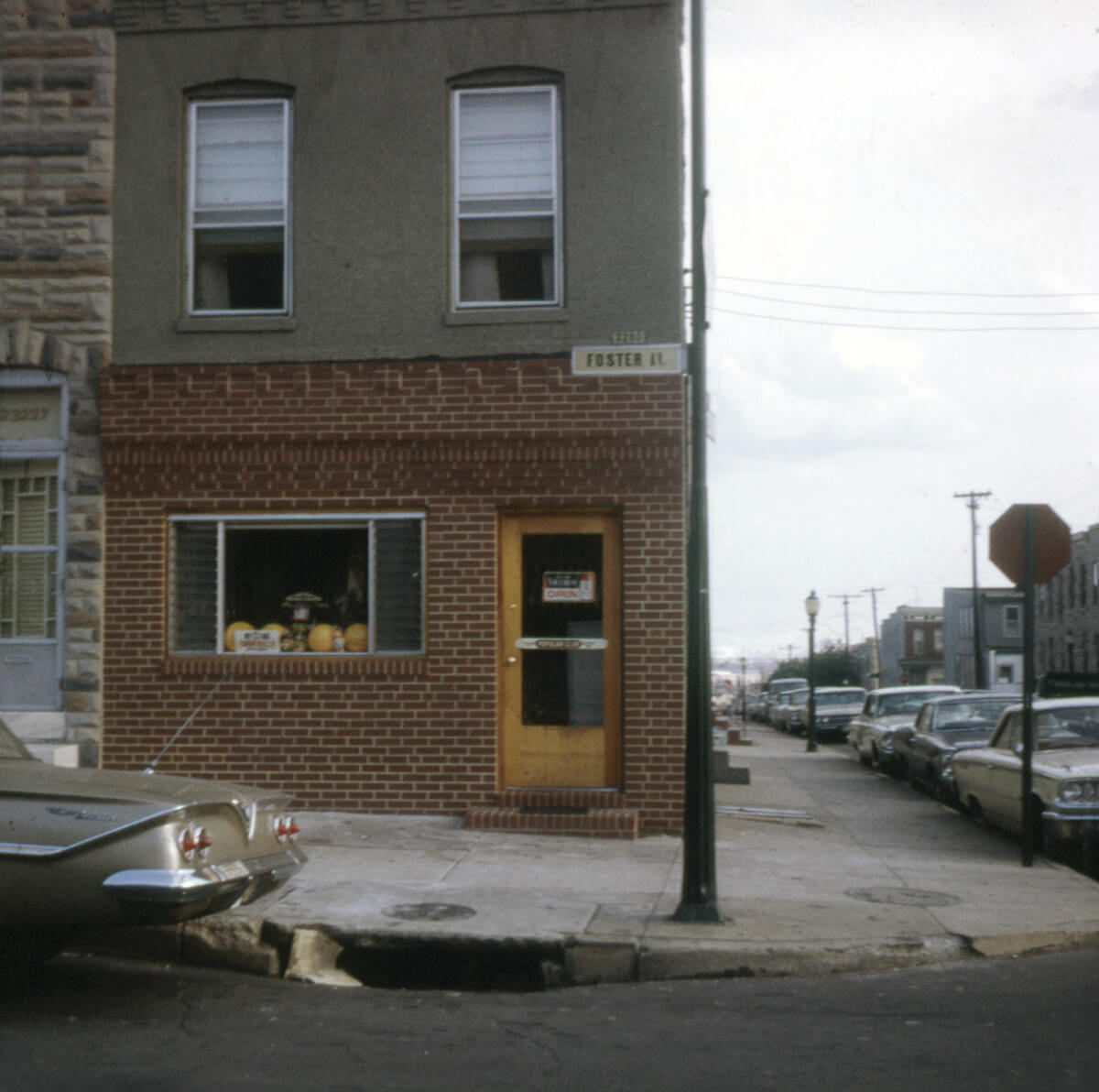
So, MacKenzie bought an already existing store at 3225 Foster Ave. at the corner of Foster Ave. and Bouldin St. in Highlandtown. At the time, she and her children lived nearby at 3217 Foster Ave. and rented out the upstairs apartment above the store. Four years later, when her daughter Elinor married Jim Benzing, MacKenzie sold them that house, and she and her daughter Maria moved into the accommodations directly behind the store, while continuing to rent the upstairs.
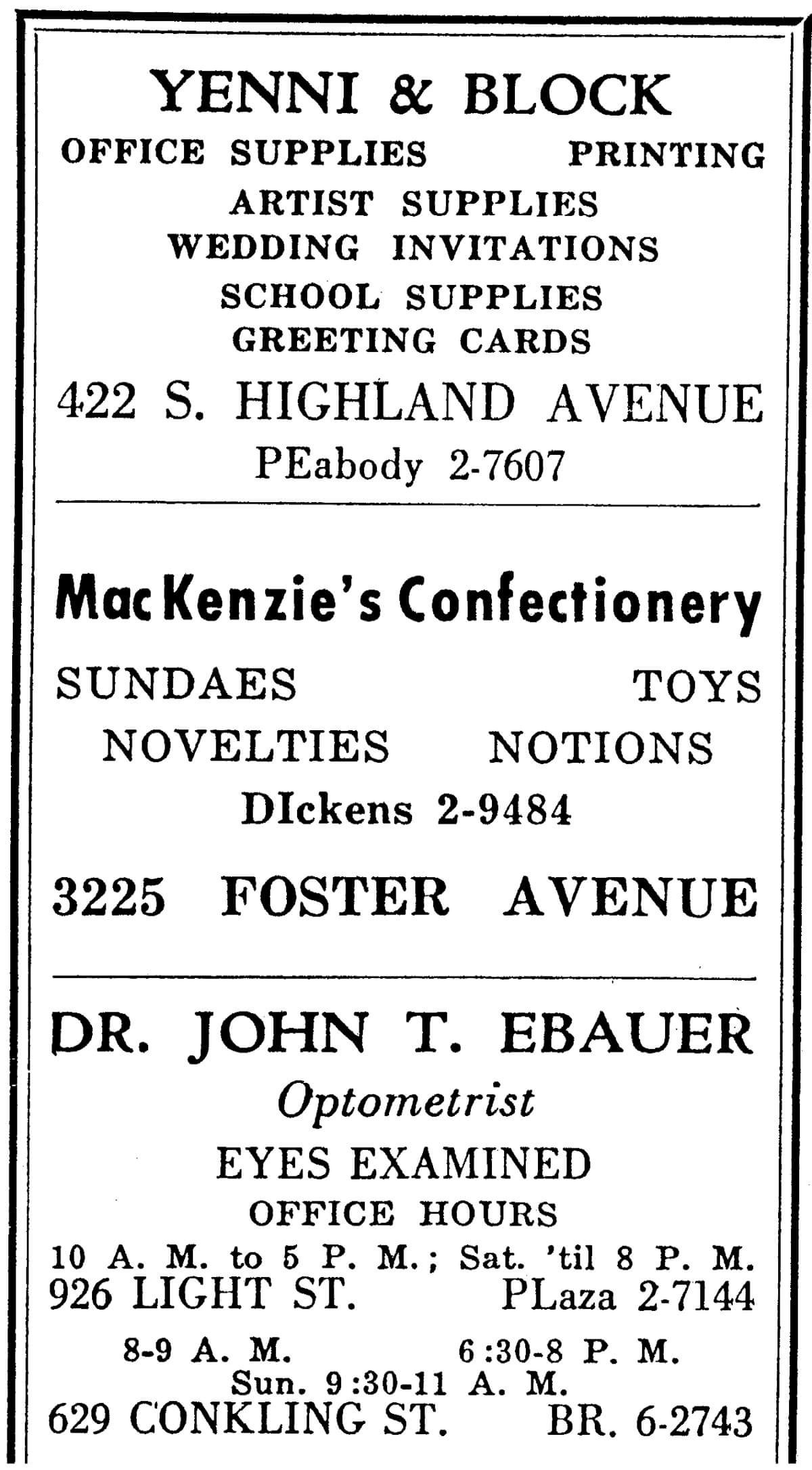
Known as MacKenzie’s Confectionery, the store sold only key essentials since there was an A&P grocery store nearby. That included milk, bread, and eggs, plus a soda fountain—where she and Maria would make fountain sodas, milkshakes, hand-dipped ice cream, ice cream floats, and snowballs.
“When the egg man dropped off eggs to grandma’s [store], he would drop eggs off at our house too,” recalls Chris Benzing, her grandson. “I thought the egg man came to everyone’s house, because for us that was normal.”
Behind the counter, MacKenzie sold packs of cigarettes, some canned goods, cereal, soap, detergent, toilet paper, and other shelf-stable items. She also sold knickknacks, small toys, and greeting cards on a spinning rack.
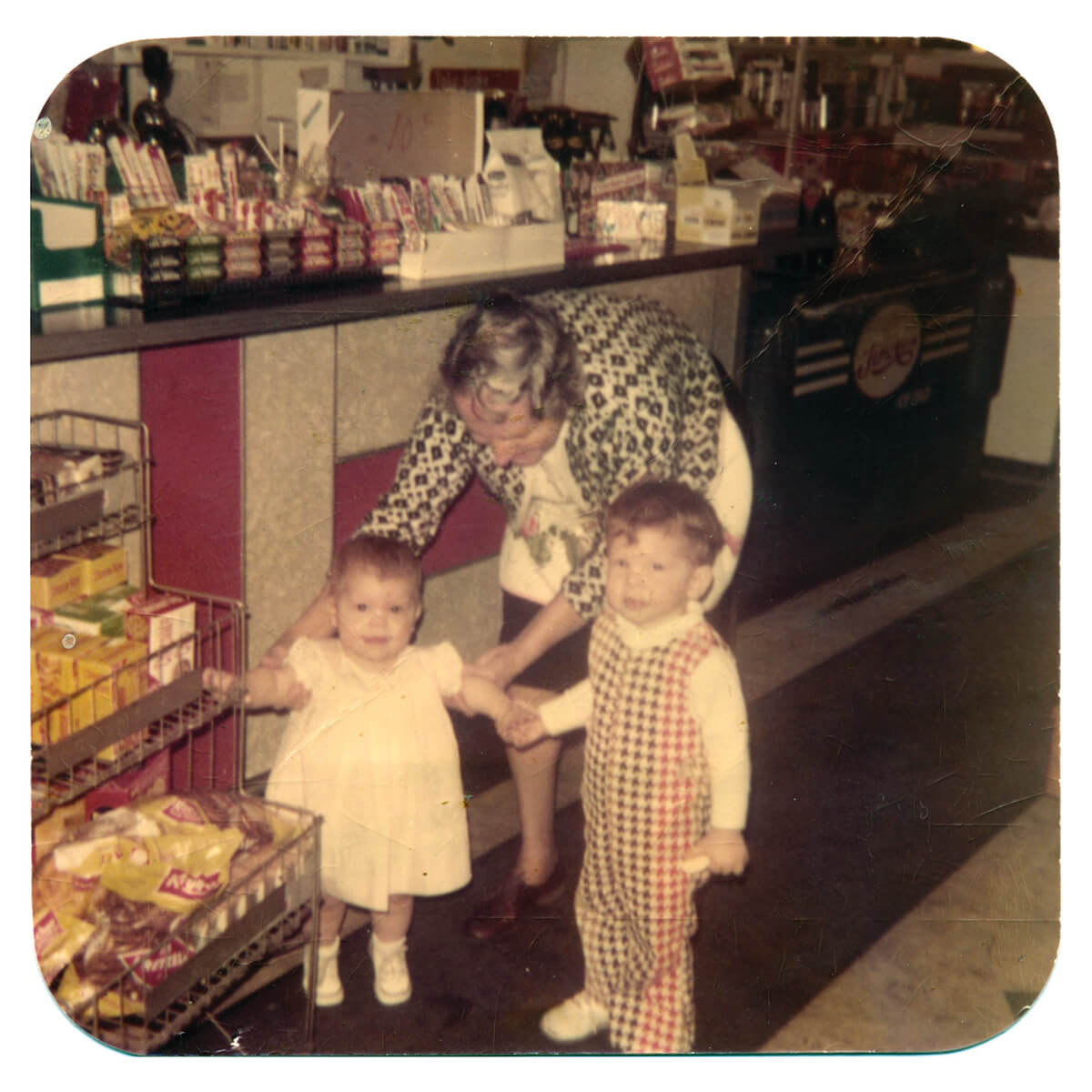
Like many corner store owners, she didn’t keep stock in bulk, as vendors would come by weekly and take orders on what she needed. The next week, they’d deliver them. According to Mikulski, this is why many stores were on the corner of blocks or alleys—to make delivery easy.
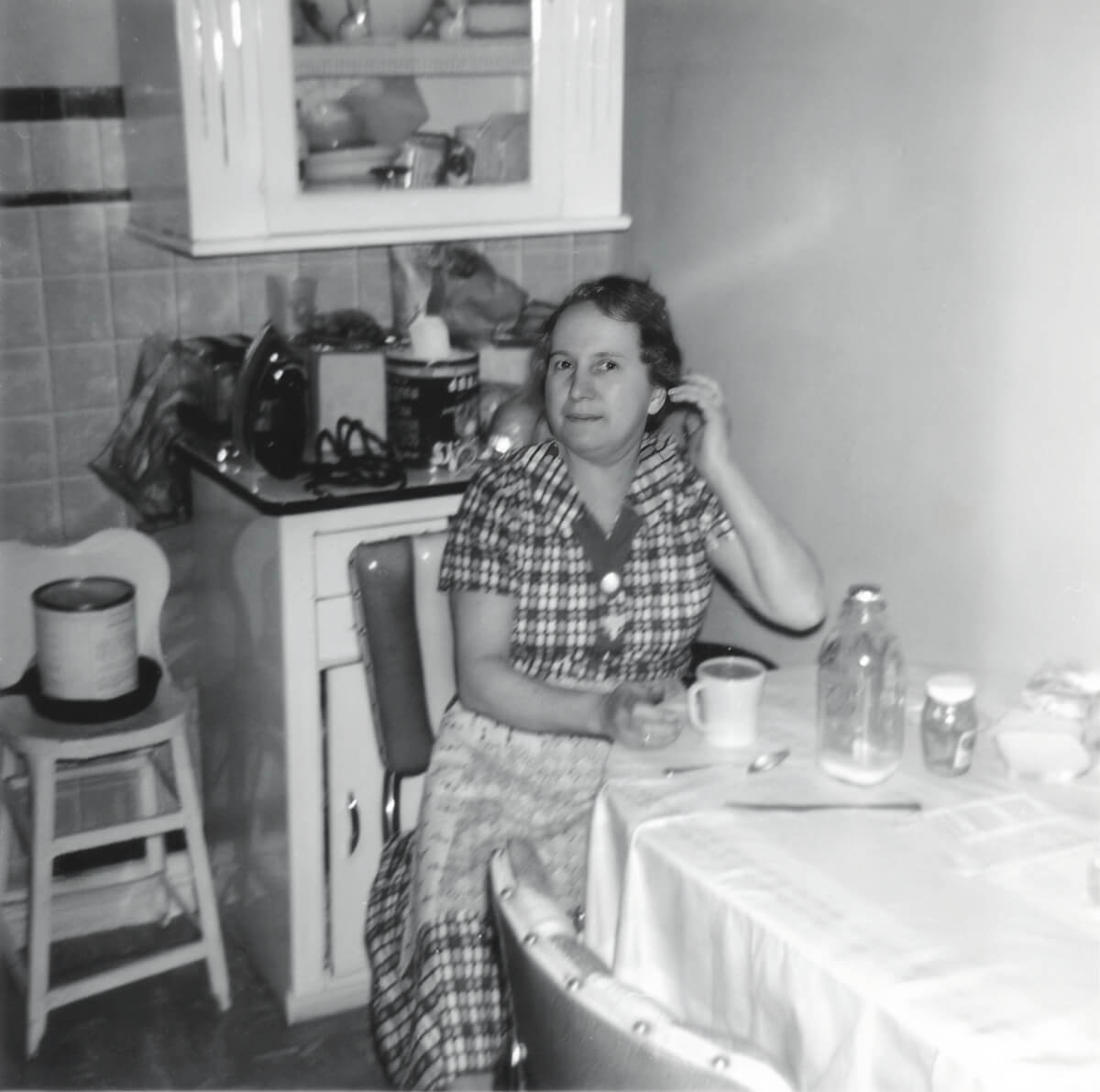
The MacKenzies lived in the small apartment—living room, galley kitchen, one bedroom—behind the store, through a doorway that was always open. Their bathroom, with its clawfoot tub, was in the basement, which was also used for storage.
“The basement was the scariest. We raced through it. It wasn’t finished, and it just had their bathroom and furnace,” says Leah Benzing, a granddaughter.
“That’s where she also had all the flavors for the snowballs in big containers on a table,” adds Barbara Smith, another granddaughter.
The store front had a doorbell attached, which would ring in the kitchen. That way, if their grandmother and Maria were having lunch when the store was empty, they would know when a customer arrived.
In 1975, MacKenzie sold her store to one of her vendors, and it became Dawn’s Confectionery, named after the owner’s daughter. It’s now a rowhome.
MISS CASS’
In 1961, three months after Theresa Buerhaus Pratt was born, she and her four siblings moved with their parents to a corner store at 3800 Fait Ave. and Eaton St. in what is now Brewers Hill. Her father, George, worked full-time, and her mom, Cass, stayed home with the kids. Officially called Buerhaus Confectionery Store, it was known by the neighborhood as Miss Cass’ or just Cass’.
Although it was less than a block away from Mikulski’s parent’s shop, Miss Cass sold items the nearby store didn’t have, like comic books, newspapers, Tasty Kakes, and cigarettes. There was also a glass case of penny candy, and they sold snowballs out of the garage on the back of the house.
During many summer breaks, Pratt would work at the snowball stand three days a week from 10 a.m. until 10 p.m. Before opening, she’d mix the marshmallow and mix flavors. Upon closing, she would count the money, roll the coins, and wipe everything down with bleach.
“But I got paid $5 a day,” says Pratt proudly.
Behind the store was their living room, kitchen, and the garage. Upstairs were three bedrooms, one for the four girls (who slept in two double beds), the middle room for their brother, and the back one for their parents. While she enjoyed living at the store, Pratt says there was one downside. The store opened directly into their living room, and her mom insisted on keeping one of the French doors open at all times.
“She would never close it, and it would drive us nuts because you’d be sitting there on the couch trying to watch TV or doing your homework, and if someone wasn’t right in the store to wait on them, they’d stick their heads into our living room while saying, ‘Anybody home?’” says Pratt.
In the late 1970s, Miss Cass moved the snowballs inside the store. She began selling Stewart Sandwiches, a popular, pre-packaged, refrigerated brand of pizza, hot dogs, and grilled cheese sandwiches, which customers like me would take out of the fridge and hand to Miss Cass for toasting. Even though they were cooked in the plastic, my friends and I thought they were absolutely delicious.
As time passed, people were driving more to stores, so they weren’t visiting Cass’ as much and business really dropped off. Pratt says her mom even tried to make it into a corner coffee shop, with coffees, teas, and pastries. But it just didn’t work. The store closed in 2014.
“My mom was so sad,” says Pratt. “She really loved all the kids who came to the store.”
STILL IN BUSINESS
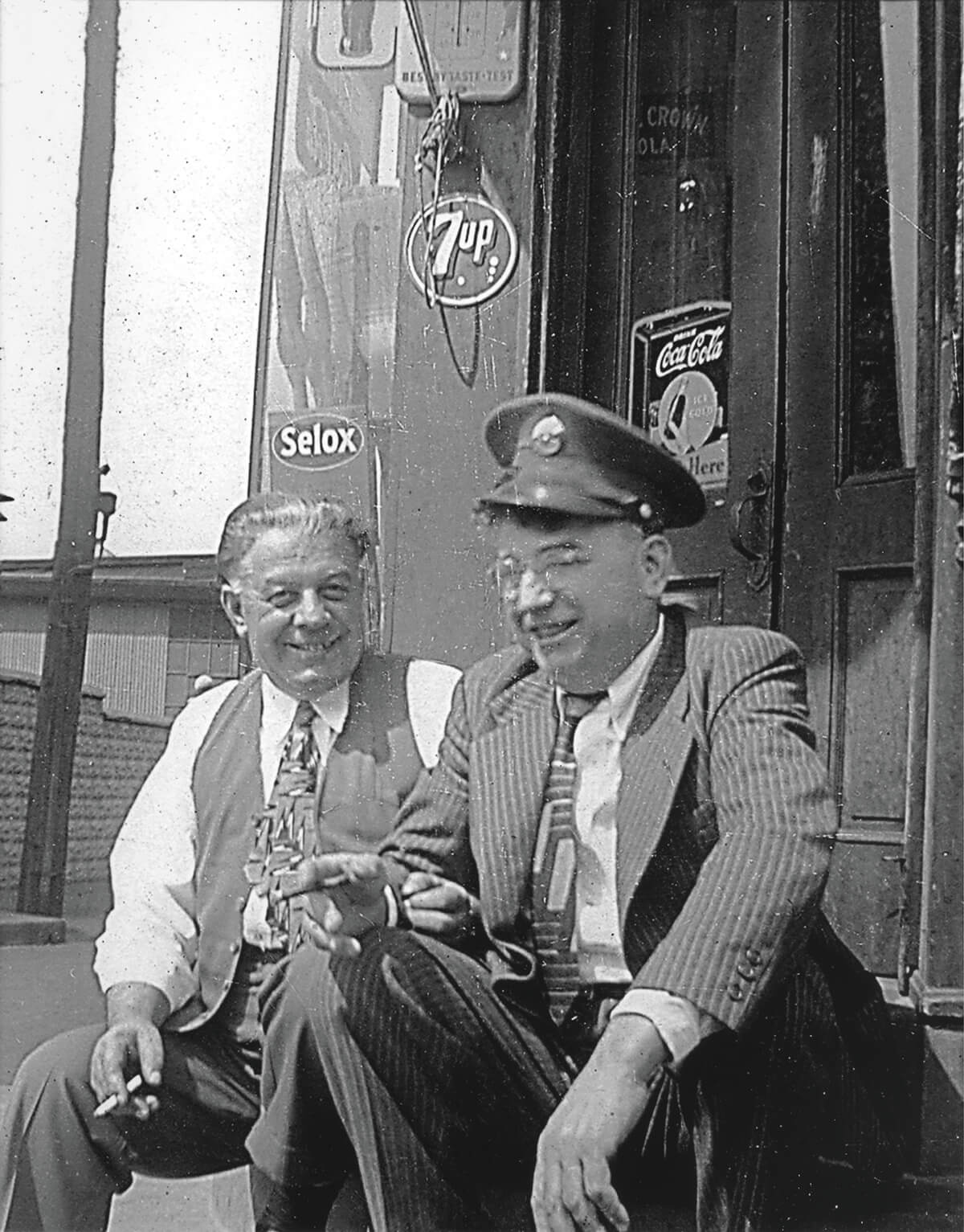
Luigi Di Pasquale came to America from Italy when he was 14 years old. He worked for the railroad but didn’t like it and eventually left. In 1914, he opened a corner store at 3700 Claremont St. across from Our Lady of Pompei in Highlandtown. The building was so large, Luigi used the extra rooms as a boarding house for local men.
“We sold everything in the Italian line, from spaghetti on down,” says his son, Leo Di Pasquale, 95.
After Luigi married, he and his wife, Anna, had seven children, all of whom grew up to help at the store for a time.
“Every time mom had a baby, she kicked one of his borders out to make room for all of us—until it was all family,” says Leo with a laugh.
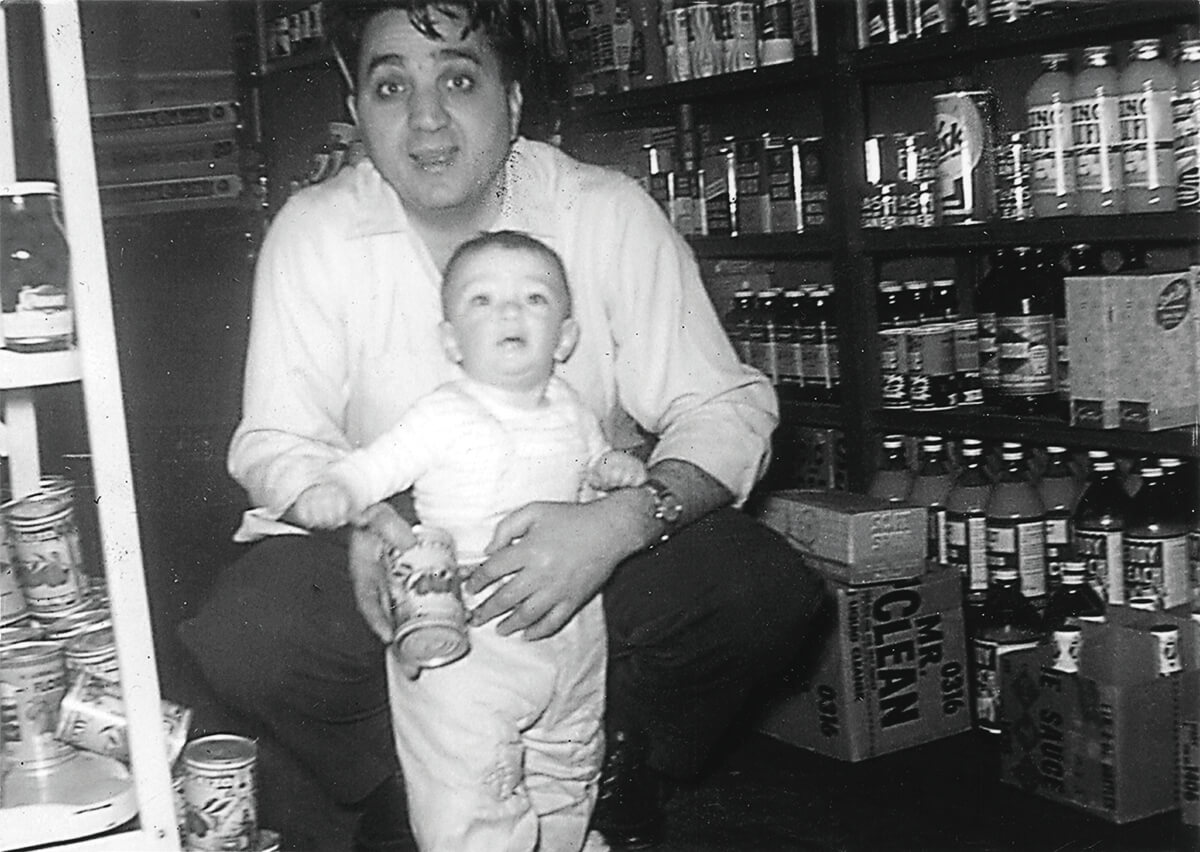
In the early days, besides selling groceries and candy, Leo says they had live chickens, turkeys, pigs, and goats available to be butchered for customers. Joe Di Pasquale, Leo’s nephew, who runs the family business now, says his grandparents also manufactured bleach in the alley.
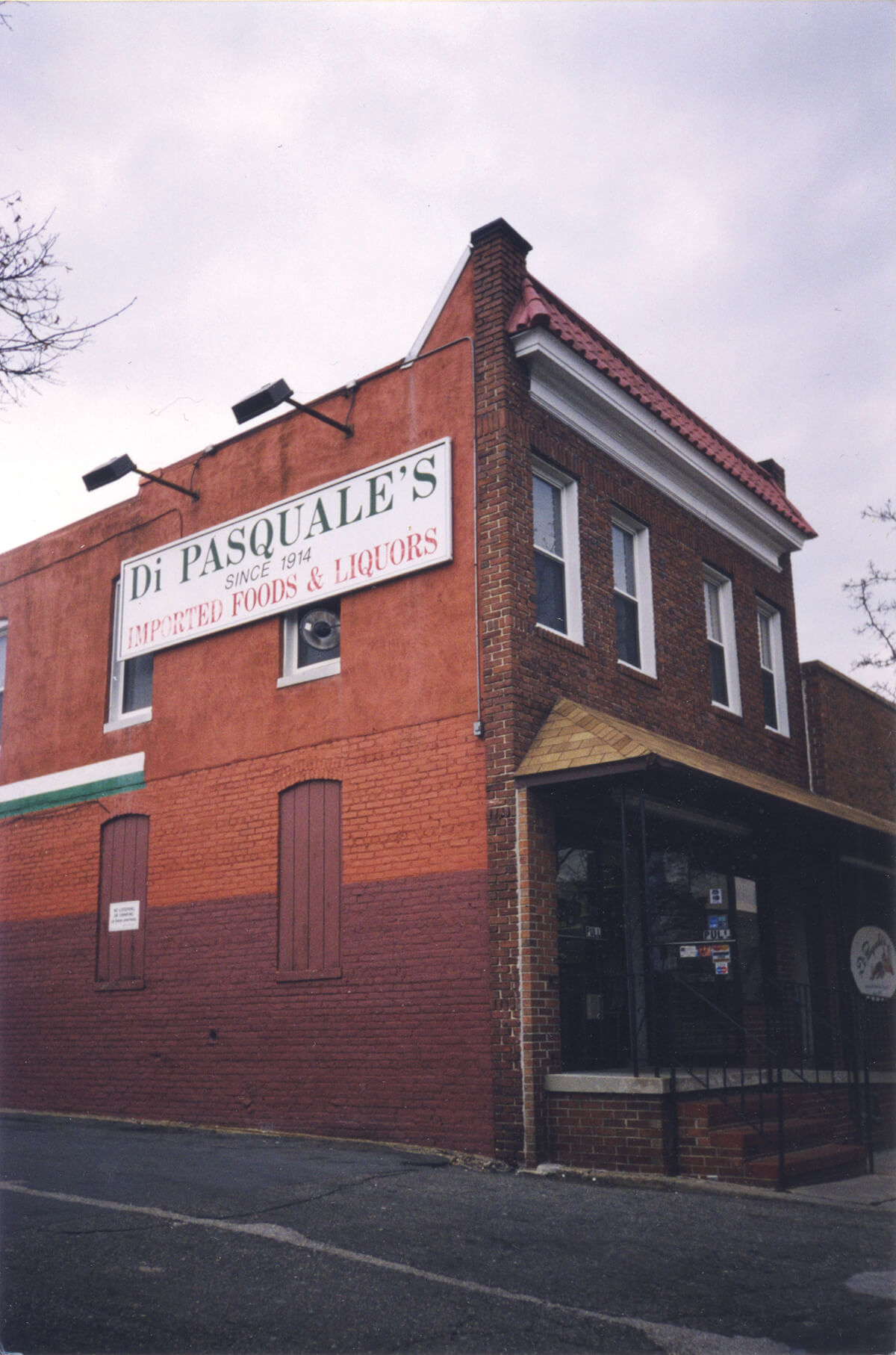
In 1988, Joe and his brothers and sisters assumed ownership of the business from their dad, Luigi Jr., and moved it to 3700 Gough St., still in Highlandtown. Joe says over the years, suppliers gave them advice on how to keep the store running—stick with specialty items.
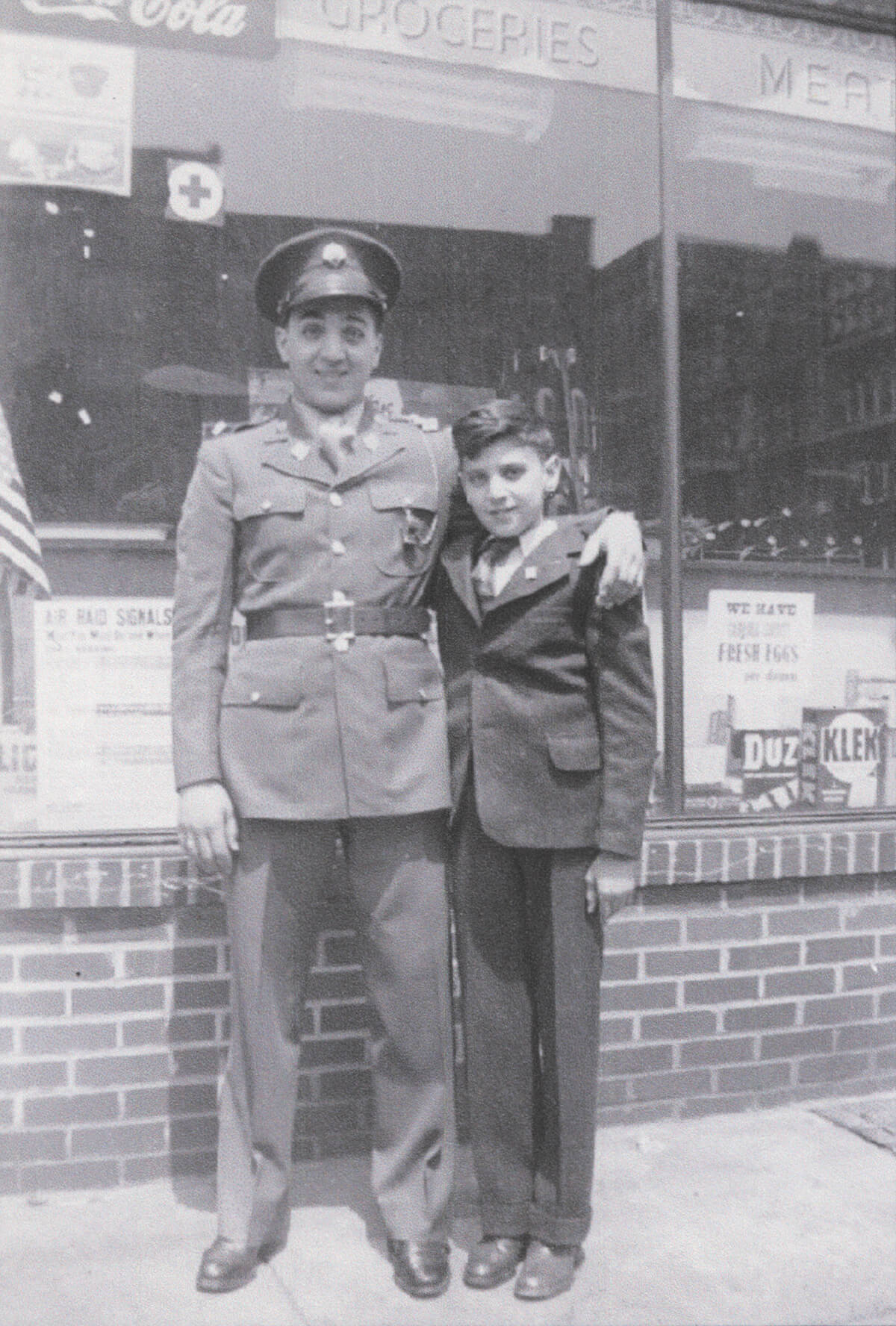
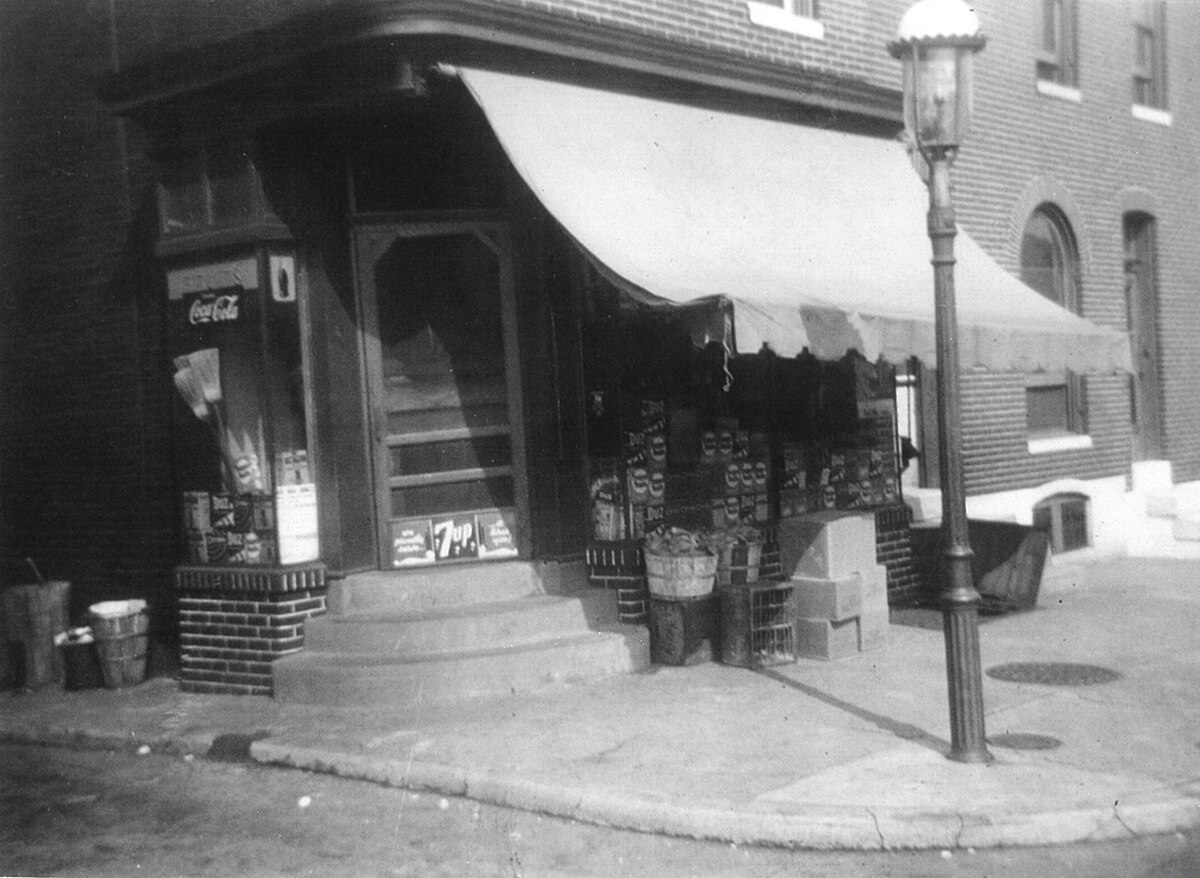
While Di Pasquale’s Italian Market still exists, it transitioned from the typical corner store to a deli and a casual eatery offering everything from subs and sandwiches to brick-oven pizzas and pasta dishes. They also grew to four locations.
“We expanded the kitchen and the menu, and we caught the prepared foods wave,” explains Joe.
Forno, which is still at the Gough St. location, is a little restaurant with a speakeasy feel. They kept a lot from the old corner store, so it looks like a museum of days gone by. And although the shop on Claremont St. has been gone for decades, it still sports a painted mural of the original Di Pasquale family and some of their wares.
“Everything in the neighborhood was close then,” says Leo. “And we were all there, working together in the store.”
THREE GENERATIONS OF LOU’S
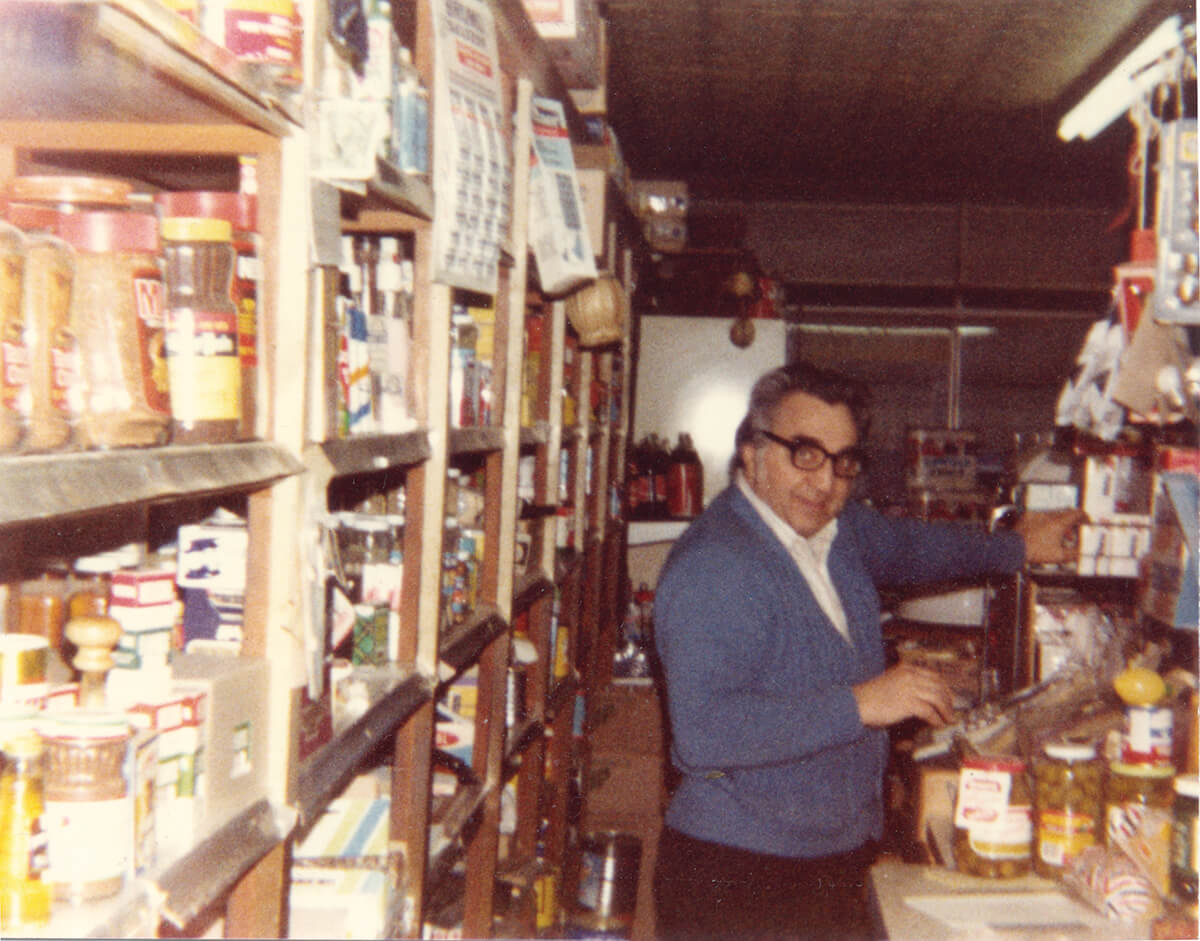
Kristan Barbarino Wilson isn’t sure when her grandparents, Ida and Louis Barbarino, first opened Lou’s Confectionery corner store at 3401 Hudson St., but she remembers her parents, Joseph and Sharon, buying it from them in the mid-1970s.
Located across the street from what was then Canton #230 school and just a few blocks away from St. Brigid’s School, the store did a hearty business selling snacks, ice cream, soda, and candy to kids as well as canned goods, deli meat, steaks, pork chops, and cigarettes to adults.
Wilson’s grandparents lived on the first floor of the house next door, which the family also owned. Her family lived upstairs of both the shop and the house, as the second floor in each was connected. Wilson and her friends loved going into the store after closing time—truly kids in a candy store.
“We had central air in our house and store and the same phone number for both. When my parents got a phone call, but were in the store, we would yell through the air vent, ‘Pick up the phone!’” Wilson recalls with a laugh. “It was fun!”
NOT-ON-THE-CORNER STORE
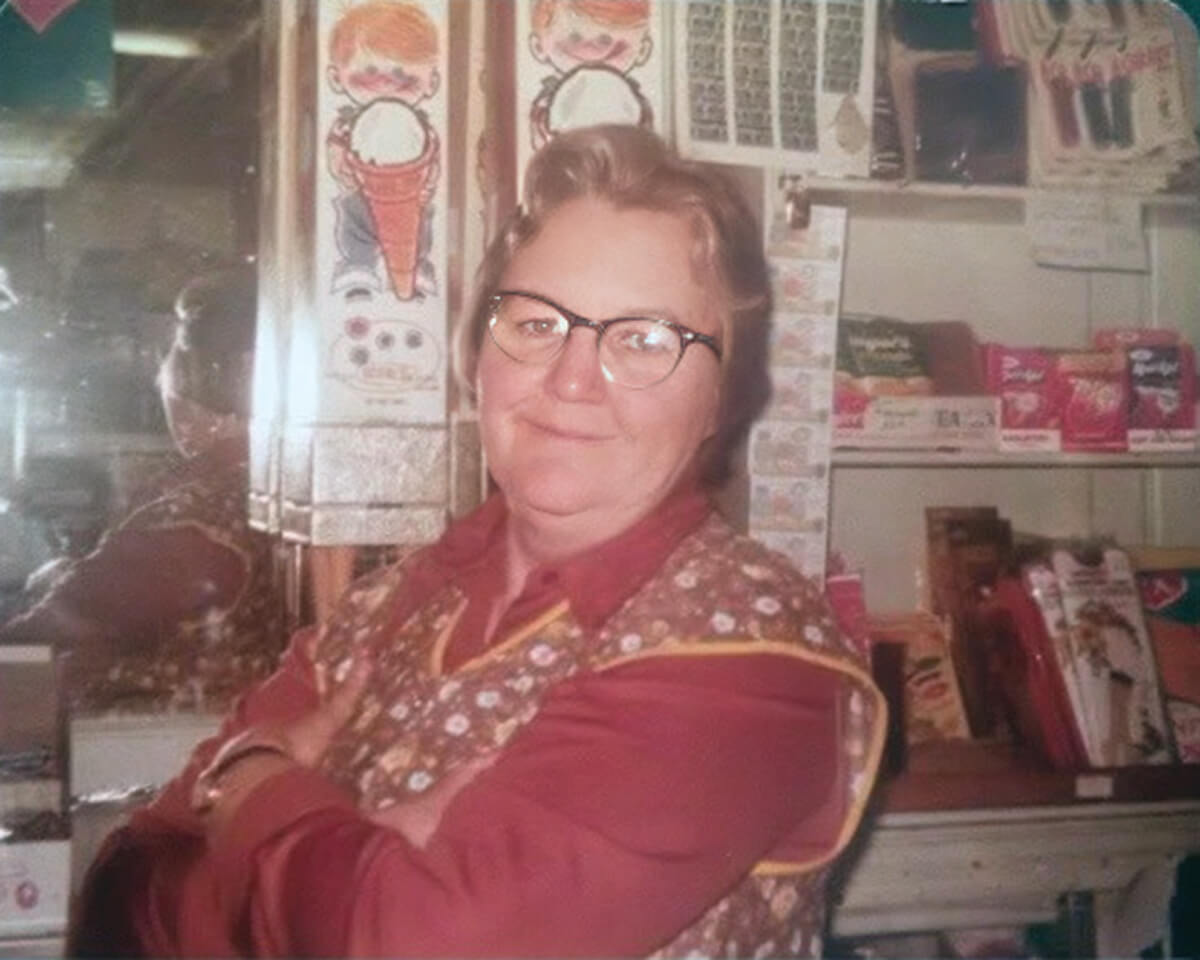
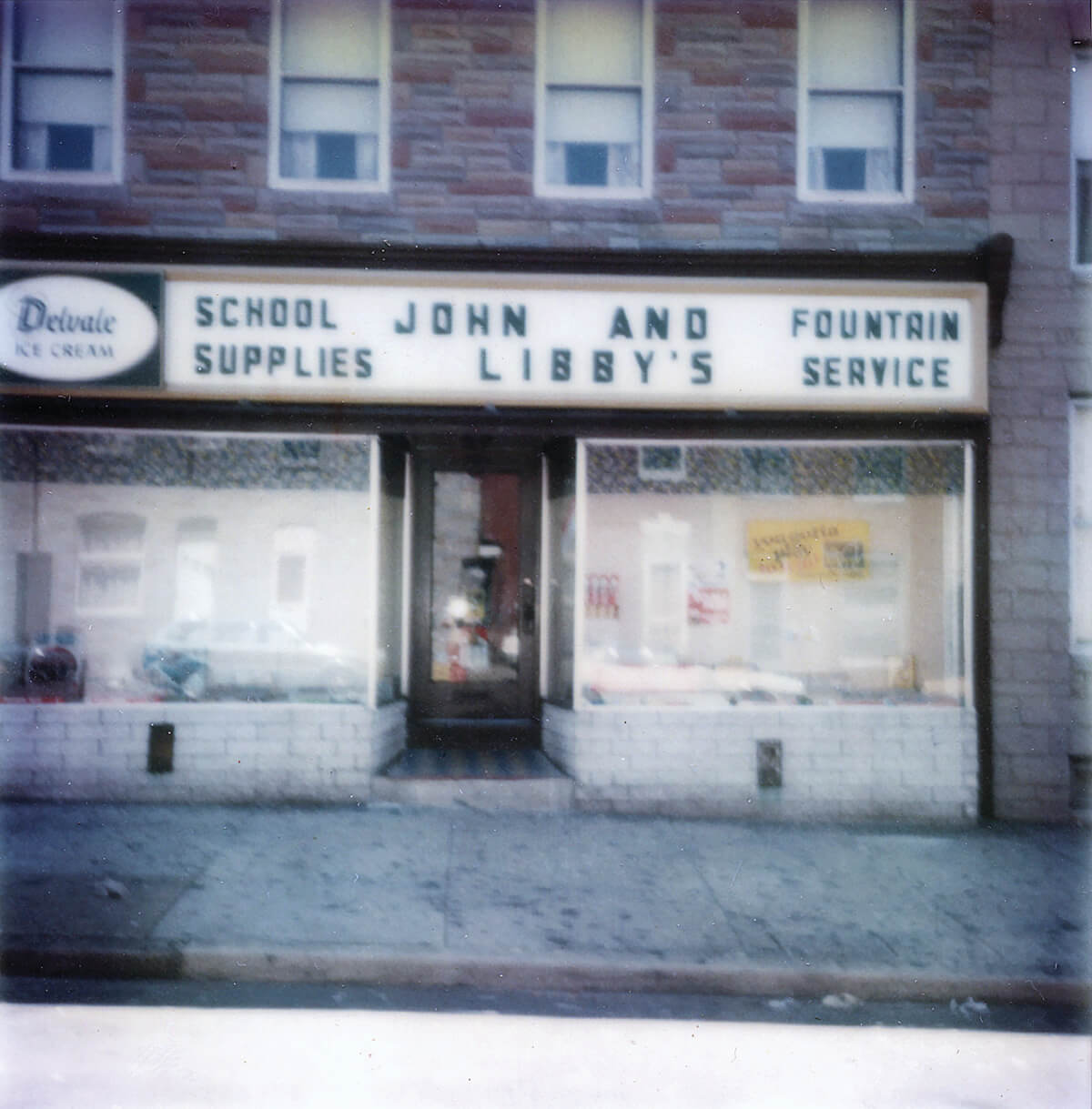
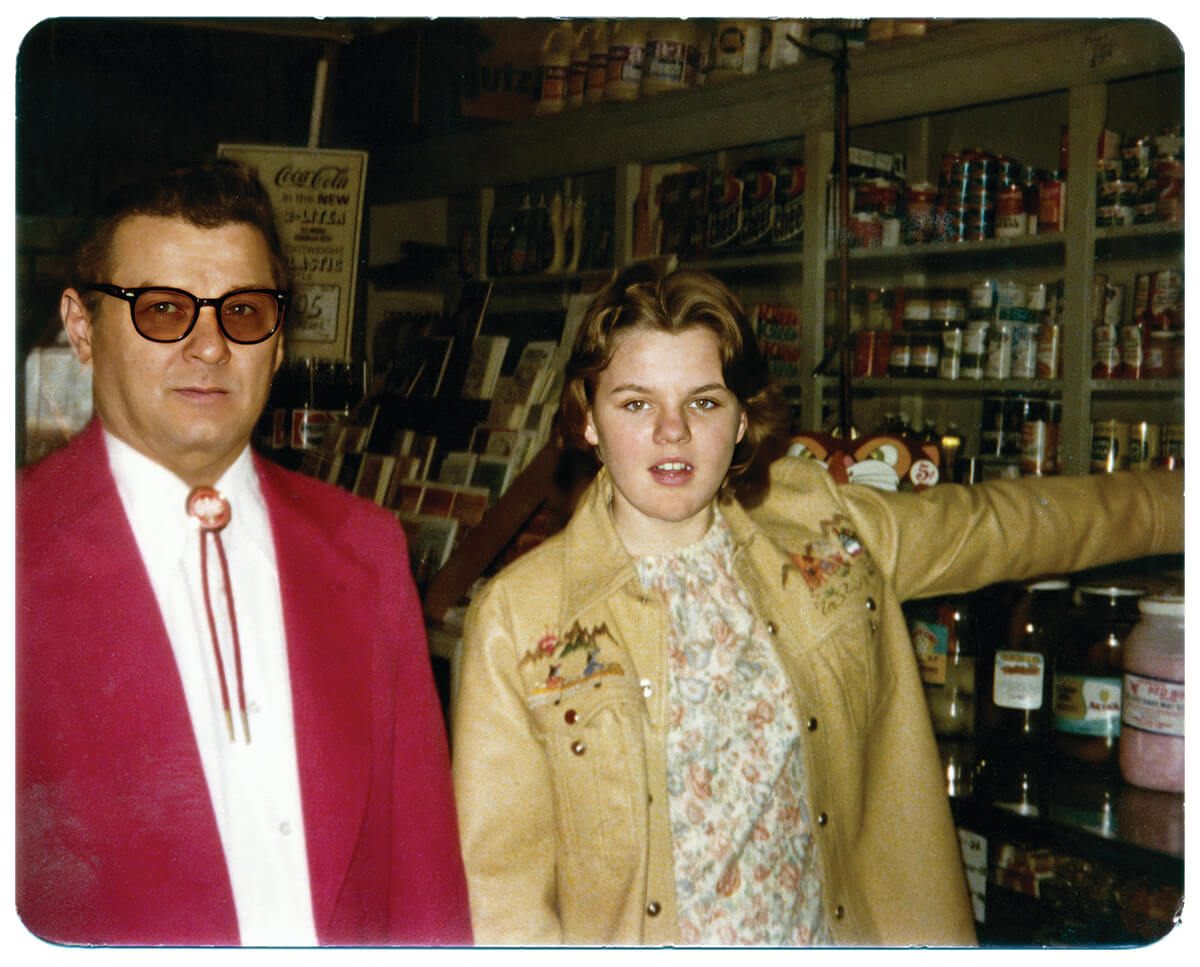
In October of 1976, Libby and John Maciolek purchased Walt & Theresa’s, a store in the middle of the block at 3033-35 Hudson St. in Canton and renamed it John and Libby’s Confectionery. (Why many of these corner stores called themselves “confectioneries”—meaning a store that sells candy—no one seems to know, as they sold much more than sweets. Maybe they thought it sounded fancy.)
John and Libby’s carried groceries, canned goods, sodas, ice cream, snacks, and snowballs. In 1980, their daughter Laura Maciolek Stanton became manager, and her mom changed the store’s name again, this time to John and Libby’s Variety. In 1982, they expanded and began selling more groceries, packaged goods, penny candy, and seasonal toys.
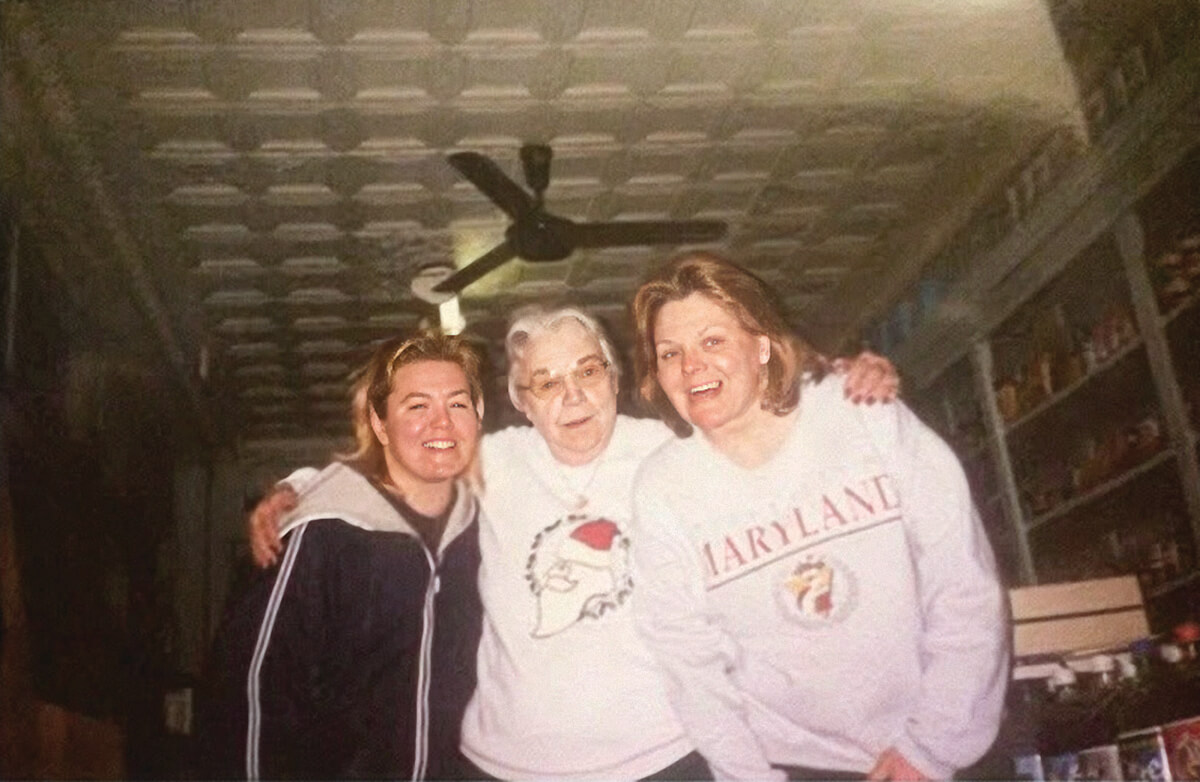
During the spring and summer, Stanton remembers their tremendous snowball business that would have people lining down the block—especially for her mom’s homemade egg custard. Stanton, her sister, and their parents lived behind and above both sides of the store.
“My mom treated my friends like her daughters. We used to love having sleepovers because we’d come down after the store closed, and my friends could have all the ice cream, chips, and soda they wanted,” she recalls. “We had pinball machines, so it was almost like we had our own arcade, too.”
Stanton still owns the original penny machine from 1912. Many corner stores had them, and some were called “Bullseye.” Kids would put a penny in the top, and it would move down a pegboard, much like the Plinko game on The Price Is Right. If it landed in the right space at the bottom, you won a five- or ten-cent piece of candy.
As Canton was revitalized, fewer customers frequented their store. They couldn’t make a living anymore and closed in 2004. “When the community found out we were closing, they were devastated,” says Stanton. “There aren’t any stores like ours in Canton anymore. That was a different time.”