Home & Living
Fourteen Plants That Are Really Hard to Kill
Sure things for gardeners who don’t have time to babysit their beds.
If you’ve always considered yourself the Grim Reaper of plants, we’ve got good news—you’re not alone. But the secret to having a plentiful backyard isn’t always being born with a green thumb. Instead, Carrie Engel, retail greenhouse manager at Valley View Farms, suggests adhering to the following formula: “Right plant, right place—and like what you’re doing.”
And Robert Jenkins, nursery manager at Herring Run Nursery, says a little maintenance can go a long way—prep the soil, add compost, and water regularly for the first few months. “Beyond that, you just sit there and watch Mother Nature do what Mother Nature is supposed to do,” he says. Engel also suggests simply walking around your yard. “The people who are successful, they’re the ones who go out in the morning with a cup of coffee and see what’s going on.”
Here are 14 plants that will be really hard for you to kill.
SPRING BLOSSOMS
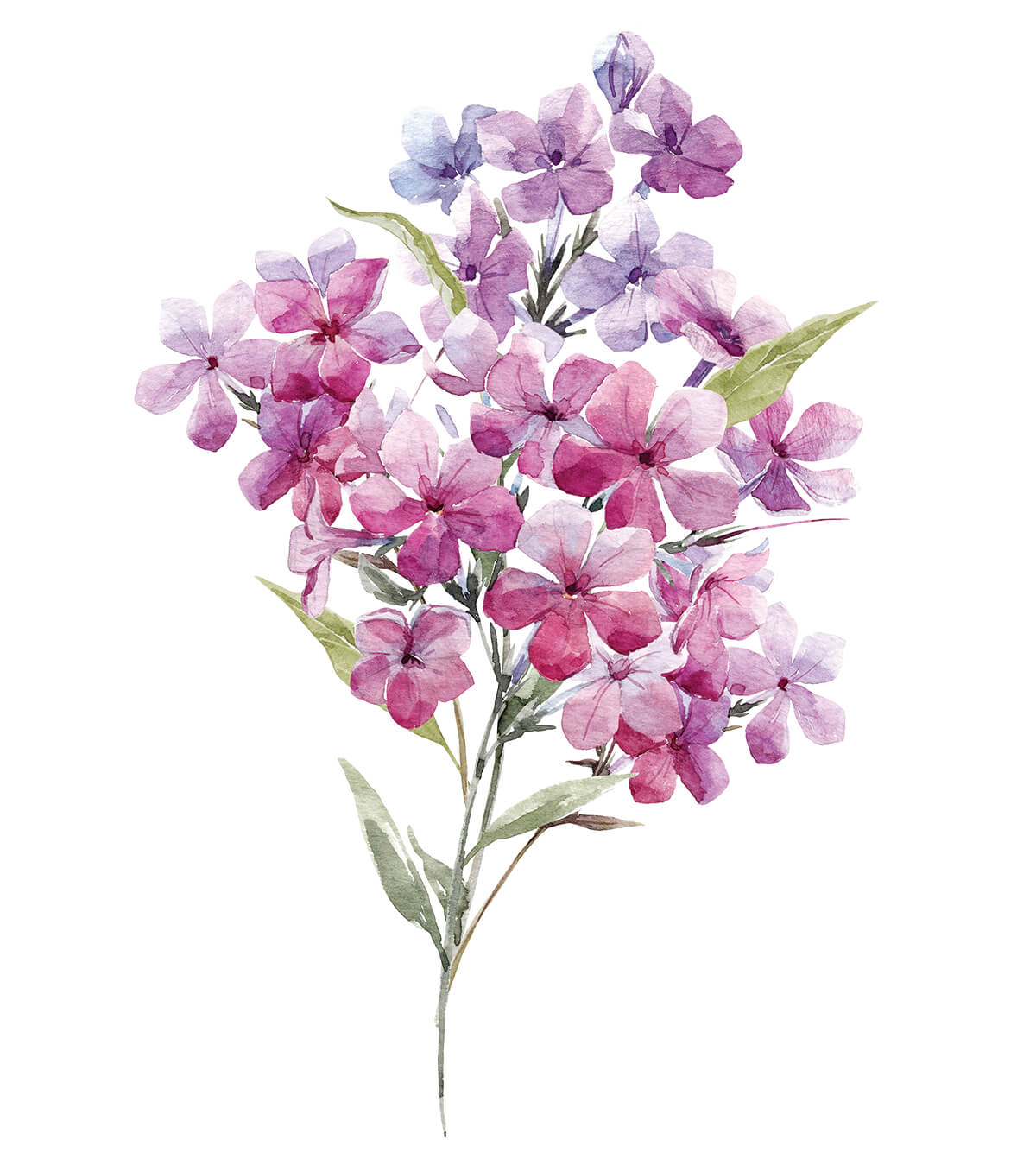
Woodland phlox: This is a native plant with fragrant, soft-colored petals. “I think it’s one of the most attractive spring-blooming shade plants there is,” Jenkins says. Once established, it becomes a low-maintenance perennial.
Moss phlox: A fun, tolerant, and straightforward bloom, moss phlox is available in many different colors. A low-growing groundcover, it will thrive in sunny spots and present semi-evergreen foliage throughout the season.
Virginia bluebells: While this early native bloomer is quick to come and go, its spectacular color has earned it the top spot among many experts, including Jenkins. Buds fill shady garden floors then gracefully disappear until next year.
SUMMER STARS
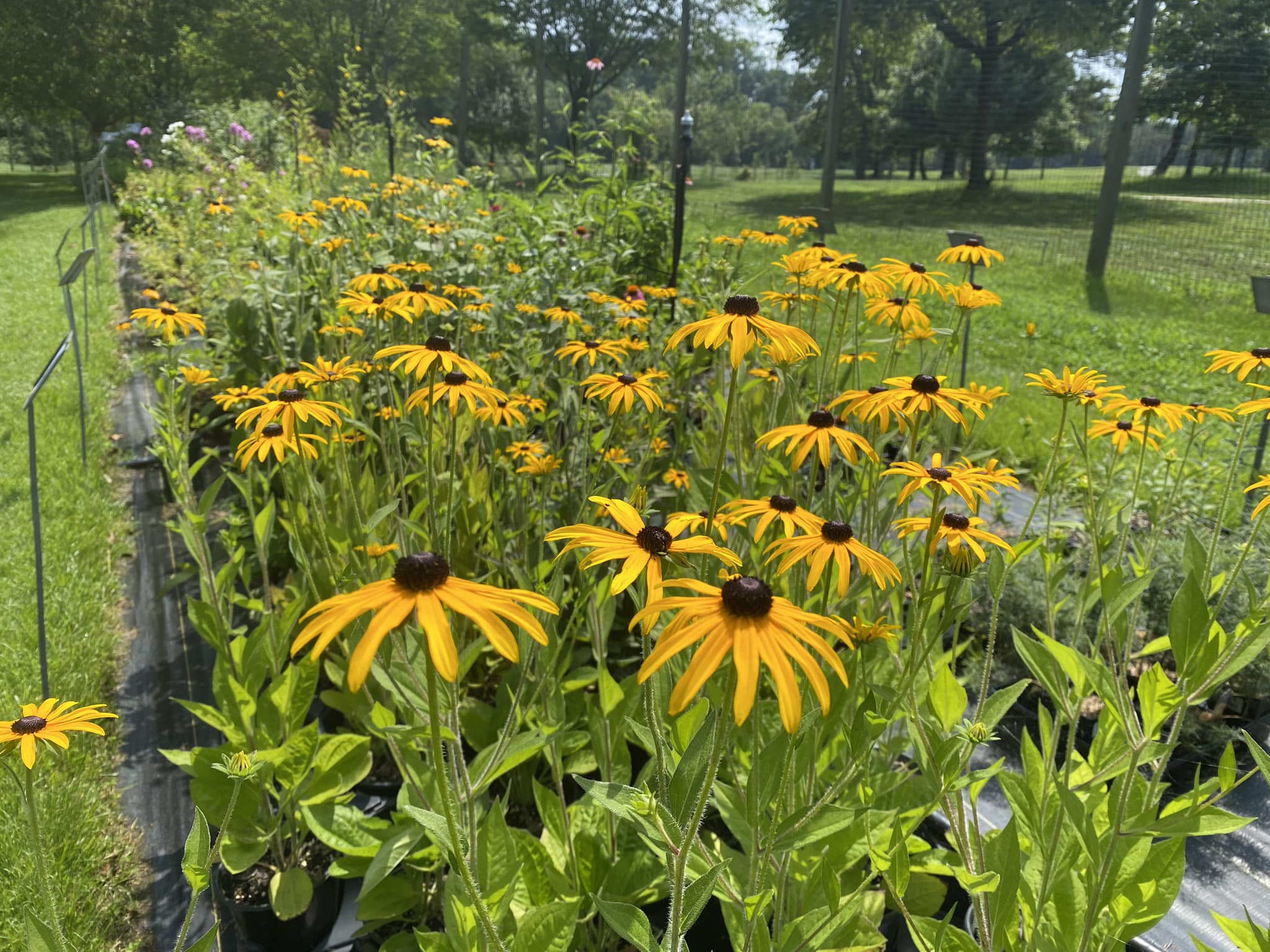
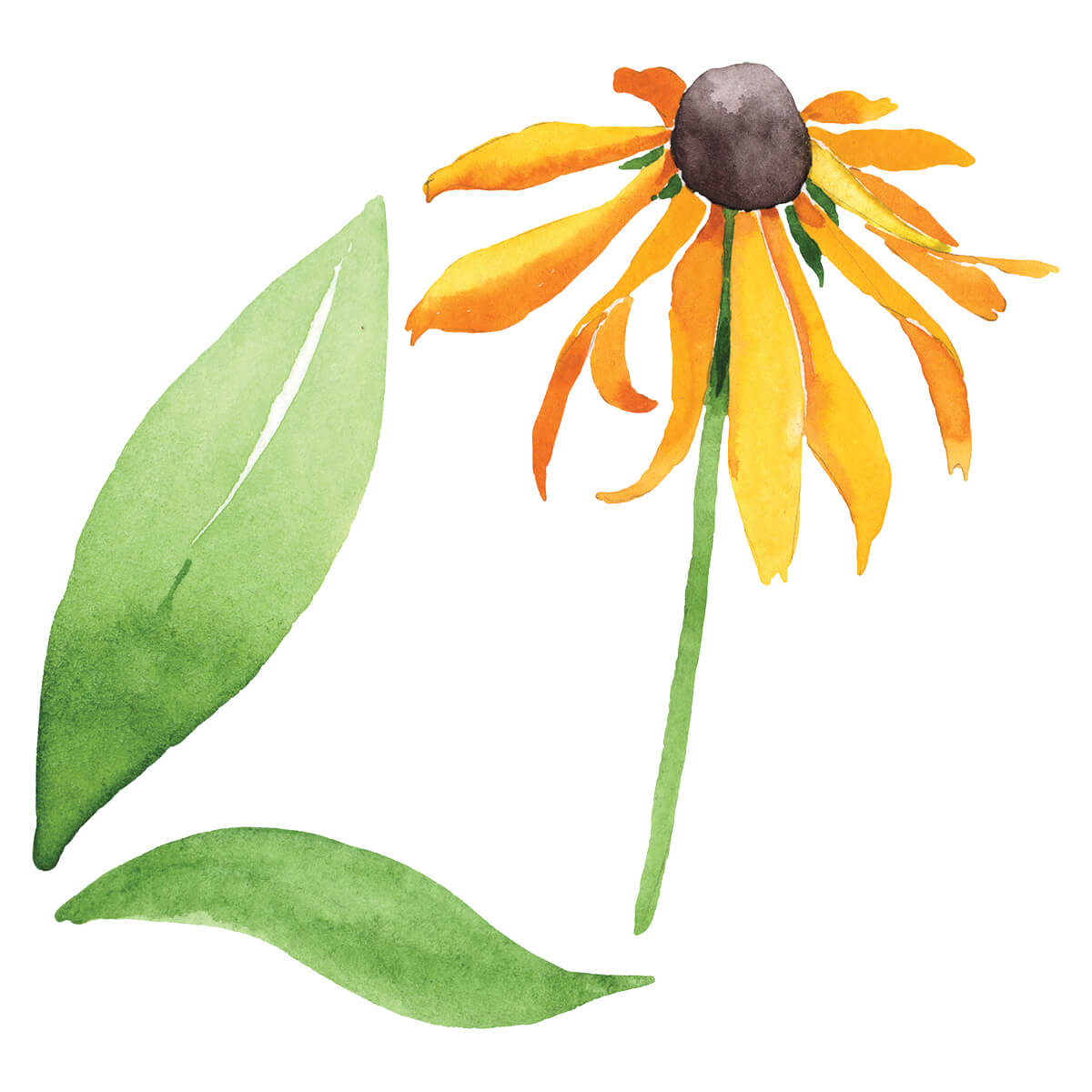
Black-eyed Susans: Maryland’s state flower is as tough as it is cheerful. Engel says it’s a “wonderful native [but] a later bloomer” that is drought-tolerant and pollinator-friendly.
Foamflower: If you’re searching for a native groundcover alternative to pachysandra—considered invasive by many—check out foamflower. Known for its white flowers, it makes for a great filler in shady woodland spaces.
Goldenrod: These bright yellow, deer-resistant native wildflowers are an underrated late-summer standout. Jenkins calls it, “One of the best plants to have in your garden” for fall pollinator support.
Mountain Mints: Plentiful but valuable, Jenkins says that “mountain mints are great for pollinator support in the summertime” and thrive in Maryland soil. Mountain mint smells more sharply than traditional mint and is usually grown to attract bees and butterflies.
RIPE VEGGIES
Green Beans: “Beans are very easy,” Engel says. Just be sure to harvest frequently to encourage more production. Planted from seed, expect to see direct results within a matter of weeks.
Radishes: “If you have kids who are wanting to get into gardening a little bit, plant a radish seed,” Engel says. In about 21 days, they should be ready to be pulled right out of the ground.
Kale & other cool-season greens: The base for many salads requires little preparation. Planting greens in the cooler weather will ensure a more reliable crop. “Don’t try to plant broccoli in the summertime,” Engel cautions.
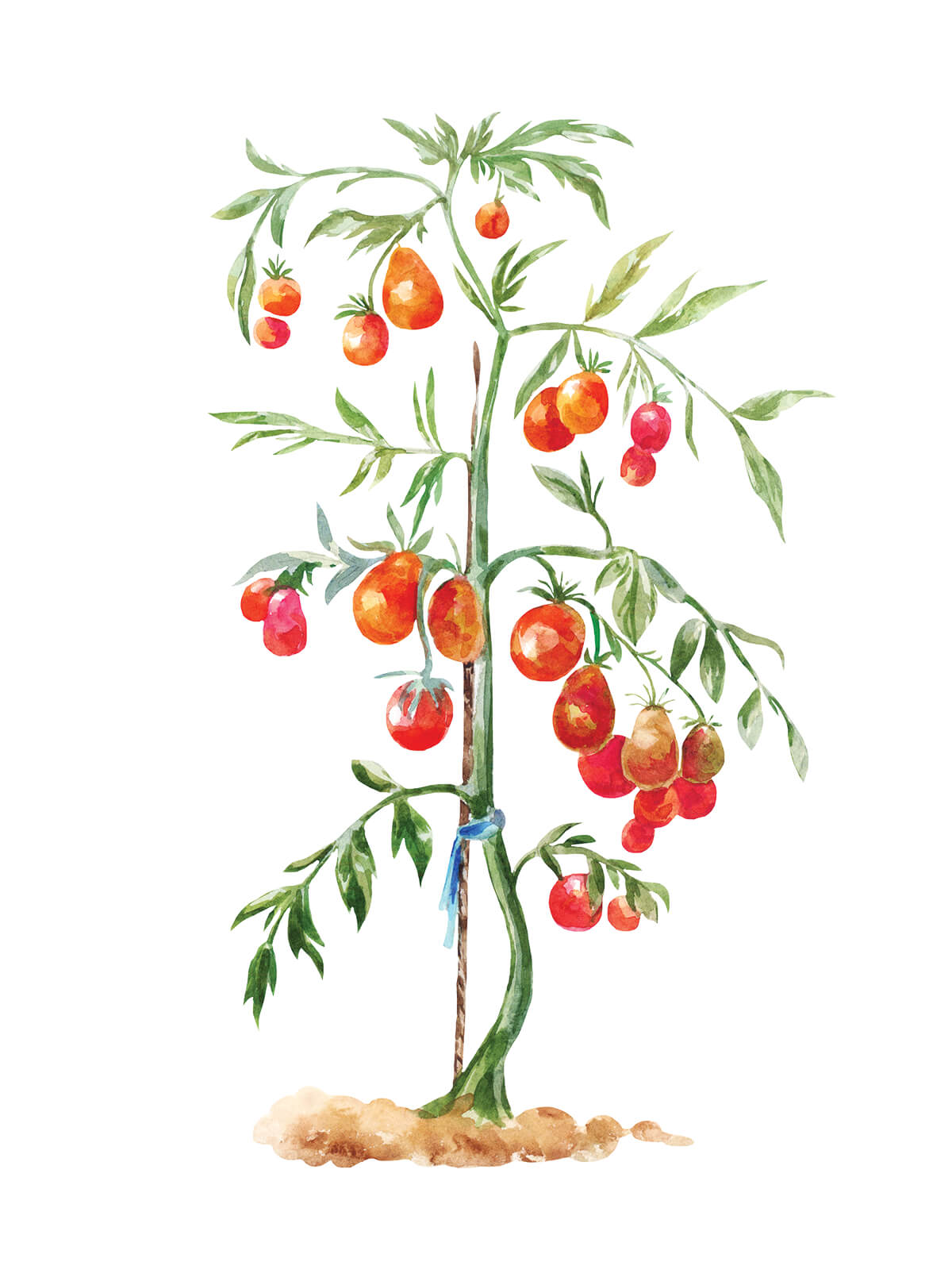
Bush (Determinate) Tomatoes: Engel recommends full-sun, compact bush tomatoes for beginners. They’re easier to manage than the towering alternatives and produce most of their tomatoes at once.
NON-NEEDY HERBS
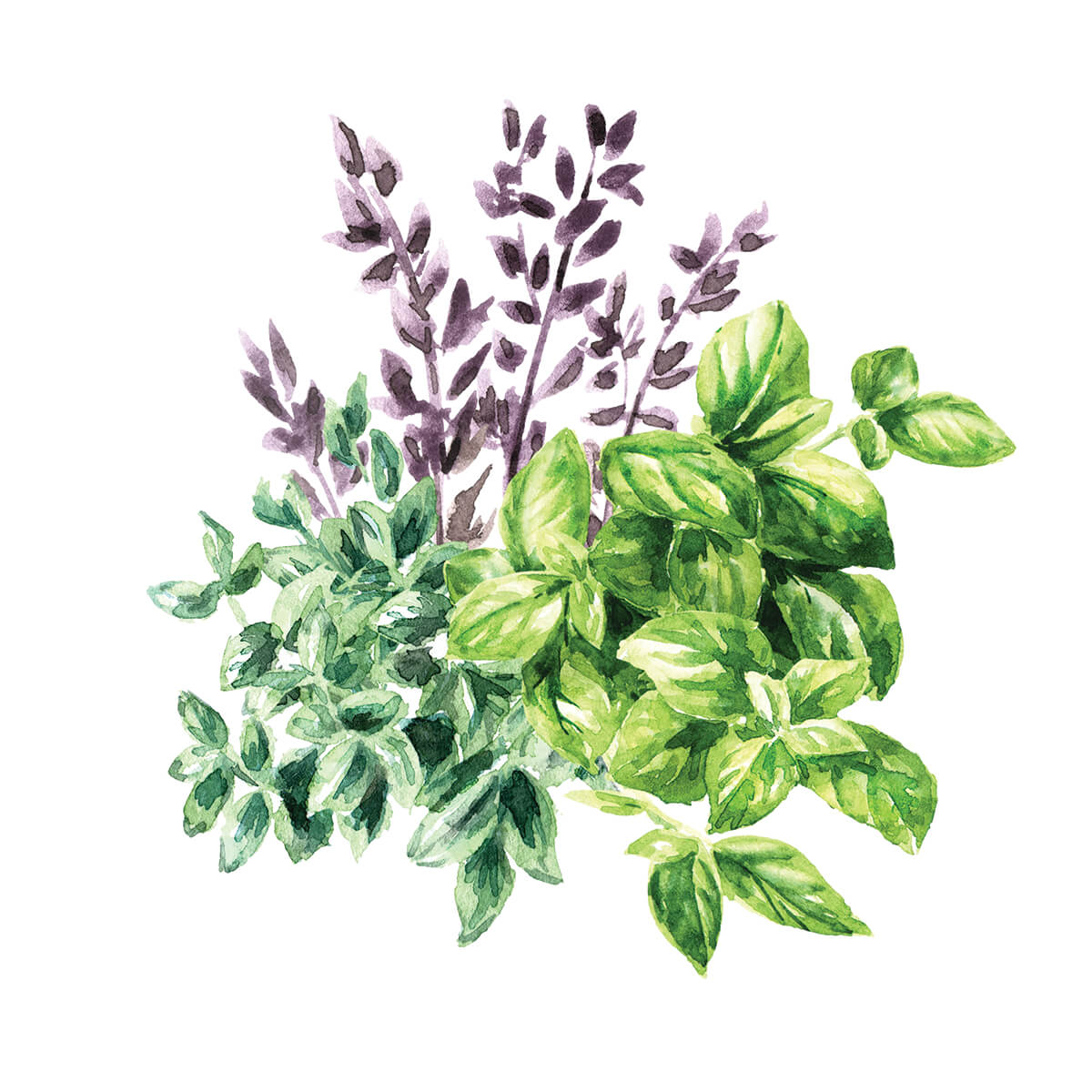
Oregano: Once established, oregano shrugs off high heat and inconsistent watering, making it ideal for beginners. As a bonus, you will have made the perfect addition to any pizza or pasta.
Lavender: A calming fragrance is just one of the countless benefits of planting lavender. In order to improve success, it requires plenty of drainage, a sunny spot, and minimal fertilizer.
Mint: Mint is one plant that is nearly indestructible. Plant in pots unless you’re prepared for it to spread—it’s perfect for patios.