Last week, as The Late Show officially wrapped its iconic run on CBS, we couldn’t help but think about Future Islands. How had it already been 12 years since the Baltimore indie rock band’s gliding, growling performance of “Seasons (Waiting On You)” on the show—then hosted not by Stephen Colbert, but David Letterman—sent them careening into the cultural spotlight? By that point, the band was already promoting its fourth album, Singles, and local audiences were familiar with the kinetic magic of vocalist Samuel T. Herring, William Cashion on bass, Gerrit Welmers on keys, and, since 2014, Mike Lowry on drums.
This year marks the 20th anniversary of Future Islands, and in celebration, they’ve released a compilation album, From a Hole in the Floor to a Fountain of Youth, out now as a double LP via 4AD. Featuring artwork by local designer Noren Strals, the album highlights, not their greatest hits, but 20 songs from over the years that never quite made the final cut. They’ve also been on a mini tour of their home state, North Carolina, where the East Carolina University students initially united in Greenville in the early 2000s. That’s where they first met electronic artist Dan Deacon, setting in motion their eventual move north in 2008.
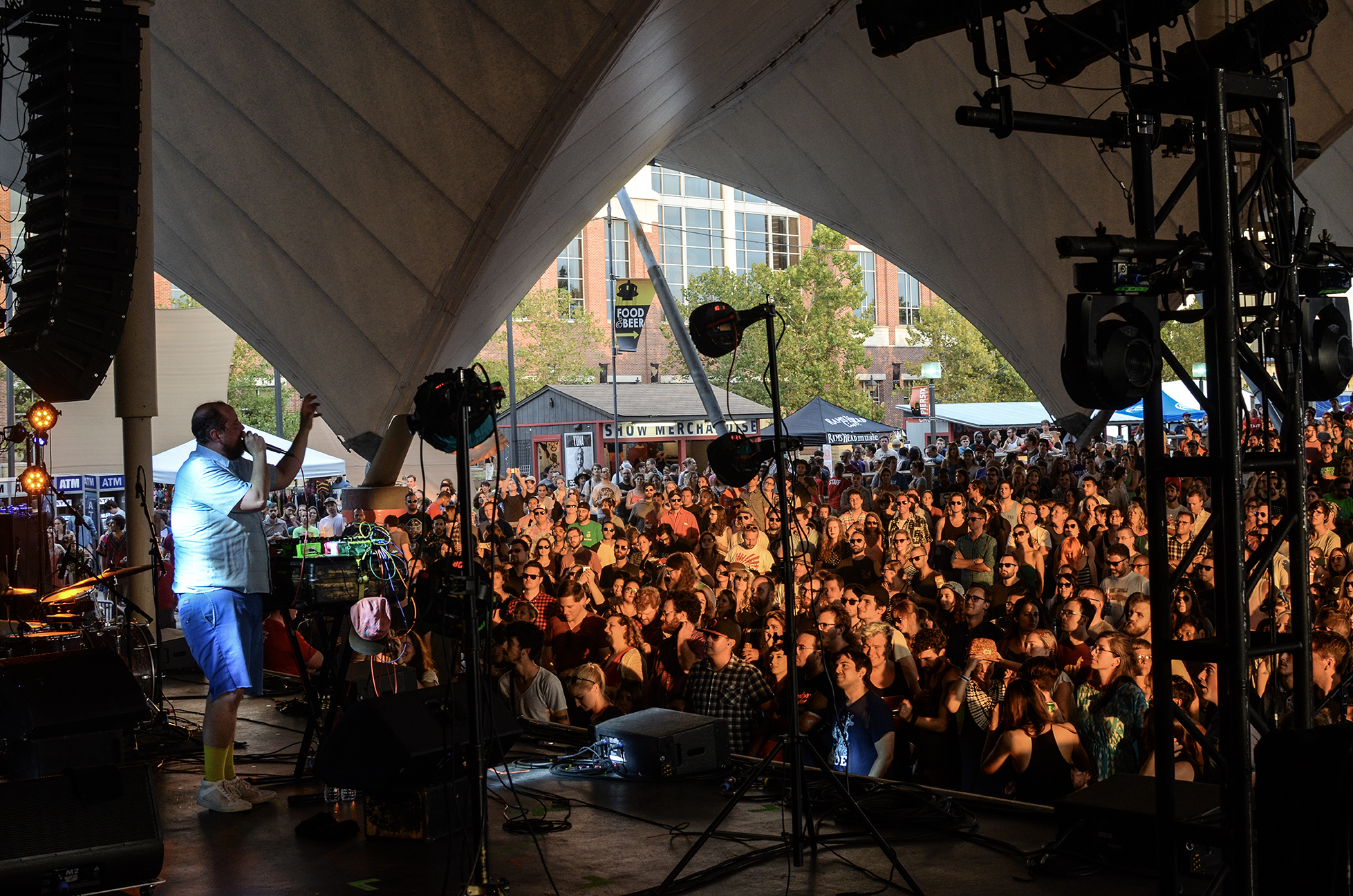
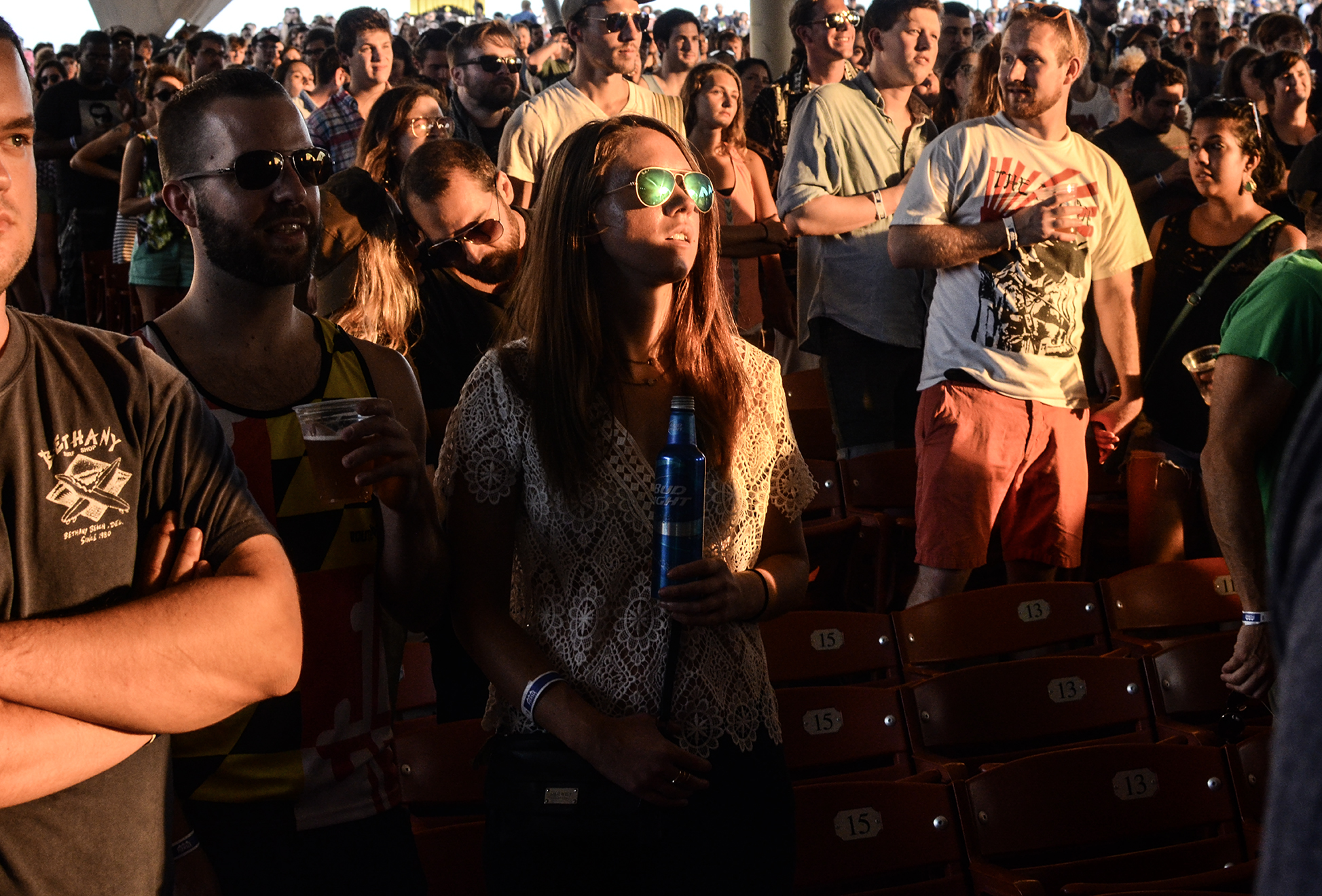
Fittingly, they’ll be wrapping that southern run in Baltimore, with an outdoor show along the Inner Harbor at Pier Six Pavilion this Thursday, May 28 at 7 p.m. Like the iconic Windjammer concert a decade earlier, this lineup—presented by Unregistered Nurse Booking—will include other local bands that were part of Future Islands’ early heyday, including Deacon and Ed Schrader’s Music Beat.
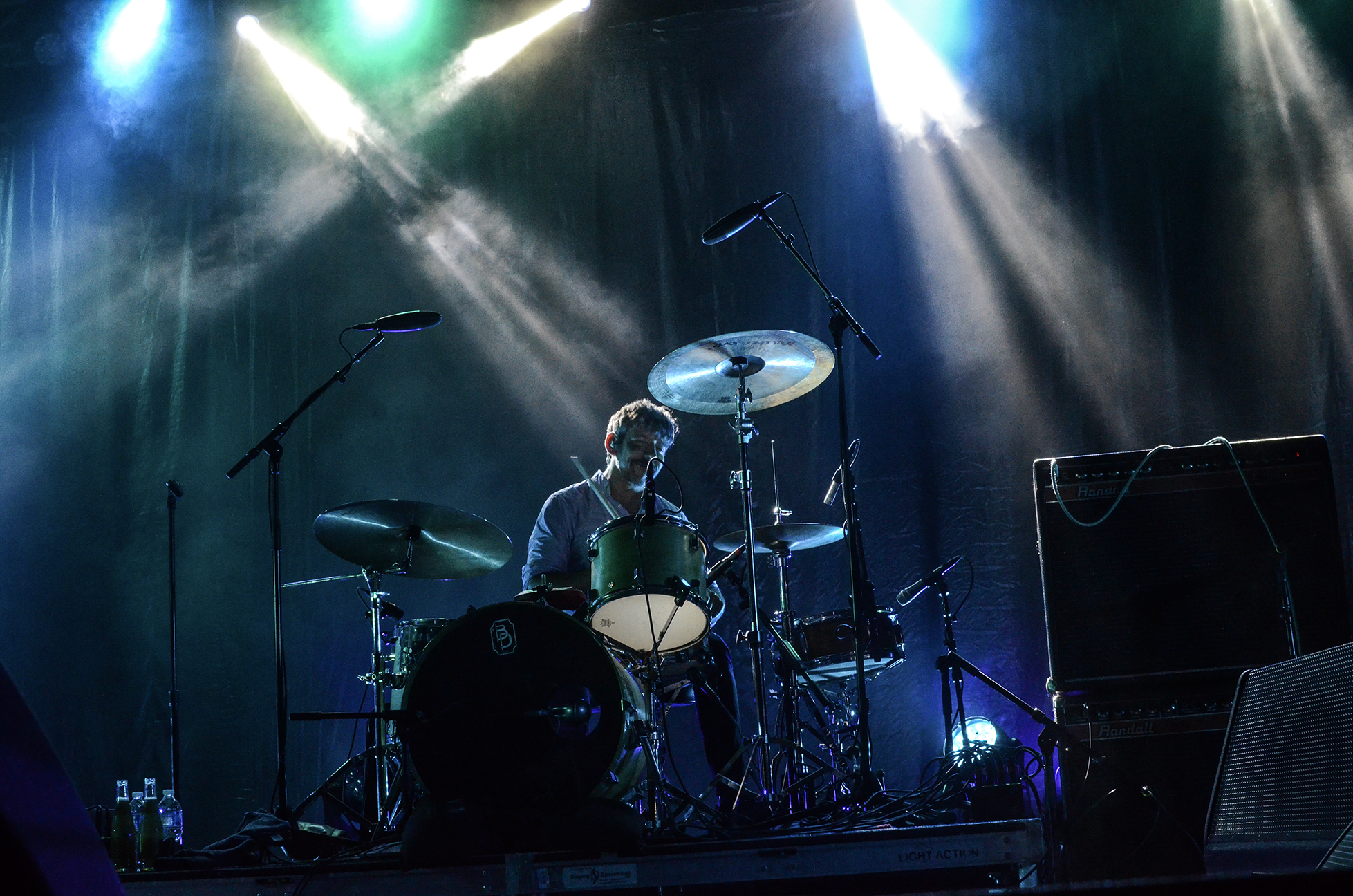
We recently caught up with the band, minus Herring, about the new album and their early days in Baltimore.
Tell us the backstory of this album’s title, From a Hole in the Floor to a Fountain of Youth.
William Cashion: It’s a lyric from “Pinnochio.” That was one of the first songs we wrote once we made the move up to Baltimore. I’ve always just loved that line, and when we were bouncing around ideas for this upcoming release, that one felt like it fit. We like the poetry of it.
How did you guys ultimately choose which tracks to include?
WC: We put together a big playlist of songs that had [only] been released on seven inches or were Japanese bonus tracks over the years. In recent years, we’ve done a couple VIP-only seven inches with songs that were only available on those. We have a lot of songs that are really rough recordings, but we wanted these to [have good fidelity and] be studio-quality recordings.
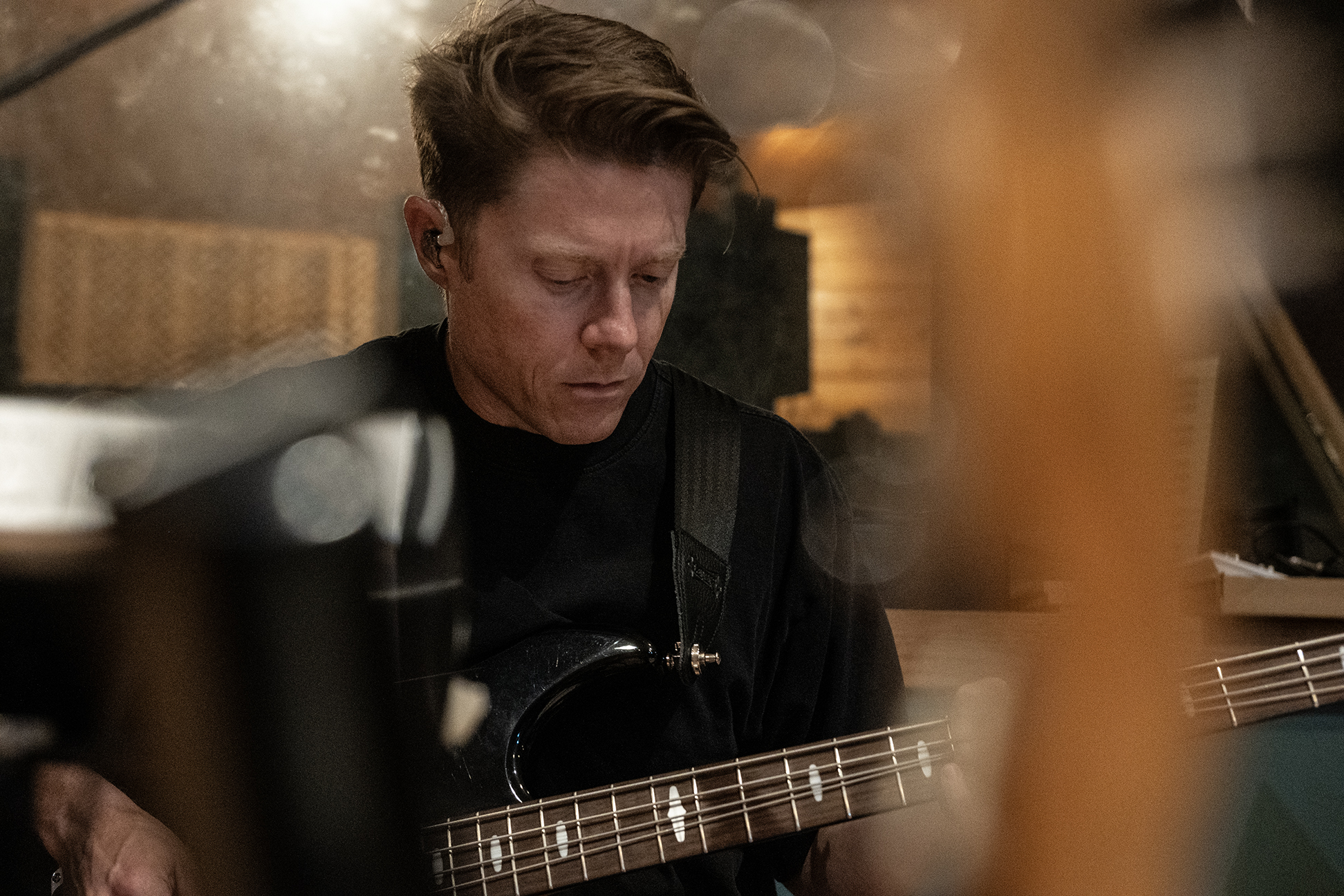
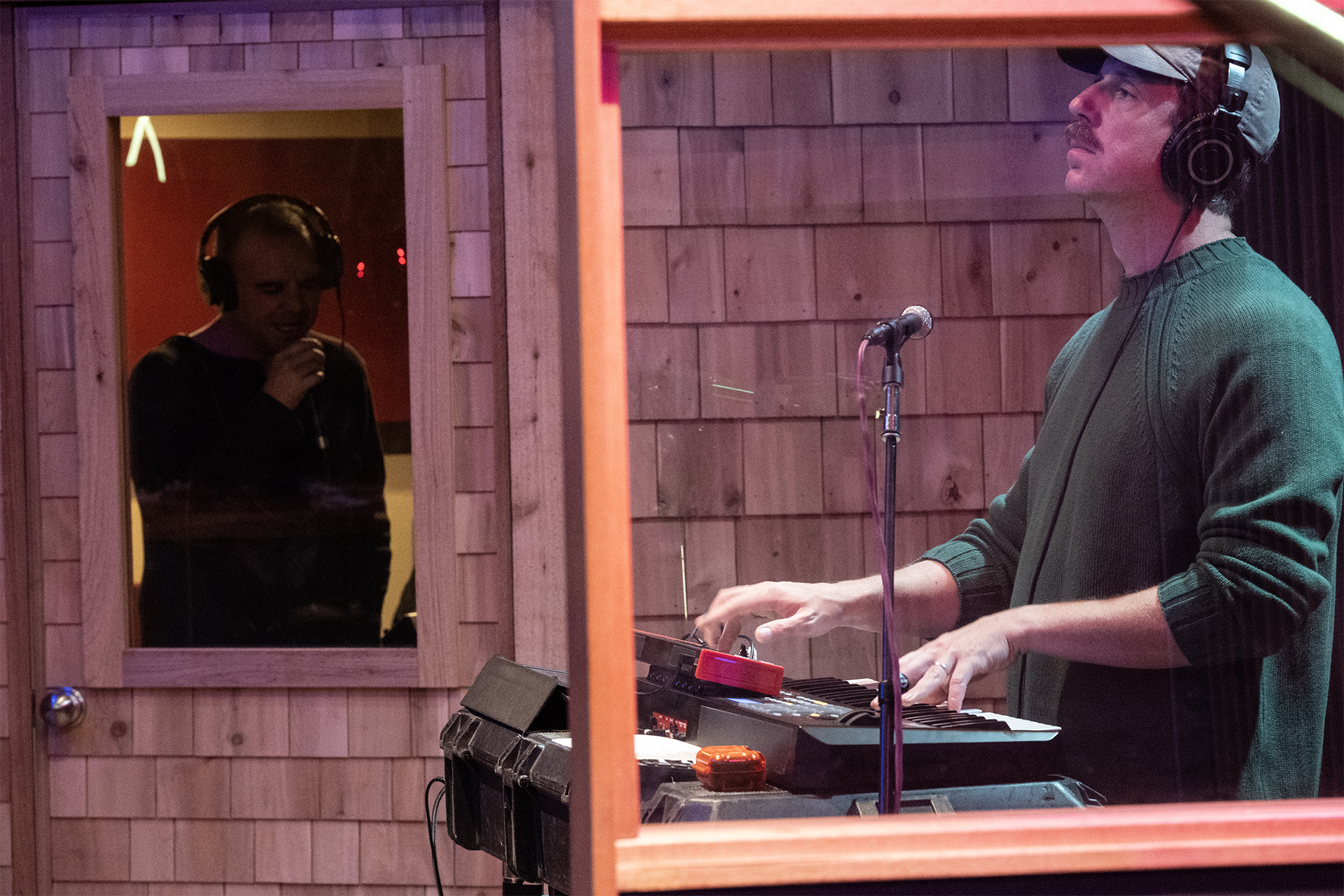
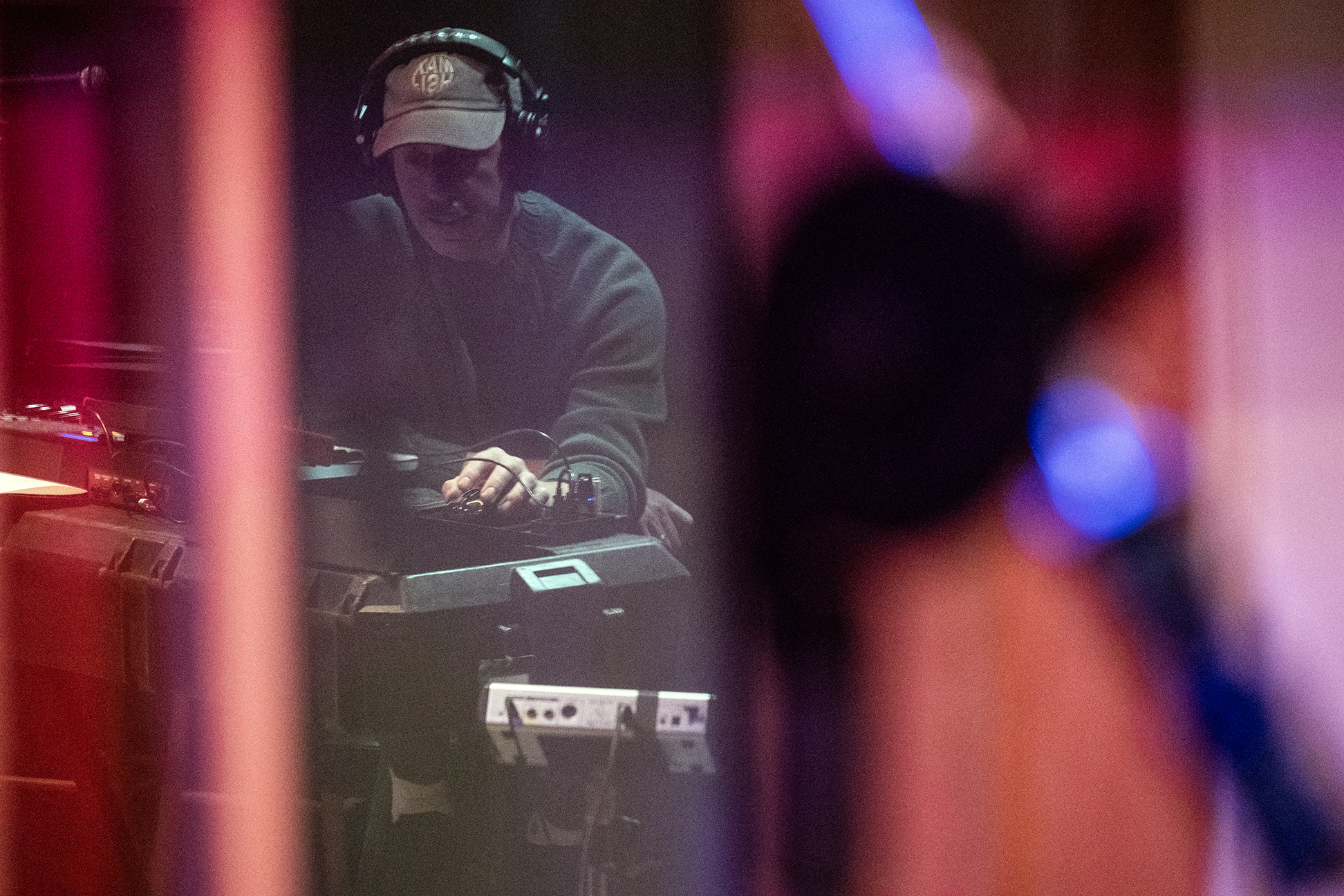
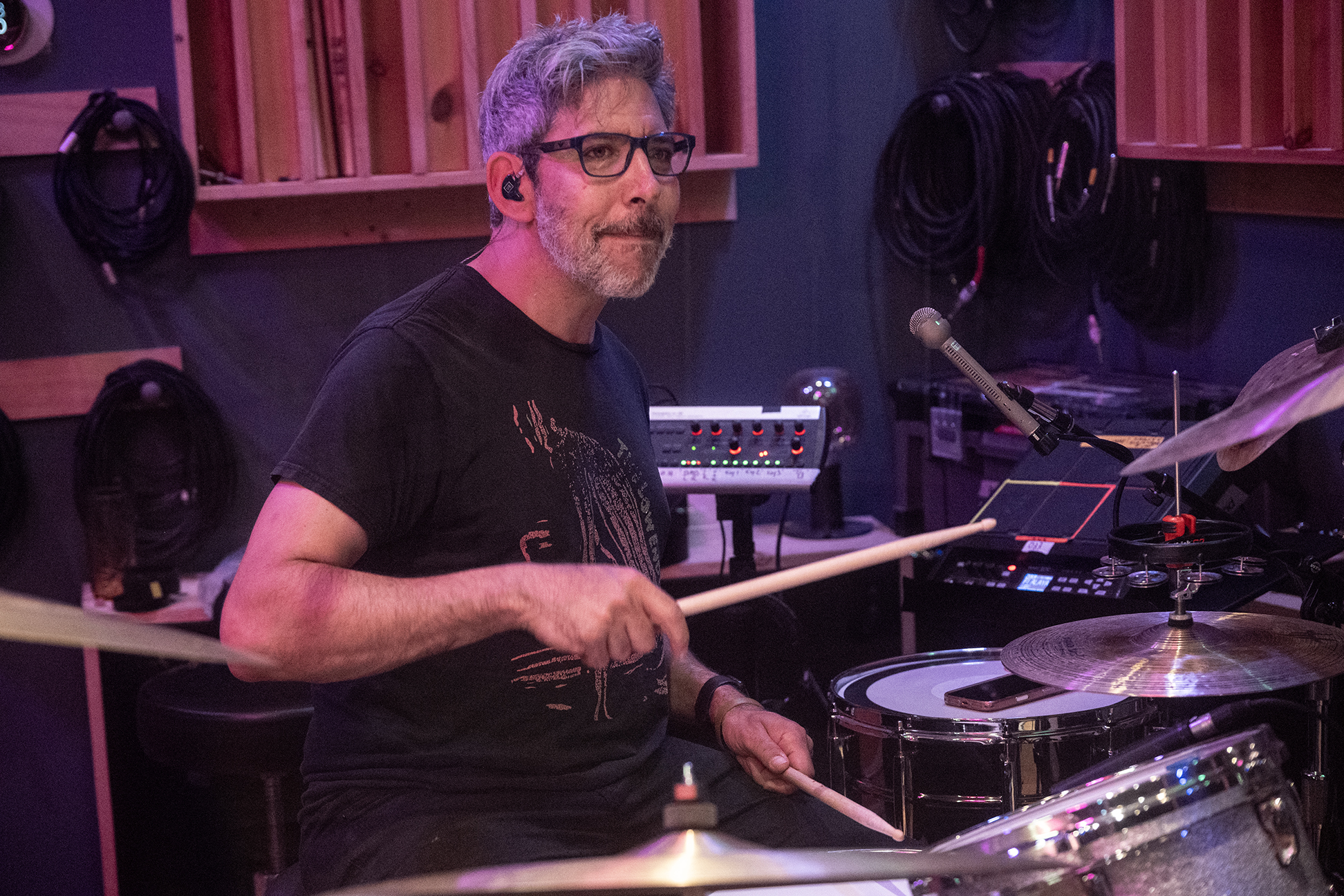
Do you have any favorites?
WC: For me, the first LP, side A and B, those are all really old songs, and I really remember that time. There was a period between 2009 and 2012, we were touring a ton, but even in between tours, we were writing a lot and finding time to get in the studio to record songs, and there’s a lot of that energy captured on those songs. I’ve always loved “Pinocchio,” but “The Ink Well” is a special song, it doesn’t really sound like anything else that we’ve done. I was also surprised at the strength of “Find Love.” That song is really catchy, and for whatever reason, it didn’t fit on On the Water (2011). I’m glad it’s getting out there.
Mike Lowry: For me, “Find Love,” “Cotton Flower,” “The Ink Well.” Those were all songs that were before my time in the band and I hadn’t heard them. We played a couple since I joined, like “The Fountain.” But it was exciting for me to hear those songs and how they were done and then try to figure out what I could bring to them.
Gerrit Welmers: There’s a song that I’ve been digging called “Six Weeks,” which we wrote originally for The Far Field (2017). We played it a certain way leading up to the record, and I just didn’t really love it. So at the very last minute, I wrote all these extra parts. For whatever reason, it didn’t make the record. …[But] going back and relearning these songs for this tour, it’s a really strong song, and it’s fun to play.
It must be surreal to sift back through all your work and reflect on this time. Twenty years is no small feat as a band. In what ways did Baltimore inform the band back then that still show up in your music or practice today?
WC: This is making me think about this one time we were on tour with Dan Deacon [in Baltimore], in the early days. I was asking him about the performance, I can’t remember if it was gear-related or about where we should set up, and I remember he was just like, ‘You can do whatever you want to do…’
That was really profound to me at that time. That was the ethos of the Baltimore scene when we moved [here]. For every single band at that time, there was this whole mindset, like, there’s no rule book, we’re going to do it how we want to do it, it’s going to be weird, it’s going to be DIY. And that attitude really shifted how we approached performance, how we approached recording. Our first three albums were made with a portable studio and a computer in different houses. We mostly recorded our second album In Evening Air in a row home in Marble Hill with our good friend Chester.
There was just an electricity in the air in Baltimore when we were first coming—around in 2006, 2007. It was really exciting, and we wanted to be a part of that scene. That’s what attracted us up to Baltimore, and then also rent was really cheap, so we could afford to tour all the time and be artists. Baltimore really allowed us to do that. We could play places in D.C. and Philly and New York way more often than we ever could in North Carolina. We played New York 22 times the first year that we lived [here]. I remember I used to work at an art store in town, and Sam and Garrett would pick me up when I got off work, we’d drive to New York, play a show, then drive back to Baltimore so I could be at work the next morning.
We did stuff like that. We didn’t even think twice about it. We just packed our bags and went. And everyone was doing it. Everyone was showing us that you can just do it. You can just book a tour and get out there and it can be a sustainable lifestyle, which we really loved. We loved the idea of putting off getting a real job as long as we could.
To accompany this album, you’re doing a mini tour of North Carolina. Why did you decide to wrap the show in Baltimore? Why Pier Six?
WC: We talked about a million ideas of what the show could be and Pier Six is where we landed. Logistically, it just made the most sense. We really had a good time when we played there for Windjammer a couple years back. And it’s beautiful, right there on the water.
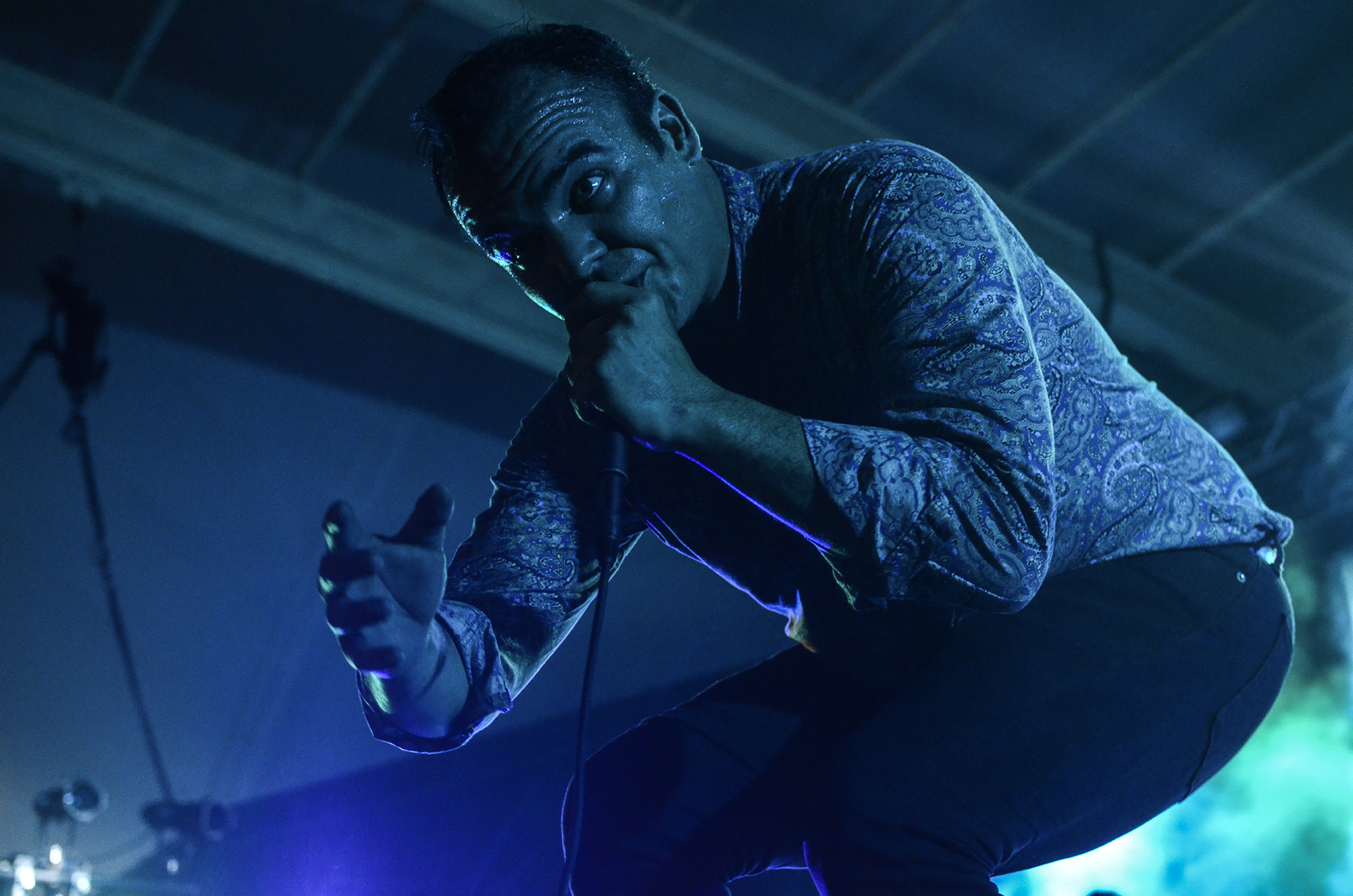
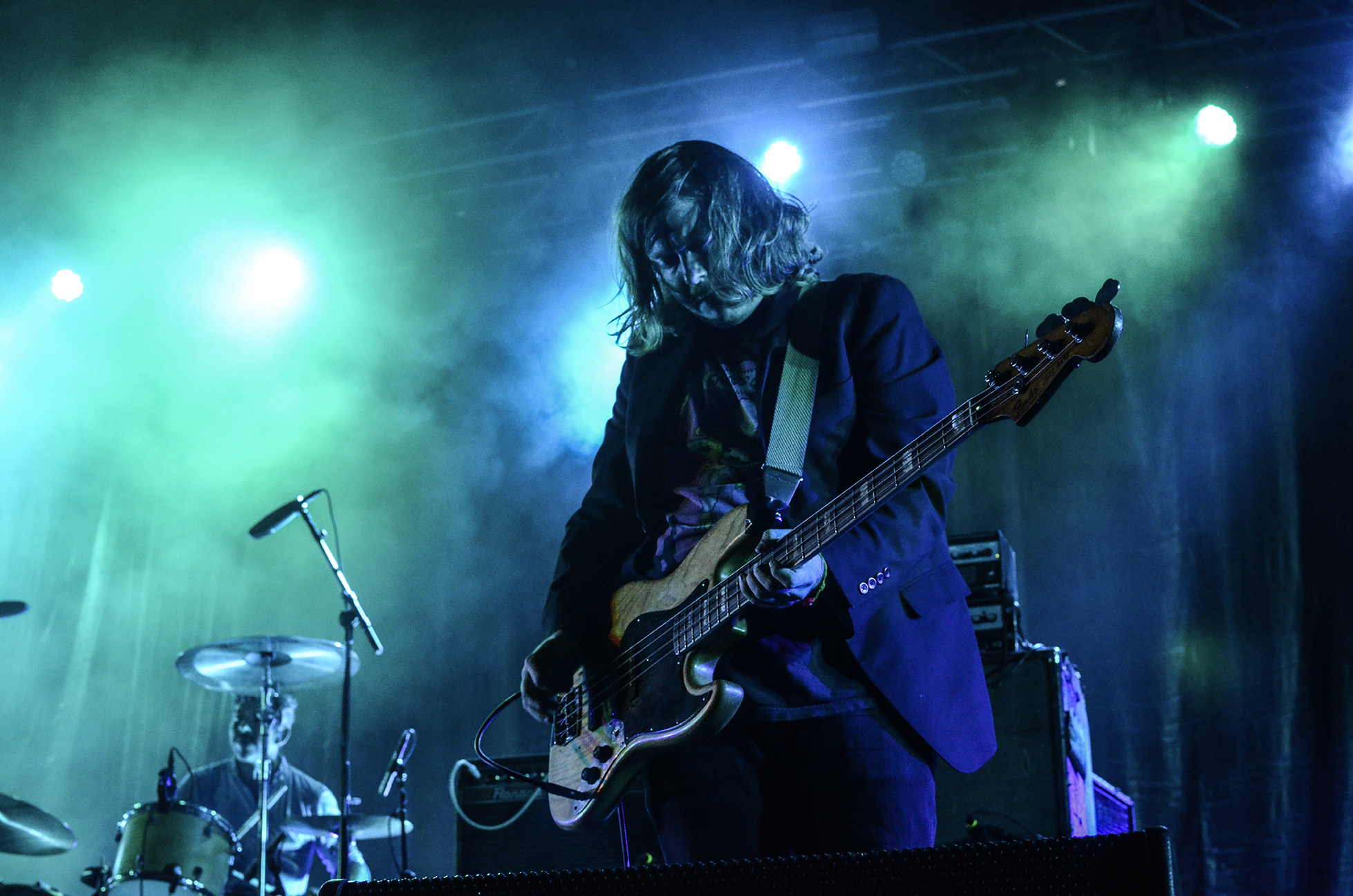
ML: It definitely feels like a homecoming of sorts. We’re all really leaning into that idea. We’re all kind of spread out all over the place now, but it’s still a place we love and really want to show our appreciation for.
GW: It’s also a homecoming [show], because Sam, William, Dan, Ed, and Devlin [Rice of Ed Schraeder’s Music Beat]—we all used to live together in Baltimore, which is probably the reason that we were able to tour so much, because we fit so many people into one house and had such small rents. We were touring all at the same time, but we were able to leave and know people would still be there to make sure the cats were fed or whatever. I’m excited to get back. It’s been too long.
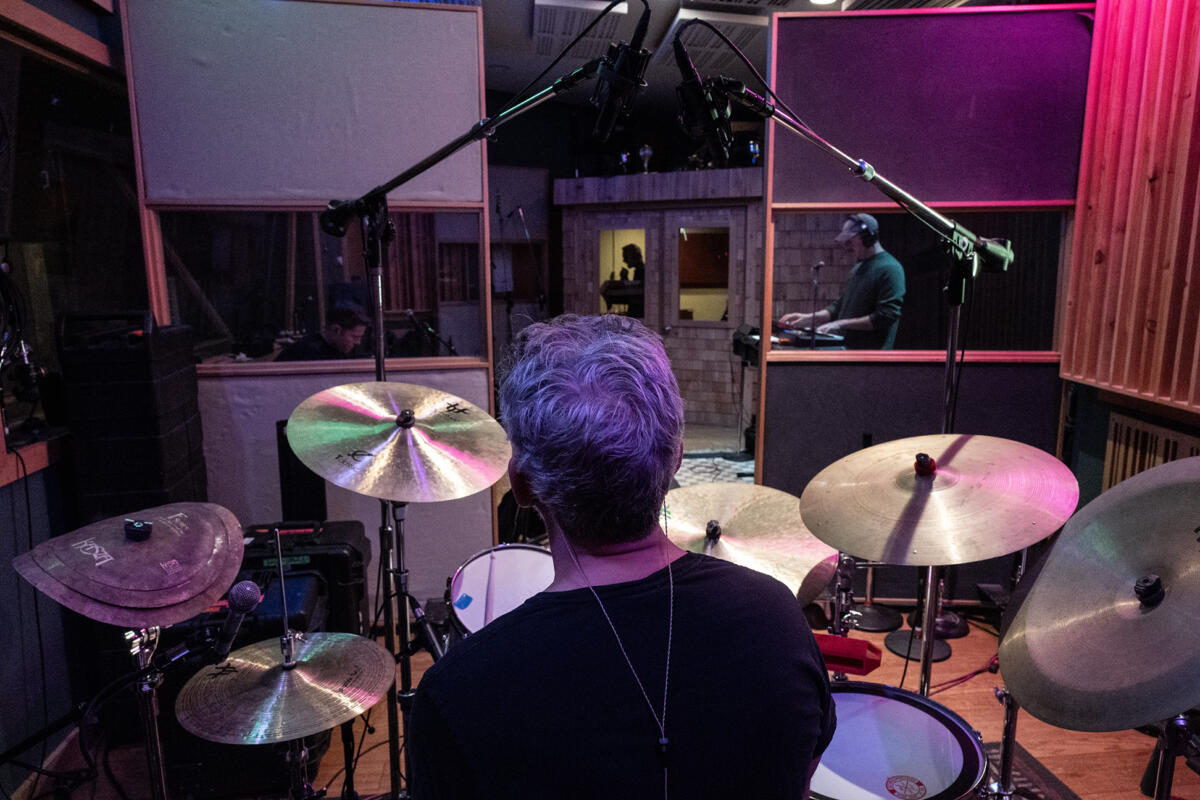
You were recently home rehearsing at Wright Way Studios. Are you also working on new music?
WC: We recorded our last two albums at Wright Way Studios, and over the years, that’s been our spot for when we need to rehearse. Because we don’t have a practice space in Baltimore anymore, that’s become our Baltimore home for the band—our hub.
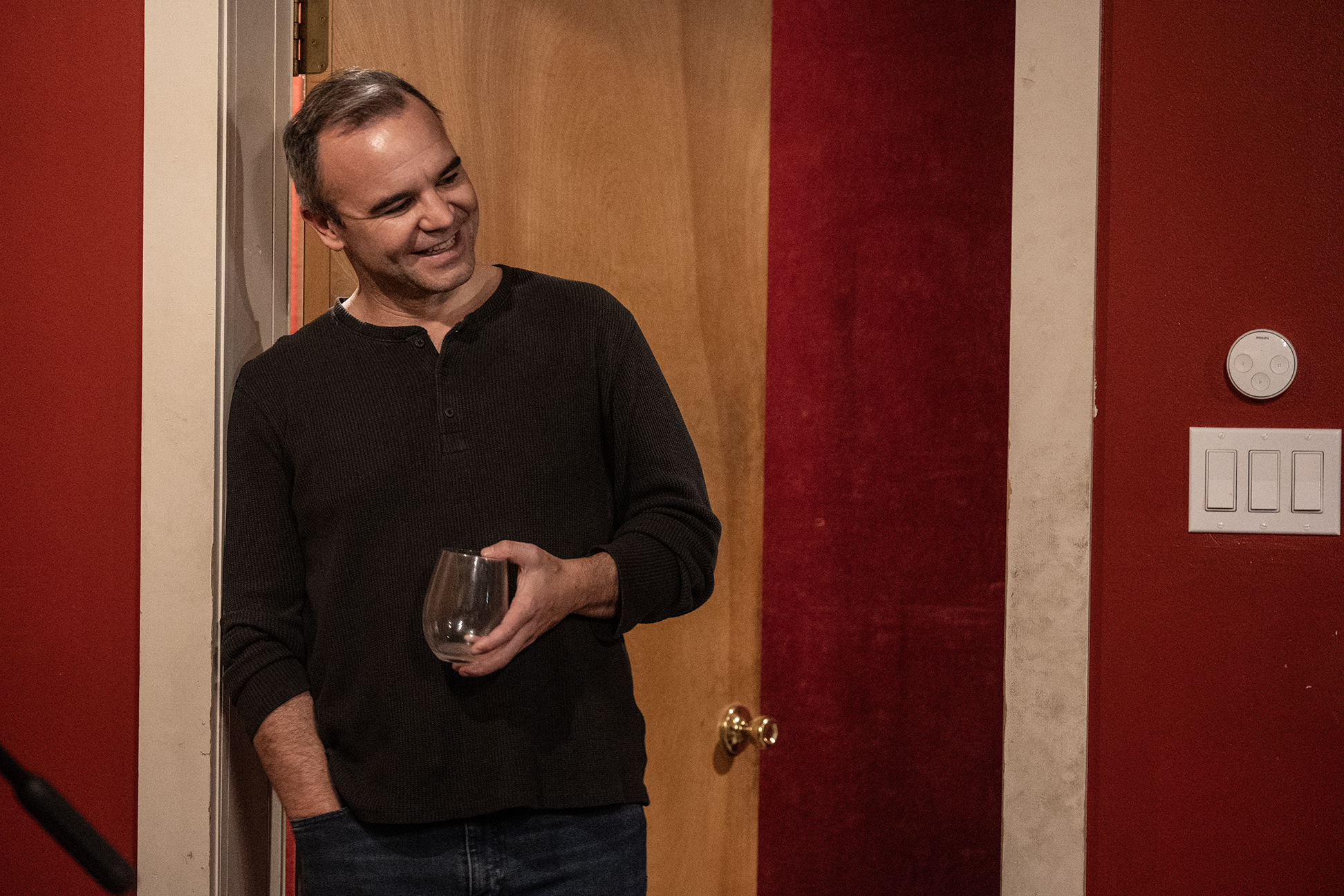
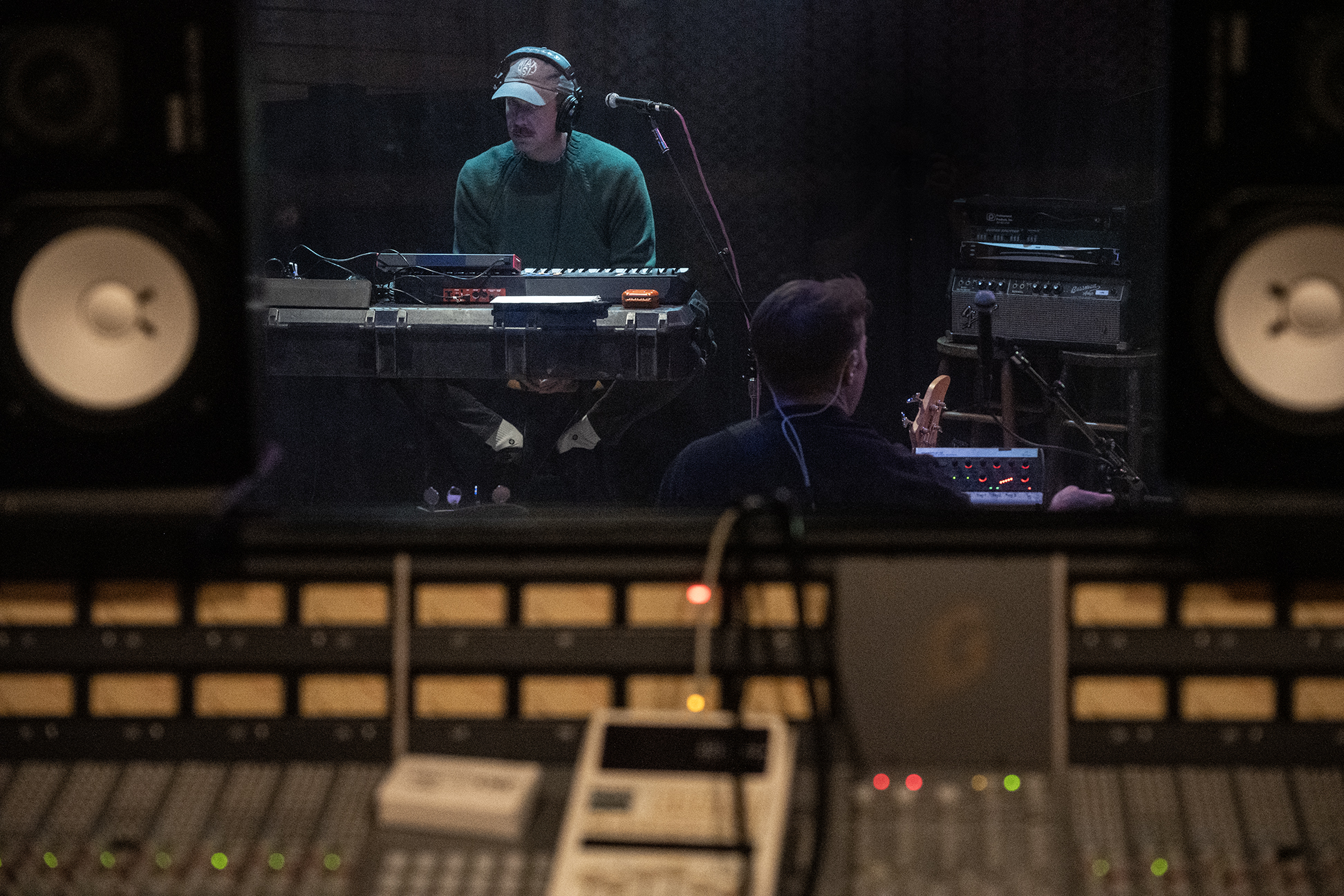
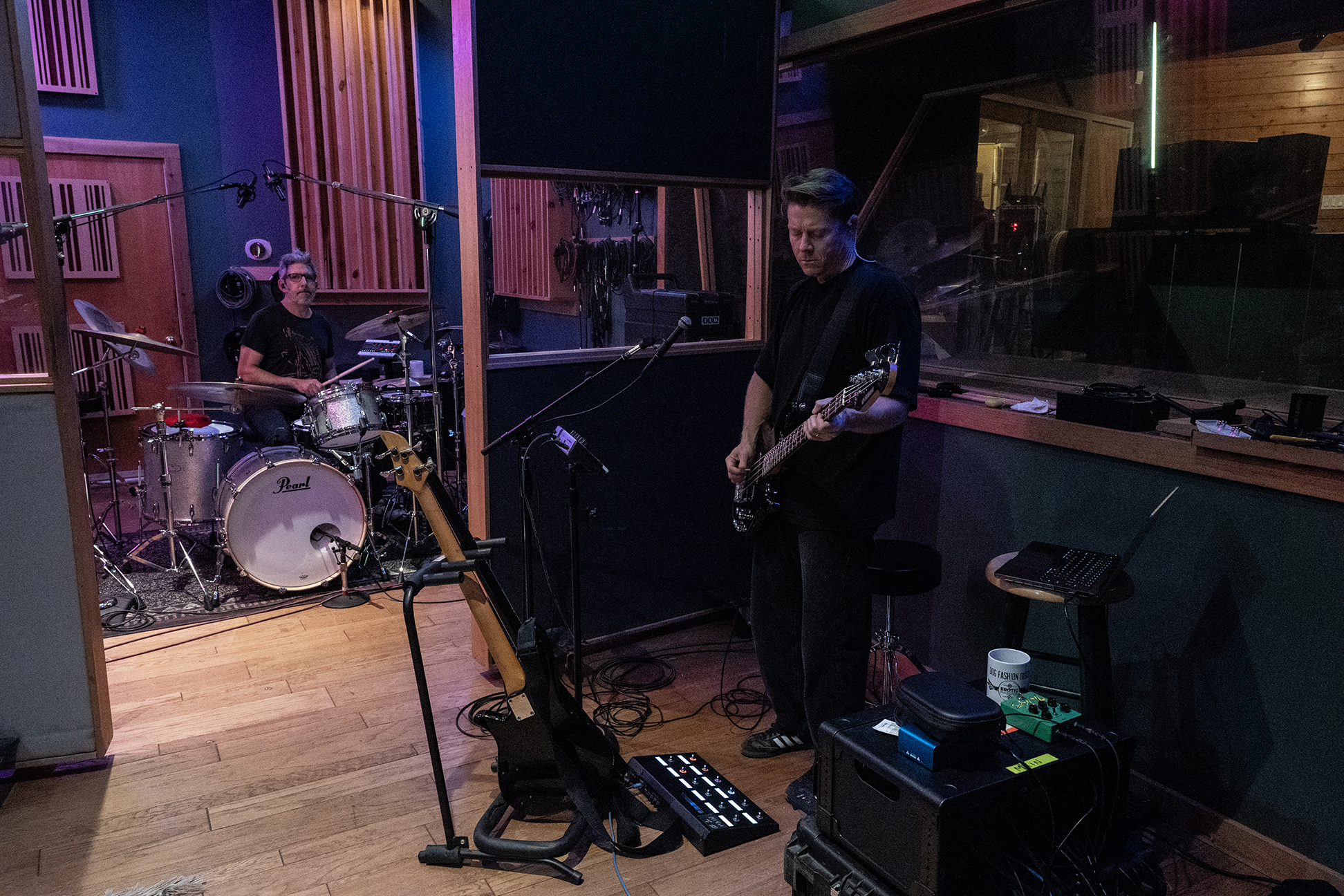
WC: We have been writing a ton of new material. We have more than an album’s worth of new tunes, and we’re just trying to figure out where and when we’re going to record it. We’re thinking hopefully later this year. We’re really excited about it.