News & Community
Tola’s Room Pays Homage to Baltimore’s Puerto Rican Story
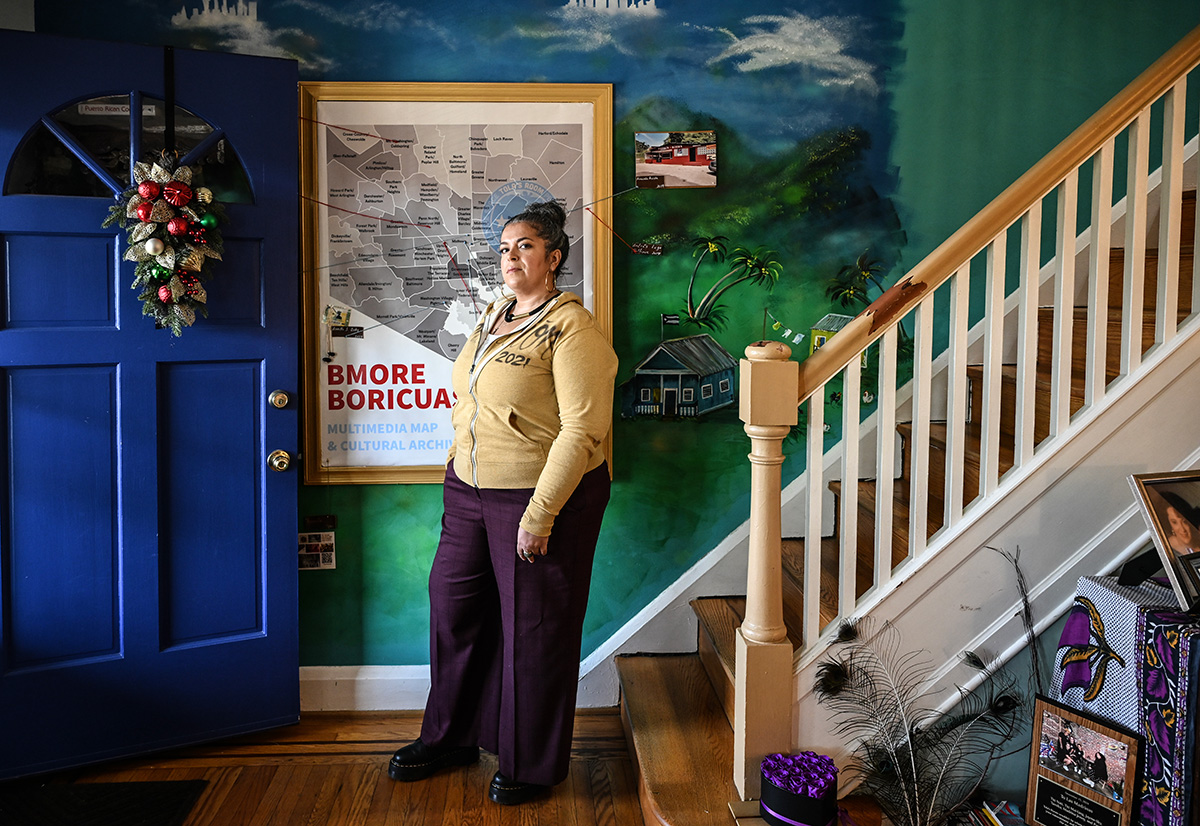
On most Sundays, Christina Delgado’s home museum in Belair-Edison is open for guided tours. But this Super Bowl Sunday, she’ll co-host a half-time watch party dedicated to the island’s cultural icon, Bad Bunny, at Baltimore Soundstage.
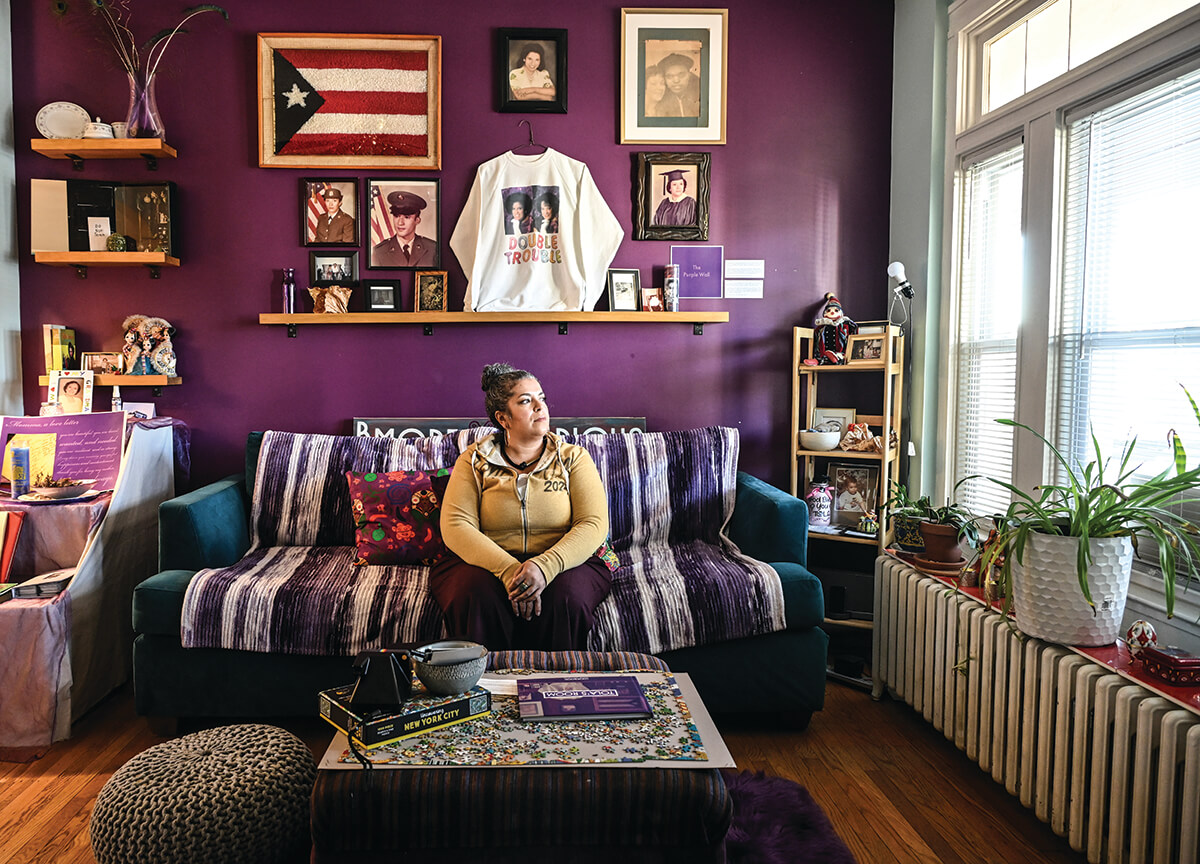
“Both of my parents were eclectic music lovers, but my father really loved all kinds of music, from boleros to all the famous salseros—Willie Colón, Héctor Lavoe, El Gran Combo—to Michael Jackson, Rick Astley, and Hall and Oates,” says Christina Delgado, the founder of Tola’s Room, the northeastern Baltimore rowhouse museum dedicated to her Puerto Rican heritage.
“My dad was born in New York in 1954 to Puerto Rican-native parents and he came of age in the 1970s when salsa became a thing. Music has always been a connective thing in our family and to our heritage, like food, like language,” she continues. “When he died, he had all this stuff, including his vinyl records, which meant so much to him and so to me, too. But dealing with the trauma, I paid for an additional year of storage until I could handle going through it.”
In the years following her father’s 2013 death, Delgado began creating Tola’s Room as an art therapy project out of her Belair-Edison home. Named for her now-14-year-old daughter, the three-story space pays homage to their shared Puerto Rican and Nuyorican roots through family photographs and artifacts—including her father’s record collection—plus exhibitions, workshops, and collaborations that foster connection and understanding of the Puerto Rican diaspora.
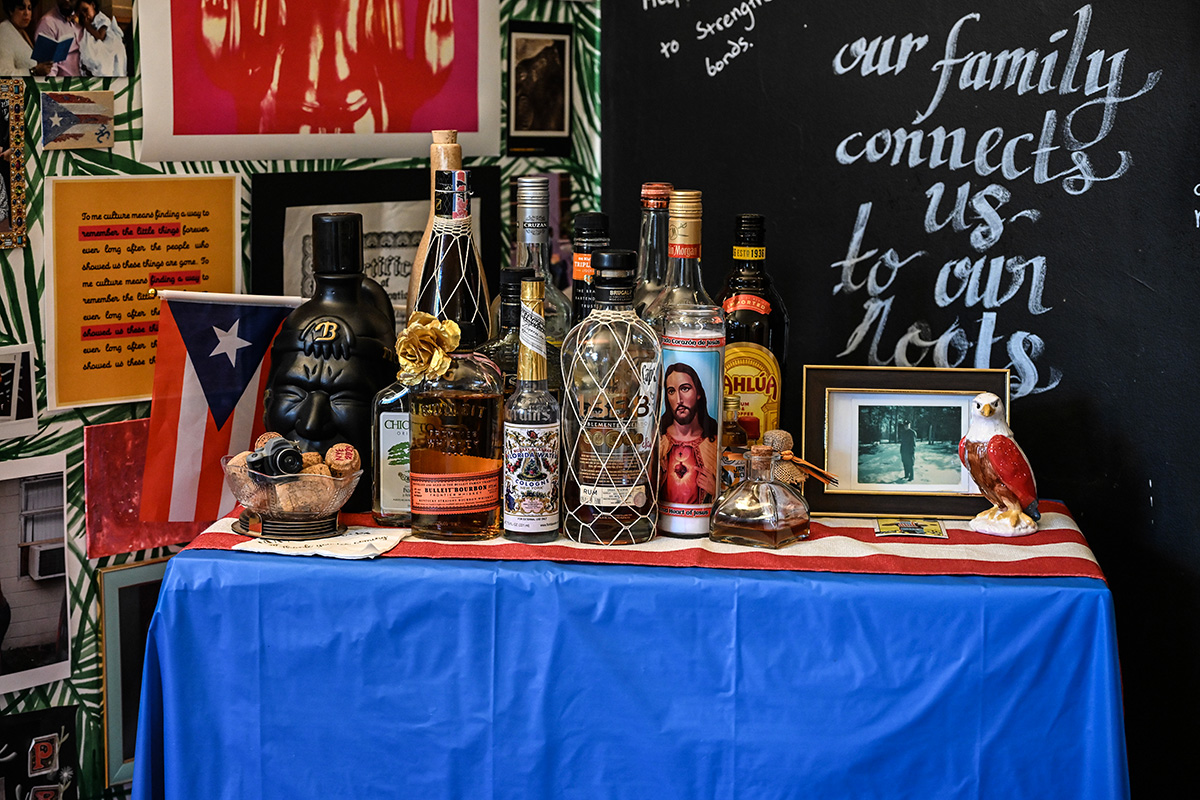
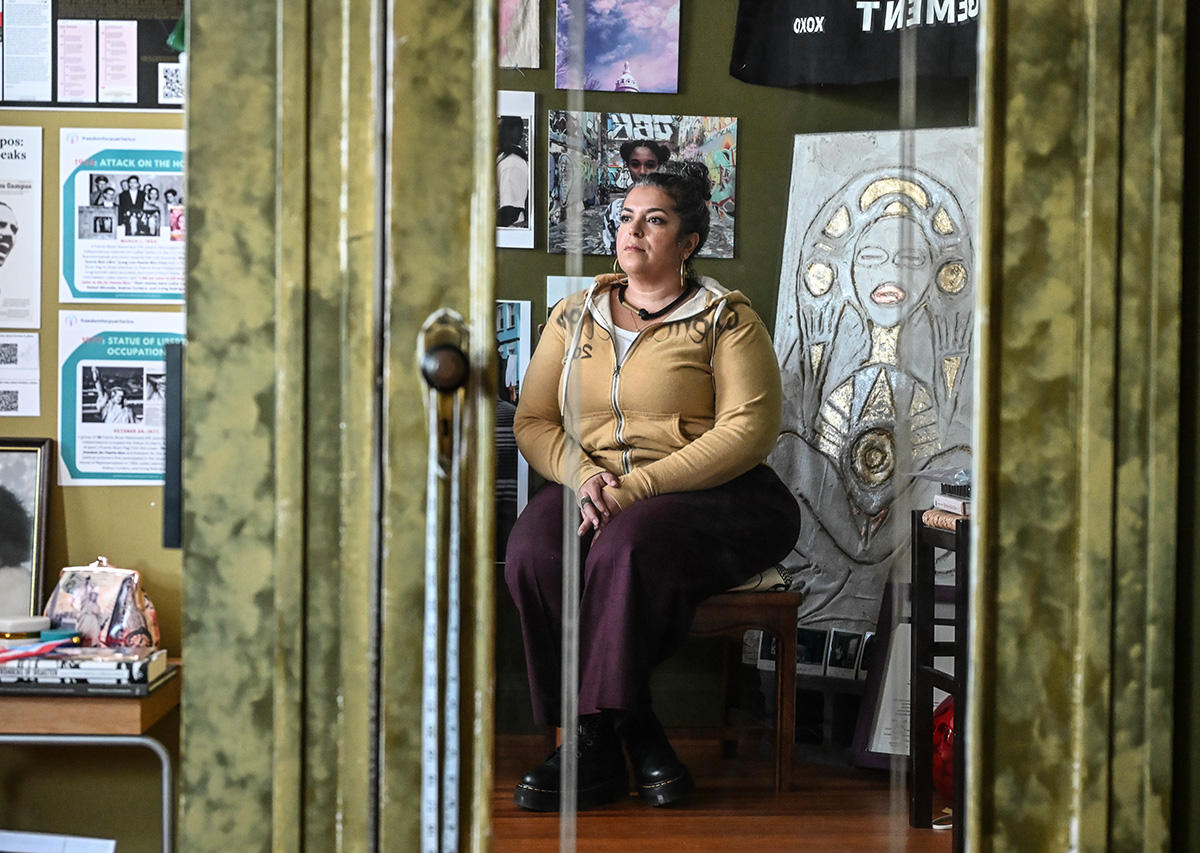
An educator and community organizer by profession, Delgado has curated parties like a Sangria Sunday brunch, a La Bodega vendor event, a Noche Buena Night Market, a summer En Verano party, and a Navidad Borikén holiday celebration—all tied to personally or traditionally significant dates. (Borikén is the indigenous Taino name for Puerto Rico.)
A January exhibition timed to close out the Christmas season and Día de los Reyes (Three Kings Day), was scheduled to feature art and film installations, and musical performances. Booked for February is a Bad Bunny Super Bowl half-time party at Baltimore Soundstage.
The NFL’s selection of the Puerto Rican superstar, an outspoken critic of Donald Trump’s ICE policies, irritated the president, but Delgado notes Bad Bunny is a cultural icon—and a resource.
“He educates people, including myself, about the island’s musical legacy and history, and through his music keeps it alive.”
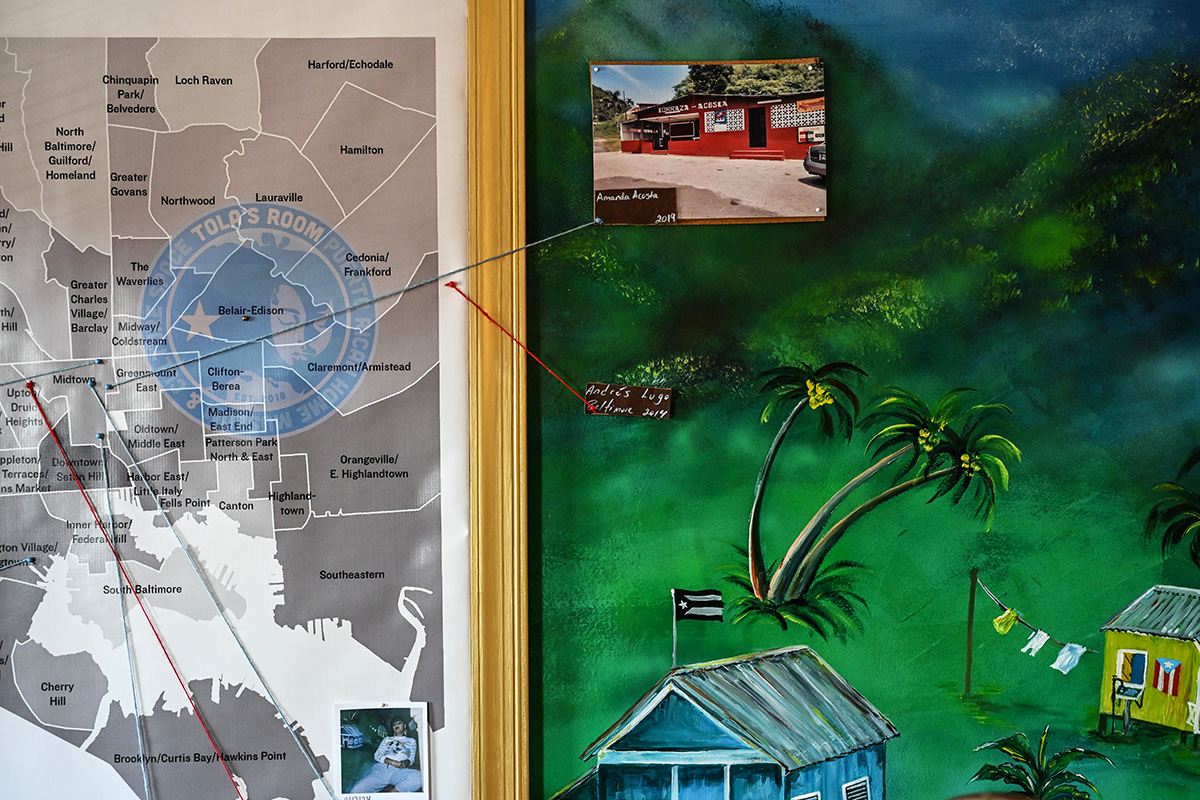
On most Sundays, the museum is open for guided tours, with Delgado highlighting the history and untold stories of Puerto Rico and its diaspora. Her ongoing Bmore Boricuas Project gathers local stories and documents Baltimore’s often-overlooked Puerto Rican community, which dates to the 1800s.
Delgado herself arrived here after growing up in New York, attending Virginia Commonwealth University, and then briefly living in D.C. With its tight-knit, distinct neighborhoods, Baltimore reminded her more of her New York upbringing than Washington.
On the museum’s second floor, through newspapers and other accounts, Delgado highlights some of the first examples of Puerto Rican migration to Baltimore, including an influx of medical students to the city and the creation of a Latino club at the University of Maryland and then-Baltimore Medical College in the mid-19th and early-20th centuries.
Also chronicled, the signing of Puerto Rican baseball players by the Baltimore Elite Giants—the city’s Negro League team—and the story of longtime Puerto Rican activist Jose Ruiz. Former Mayor William Donald Schaefer appointed Ruiz the city’s first Hispanic liaison in 1979, a decade that witnessed an influx of Latino migrants into southeast Baltimore that continues to this day.
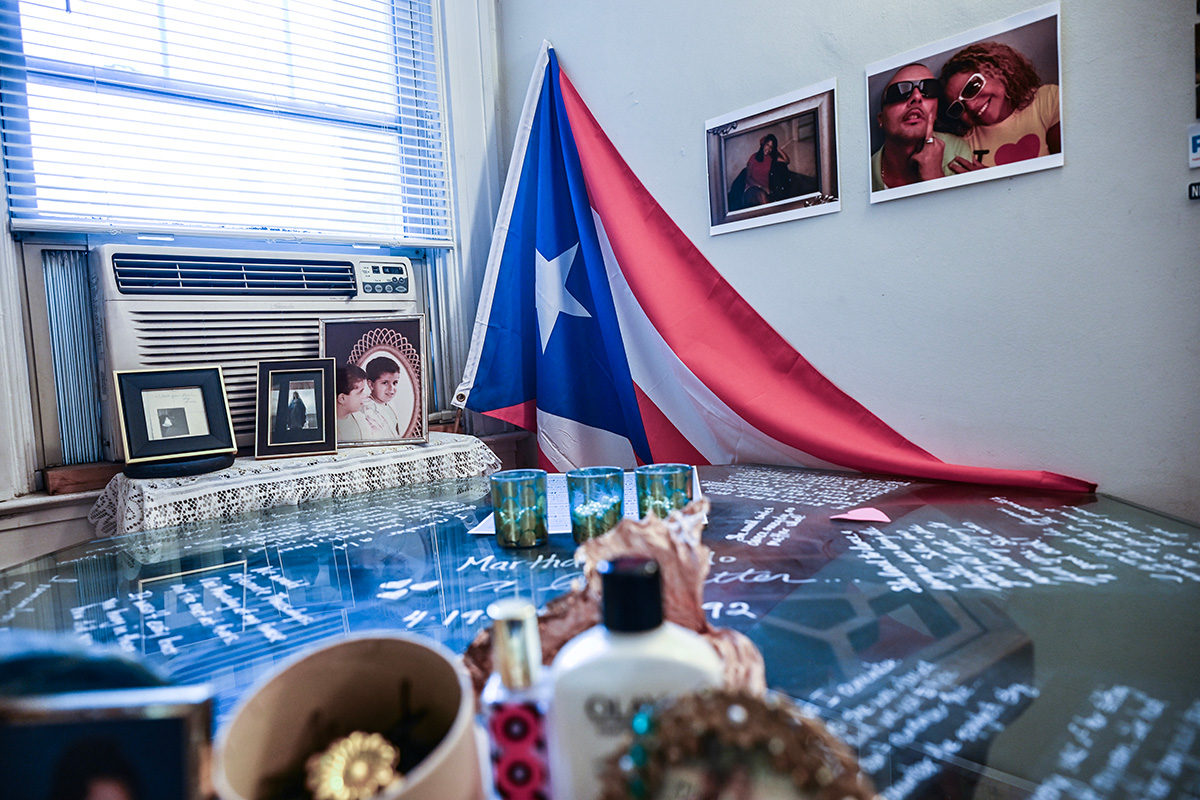
The museum highlights, too, the 2020 election of the city’s first council person of Latin descent, Puerto Rican native Odette Ramos, coincidentally two years after Tola’s Room opened. In recent years, several Puerto Rican eateries have opened as well—The Empanada Lady downtown, Owls Corner Café in Mount Vernon, the food truck Lote 787 in Old Goucher, and Bodega & Vino in Locust Point.
The nod to her daughter in naming the museum is more than a mere sweet gesture for Delgado. Her beloved father, Edwin, who suffered from alcohol abuse, spent his career as a computer programmer for the City of New York after a proud stint in the U.S. Army. (Her mother also served and is pictured in uniform in the museum.) He died unexpectedly in Baltimore, in front of Delgado, after coming to town for his granddaughter’s first birthday.
She says the work she’s done in developing the museum has helped her to get past that grief. Asking her mother, aunts, cousins, and friends about her father, and about their own lives and Puerto Rican heritage, has built a sustaining community.
“We have similar stories as the diaspora of the archipelago,” she says. “I’m learning things in this journey, in this shared history, and in other narratives, that enable me to understand my dad better.
“I came to see it like he chose to die with me,” she continues, pausing to wipe away a tear in her living room near some photographs of her and her father. “That weighs on me, in a loving way, but it also weighs in a heavy way.”