Home & Living
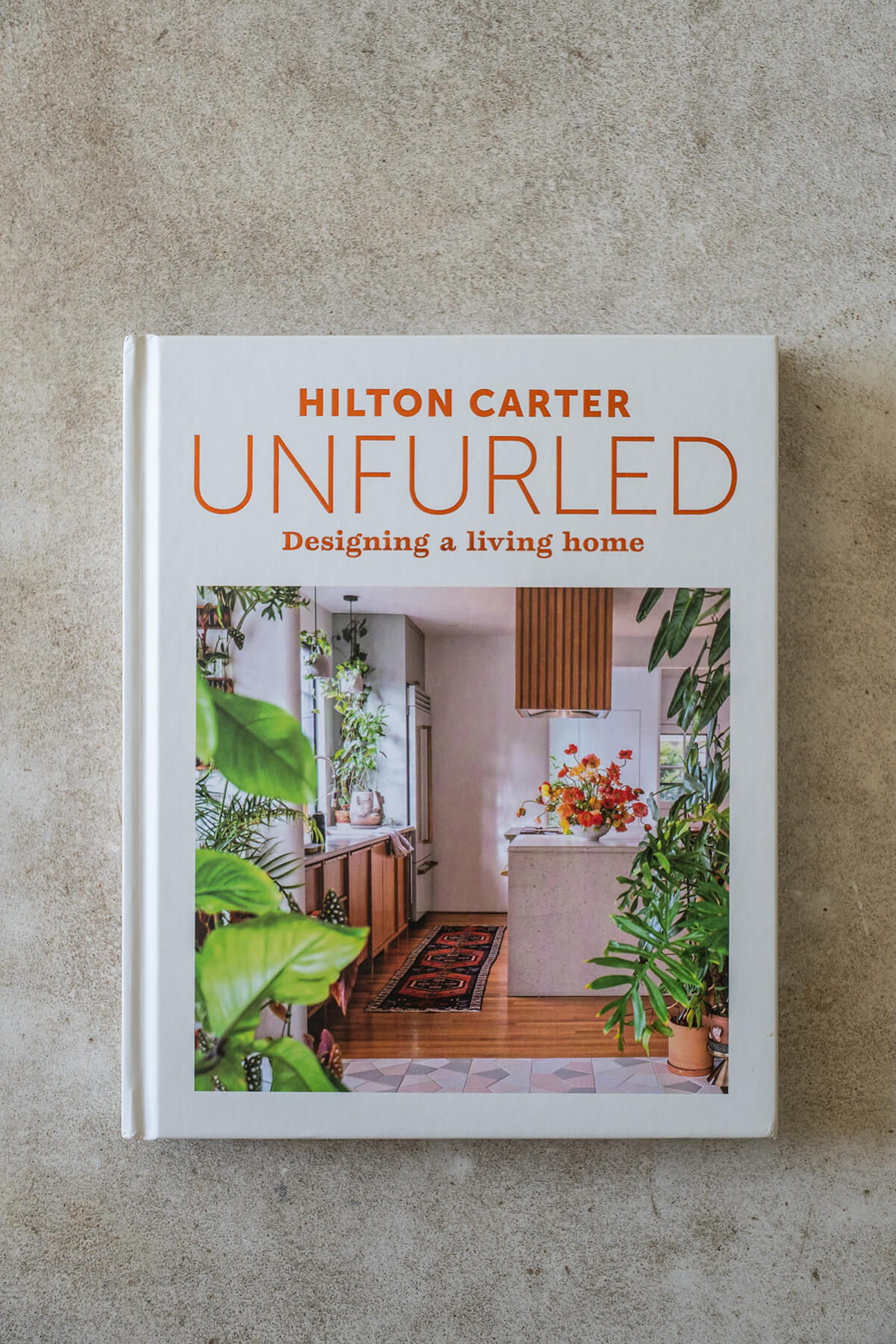
Hilton Carter’s New Book, ‘Unfurled,’ Shares a Very Special Home–His Own
The famed plant lover’s sixth book—his most personal yet—delves into the rooms of his family’s Roland Park house, which Carter has painstakingly renovated, styled, and photographed.

It’s hard to miss Hilton Carter. Yes, the plant lover, author, and interior stylist is a big guy (6’5” to be exact) but he also just seems to be everywhere these days. On the Today show bantering with Craig Melvin and Al Roker; recording his podcast, Inside Hilton’s Head; and on Instagram (@hilton-carter) talking plant care, styling tips, and dad life to his 680,000 followers.
The fact that he has a few hours to spend at Artifact Coffee—looking fashion forward and fresh as usual in a philodendron-green terrycloth shirt, baseball cap with an embroidered H, and Birkenstock Boston clogs—almost seems impossible. There’s a calmness to him—and an ease that, yes, comes with age (he’s 45)—as well as a sense that he’s finally letting himself exhale.
This gigantic wave he’s been riding is, in fact, his career and not a passing fad about to crash ashore.
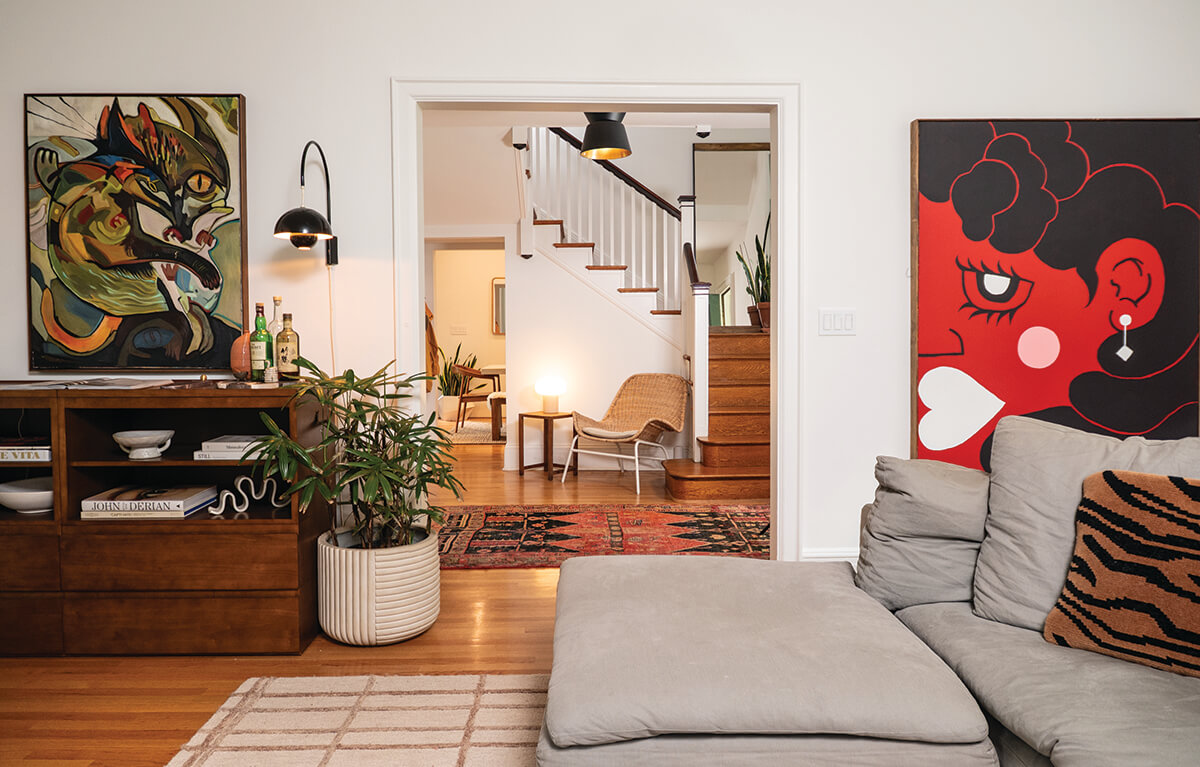
Unfurled: Designing a Living Home is Carter’s sixth book and his most personal one yet. “It’s like a diary,” says Carter. All 208 pages are filled with photos of his family—wife Fiona Vismans and daughters Holland and Vada—and delves into the rooms of their Roland Park house, which Carter has painstakingly renovated, styled, and photographed.
“Creating a home takes time. It can be slow and requires a lot of patience, planning, deliberation, and intentional decision-making. But eventually, given love and thought and care, that home will unfurl to reveal its true beauty,” Carter writes in the foreword, explaining his book title.
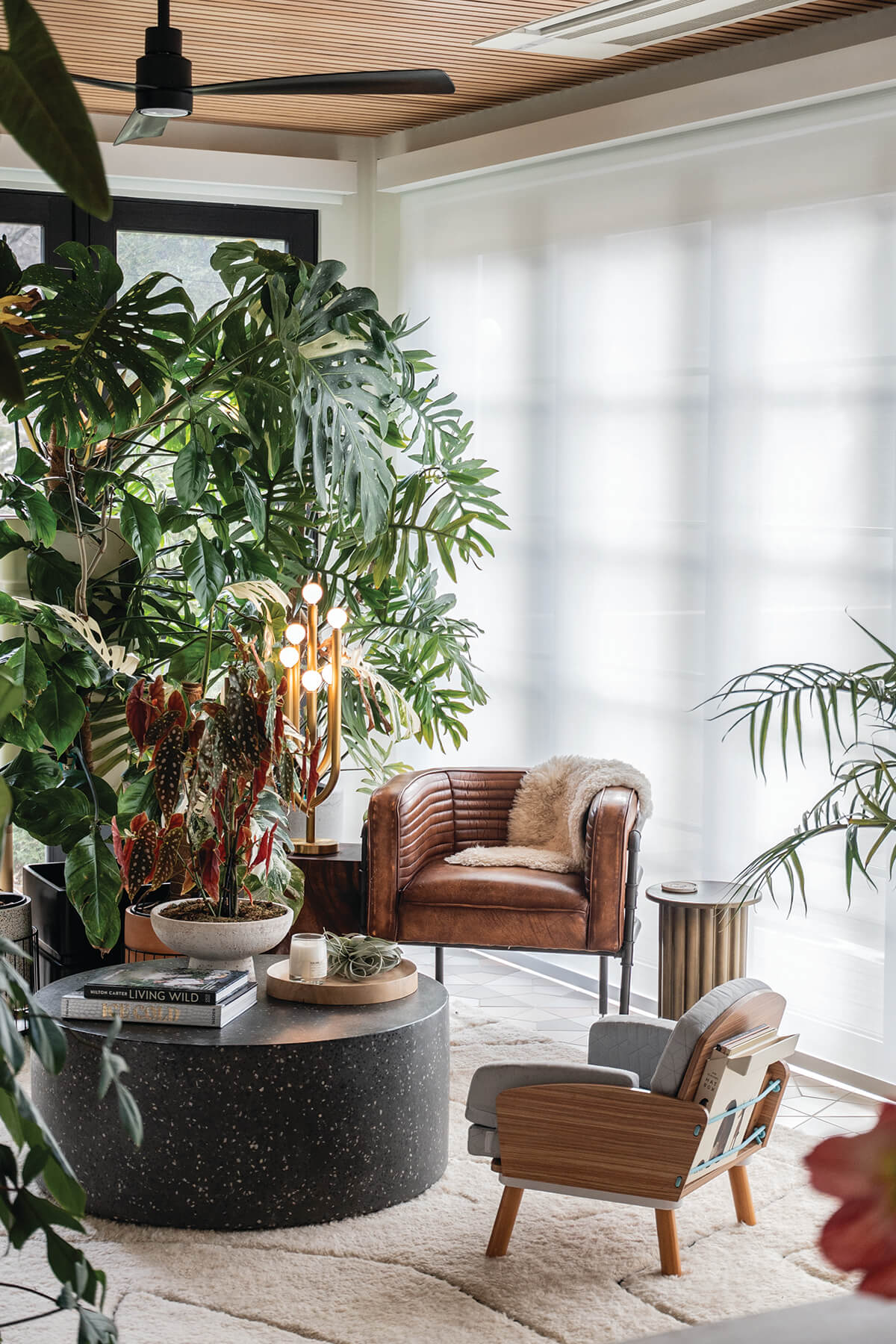
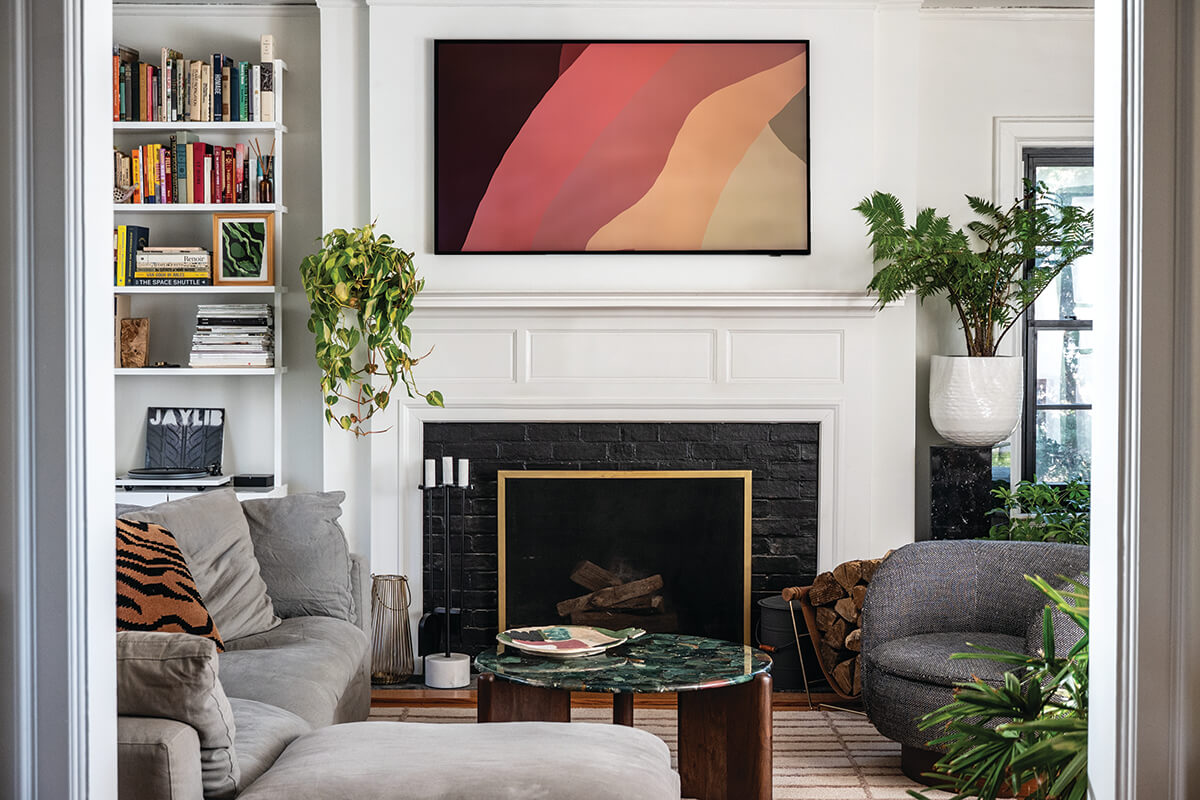
Although a majority of Carter’s fans probably don’t have a Baltimore ZIP code—he’s in the big league now—reading Unfurled through a local lens makes it an even cooler experience.
Carter was born at Johns Hopkins Hospital in 1979 and grew up around drugs and violence. “I didn’t see much of an escape from that,” he says. His family moved to Essex when he was 10, which changed the trajectory of his life. Carter played football for the Middle River Renegades and made a lot of friends. The kids liked that he was different (read: artistic). He joined art clubs and took classes at the local community college before enrolling at Carver Center for Arts and Technology’s visual arts program.
He headed to Maryland Institute College of Art (graduating in 2002), then moved to California to attend graduate school at the ArtCenter College of Design for film—an art form he saw as the next natural step in visual storytelling. He learned all the different parts of filmmaking, but what really stuck out for him was production design. He loved the idea that the set was telling a bigger story—an idea that has stuck with him to this day.
In 2011, when work for a freelance film project took him to Glen Mills, Pennsylvania, someone suggested he check out Terrain, a shop and restaurant owned by Anthropologie that blurred the line between home and garden. It was a light-bulb moment for Carter.
“If I ever have the means, I’m going to start bringing plants in,” he thought.
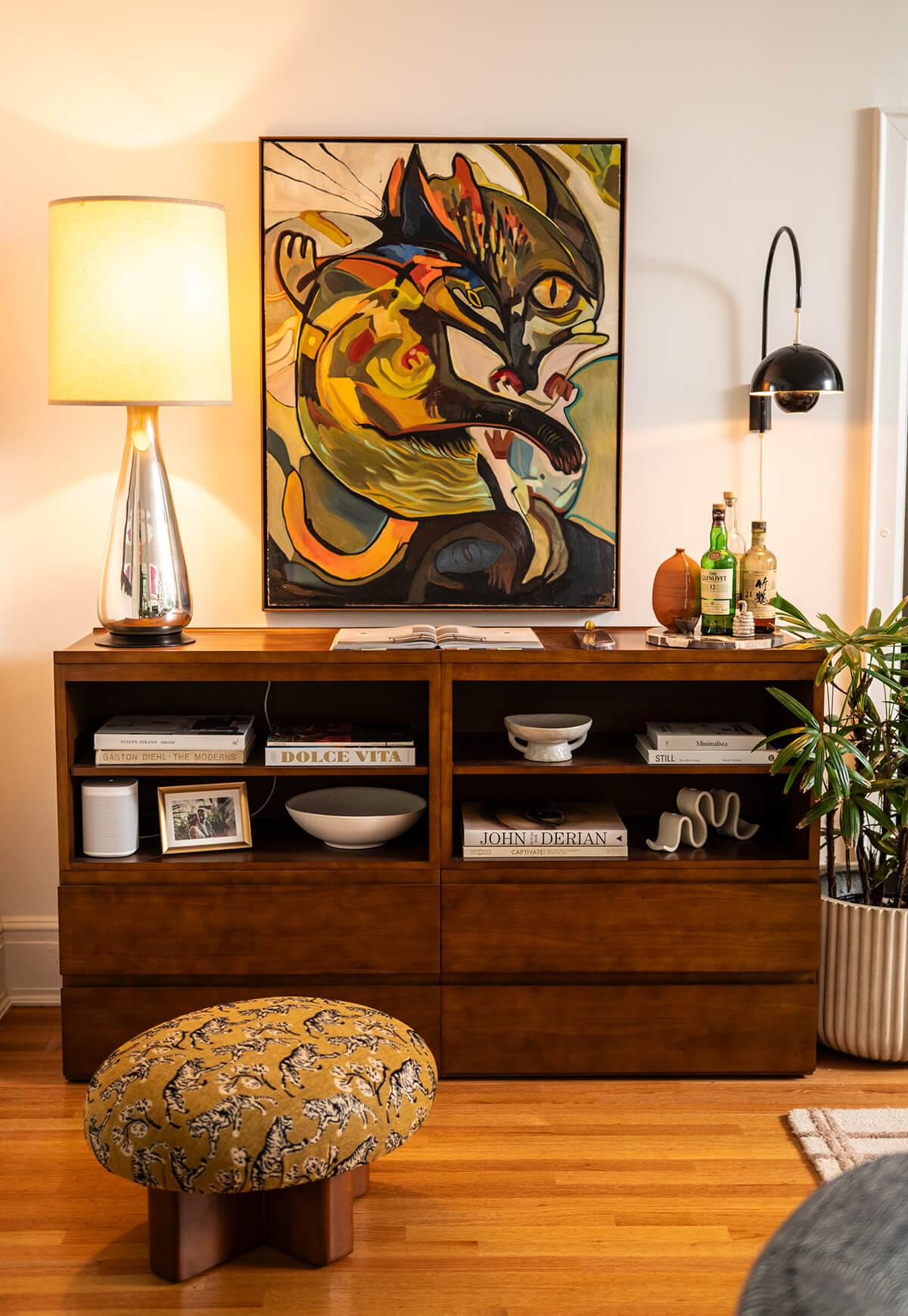
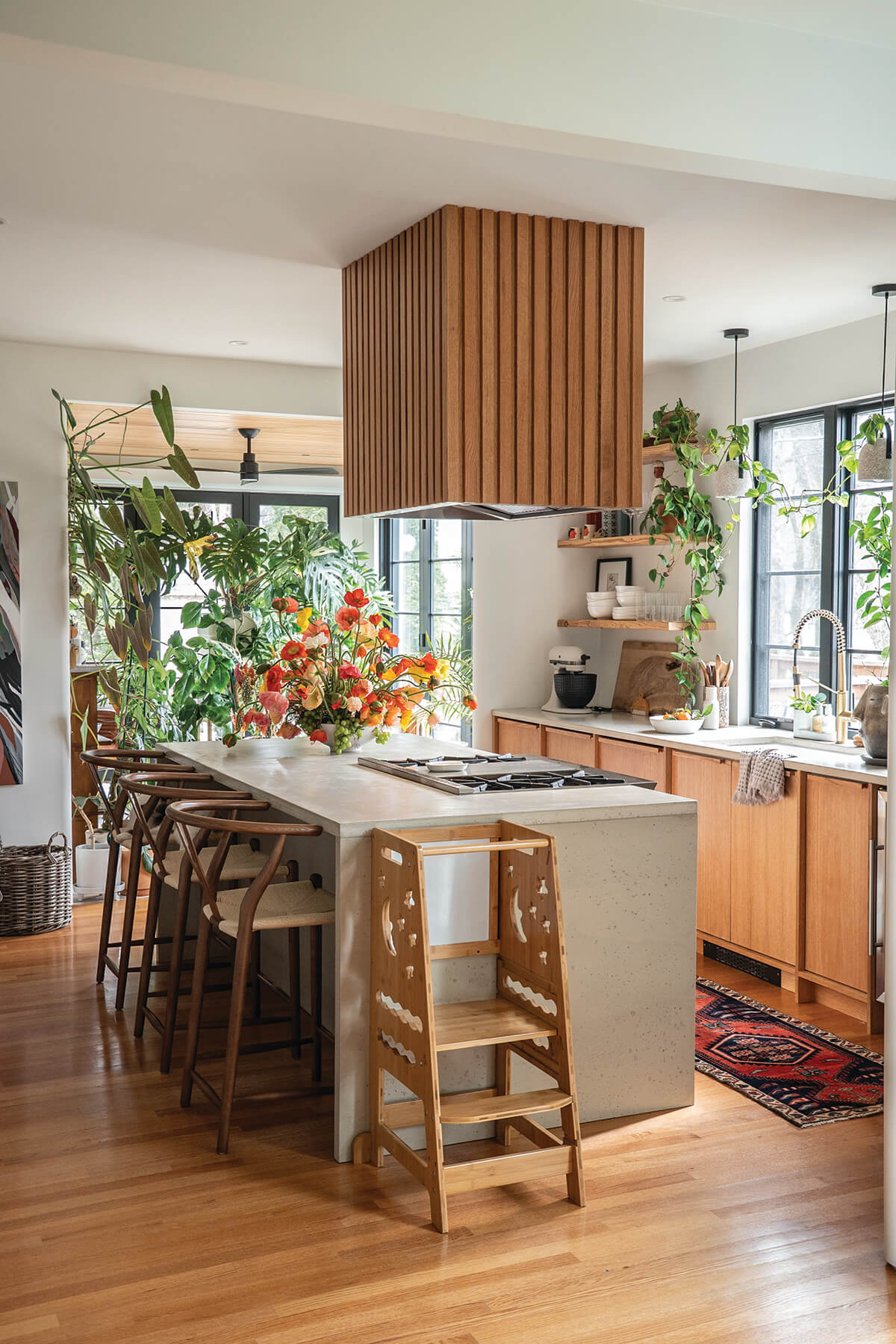
Three years later, when Carter moved to New Orleans for work and his apartment in the French Quarter offered a big, sun-soaked space, he purchased a five-foot-tall fiddle leaf fig tree he named Frank. Carter’s plant knowledge came about gradually over time. He visited greenhouses, asked lots of questions, and, most importantly: He listened. A friend’s mom taught him about propagation—the process of growing new plants from the cuttings of other plant parts. He was hooked.
When Carter moved back to Baltimore in 2015, he schlepped Frank with him. (He now resides in Carter’s Parkdale studio in Woodberry.) Three years later, Carter married Vismans, whom he famously met when she knocked on his door to tell him his loud music was making her next-door apartment vibrate. He apologized with a snake plant.
In the seven years since, they’ve become parents twice and bought their forever dream home. And while working on another book (shelved for now) he and his publishers noticed how much his followers reacted, commented, and “liked” his posts about home-styling.
“Would you ever consider making a styling book?” they asked. He couldn’t say yes fast enough.
For Carter it felt a bit like coming back to his roots of storytelling through design. Each section of the book—broken up by room—is about not just making an area stylish but the “why,” from concept and mood board to plan and layout to furniture and plants (yes, there are still plants, of course).

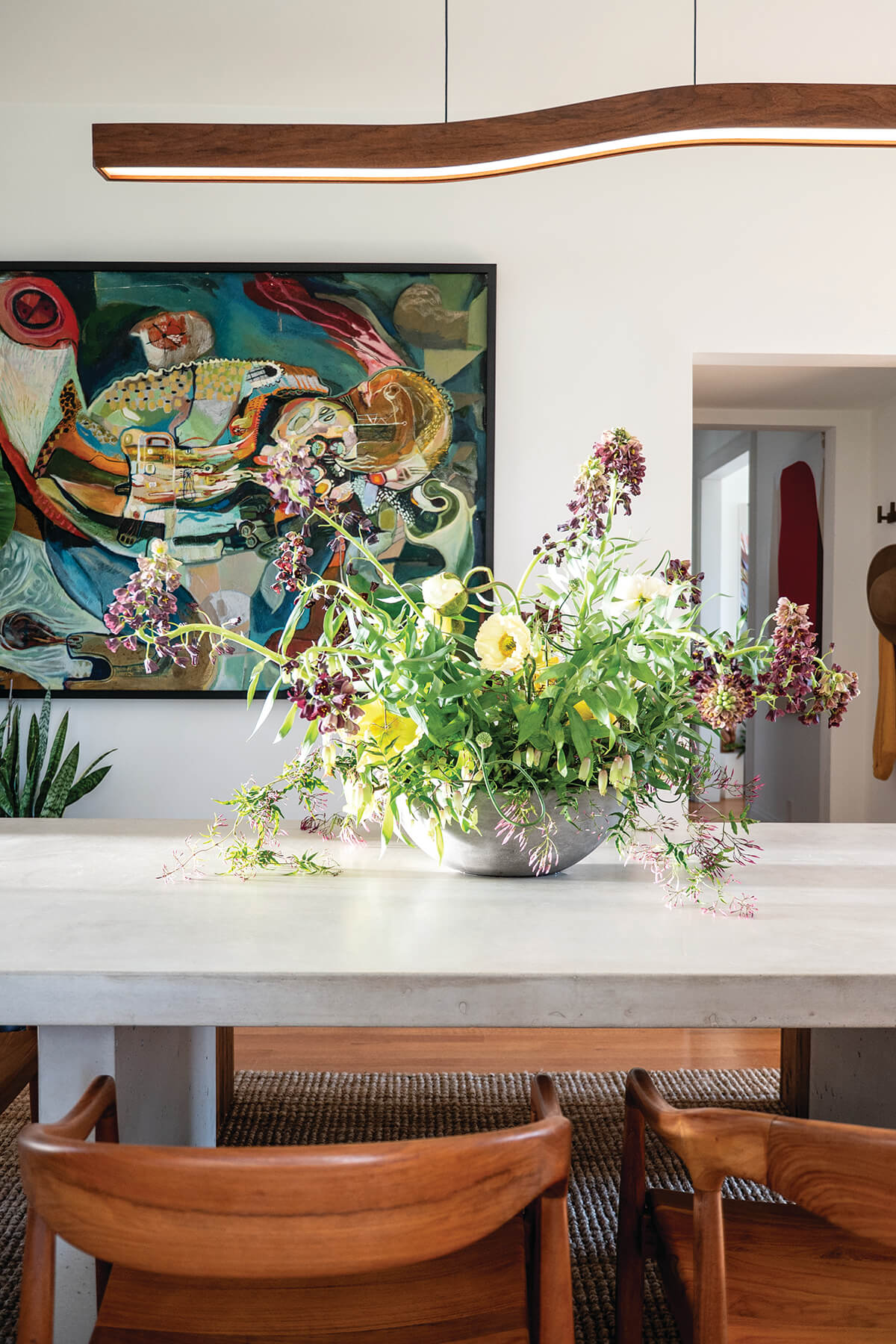
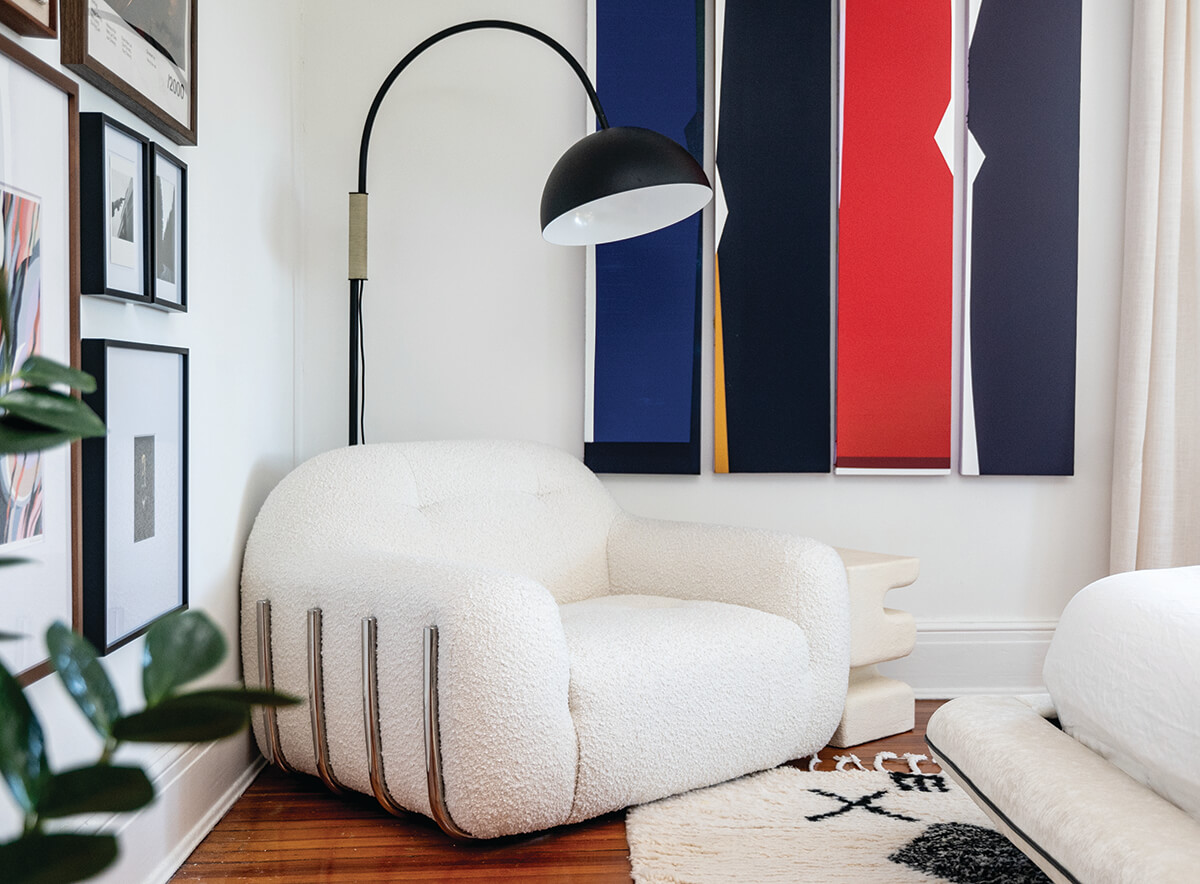
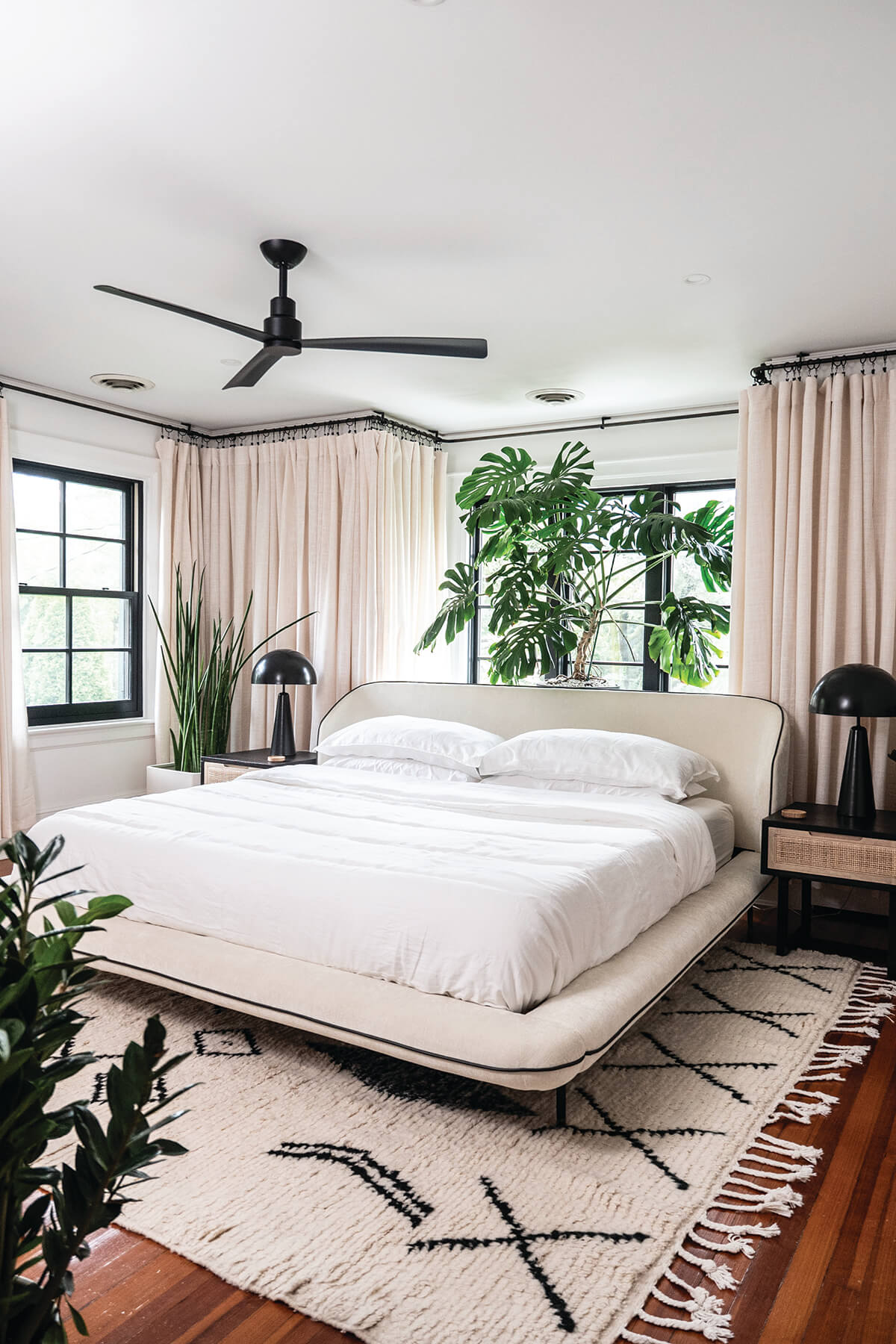
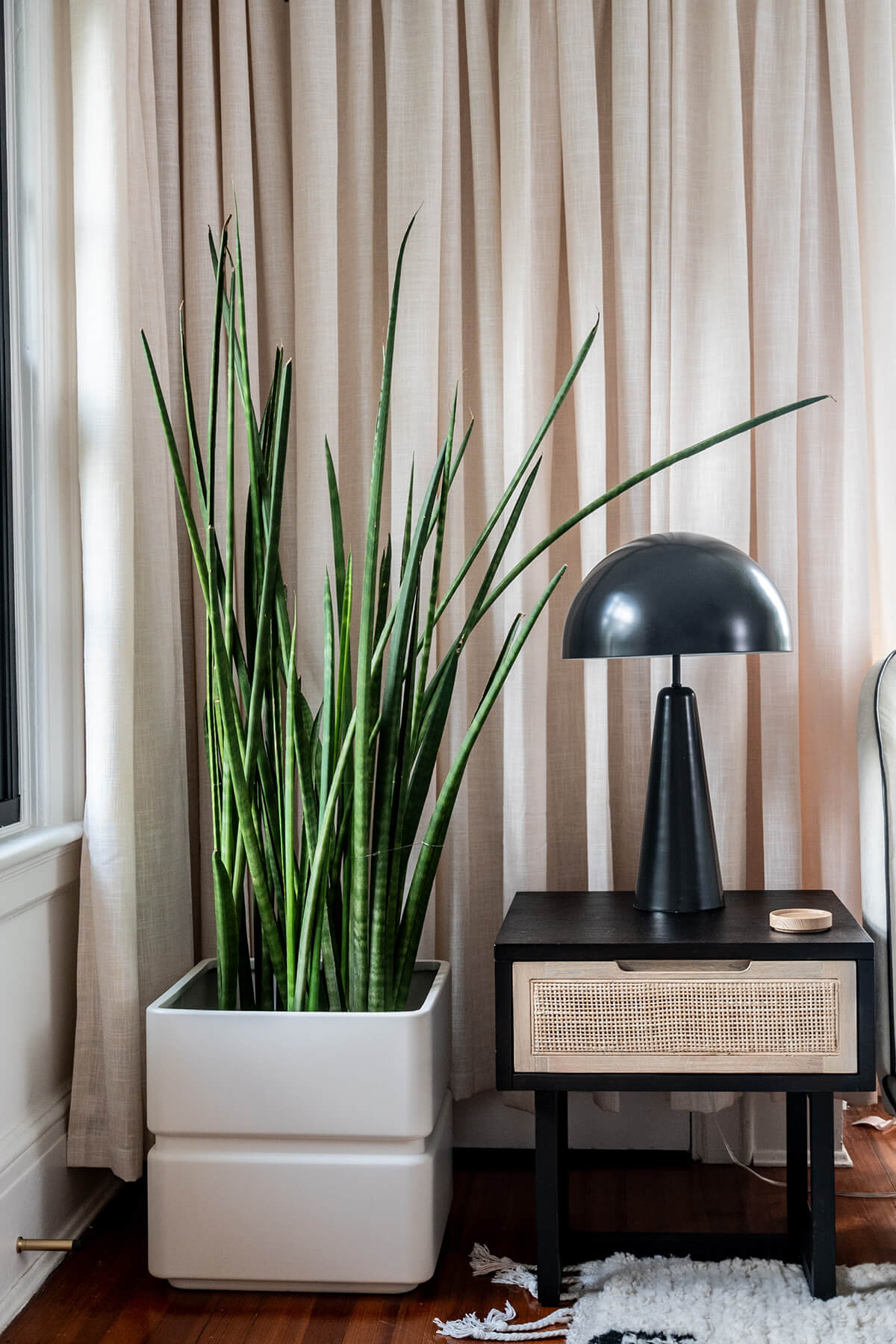
“We chose this home because we were ready to start a family, so when the time came to design and style it, I thought about how family life might evolve over time,” Carter writes. “That vision has guided many of my decisions, because, for me, the first step in designing a living home is to ensure that the choices made are practical ones, rooted in everyday life.”
This is what makes the book so relatable. Yes, Carter’s home is a designer’s dream—warm, modern, and chic—but it’s also clear that two little girls live there. Carter spends two chapters writing about Vada’s calm nursey and Holland’s toddler room, with its Technicolor mural painted by Carter, with input from his daughter. He’s a big believer in getting kids “involved in the creation and styling” of their rooms, while still being the ultimate decision-maker.
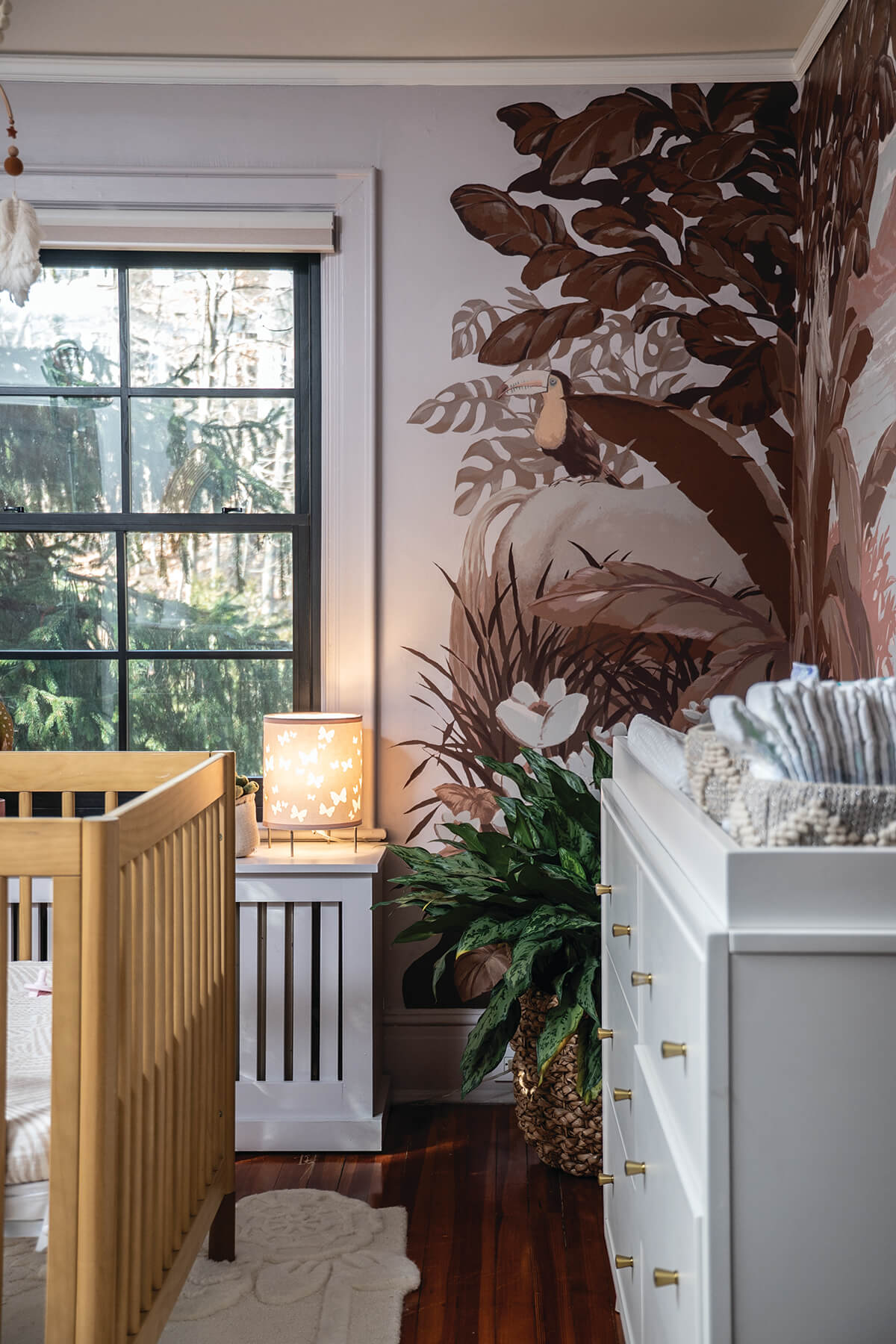
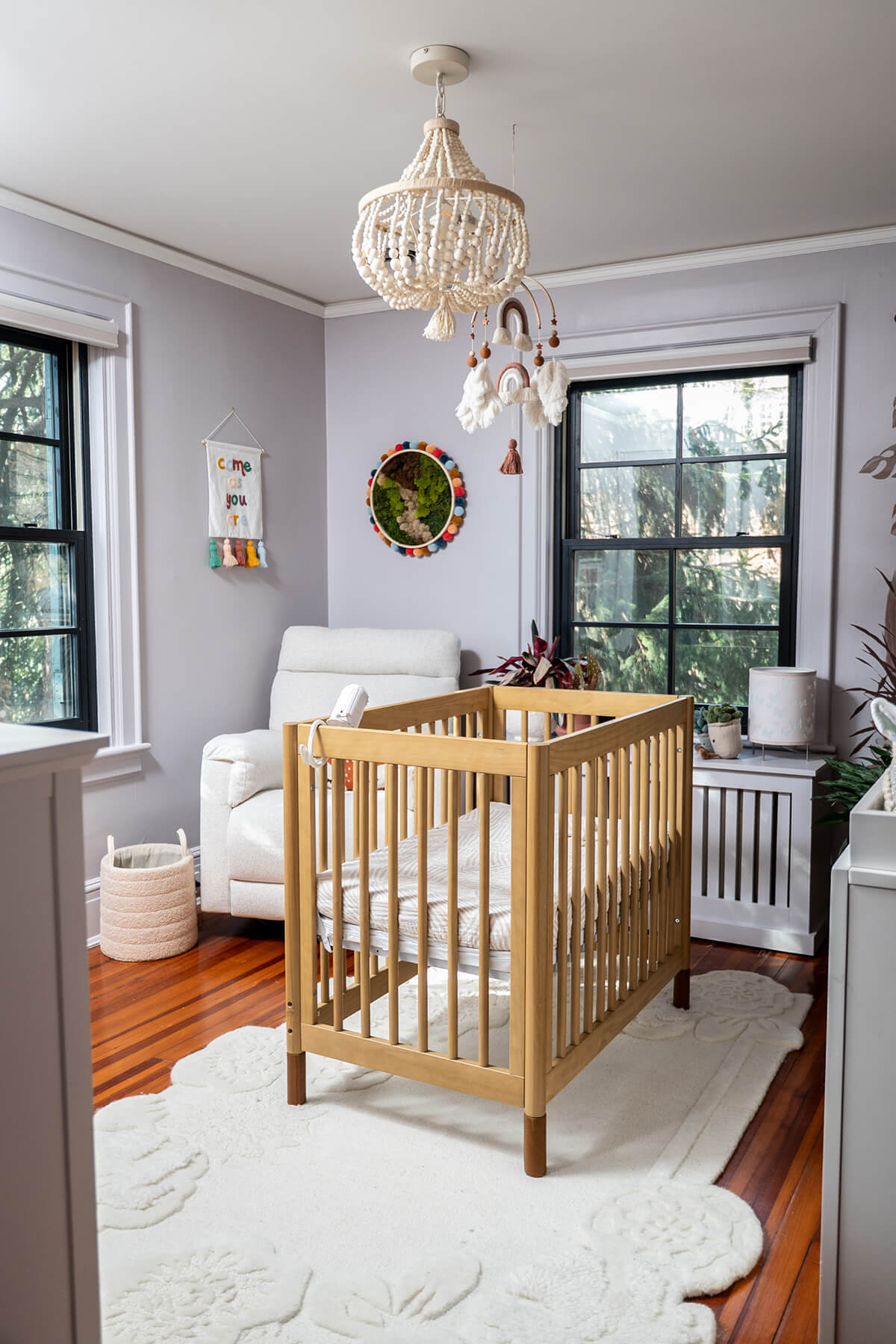
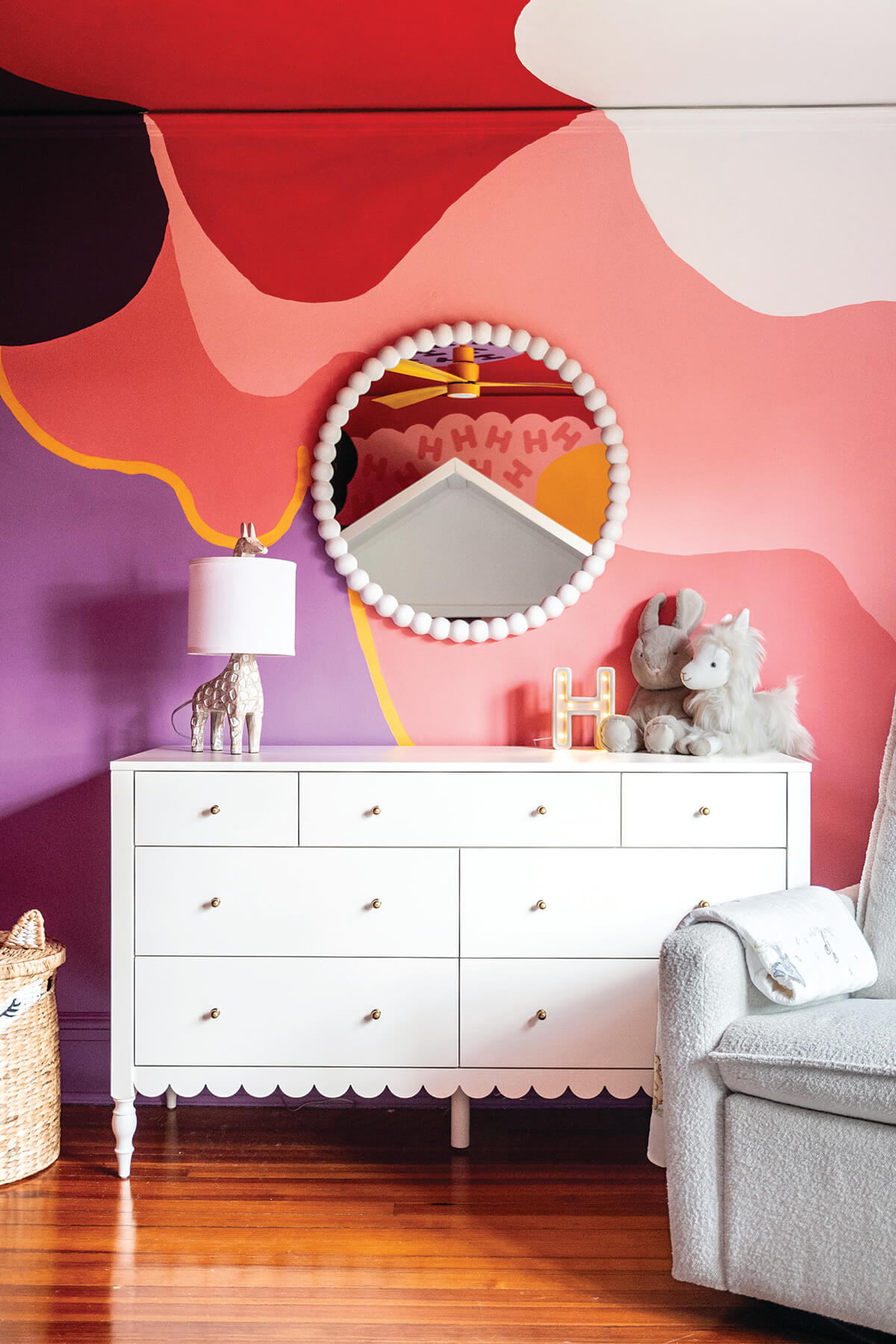
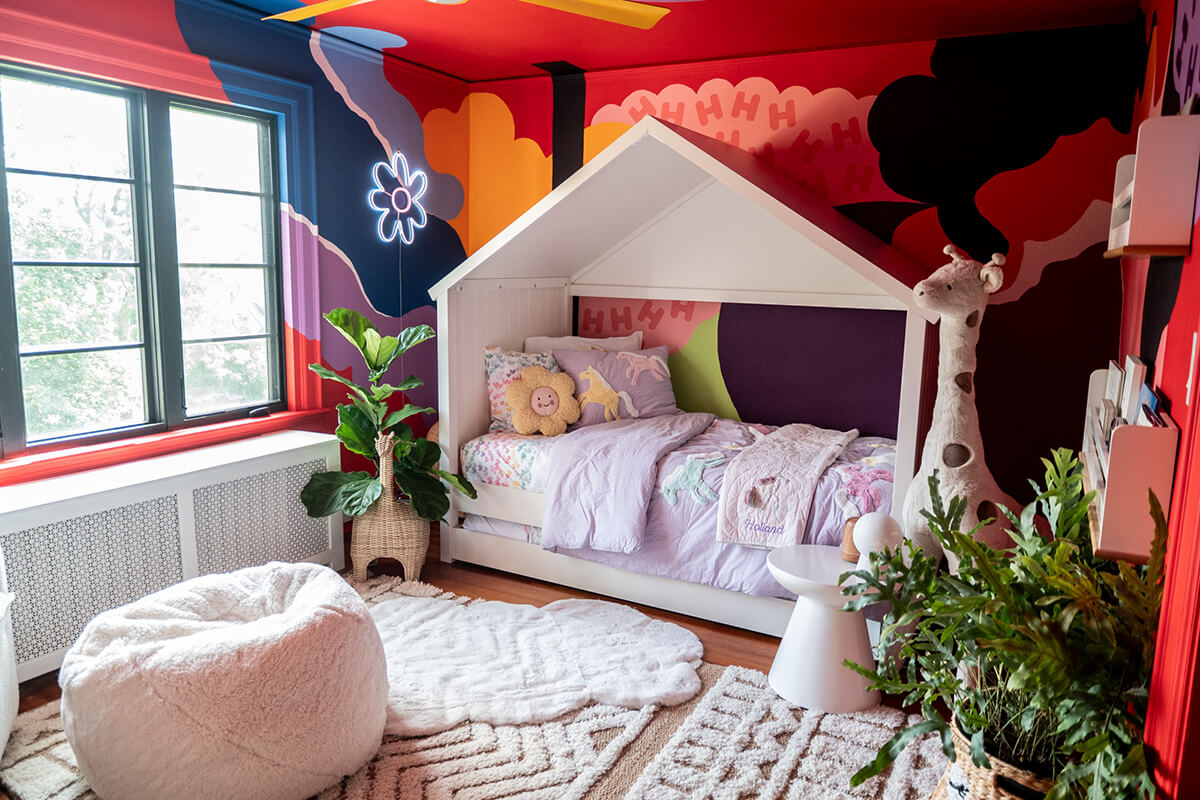
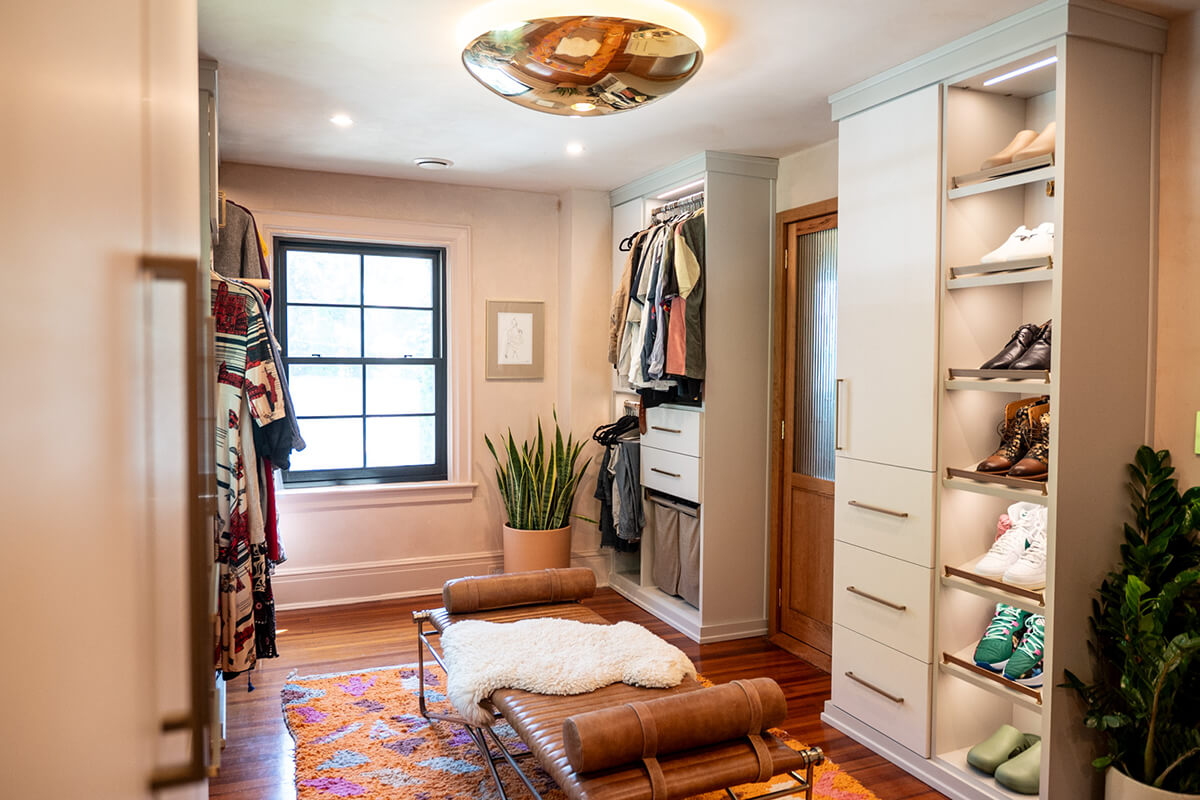
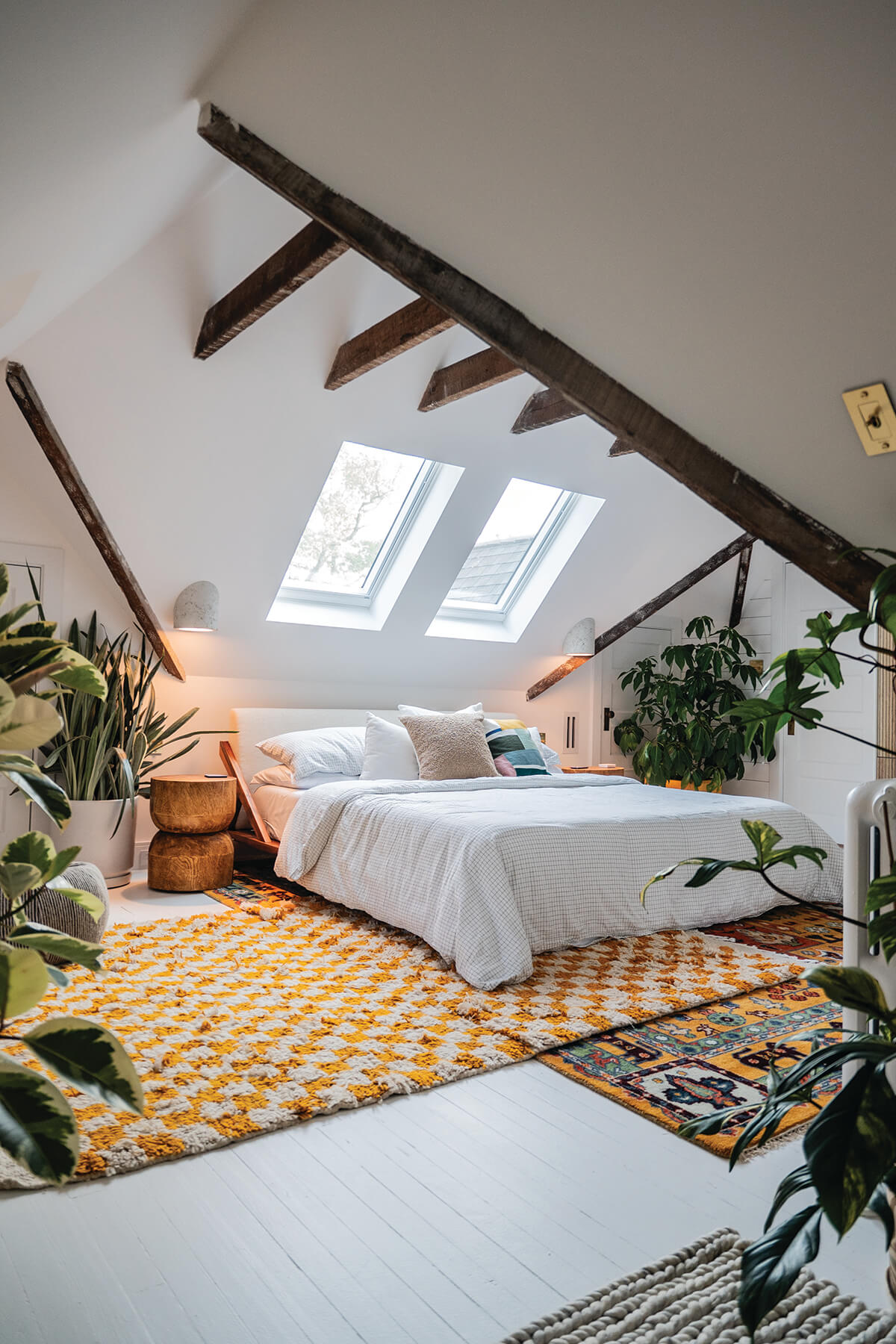
In between dreamy photographs of his kitchen, sunroom, and guest room (swoon) he also talks about the less sexy rooms, like a closet—but with an I-Can’t-Believe-This-Is-My-Life aura that keeps the book from becoming boastful and arrogant.
“I never thought much about the closet, other than its use for storing my clothing or hiding a mess when I was quickly trying to tidy my room,” he says. “But I can’t say the same for my mother. When I was a child, I would often hear her fantasize out loud about having a large closet. Not just one where you could hang your winter coats like those big, puffy winter coats. No, more like a closet that you could walk right into, pirouette, then walk back out. That, my friends, is what my mother would call Special, with a capital ‘S.’ Many people would just call it a walk-in closet, but in her eyes, it epitomized status and success,” he writes in the book.
“I’m very lucky to have the life that I have,” says Carter over coffee. “Look at my house—this is the piece of paradise that I wanted to carve out for myself, and I now have it.”
That’s the message he wants this new book to convey. Home is just about creating a space that makes you feel your best. Carter says it’s more important than ever to create your own paradise at home.
“The chaos that is outside you can’t control. But inside the walls where you live, you can control that space, right? So, all the things that you’re having in there, they should be things that you absolutely love.”
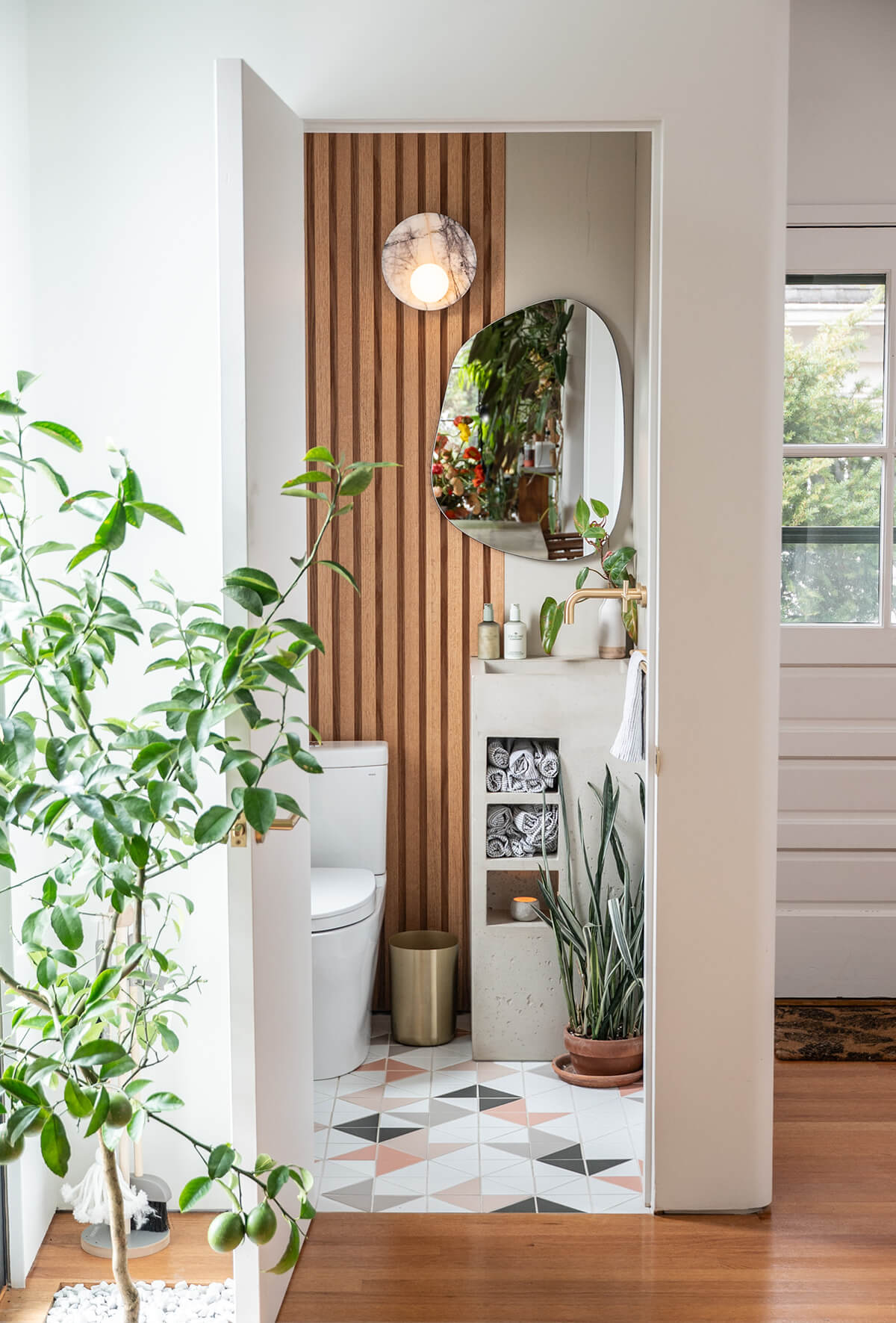
And because this is Carter, he can’t resist a good plant metaphor.
“I always talk about the joys of seeing a new leaf growing. It’s like, ‘Oh shit, this plant is thriving, it’s pushing out, and growing.’” But there’s always that moment when you don’t know how it’s going to unfurl, he says. “You have no idea what you’re about to get when it comes to, like, a Monstera. You never know how many splits you might get. You might get none. You might get a few. You might get holes. You have to just wait and see what’s going to happen.”
This isn’t just a story about his book title, but about putting himself (home and family) out there with his first truly vulnerable book.
“There might be something that disrupts the unfurl, which then alters the shape of that leaf. I’ve had that many times, where I had a leaf get stuck as it’s unfurling,” he says. Sometimes it just needs a little tug or redirecting, he believes. “So, the idea of a home being unfurled just means it’s slowly showing its beauty and its full potential.”
Sounds like he’s talking about his own journey, too.