Arts & Culture
The Kids Are Alright: ‘Heavy Metal Parking Lot’ Approaches Its 40th Anniversary
Filmed before a Judas Priest show at the Capital Centre in Landover in 1986, the 16-minute cult classic has been referred to as both the “seminal anthropological study of beer-swilling teenage metalheads” and “one of the greatest rock documentaries ever.”
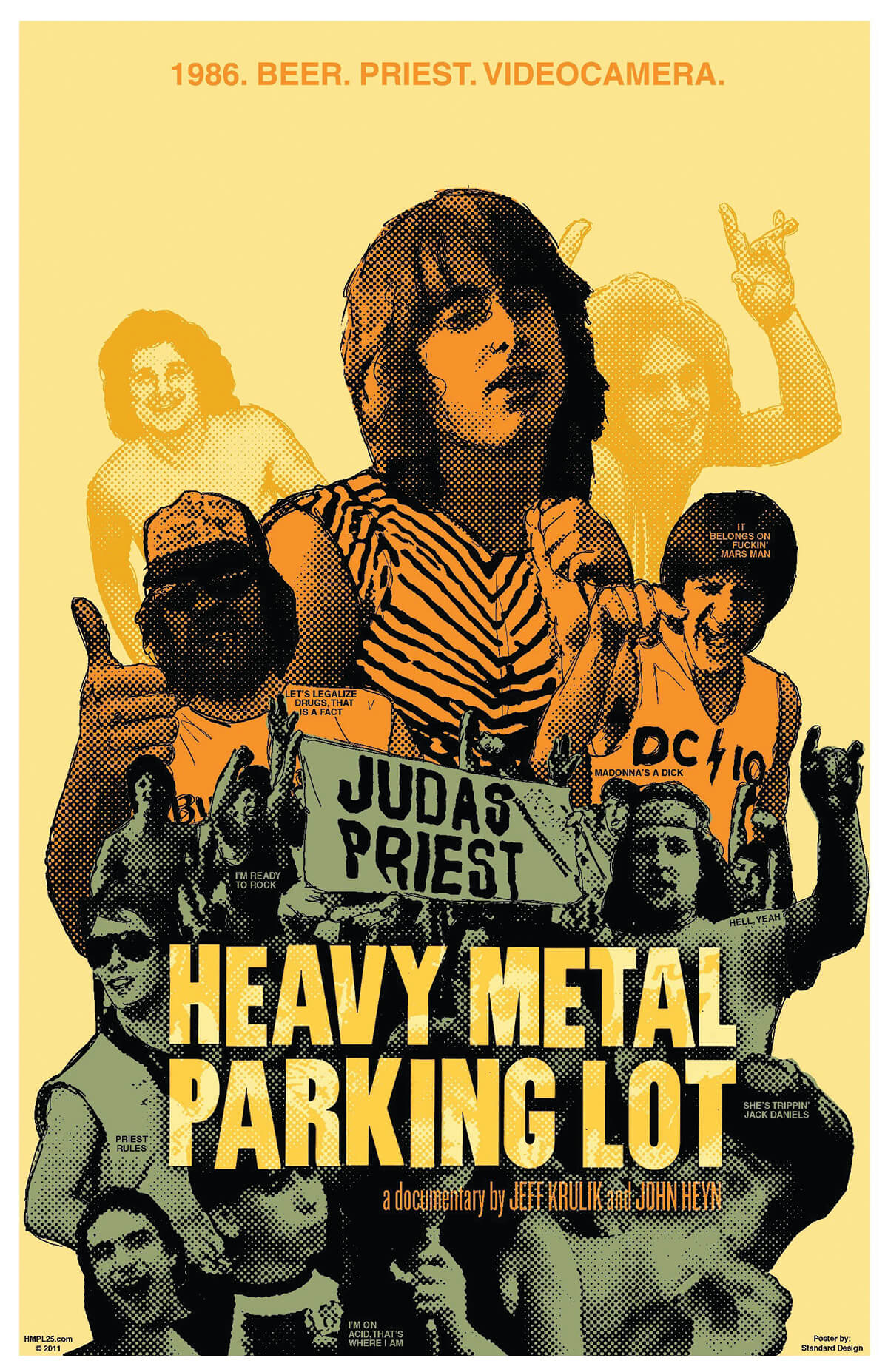
“We’re joined at the hip at this point,” says John Heyn, referring to Jeff Krulik, co-director of Heavy Metal Parking Lot, the definitive document of ’80s teen metal culture—big hair, spandex, mullets, V-8 engines, cheap beer, and homegrown weed.
Celebrating its 40th anniversary next year and recently screened as part of the Motor House’s “Movie Monday” programming, Heavy Metal Parking Lot’s legion of admirers have included Nirvana, Cameron Crowe, and Sofia Coppola. After receiving an early copy of the videotape, John Waters sent Heyn and Krulik a postcard with a cheeky compliment, writing, “Thanks for letting me see it. It gave me the creeps.”
For anyone unfamiliar with the cult classic, the entire 16-minute doc was shot in the parking lot, as the title suggests, of the old Capital Centre in Landover before a Judas Priest concert in 1986.
Part cinema vérité, part guerrilla filmmaking, the origin story goes like this: The two aspiring directors had been spitballing short documentary ideas around subcultures for about a year when Heyn pitched shooting the local metal fandom.
“We were into punk and new wave, and 10 years older than most of the people who ended up in the film, but I’d been to Hammerjacks once or twice and at least knew something about the scene,” says Heyn, a Pikesville native, name-checking Baltimore’s legendary hard rock venue. “I heard the show announced on the radio and circled the date.”
Krulik, who worked at a cable-access station in Bowie, brought the equipment. The result was a raw, pre-smartphone moment in time capturing wasted fans expressing their enthusiasm for sex, drugs, domestic beer, and heavy metal.
The film’s “characters,” an apt description of the tailgating ensemble cast, included a young lady yelling “Party!” who became known as “Glen Burnie Girl”; the “DC 101 guy,” Graham “Like a Gram of Dope” Owens; and the black-and-white-Spandex-clad “Zebraman,” whose rant against punk, Madonna, and pop became something of a metal manifesto.
What else Heavy Metal Parking Lot was, or is, remains difficult to elucidate. It’s been referred to as both the “seminal anthropological study of beer-swilling teenage metalheads” and “one of the greatest rock documentaries ever,” but it was edited from only two hours of shooting.
Basically, Heyn and Krulik lugged their camera around the Cap Centre parking lot until the doors opened, and recorded whatever looked interesting and whomever engaged them. They did not go to the show. Nor did they prepare any type of questions or script, which turned out to be unnecessary. Their subjects saw the big camera and naturally responded with, disconcerting at times, revelry.
The film eventually found cult fame after a worn copy unexpectedly landed in a bin at the influential L.A. video store, Mondo A-Go-Go. From there, old-school word-of-mouth made it go viral.
Heyn and Krulik went on to careers in the audio-visual world and continued to make docs—including Neil Diamond Parking Lot in 1998. After HMPL was posted to YouTube, they also got to know their “stars” through social media and anniversary events, typically organized by DJs and music festivals. That proved rewarding—and a relief—in that the kids for the most part had turned out just fine, becoming office managers, contractors, parents, etc. and in one case, a Hasidic luthier.
“It’s been a roller-coaster ride,” Krulik says. And still, they don’t want to get off. The two men hold out hope Heavy Metal Parking Lot’s legacy will not just continue, but expand into new arenas.
“It could be a Broadway musical,” Heyn says. “We got a script together. Why not?”